




Introduction: The Hidden Engine of the Energy Transition
In the high-stakes arena of national energy policy, the conversation is often dominated by "gigawatt-scale" narratives. Wall Street financiers and federal policymakers frequently gravitate toward massive gas turbines or sprawling, utility-scale solar farms, lured by the sheer volume of power they generate. However, Edward Yim, the director of clean energy at Lawyers for Good Government and a former architect of the Inflation Reduction Act’s (IRA) Home Energy Rebates, argues that this fixation on scale ignores a critical, vibrant sector of the American power grid: distributed, community-scale energy.
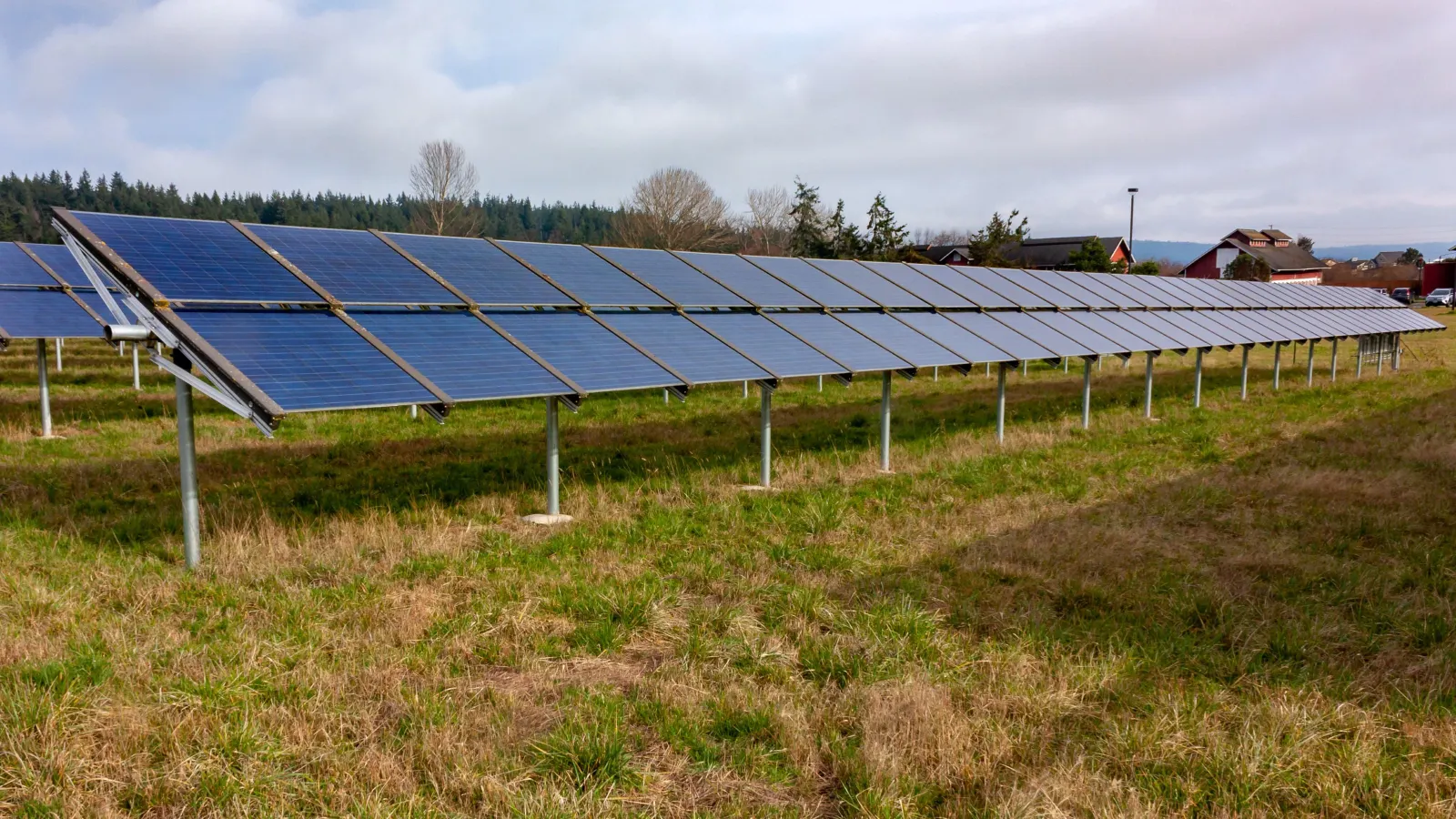
As the nation faces a dual crisis of soaring energy demand and unpredictable utility bills, small-scale projects—solar installations on houses of worship, schools, health clinics, and municipal buildings—are being sidelined. Yet, these projects account for at least 20% of all solar capacity installed in the United States. To overlook them is not just a missed opportunity for environmental progress; it is a failure to secure the grid against the volatility of the modern age.
The Economics of Scale vs. The Economics of Resilience
The argument for utility-scale projects is rooted in traditional efficiency metrics: one facility can power a small city, minimizing the number of interconnection points and streamlining financing. However, Yim suggests that "looks are deceiving." While utility-scale projects offer low-cost energy, they often come with significant land-use implications, lengthy permitting bottlenecks, and a lack of local community agency.
The Advantage of the Small-Scale Model
Small-scale, community-integrated energy offers a distinct set of advantages that large-scale counterparts cannot replicate:
- Direct Cost Reduction: These projects provide immediate relief to electricity bills for the entities that need it most.
- Grid Resilience: When paired with battery energy storage systems, community projects act as micro-grids, providing essential backup power during the increasing number of extreme weather events and grid outages.
- Public Health: By reducing reliance on fossil-fuel-burning peaker plants, community solar improves local air quality, directly mitigating the prevalence of respiratory and cardiovascular diseases.
- Regulatory Efficiency: Small-scale developers are rarely subject to the multi-year environmental review and permitting delays that plague major transmission-dependent projects.
Chronology: The Rise and Retrenchment of Solar Policy
The trajectory of federal support for distributed energy has been marked by significant progress followed by abrupt, politically charged reversals.
The IRA Era (2022–2024)
The passage of the Inflation Reduction Act marked a watershed moment. It didn’t just subsidize solar; it democratized access. Central to this were two mechanisms:
- Clean Energy Tax Credits: Lowering the barrier to entry for developers.
- Elective Pay (Direct Pay): A landmark provision allowing tax-exempt entities—such as churches, non-profit clinics, and local governments—to claim the value of tax credits as a refund. This "leveled the playing field," as Yim notes, effectively treating non-profits with the same financial logic as private corporations.
The Recent Shift (2025)
The momentum hit a wall with the arrival of the new administration. Congressional Republicans and the executive branch launched a concerted effort to dismantle these incentives. The "One Big Beautiful Bill" served as the primary vehicle for this, effectively ending the residential solar tax credit and placing new, restrictive hurdles on storage credits.
Furthermore, the Environmental Protection Agency (EPA) attempted to shutter the "Solar for All" program, a massive initiative designed to reduce electricity bills by 20% for a million Americans. The program’s future remains in legal limbo; while a federal judge recently vacated the EPA’s attempt to axe the program, the regulatory uncertainty has chilled investment and created confusion for developers and community leaders alike.
Supporting Data: Efficiency and Impact
The skepticism toward small-scale projects often relies on outdated assumptions about the cost of solar. In the last 20 years, the cost of solar photovoltaic technology has plummeted by more than 80%.
- The "Profitability" Threshold: Because utility-scale projects have become so cost-effective, they are now largely self-sustaining and arguably require less federal subsidization than in previous decades.
- The Community Gap: Conversely, the "profit" motive is not the primary driver for a community center or a rural health clinic. These entities need a return on investment that prioritizes energy security and cost-stability over quarterly earnings.
- Case Study: San Fernando, California: A local clinic utilized IRA tax credits to install solar-plus-storage. The result: 60% of their energy needs are met by the system, providing a hedge against rising utility costs and ensuring that life-saving refrigeration and medical equipment stay powered during outages. This is not an outlier; it is a blueprint being replicated by hundreds of clinics nationwide.
Official Responses and Political Implications
The political divide over energy policy centers on the definition of "utility." For many in the current Congressional majority, energy policy should focus on large-scale production that can be easily monitored and controlled by major utilities.
However, advocates like Yim contend that this approach is fundamentally misaligned with the needs of 21st-century citizens. By "railroading" local communities to achieve massive, centralized goals, policymakers risk inciting local opposition, which in turn creates the very permitting delays they seek to avoid.
The Path Forward: A Call for Balanced Policy
For lawmakers, the path forward is clear, albeit politically complex. If Congress intends to revisit tax credits, it must employ a nuanced strategy:
- Maintain Elective Pay: This mechanism is the single most important tool for non-profit and community-level participation in the energy transition.
- Preserve Incentives for Distributed Solar: Even if utility-scale projects are "matured" enough to stand on their own without tax subsidies, that maturity does not extend to the local school board or the neighborhood health center.
- Prioritize Resilience over Just Volume: Policymakers should recognize that the value of energy is not just in the kilowatt-hour, but in the reliability of the power during a crisis.
Implications: The Future of the American Grid
The implications of the current policy tug-of-war are significant. If the federal government succeeds in phasing out support for distributed energy, the burden will fall on individual states and municipalities to fill the void. This risks a "bifurcated" energy future, where only the wealthiest communities can afford the energy resilience that distributed solar provides.
The demand for affordable, low-carbon energy is not a partisan issue; it is a practical necessity. As extreme weather patterns and grid instabilities continue to threaten American households, the decentralized approach—the "small-scale" approach—is likely to prove more durable than the rigid, centralized models of the past.
Ultimately, the transition to clean energy must be a bottom-up movement as much as a top-down one. By fostering a landscape where houses of worship, schools, and local clinics are empowered to produce their own clean power, the United States can build a grid that is not only greener but more equitable and infinitely more resilient. The mature utility-scale technologies have their place, but they cannot replace the foundational importance of local, community-driven energy. As Yim concludes, the argument for cutting these incentives is not an argument for fiscal responsibility—it is an argument against the very resilience that makes clean energy a viable, long-term solution for all Americans.
