

For decades, the travel industry has operated on a predictable, cyclical rhythm. Hotel occupancy rates, airline pricing models, and tour operator packages have historically been tethered to the "Big Three" of traditional tourism: seasonal weather patterns, school holiday calendars, and long-standing historical demand data. If it was summer in Europe or winter in the Caribbean, the strategy was set in stone.
However, a fundamental shift is occurring. While traditional travel sectors remain anchored to the seasons, the live entertainment and sports sectors are operating on an entirely different, more rigid, and highly lucrative calendar. This misalignment has created what industry experts call the "Synchronization Gap," a disconnect that is currently being bridged by a new philosophy: Live Tourism.
The Paradigm Shift: Moving Beyond Seasonal Predictability
At the heart of this evolution is the realization that the traditional "predictive" model of tourism is increasingly obsolete. In the past, a hotelier would look at year-over-year data for July to determine staffing levels. Today, that data is often rendered useless by a single Taylor Swift concert or a FIFA World Cup qualifier scheduled in that specific market.
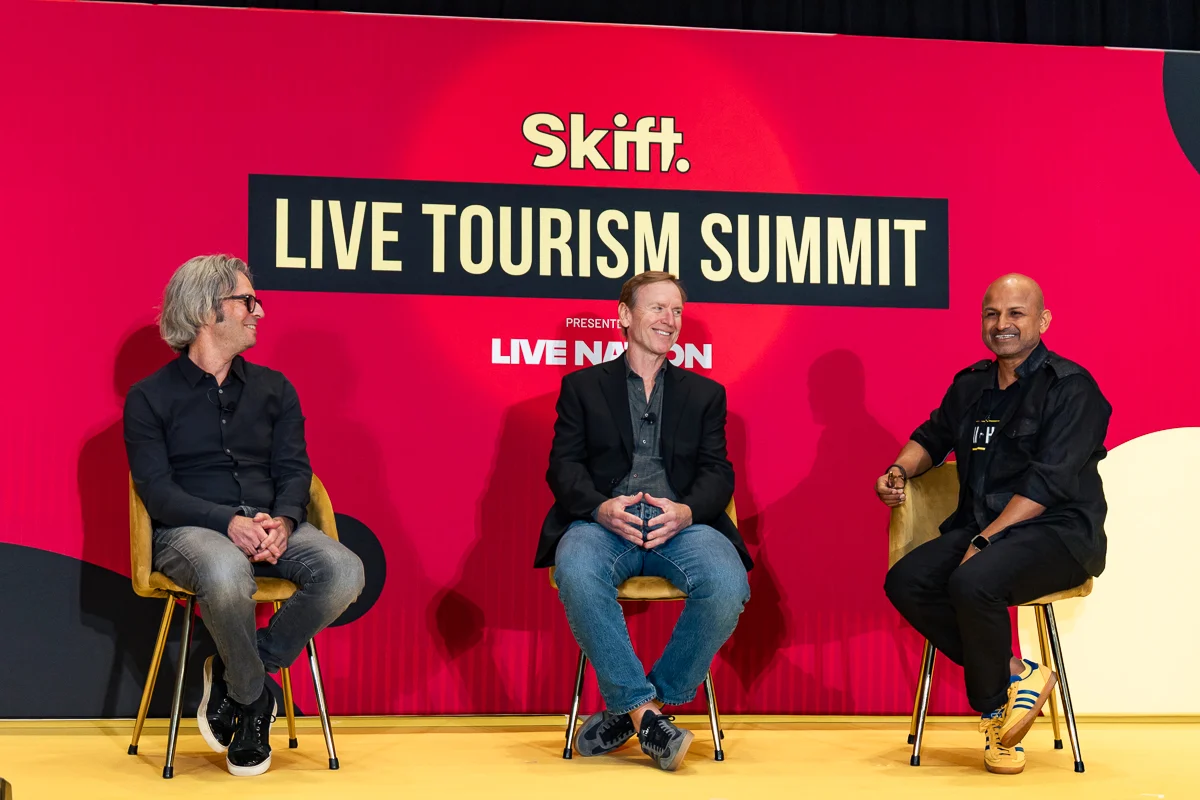
"From tour schedules to major sports tournaments, so much of the live tourism demand is already baked in for months and years to come," said Skift founder and CEO Rafat Ali. This "baked-in" demand represents a massive, often untapped, strategic advantage for travel providers. Companies producing concerts, sports, festivals, and other high-profile live events often secure their venues and schedules years in advance. They hold the keys to the future of travel demand, yet the travel industry—airlines, hospitality groups, and logistics providers—often remains reactive, scrambling to adjust capacity once the event dates become public knowledge.
The Live Tourism Summit recently brought these disparate worlds together, exploring a singular question: How can the tourism industry leverage the advanced visibility inherent in live entertainment to transform its business model?
Chronology of a Disconnect: The Evolution of Event-Driven Travel
To understand why the industry is pivoting, one must look at the timeline of how tourism and entertainment have historically interacted.
Phase 1: The Incidental Era (Pre-2010)
In the early days of modern tourism, large-scale events were treated as "bonuses" or "spikes." If the Olympics came to a city, it was a windfall, but it was not integrated into the core business strategy. Marketing budgets were focused on destination branding rather than event-specific packages.
Phase 2: The Festival Boom (2010–2019)
The rise of destination music festivals, such as Coachella, Tomorrowland, and Burning Man, began to change the narrative. Suddenly, the event was the destination. Travel companies began to see that people were willing to fly across continents not for the scenery, but for the experience. This forced a shift toward collaborative marketing, where promoters and tourism boards started working in tandem.
Phase 3: The "Eras Tour" Effect (2023–Present)
The post-pandemic era has ushered in the current phase. The explosive demand for live entertainment—compounded by the "revenge travel" phenomenon—has turned concerts and sporting events into economic engines of unprecedented power. We are now in an era where an artist’s tour schedule dictates regional airline demand more effectively than a traditional holiday season.
Supporting Data: The Economic Weight of Live Experiences
The numbers behind this shift are staggering. Research presented at recent industry summits highlights that event-goers spend significantly more than the average leisure traveler.
- Average Daily Spend (ADS): Studies indicate that fans attending international sporting events or major music tours have an ADS approximately 40% higher than traditional sun-and-sand tourists. This is attributed to the "experience premium"—the willingness to spend more on premium seating, proximity to the venue, and exclusive hospitality packages.
- The Halo Effect: It is not just the event venue that benefits. "Halo" spending—money spent in the destination’s bars, restaurants, and retail sectors—often exceeds the ticket price of the event itself.
- Advance Booking Windows: While traditional leisure travelers book flights and hotels 3 to 6 months in advance, live event tourists operate on a "trigger-based" timeline. The moment a concert date is announced, the booking window opens, often 12 to 18 months before the event date.
This data suggests that the travel industry’s failure to align with entertainment promoters is a missed opportunity for revenue optimization. By integrating with the event promoter’s timeline, travel companies could implement dynamic pricing and inventory management with much higher accuracy.
Official Perspectives: What Industry Leaders Are Saying
The sentiment among stakeholders is clear: the siloed approach to travel management is ending.
"We are moving from a world where we build a hotel and hope people visit the destination, to a world where we build a calendar of events and ensure the infrastructure is there to support the influx," says one major hotel group executive.
The industry is beginning to recognize that "Live Tourism" is not just a niche market; it is the new backbone of high-value tourism. Industry leaders are advocating for a "Co-Investment Model." In this framework, travel providers—such as airlines and hotel chains—would partner with tour promoters and sports leagues to fund venue infrastructure, transit solutions, and integrated loyalty programs.
"The goal is visibility," notes Rafat Ali. "If we know that a major global tour is hitting ten cities over the next two years, we should be building our travel inventory and loyalty incentives around those specific dates now, rather than waiting for the retail market to signal demand."
Implications: The Future of Destination Strategy
The shift toward Live Tourism has profound implications for how destinations are managed and marketed.
1. From Destination Marketing to Event Anchoring
Tourism boards are pivoting their strategies. Instead of promoting generic landmarks, they are bidding on "anchor events"—major concerts, sports finals, and cultural summits—that guarantee a surge in high-value visitors. This is a move toward "Event-First" destination development.
2. Infrastructure as a Service (IaaS)
The focus is shifting toward transport and accommodation flexibility. In cities that host regular mega-events, we are seeing the rise of "pop-up" logistics—temporary shuttle services, satellite hotel check-in kiosks, and event-specific hospitality zones. The ability to scale up and down quickly based on the entertainment calendar is becoming a competitive advantage.
3. The Personalization of the Fan Journey
Live Tourism allows for a level of personalization that traditional tourism struggles to achieve. When a traveler books a hotel for a specific concert, the hotel can customize the pre-arrival experience—offering shuttle services to the stadium, curated playlists, or exclusive pre-show dining options. This creates a "total experience" that builds deep brand loyalty.
4. Risk Mitigation and Yield Management
By moving away from purely weather-dependent demand, travel companies are diversifying their risk. A rainy summer in a resort town can be disastrous, but a series of high-profile indoor concerts can keep occupancy high regardless of the forecast. This provides a hedge against the unpredictability of climate-related travel shifts.
Conclusion: Bridging the Gap
The integration of live entertainment into the core of tourism strategy is no longer optional; it is an imperative. As we look toward the future, the companies that succeed will be those that effectively dissolve the barriers between the travel industry and the entertainment industry.
The "baked-in" demand that Rafat Ali refers to is a map for the future. By investing in recurring, long-term partnerships with promoters, sports organizations, and artists, the travel industry can stop guessing where the demand will be and start defining it. The calendar has changed; it is time for the industry to change with it. The next decade of tourism will not be defined by the seasons, but by the stage.
