


Air India stands at a pivotal crossroads. After four years of aggressive expansion, fleet modernization, and structural consolidation under the Tata Group, the carrier is shifting its strategic focus from sheer scale to operational excellence and sustainable profitability. As the airline prepares for a leadership transition, the appointment of industry veteran Tewolde Gebremariam as the incoming CEO and Managing Director signals a transition from the "rebuilding phase" to a "refining phase."
Main Facts: A Leadership Transition for a Global Giant
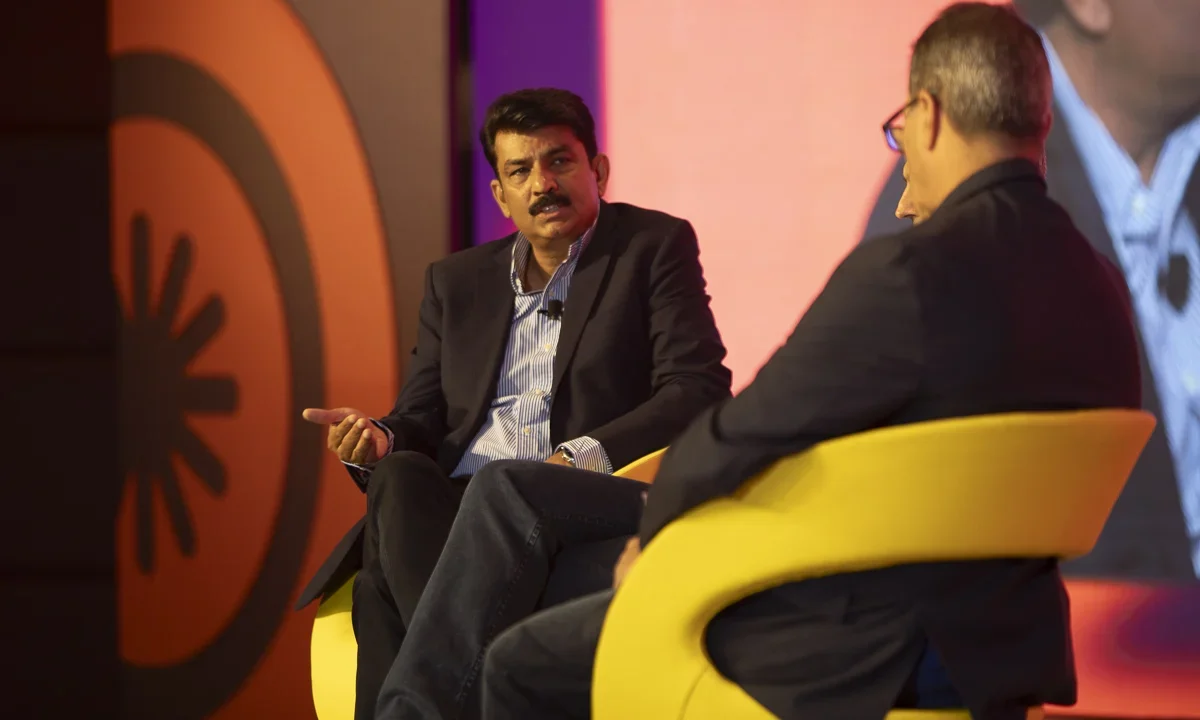
On Monday, Tewolde Gebremariam, the former long-time CEO of Ethiopian Airlines, addressed the workforce of Air India during a company-wide town hall. This appearance served as his introduction to the organization, though his formal assumption of the CEO and Managing Director roles remains contingent upon customary regulatory approvals.
In India, the appointment of a foreign national to lead an airline necessitates a rigorous vetting process by government authorities. This is a well-trodden path for the airline; Gebremariam’s predecessor, Campbell Wilson, navigated similar regulatory hurdles when he was tapped to lead the carrier in 2022.
Gebremariam inherits an airline that is fundamentally different from the one Wilson took over. While the last four years were defined by rapid growth—a massive aircraft order, the integration of Vistara, and significant technological upgrades—the mandate for the next era is clear: to ensure that the "bigger" airline is also a "better," more efficient, and ultimately more profitable one.
Chronology: The Rebirth Under Tata
To understand the weight of the task facing Gebremariam, one must look at the meteoric trajectory Air India has traveled since its privatization.
2021: The Return to the Tata Group
In October 2021, the Tata Group won the bid to acquire the loss-making state-run Air India. This marked a historic homecoming, as the airline was founded by J.R.D. Tata in 1932 before being nationalized in 1953. The acquisition, valued at approximately $2.4 billion, was seen as the first step in restoring the prestige of India’s flagship carrier.
2022: Leadership and Modernization
Campbell Wilson was brought on board as CEO, tasked with the "Vihaan.AI" transformation program. This five-year roadmap aimed to establish a world-class global airline with an Indian heart. During this period, the airline began addressing decades of deferred maintenance, upgrading cabin interiors, and overhauling its digital infrastructure.
2023: The Historic Aircraft Order
In early 2023, Air India shook the global aviation industry by placing a record-breaking order for 470 aircraft from Boeing and Airbus. The order—comprising a mix of narrow-body and wide-body jets—was designed to replace the aging fleet and facilitate a massive expansion of the airline’s international footprint.
2024: Consolidation and the Vistara Merger
The most complex phase of the transformation involved the consolidation of the Tata Group’s aviation assets. By merging Vistara (a joint venture between Tata and Singapore Airlines) into Air India, the group sought to eliminate redundancies and streamline the passenger experience. The integration of AirAsia India into Air India Express further solidified the group’s hold on the domestic low-cost market.
2025: The Arrival of Gebremariam
As of mid-2025, the airline has successfully scaled its operations. However, the financial burden of rapid expansion and the operational friction inherent in massive mergers have made "profitability" the new buzzword for the corner office.
Supporting Data: The Scale of the Challenge
The sheer scale of Air India’s current operation underscores why the leadership shift is so critical. The airline is currently juggling:
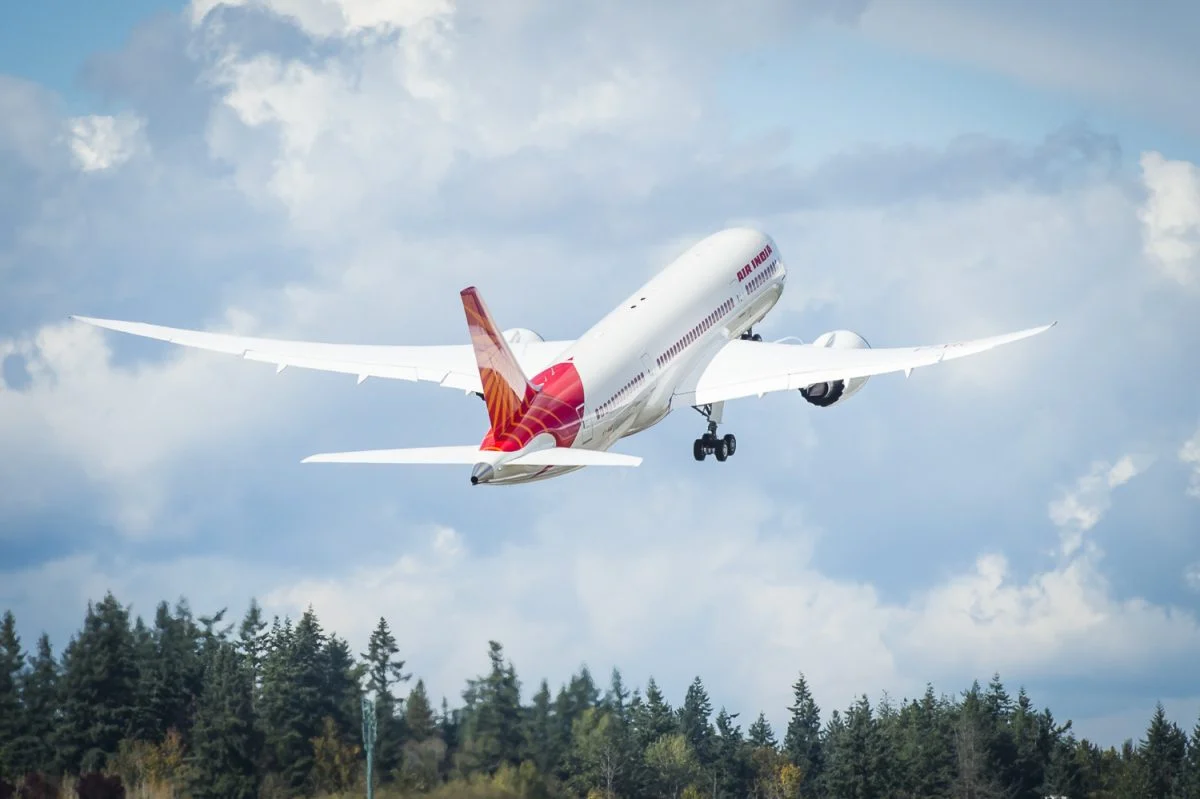
- Fleet Expansion: Air India is currently integrating a steady stream of A350s and 787 Dreamliners to bolster its long-haul capabilities. The complexity of managing multiple aircraft types while training crews and maintaining service consistency is an immense logistical undertaking.
- Market Share: Through the Vistara merger and the expansion of the Air India Express brand, the Tata Group now controls a dominant share of the Indian aviation market. However, market share is only half the battle; the cost per available seat kilometer (CASK) remains a primary metric that Gebremariam must optimize.
- Technology Debt: Decades of underinvestment under state ownership left the airline with fragmented IT systems. While the current management has made significant strides in deploying modern reservation systems and data analytics, the final integration of these systems across the merged entities remains an ongoing process.
The Gebremariam Factor: A Track Record of Success
Tewolde Gebremariam is widely credited with transforming Ethiopian Airlines into the most successful and profitable airline in Africa. During his tenure, he oversaw the expansion of the Addis Ababa hub into a major global transit point, effectively connecting Africa to the rest of the world.
Industry analysts suggest that Gebremariam’s expertise in building a "hub-and-spoke" model is precisely what the Tata Group needs. Air India has long struggled to compete with the likes of Emirates, Qatar Airways, and Singapore Airlines for long-haul connecting traffic. By leveraging India’s geographic location, Gebremariam is expected to focus on turning the airline into a premier conduit for international travel, rather than just a point-to-point operator for the Indian diaspora.
Official Responses and Internal Outlook
During the town hall, employees reported a sense of cautious optimism. While the staff is exhausted from the "transformation fatigue" caused by the rapid succession of mergers and operational shifts, there is a general consensus that the airline needed someone with deep operational experience to steer it toward profitability.
A spokesperson for the Tata Group noted: "The appointment of Mr. Gebremariam is a strategic move to build upon the strong foundation laid by Campbell Wilson. We remain committed to the vision of making Air India a world-class carrier. The focus now is on operational excellence, customer-centricity, and financial sustainability."
Internally, the leadership has emphasized that the "expansion phase" is largely behind them. The current directive is to "stabilize and optimize." This means trimming unprofitable routes, refining the loyalty program to capture high-value travelers, and ensuring that the service levels on the newly inducted aircraft are consistent with the premium brand image Tata is trying to cultivate.
Implications: What This Means for the Future
1. The Global Competitive Landscape
If Gebremariam succeeds, Air India will become a formidable competitor to the Gulf carriers. By tapping into the massive Indian market and using the carrier’s vast fleet to create efficient transit hubs, Air India could disrupt the current hegemony of Middle Eastern airlines in the Europe-to-Asia transit market.
2. Operational Discipline
The transition from "growth at all costs" to "profitable growth" will likely result in a more disciplined approach to capacity management. Investors and stakeholders will be watching to see if the airline can balance the high debt load from its aircraft acquisitions with the revenue generated from its premium service offerings.
3. Customer Experience
For the passenger, the next few years may see a greater focus on the "soft product." While the "hard product" (the seats and planes) has been addressed, the "soft product" (service, punctuality, and ground handling) remains the primary differentiator in a crowded market. Gebremariam’s reputation for service-oriented leadership suggests that these areas will receive increased attention.
4. Regulatory and Cultural Integration
The success of the Vistara merger is still being tested in the court of public opinion. Merging the corporate cultures of a legacy airline, a full-service premium joint venture, and a low-cost carrier is a gargantuan task. Gebremariam will need to act as a cultural architect to ensure that the "Air India" brand identity is unified and coherent.
Conclusion
The appointment of Tewolde Gebremariam is not merely a change in the executive suite; it is a signal that the Tata Group is moving into the final, most difficult phase of its aviation strategy. The airline has been "saved" from its former state and "grown" into a national powerhouse. Now, the challenge is to make it a world-class profit-generating engine.
As the industry looks on, the focus will remain on whether the new CEO can instill the same operational rigor that defined his tenure in Africa. The foundations have been laid—the planes are ordered, the mergers are largely complete, and the vision is set. The true test for the new leadership will be whether they can transform that potential into a sustainable competitive advantage in one of the most challenging industries on earth.
