

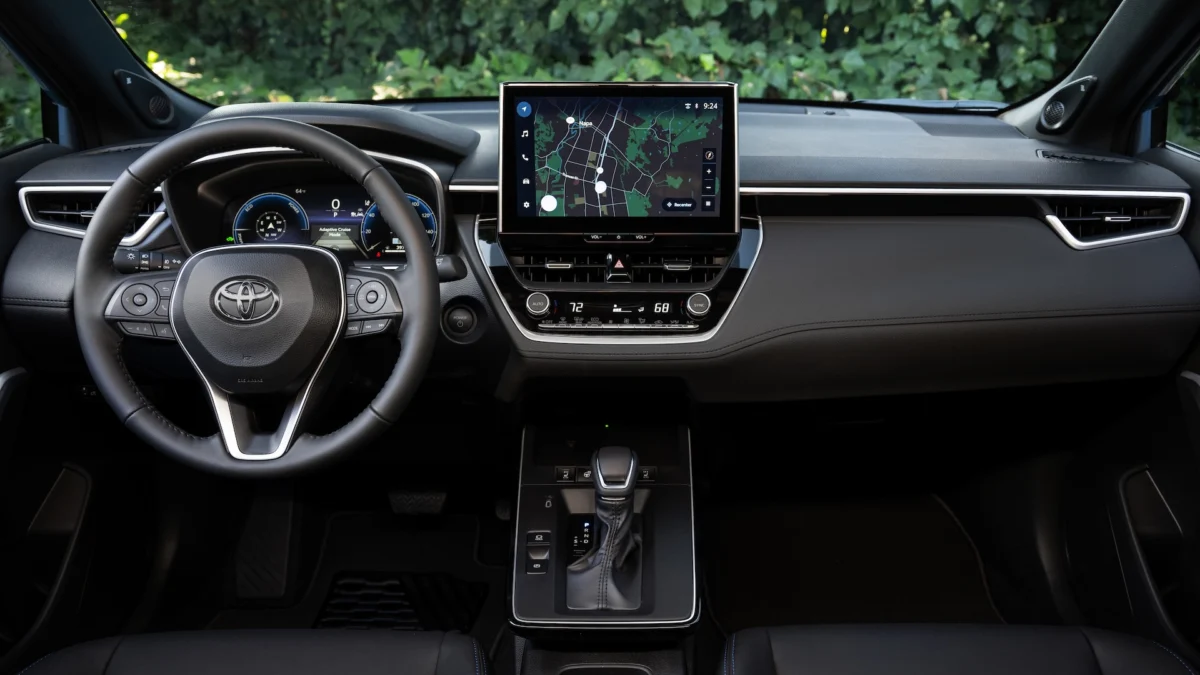


In the modern era, the automobile has transitioned from a mechanical tool for transportation into a sophisticated, rolling data center. Much like the smartphones in our pockets or the smart appliances in our kitchens, contemporary vehicles are perpetually connected to the internet, harvesting vast troves of personal information under the guise of "convenience" and "safety." However, a groundbreaking new study by researchers at Northeastern University, conducted in partnership with Consumer Reports, has peeled back the curtain on this digital ecosystem, revealing that the privacy trade-offs we make when driving are far more extensive—and more invasive—than most consumers realize.
The Reality of the Connected Vehicle
For the better part of a decade, automotive manufacturers have been aggressively integrating telematics, infotainment systems, and mobile app connectivity into their lineups. Features such as remote start, real-time traffic updates, and emergency roadside assistance have become standard selling points. Yet, these features act as a double-edged sword. To function, they require a constant stream of telemetry and personal data flowing between the vehicle and the manufacturer’s servers.
The Northeastern University study highlights a disturbing trend: the data being collected often extends well beyond what is necessary for vehicle operation. Your driving habits, location history, and even personal details unrelated to the operation of the car are being captured, processed, and, most alarmingly, shared with an expansive network of third parties, including data brokers, insurance companies, and advertisers.
Chronology: The Evolution of Automotive Surveillance
To understand how we arrived at this state of pervasive monitoring, one must look at the evolution of automotive technology over the last twenty years:
- The Early 2000s (The OnStar Era): The early implementation of cellular connectivity in cars was limited primarily to safety services like GM’s OnStar. At this stage, data collection was rudimentary and focused on crash notification and stolen vehicle recovery.
- The 2010s (The Smartphone Integration Phase): As Bluetooth and proprietary infotainment systems became standard, manufacturers began to emphasize "connectivity." This allowed cars to sync with smartphones, creating a bridge that allowed manufacturers to tap into contact lists, call logs, and location data.
- The 2020s (The Data Monetization Era): With the rise of high-speed 5G connectivity and subscription-based service models, automakers realized that the data generated by their fleets was a goldmine. The focus shifted from merely improving the driving experience to "monetizing the driver." Today, the vehicle is essentially a platform for data harvesting, where the owner is no longer just a customer—they are a data point.
Supporting Data: What the Northeastern Study Found
The study, titled "Automatic Transmission: An Analysis of Data Collection and Privacy Practices in Modern Vehicles," is a damning indictment of current industry standards. Researchers analyzed 21 vehicles from 19 different brands, alongside 30 companion mobile applications. The scope of their investigation revealed several critical areas of concern:
1. Pervasive Data Harvesting
The researchers found that the data collection mechanisms are often "opt-out" by design. Many vehicles initiate data transmission the moment the driver enters the cabin. This includes GPS location history, speed, braking patterns, and even audio data from voice recognition systems.
2. The "Third-Party" Problem
Perhaps the most concerning finding is the extent of data sharing. The study indicates that automakers frequently transmit this information to third-party entities. These entities include marketing firms that use the data to build consumer profiles, and even insurance companies that may adjust premiums based on driving behavior—often without the driver’s explicit, informed consent.
3. App-Based Insecurity
The companion mobile apps—designed to allow owners to lock doors or check fuel levels—were found to be major privacy liabilities. Many of these apps request permissions far beyond their functional requirements. In several cases, apps were found to be collecting contact lists and location data even when the vehicle was parked and the app was not in active use.
4. The Illusion of Choice
The researchers noted that for most modern vehicles, "opting out" of data collection is functionally impossible. If a consumer chooses to disable telematics to protect their privacy, they often lose access to core features of the vehicle, such as navigation, safety monitoring, or even basic remote functionality. This creates a coercive environment where consumers must choose between modern convenience and digital anonymity.
The Vehicles Under the Microscope
The study examined a diverse cross-section of the automotive market, ensuring that the findings were not limited to a single luxury brand or economy manufacturer. The vehicles involved in the study included:
- Acura (RDX)
- Audi (Q4 e-tron)
- BMW (X5)
- Buick (Envision)
- Chevrolet (Silverado)
- Chrysler (Pacifica)
- Dodge (Durango)
- Ford (F-150)
- GMC (Sierra)
- Honda (CR-V)
- Hyundai (Ioniq 5)
- Jeep (Grand Cherokee)
- Kia (Telluride)
- Lexus (NX)
- Mazda (CX-5)
- Nissan (Rogue)
- Subaru (Outback)
- Tesla (Model 3)
- Toyota (Corolla Cross)
- Volkswagen (Atlas)
- Volvo (XC40)
Official Industry Responses
Following the publication of the report, the automotive industry response has been largely defensive. Most manufacturers, when reached for comment, cited their "privacy policies" as evidence of compliance with existing regulations.
The Alliance for Automotive Innovation, a trade group representing major manufacturers, issued a statement emphasizing that data is used primarily to "improve vehicle safety and reliability." They argue that the data collection is essential for the future of autonomous driving and smart-city infrastructure. However, the report’s authors point out that these vague justifications do little to address the lack of transparency regarding how long data is stored and who exactly has access to it.
The Implications: Why Should You Care?
The implications of this study are profound, touching on legal, ethical, and personal security fronts.
The Erosion of Privacy
When your car tracks where you go, how fast you drive, and who you talk to via your connected phone, it effectively creates a surveillance record of your daily life. This information could be subpoenaed by law enforcement, sold to advertisers, or used by insurance companies to deny coverage.
Cybersecurity Vulnerabilities
The more data a vehicle collects and transmits, the larger its "attack surface" becomes. Hackers have already demonstrated the ability to remotely disable vehicle functions, track locations, and even unlock doors. By aggregating vast amounts of sensitive information, automakers are creating high-value targets for cyber-criminals.
The Regulatory Gap
Currently, the automotive industry exists in a regulatory "gray zone." While there are strict protections for healthcare and financial data, automotive data is significantly less regulated. As the Northeastern researchers suggest, we are in desperate need of federal legislation that mandates data minimization—the principle that companies should only collect the data absolutely necessary for a service to function.
Conclusion: A Call to Action
The Northeastern University study is a wake-up call for the motoring public. We have allowed the convenience of connected technology to outpace our understanding of the privacy costs. As we move toward a future of increasingly "intelligent" vehicles, the conversation must shift from what these cars can do, to what they should be allowed to track.
Consumers are encouraged to review the privacy settings in their vehicle’s infotainment system and check the permissions of any companion apps installed on their smartphones. While it may not be possible to eliminate tracking entirely, being aware of the data you are leaking is the first step toward reclaiming your digital autonomy in an increasingly connected world.
For now, the steering wheel remains in the hands of the driver, but the data—the real engine of the modern automotive industry—is firmly in the hands of the manufacturers. It is time for a transparent, consumer-first approach to automotive privacy.
