


The automotive industry stands at a critical juncture. As global mandates for carbon neutrality tighten and consumer demand for long-range electric vehicles (EVs) intensifies, manufacturers are facing the “weight penalty” dilemma. Batteries, while essential for range, add significant mass, which in turn demands more energy to move, creating a cycle of diminishing returns. However, a groundbreaking joint study presented by Stellantis and the industry consortium Alumobility at the prestigious EuroCarBody 2026 conference in Germany suggests a paradigm shift: an aluminium-intensive vehicle architecture that could fundamentally reshape the electric mobility landscape.
Main Facts: A New Blueprint for EV Architecture
The study, which utilized the Stellantis STLA Medium platform as its primary reference point, sought to quantify the efficacy of replacing traditional, steel-intensive architectures with a design optimized for aluminium. The results were not merely incremental; they were transformative.
At the heart of the research was the "body-in-white" (BIW)—the chassis structure before the engine, transmission, and interior components are installed. By engineering the structure primarily through aluminium components, the research team achieved a staggering 41% reduction in BIW mass, dropping from 652 kilograms to just 405 kilograms.
The implications of this reduction go far beyond the skeleton of the vehicle. By reducing the load-bearing requirements of the car, the study found that the total vehicle mass could be slashed by approximately 20%, resulting in a net weight saving of 421 kilograms. This mass reduction creates a cascading effect of efficiency improvements, allowing for the optimization of secondary systems such as braking, suspension, and the electric drive motor, all of which can be downsized without compromising the vehicle’s performance or safety profile.
Chronology: The Road to EuroCarBody 2026
The collaboration between Stellantis and Alumobility did not occur in a vacuum; it was the culmination of years of engineering simulation and material science validation.
- Early 2025: The project was initiated to address the growing concern regarding EV curb weight and its impact on energy consumption. Stellantis provided the engineering baseline using their STLA Medium platform, a core architecture designed for modularity across various segments.
- Late 2025: Alumobility, a non-profit organization focused on promoting the use of aluminium in automotive design, contributed proprietary research on high-strength aluminium alloys and structural bonding techniques.
- Q1-Q2 2026: The simulation phase utilized advanced Computer-Aided Engineering (CAE) tools to model the performance of the aluminium-intensive design under crash scenarios, ensuring that structural integrity was not sacrificed for weight savings.
- October 2026: The final findings were formalized and prepared for presentation.
- October 2026 (EuroCarBody Conference): The study was officially unveiled to the global automotive engineering community in Germany, setting a new benchmark for how manufacturers might approach the next generation of EV development.
Supporting Data: Quantifying the Aluminium Advantage
The data presented at EuroCarBody 2026 provides a compelling argument for a transition in material strategy. The benefits identified by the study can be categorized into three main pillars: mass reduction, energy efficiency, and structural optimization.
Mass Reduction and Secondary Effects
The primary reduction of 247 kilograms in the body structure is the "anchor" of the study. However, the secondary effects are where the true engineering genius lies. By removing 421 kilograms of total weight, the engineers were able to demonstrate that the vehicle requires less power to achieve the same acceleration profiles. This reduction allows for a smaller, lighter braking system, as there is less kinetic energy to dissipate, and a more streamlined suspension setup, as the sprung weight of the vehicle is significantly lower.
Energy Consumption and Battery Capacity
Perhaps the most critical takeaway for the consumer and the manufacturer is the potential for battery optimization. The study found that with the reduced weight, the energy consumption of the vehicle dropped from 140 watt-hours per kilometre (Wh/km) to 122 Wh/km. This 12.8% increase in energy efficiency allows manufacturers to achieve the same driving range with a 15% smaller battery pack.
Structural Efficiency and Complexity
Beyond weight, the study focused on manufacturing complexity. The aluminium-intensive design resulted in a 27% reduction in total body structure part counts. Fewer parts translate to a more efficient assembly process, lower tooling costs, and a simplified supply chain. Most importantly, the researchers confirmed that this reduction in complexity did not come at the expense of safety; the design met or exceeded all required crash-performance targets, proving that light does not mean fragile.
Official Responses: Insights from the Engineering Frontline
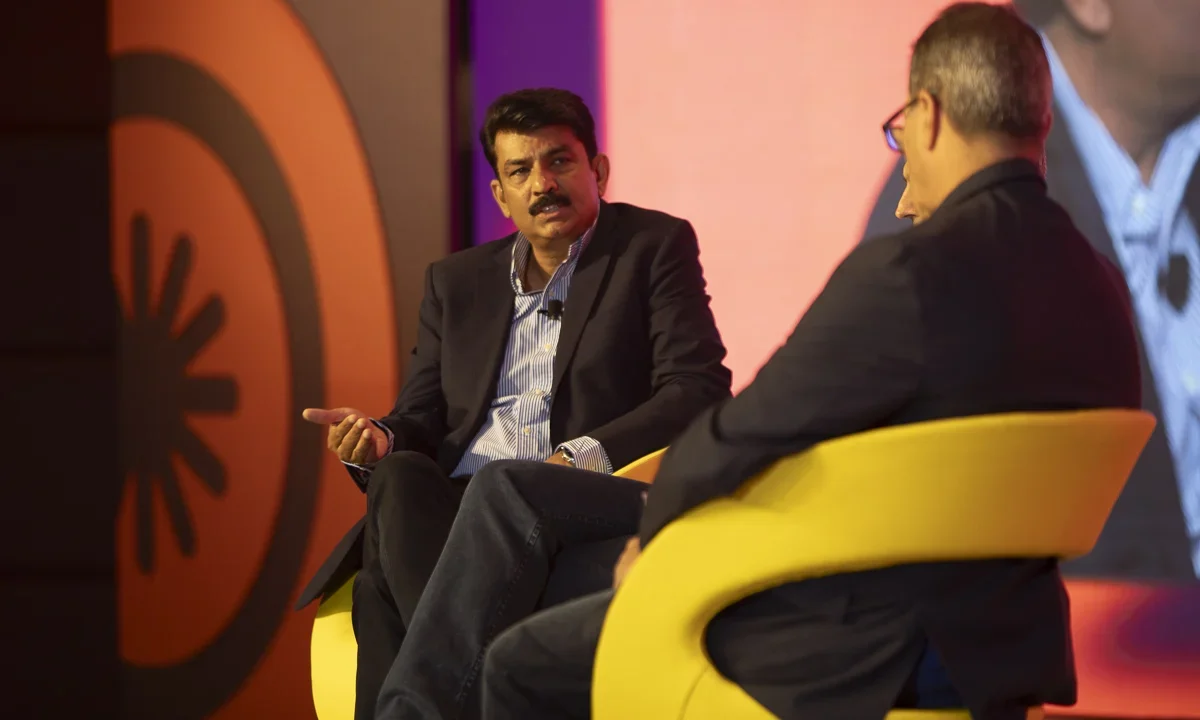
The findings have sent ripples through the automotive engineering community. Christophe Patois, the Senior Vice-President and Global Head of Body, Safety, and Quality at Stellantis, emphasized that the study provides a roadmap for the future of vehicle design.
"The study shows that the greatest value of lightweighting is not limited to the mass removed from the body structure," Patois noted during the conference. "It is about the holistic impact on the vehicle. When you remove weight, you unlock the ability to downsize the battery, the motor, and the chassis components, which leads to a leaner, more efficient, and more sustainable vehicle design."
Alumobility’s representatives underscored that the study effectively debunked the myth that aluminium-intensive vehicles are significantly more expensive or difficult to produce at scale. By leveraging current advancements in joining technologies—such as structural adhesives and friction stir welding—manufacturers can achieve these weight savings while maintaining the high-volume production speeds required in the automotive sector.
Implications: The Future of Electric Mobility
The Stellantis and Alumobility study signals a shift in the "battery race." For the past decade, the industry has been obsessed with increasing battery energy density to extend range. This study suggests an alternative, and potentially more sustainable, path: decreasing the energy demand of the vehicle itself.
Impact on EV Accessibility
If manufacturers can achieve the same range with 15% less battery capacity, the impact on vehicle pricing could be profound. Batteries remain the most expensive component of an electric vehicle. By reducing the battery size required for a 400-kilometre range, manufacturers can either lower the retail price of the vehicle to increase adoption or maintain the price point while increasing profit margins.
Sustainability and Lifecycle Analysis
From a sustainability perspective, the benefits are two-fold. First, the reduction in battery size means less reliance on raw materials like lithium, cobalt, and nickel, which are associated with significant environmental and ethical challenges in extraction. Second, the use of aluminium—a highly recyclable material—enhances the circular economy profile of the vehicle. An aluminium-intensive vehicle is, at the end of its life, more valuable to the recycling stream than a complex multi-material mix.
The Competitive Landscape
This study places pressure on competitors to re-evaluate their reliance on steel-dominant architectures. As Stellantis integrates these findings into future iterations of the STLA platforms, other OEMs will likely be forced to accelerate their own lightweighting research to remain competitive in terms of efficiency, range, and manufacturing costs.
Conclusion: A New Standard for Design
The joint study by Stellantis and Alumobility is a landmark moment for the automotive industry. It proves that the limitations currently faced by EV manufacturers—namely weight and range—are not insurmountable physical barriers but engineering challenges that can be solved through advanced material science and holistic design.
As the industry moves toward 2030 and beyond, the "aluminium-intensive" approach may well become the gold standard. By rethinking how we build cars from the ground up, we are not just making them lighter; we are making them smarter, more efficient, and more sustainable. The results presented at EuroCarBody 2026 serve as a clear directive: the future of the electric vehicle is not just in the battery, but in the efficiency of the body that carries it.
