





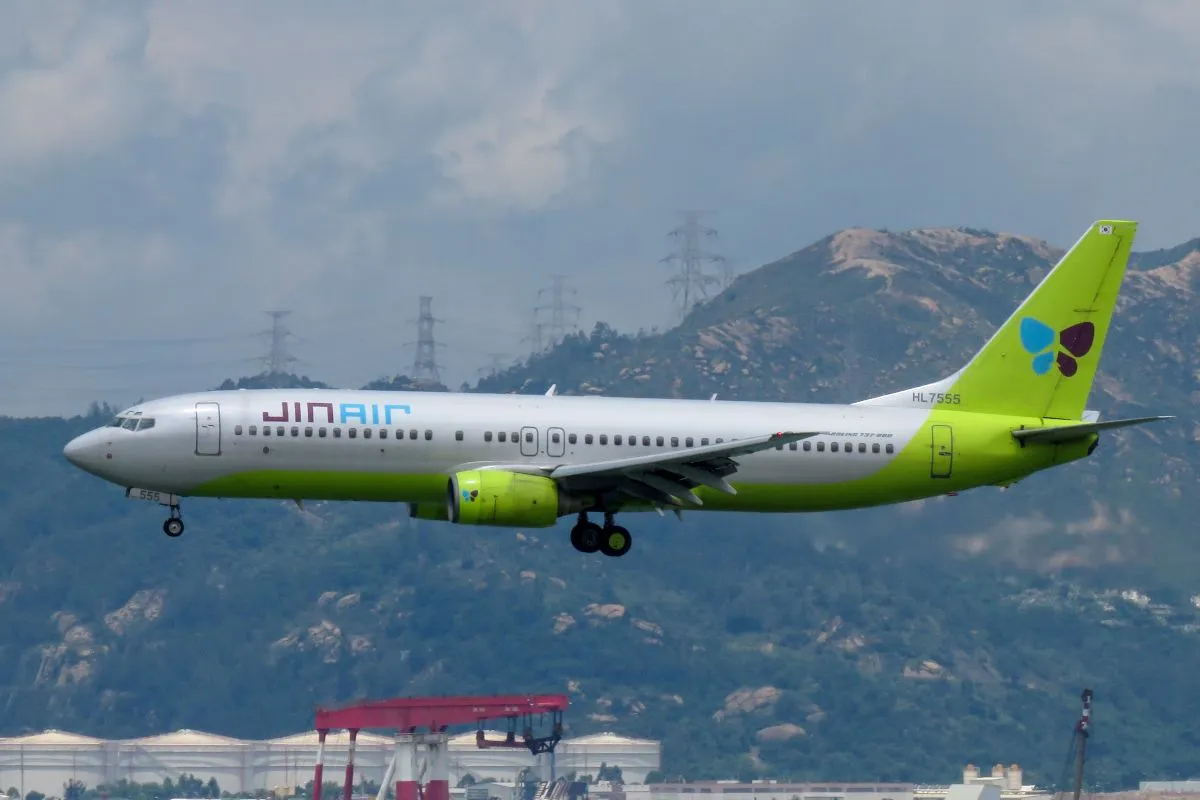
The landscape of South Korean aviation is undergoing a seismic shift, one that promises to reshape the competitive dynamics of the Asia-Pacific skies. In a move that signals the end of a long-standing era of fragmentation, three of the country’s most prominent low-cost carriers (LCCs)—Jin Air, Air Busan, and Air Seoul—have officially agreed to merge into a single, powerhouse entity. This unified carrier will retain the Jin Air brand, effectively creating the largest low-cost airline in South Korea by fleet size and market influence.
The consolidation, which has been anticipated by industry analysts for years, represents the final stage of a massive structural realignment following the long-gestating acquisition of Asiana Airlines by Korean Air. As these three budget carriers prepare to integrate their operations, the South Korean travel market stands on the precipice of a new era defined by economies of scale, streamlined networks, and aggressive competition.
Main Facts: The Anatomy of a Mega-Merger
The merger agreement, which was formally signed by the boards of all three airlines this past Friday, serves as the cornerstone of a strategy to optimize the Hanjin Group’s aviation portfolio. By consolidating Jin Air (a subsidiary of Korean Air) with Air Busan and Air Seoul (the low-cost subsidiaries of the soon-to-be-absorbed Asiana Airlines), the Hanjin Group is effectively eliminating redundant competition within its own ecosystem.
Key Data Points:
- Unified Brand: All operations will move under the Jin Air banner.
- Operational Launch Date: March 17, 2027 (pending final regulatory and shareholder approval).
- Total Fleet: The new entity will command a fleet of 58 aircraft, positioning it as the undisputed leader in the domestic and regional LCC market.
- Strategic Objective: To eliminate operational inefficiencies, harmonize regional hubs, and create a single, cohesive customer experience across previously disparate networks.
The transaction is not merely a branding exercise; it is an integration of complex logistical networks. Jin Air, currently the flag-carrier subsidiary, has historically focused on a blend of domestic and international routes, while Air Busan has dominated the southern regional market centered around Gimhae International Airport. Air Seoul, meanwhile, has served as a specialized carrier for short-haul international routes. Integrating these three unique corporate cultures and operational footprints will be the primary challenge for the executive teams in the coming months.
Chronology: The Road to Consolidation
The journey toward this merger is inseparable from the broader narrative of the Korean Air-Asiana Airlines marriage. To understand why these three airlines are merging now, one must look at the timeline of the Hanjin Group’s expansion.
December 2024: The Catalyst
The catalyst for this entire restructuring was the formal acquisition of a majority stake in Asiana Airlines by Hanjin Group, the parent company of Korean Air. This acquisition was one of the most scrutinized airline deals in global history, facing rigorous antitrust investigations from regulators in the United States, the European Union, and South Korea. To secure these approvals, Korean Air made significant concessions, including the divestment of certain cargo routes and the restructuring of its low-cost subsidiaries.
2025–2026: The Integration Phase
Following the December 2024 acquisition, the industry entered a period of transition. During this time, the parent companies began auditing the operational viability of their LCC units. It became increasingly clear that maintaining three separate budget brands was fiscally unsustainable in an era of rising fuel costs and tightening margins. Throughout 2026, internal working groups were established to map out the legal and technical requirements for a three-way merger.
December 17, 2026: The Corporate Realignment
The formal merger of the parent companies (Korean Air and Asiana) is scheduled to take effect on December 17, 2026. This date serves as the legal bedrock upon which the LCC merger is built. With the parent companies unified, the bureaucratic barriers to merging the subsidiaries were removed.
March 17, 2027: The Operational "Go-Live"
If shareholders and regulatory bodies give their final green light, March 17, 2027, will mark the first day of operations for the "new" Jin Air. This date will see the harmonization of flight schedules, the consolidation of frequent flyer programs, and the initial rebranding of the aircraft livery.
Supporting Data: Why Size Matters
In the low-cost carrier market, survival is predicated on "unit cost." By aggregating 58 aircraft, the new Jin Air achieves a level of purchasing power and operational leverage that none of the three could achieve individually.
Fleet Synergies
The current fleet composition of the three airlines presents a diverse mix of Boeing and Airbus narrow-body aircraft. Part of the post-merger strategy will involve the eventual rationalization of this fleet. A unified fleet allows for:
- Simplified Maintenance: Reducing the number of engine types and spare parts inventories.
- Unified Crew Training: Pilots and flight attendants will eventually be cross-trained, allowing for greater staffing flexibility.
- Negotiating Power: Larger fleet orders provide significantly higher leverage when dealing with manufacturers like Boeing and Airbus, potentially reducing the per-unit cost of future acquisitions.
Network Efficiency
Currently, the three carriers operate a mixture of overlapping and complementary routes. The new Jin Air will likely shed low-performing domestic routes that previously saw "cannibalization" between the three sister airlines. Instead, the carrier is expected to pivot toward more lucrative regional international routes, particularly to Japan, China, and Southeast Asia, where demand for budget-friendly travel remains robust.
Official Responses: Navigating Regulatory Scrutiny
The merger has been met with a mix of cautious optimism and intense scrutiny. According to reports from the Korea Herald, the boards of directors have expressed confidence that the deal will provide long-term value to shareholders.
"This consolidation is a strategic necessity to ensure the long-term sustainability of our low-cost operations," a spokesperson for the Hanjin Group noted. "By combining our resources, we are creating a more resilient airline that can compete effectively on a global stage, while maintaining the high safety standards that our passengers expect."
However, the regulatory path is not without its obstacles. The South Korean Fair Trade Commission (KFTC) has previously expressed concerns regarding market concentration. Because the new Jin Air will hold such a significant share of the domestic market, the regulator is expected to impose conditions to prevent monopolistic pricing. These conditions may include the mandatory relinquishment of specific landing slots or gates at congested hubs like Gimhae or Incheon, allowing smaller independent LCCs to compete on key routes.
Labor unions at the three carriers have also expressed apprehension. The integration of three distinct corporate cultures carries the risk of internal friction, particularly concerning seniority lists, pay scales, and collective bargaining agreements. Management has pledged to engage in "transparent and ongoing dialogue" with union leaders to ensure a smooth transition for the thousands of employees affected.
Implications: A New Era for the Passenger
What does this mean for the average traveler? In the immediate term, the transition is expected to be seamless. However, the medium-to-long-term implications are significant.
1. Competitive Dynamics
The emergence of a single, dominant budget carrier will likely force smaller, independent low-cost airlines—such as Jeju Air or T’way Air—to reconsider their own growth strategies. We may see a wave of further consolidation in the South Korean market as smaller players look for partners to survive against the scale of the new Jin Air.
2. Pricing Power
While the industry argues that consolidation reduces costs and thus keeps fares low, critics fear that the reduction in competition on domestic trunk routes could lead to upward pressure on ticket prices. The KFTC’s role will be to monitor these routes closely to ensure that the merger does not lead to "price gouging" in regions where the new Jin Air has a virtual monopoly.
3. Service Quality and Connectivity
One major benefit for passengers is the promise of a more integrated network. The merger will allow for easier transfers between flights previously operated by different carriers, as well as the unification of digital platforms. Travelers can expect a more robust mobile app, a unified loyalty program, and a standardized cabin experience that, while budget-oriented, will benefit from the operational maturity of the larger Hanjin Group.
4. The Regional Hub Strategy
The merger will be a significant test of regional connectivity. Air Busan has long been the lifeblood of the Busan metropolitan area’s connectivity to the rest of Asia. There is a palpable fear among local stakeholders in the southern region that the "Seoul-centric" nature of the new Jin Air could result in a dilution of focus on Gimhae International Airport. How the airline manages these regional interests will be a key performance indicator for the merger’s success.
Conclusion: The Path Forward
The merger of Jin Air, Air Busan, and Air Seoul is more than just a corporate restructuring; it is a fundamental reconfiguration of South Korea’s aviation identity. As the industry moves toward March 17, 2027, the focus will shift from the boardroom to the tarmac. The success of this endeavor will depend on how effectively the Hanjin Group can integrate three disparate operations while maintaining the agility that defines a successful low-cost carrier.
In a global aviation market that increasingly favors scale, South Korea is opting for a "national champion" model in the low-cost sector. Whether this creates a more efficient, passenger-friendly airline or leads to a lack of choice for the consumer remains to be seen. For now, the industry watches with bated breath, waiting to see if this new Jin Air can truly soar above the challenges of integration and set a new standard for budget travel in the Pacific.
