





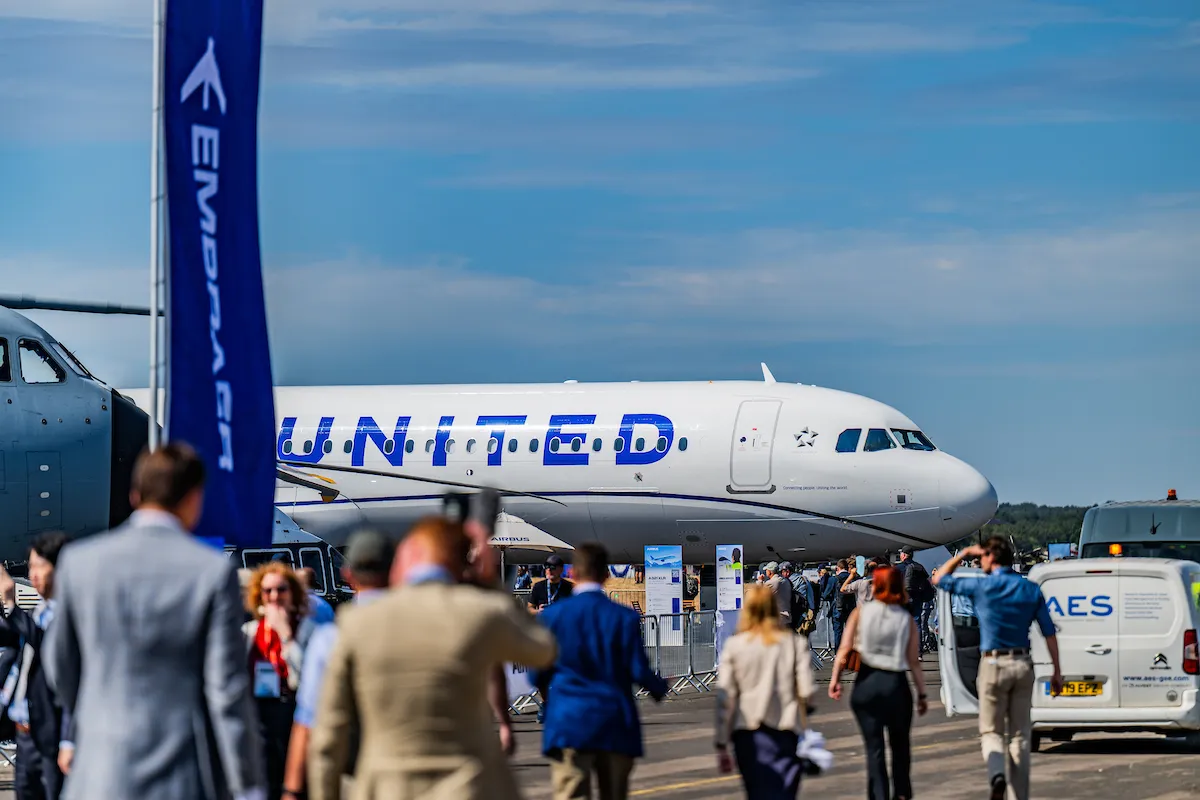
In an aggressive maneuver to capture the growing segment of affluent, experience-seeking travelers, United Airlines has announced the most significant international network expansion in its history. Starting in the spring of 2027, the Chicago-based carrier will introduce a slate of non-stop routes connecting major U.S. hubs to a collection of "off-the-beaten-path" destinations across Europe and Asia.
This move marks a definitive shift in United’s long-term strategy. By moving beyond the traditional high-traffic corridors of London, Paris, and Tokyo, United is betting that the modern premium traveler is no longer satisfied with the standard "bucket list" cities. Instead, the airline is pivoting toward secondary markets that offer cultural richness, exclusivity, and untapped tourism potential.
Main Facts: The New Global Map
The expansion, which begins in earnest on March 27, 2027, focuses heavily on United’s Newark (EWR) hub—the airline’s primary gateway to the Atlantic—while also bolstering its West Coast presence in San Francisco (SFO) and its capital-region hub at Washington Dulles (IAD).
The 2027 Route Rollout:
- San Francisco (SFO) to Okinawa, Japan: Launching March 27, 2027. This route bridges the gap between the U.S. West Coast and one of Japan’s most sought-after island retreats.
- Washington Dulles (IAD) to Toulouse, France: Launching April 26, 2027. A strategic link to the heart of the French aerospace and cultural corridor.
- Newark (EWR) to Luxembourg: Launching April 2, 2027. Connecting a major financial hub with direct transatlantic access.
- Newark (EWR) to Ljubljana, Slovenia: Launching May 12, 2027. A rare, direct connection to the emerging alpine and Mediterranean crossroads of Central Europe.
- Newark (EWR) to Olbia (Sardinia), Italy: Launching May 27, 2027. Providing direct access to the luxury yachting and beach culture of Northern Sardinia.
- Newark (EWR) to Ibiza, Spain: Launching May 31, 2027. Catering to the high-end leisure market of the Balearic Islands.
- Newark (EWR) to Valencia, Spain: Launching June 2, 2027. Tapping into Spain’s vibrant Mediterranean coast.
- Newark (EWR) to Marseille, France: Launching June 4, 2027. Connecting the U.S. to the historic Provençal gateway.
- Newark (EWR) to Terceira, Portugal: Launching June 8, 2027. An expansion into the stunning, rugged landscape of the Azores.
- Newark (EWR) to Catania (Sicily), Italy: Launching June 10, 2027. A direct route to the base of Mount Etna and the heart of Sicilian tourism.
Chronology: The Road to 2027
The roadmap to this expansion did not happen overnight. It is the culmination of years of fleet modernization and data-driven market analysis.
Phase 1: Fleet Readiness (2024–2025)
United spent the last 24 months aggressively taking delivery of long-range, narrow-body aircraft, specifically the Airbus A321XLR and Boeing 787 Dreamliners. These aircraft are essential for the "long-thin" route strategy—flights that are long in distance but require smaller, more fuel-efficient planes than the traditional jumbo jets of the past.
Phase 2: Data Mining and Premium Segmentation (2026)
Throughout 2026, United’s revenue management teams identified a surge in "premium leisure" bookings. Travelers were increasingly spending more on Polaris business-class seats, not just for corporate travel, but for luxury vacations. The airline analyzed search trends, visa data, and high-net-worth migration patterns to identify the specific European and Asian markets that lacked direct U.S. connectivity.
Phase 3: The Announcement and Implementation (Q1 2027)
With the official announcement in early 2027, the airline moved to secure slots at international airports. The schedule was specifically designed to ensure that the Newark hub acts as a "funnel," allowing passengers from across the United States to connect seamlessly to these new, boutique European destinations.
Supporting Data: Why "Unique" Equals "Profitable"
The logic behind this expansion is rooted in changing consumer behavior. Industry analysts note that the post-pandemic traveler is more discerning.
- Premium Demand: According to recent market reports, the demand for premium-cabin travel has remained resilient despite economic fluctuations. United’s Polaris product has become a profit engine for the airline, and by flying to high-end destinations like Ibiza or Sardinia, United ensures that the cabins remain filled with passengers willing to pay a premium for convenience.
- Market Saturation: Major hubs like London Heathrow and Paris Charles de Gaulle are reaching capacity constraints and high landing fees. By opening routes to cities like Ljubljana or Toulouse, United negotiates better ground-handling agreements and faces significantly less competition from legacy flag carriers.
- Seasonal Revenue: These new routes are timed to capture the peak summer travel window. By concentrating the majority of these launches in May and June, United is maximizing yield during the months when demand for Mediterranean and European travel is at its absolute zenith.
Official Responses: The Corporate Vision
United Airlines leadership has framed this expansion not as a gamble, but as a calculated evolution of their "United Next" growth plan.
"We are fundamentally changing the geography of our international network," said a United spokesperson. "For years, travelers have been forced to take connecting flights through major hubs just to reach the most beautiful parts of the world. We are removing that friction. We are listening to our customers who want to see the world, but want to see it in comfort, starting from the moment they step onto our aircraft."
Aviation analysts have responded with cautious optimism. "What United is doing here is high-stakes," says industry consultant Marcus Thorne. "By opening so many new stations at once, they are testing their operational resilience. However, if they capture the high-spending demographic in these niche markets, the revenue per available seat mile (RASM) will likely outperform the traditional, crowded routes."
Implications: The Future of Transatlantic Travel
The ripple effects of this announcement are already being felt across the aviation industry.
For the Competition
Competitors like Delta and American Airlines now face a significant challenge. By claiming "first-mover" status in secondary markets like Terceira and Ljubljana, United is effectively building a "moat" around these routes. Competitors will now have to decide whether to follow United into these markets or concede the high-end leisure segment to the Newark-based giant.
For the Global Tourism Landscape
The introduction of direct flights from the U.S. to destinations like Sicily, Sardinia, and the Azores will inevitably transform the tourism profile of these regions. Local economies in these secondary markets are bracing for a surge in American spending power, which is expected to trigger infrastructure upgrades, luxury hotel development, and a shift in the local hospitality labor market.
For the Passenger Experience
For the traveler, this is a golden age of convenience. The "hub-and-spoke" model has long been a source of frustration for those seeking to reach specific cultural hubs. By providing direct, long-haul access to cities like Marseille and Valencia, United is effectively shortening the distance between the U.S. and the hidden corners of the globe.
Sustainability and Operational Challenges
It is not without its risks. Operating long-haul flights to smaller airports requires meticulous logistical planning. United must ensure that their maintenance and catering support at these smaller, less-frequented airports is up to the same standard as their operations in hubs like EWR or SFO. Furthermore, as the airline expands its footprint, the pressure to meet sustainability targets remains. United has stated that these newer, more fuel-efficient aircraft are central to their commitment to reducing their carbon footprint, even as they expand their overall international capacity.
Conclusion
As United Airlines prepares to launch this ambitious 2027 schedule, the message to the market is clear: the era of the generic hub-to-hub flight is being challenged by a more curated, personalized, and destination-focused approach. By betting on the desire of the modern traveler to bypass the crowds and head straight for the Mediterranean coast, the Japanese islands, or the heart of French industry, United is positioning itself to be the premier airline for the future of global exploration.
The next two years will be a period of intense preparation. If the execution matches the ambition, United may well have redefined what it means to be a "global carrier" in the 21st century.
