





By Sarah Zimmerman
Published August 21, 2026
In a decisive move to curb surging food inflation ahead of the critical November midterm elections, the Trump administration has announced an emergency measure to allow 300,000 metric tons of beef to enter the United States duty-free over the next 90 days. The executive action follows reports confirming that domestic cattle processing has fallen to its lowest monthly level since the U.S. Department of Agriculture (USDA) began tracking the data in 1970.
As American grocery bills continue to climb, the administration is betting that an immediate infusion of international supply will stabilize the market, though analysts remain skeptical about the long-term viability of this strategy in the face of a structural supply collapse.
The Core Crisis: A Perfect Storm of Scarcity
The U.S. beef industry is currently navigating its most significant supply-side contraction in over half a century. The industry’s struggle is not merely a transient market fluctuation but the culmination of years of environmental and economic pressures.
The primary catalyst for the current shortfall was the catastrophic drought of 2023, which scorched vital grazing lands across the Great Plains and the American West. Facing depleted water sources and skyrocketing feed costs, ranchers were forced into a mass liquidation of their herds. Rather than rebuilding these herds once conditions improved, the agricultural sector has seen a fundamental pivot.
Many producers have opted to shift their focus toward dairy cattle. Driven by a global surge in demand for whey protein and dairy-based ingredients, the capital that might have been used to revitalize beef herds has flowed elsewhere. Recent data confirms this trend: dairy cow inventories have risen by 2.1% this year, while beef cattle supply has grown by a negligible 0.2%. This structural shift has left the U.S. domestic beef pipeline fundamentally hollowed out.
A Chronology of the Beef Supply Decline
To understand the current intervention, one must look at the timeline of events that led to this historic low in production:
- 2023: Severe drought conditions across major cattle-producing regions force widespread herd culling, leading to an immediate, temporary glut in supply followed by a long-term deficit.
- Early 2024: Retail beef prices begin a sustained climb, reflecting the diminished size of the U.S. breeding herd.
- Mid-2024: The U.S. government implements a strict ban on cattle imports from Mexico following the detection of a deadly livestock parasite, further constricting the available supply chain.
- Late 2024 – Early 2025: Processing giants, including Tyson Foods, begin to feel the margin squeeze. Two major beef plants are shuttered, resulting in the layoff of over 2,500 employees as plants struggle to operate at capacity.
- Q2 2026: Imports reach an all-time record of 1.6 billion pounds in a single quarter, signaling that domestic supply is no longer capable of meeting even baseline consumer demand.
- August 21, 2026: President Trump authorizes a 90-day window for 300,000 metric tons of duty-free beef imports and confirms the lifting of the Mexican cattle import ban.
Supporting Data: The Cost of the Shortage
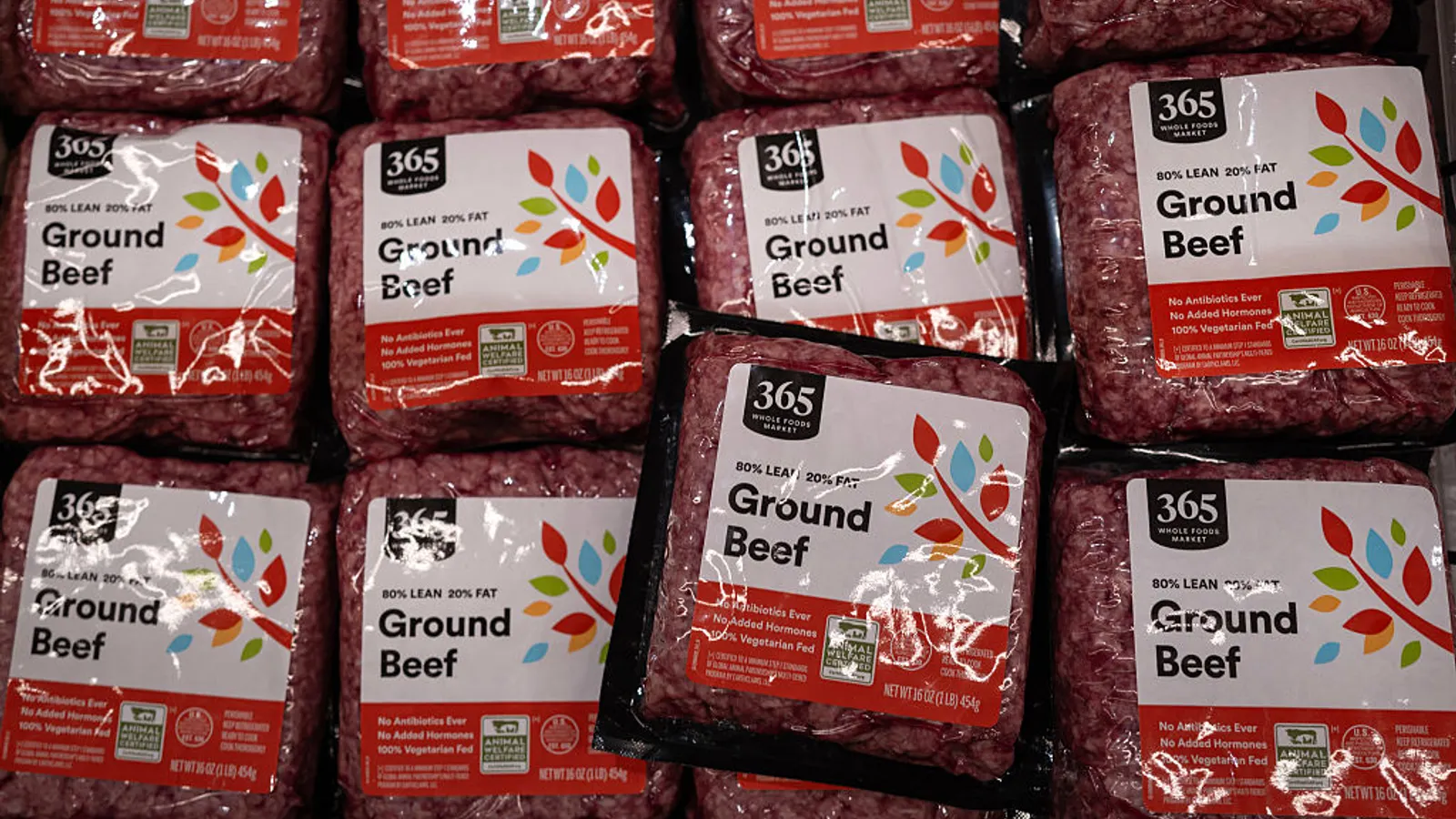
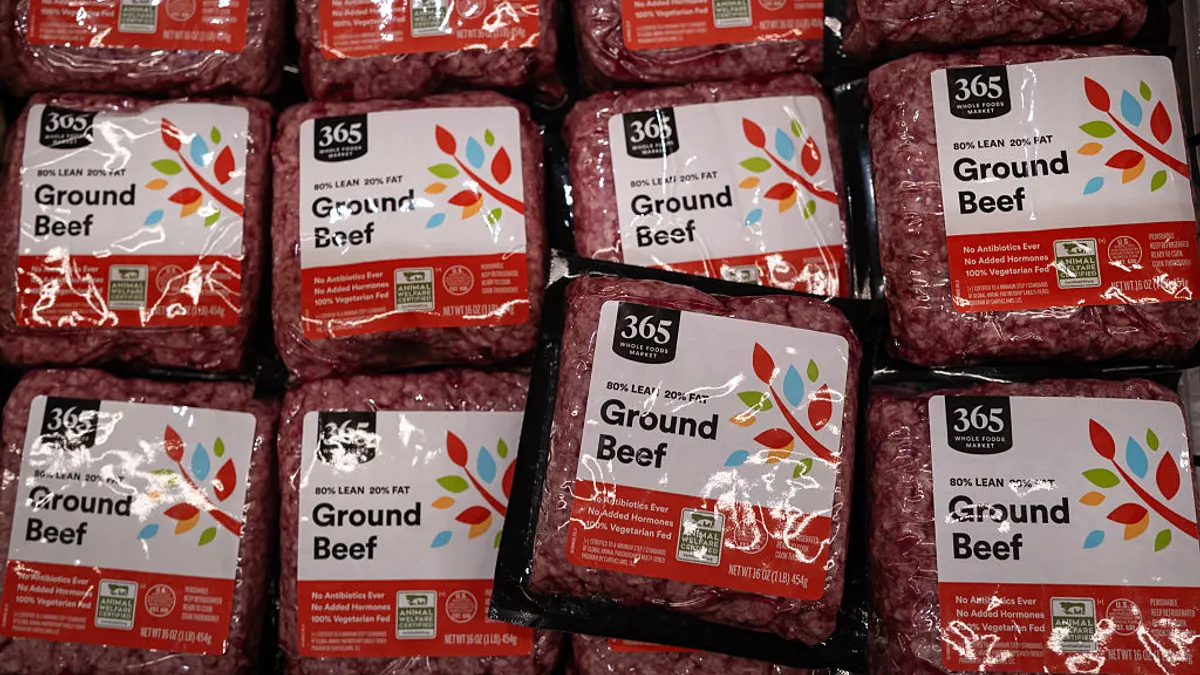
The economic impact on the American consumer has been profound. According to the USDA, the price of ground beef has surged more than 25% since 2024. As of July 2026, the average cost for ground beef reached $6.88 per pound. Even more striking is the cost of premium cuts; uncooked beef steaks hit a record-breaking $13 per pound last month.

The supply crunch is also visible in the operational data of major processors. Tyson Foods, in recent quarterly earnings calls, indicated that price relief for consumers is unlikely before 2027. The company’s decision to close processing facilities serves as a stark reminder that even if cattle supply were to recover tomorrow, the infrastructure to process that meat has already been dismantled.
Furthermore, the surge in imports—while necessary to fill the gap—has become a massive line item in the U.S. trade balance. With Australia currently serving as the largest supplier of imported beef to the U.S., the reliance on global logistics chains has introduced new vulnerabilities, including potential shipping delays and the fluctuating cost of international freight.
Official Responses and Political Strategy
The administration’s decision to grant a 90-day duty-free window is as much a political move as an economic one. With the midterm elections looming, the White House has identified food inflation as a primary political vulnerability.
"We are taking every step necessary to ensure that American families can afford dinner," a spokesperson for the administration stated during the press briefing. "By removing these tariffs and reopening trade routes with our partners in Mexico, we are choosing the immediate relief of the American consumer over the protectionist policies of the past."

The decision to lift the ban on Mexican cattle is particularly significant. The ban, which had been in place for over a year to combat a livestock parasite, was a major point of contention between the U.S. cattle lobby and the restaurant industry. While the cattle lobby argued the ban was essential for biological security, the restaurant industry and food processors have long argued that the parasite risk could be managed through rigorous inspection, and that the ban was merely exacerbating the supply shortage.
Implications for the Future of the Industry
The emergency measures announced this week provide a temporary reprieve, but they do not solve the "rancher’s dilemma." The structural issues facing the industry remain:
1. The Bottleneck of Processing
Even if imports increase, the domestic processing capacity has been permanently reduced. The closure of plants means that when cattle supply eventually recovers, there may be a secondary bottleneck in the ability to process that supply into retail-ready products.
2. The Shift in Land Use
As climate volatility continues to impact the American West, the cost of raising cattle is unlikely to return to historical averages. Investors and ranchers are increasingly looking toward more resilient or profitable land uses, suggesting that the "low" of 1970 may not be a one-time anomaly, but the beginning of a new, leaner era for the American beef industry.
3. Consumer Behavior Shifts
With prices hovering at record highs, there is growing evidence of "protein switching." Data suggests that consumers are increasingly moving away from beef toward poultry and pork, or even plant-based alternatives. The industry faces the long-term risk that once prices eventually stabilize, a significant portion of the consumer base will have permanently altered their purchasing habits.
4. International Dependency
The reliance on 1.6 billion pounds of imported beef in a single quarter marks a transition for the United States from a self-sufficient beef producer to a net importer. This dependence on global supply chains—including Australia and Mexico—will likely become a permanent fixture of the U.S. food security strategy, requiring more robust trade agreements and a more nuanced approach to international sanitary standards.
Conclusion
The next 90 days will be a test of whether international supply can effectively suppress inflation during a period of extreme domestic scarcity. While the administration’s emergency action will likely put a ceiling on price spikes in the short term, the deeper, systemic challenges within the U.S. agricultural sector suggest that the era of "cheap beef" is firmly in the past. As the country moves toward the November elections, the effectiveness of this policy will be measured not just in tonnage of imported meat, but in the political stability of the grocery aisle.
