



By [Your Name/Journalist Name]
August 21, 2026
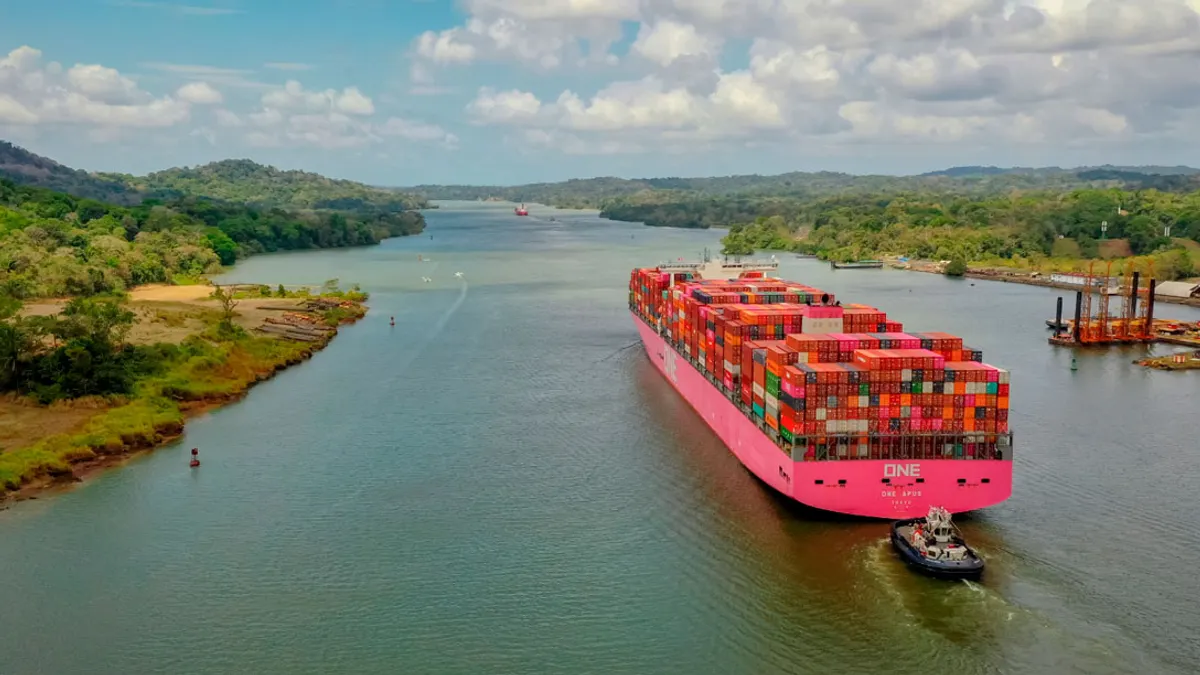
The Panama Canal, a critical artery for global trade, is facing a severe hydrological challenge as the persistent El Niño weather phenomenon continues to wreak havoc on the waterway’s watershed. In a decisive move to preserve the long-term viability of transit operations, the Panama Canal Authority (ACP) announced on August 20, 2026, that it is implementing a fresh round of stringent transit restrictions and capacity adjustments. These measures, aimed at curbing water usage in the face of significantly lower-than-average rainfall, threaten to complicate an already fragile global supply chain.
The Core Mandate: Tightening the Bottleneck
Effective September 3, 2026, the Panama Canal will enforce a reduction in daily booking slots for vessels navigating its locks. The Neopanamax locks, which accommodate the largest container ships, will see their daily transit capacity trimmed to nine slots—a reduction from the typical ten.
The impact on the older Panamax locks will be even more pronounced. Starting September 3, daily slots will be adjusted to 25, with a further reduction to 23 slots taking effect on September 15. Under normal operational conditions, these locks typically manage 26 slots, though occasional fluctuations allow for slightly higher throughput.
These adjustments are not merely bureaucratic shifts; they represent a fundamental throttling of global trade capacity. By limiting the number of ships that can pass through the isthmus each day, the ACP is effectively creating a congestion point that threatens to increase wait times and force shipping companies to either pay premium prices for priority transit or reroute their vessels entirely.
A Chronology of Climatic Instability
To understand the gravity of the current situation, one must look at the timeline of the 2026 hydrological crisis:
- July 2026: Panama Canal Administrator Ricaurte Vásquez Morales issued a sobering warning to the maritime industry. He signaled that while the canal had managed to maintain higher tonnage throughout the early summer, the looming threat of El Niño would necessitate future reductions in booking slots. He emphasized that the timing would remain fluid, dictated by real-time market data and meteorological reports.
- August 20, 2026: Following a period of sustained, below-average rainfall, the ACP issued a formal shipping advisory. The data confirmed that precipitation across the canal’s watershed had plummeted to 34% below the historical average during the hydrological year (May through August).
- August 21, 2026: The immediate fallout of the announcement began to ripple through global logistics hubs, as shipping lines scrambled to recalculate schedules and surcharge structures in anticipation of the September implementation dates.
Supporting Data: The Science of Scarcity
The lifeblood of the Panama Canal is Gatun Lake, a massive artificial reservoir that provides the millions of gallons of freshwater required to lift vessels through the locks. Each transit consumes approximately 50 million gallons of water, which is discharged into the ocean after use.
The current crisis is rooted in a severe rainfall deficit. The 2026 hydrological year has been characterized by a lack of replenishment for the watershed. Meteorologists and the ACP’s own internal reports indicate that the 2026-2027 El Niño cycle is not merely a transient weather event but a sustained pattern that is likely to suppress precipitation for the remainder of the wet season.
While the canal authority has implemented aggressive water-saving measures—such as cross-filling locks and optimizing transit sequences—the current watershed levels are insufficient to maintain standard throughput. The postponement of certain draft restrictions, while seemingly a relief for shipping lines, is actually a strategic pivot to keep ships moving while the authority manages the more critical shortage of overall water volume. For instance, the 48-foot draft restriction originally slated for August 26 has been pushed to September 2, and the 47.5-foot restriction has been deferred until October 1. These delays are tactical, aimed at balancing the physical weight of vessels against the volume of water available for locking.
Official Responses and Strategic Messaging
The Panama Canal Authority has adopted a stance of transparent, albeit cautious, communication. In their latest press release, the ACP stated: "Despite the arrival of the rainy season in Panama, and the water-saving measures implemented by the Panama Canal to mitigate the adverse effects of the El Niño event, current watershed conditions… require additional action to support the long-term sustainability of transit operations."

Administrator Ricaurte Vásquez Morales has consistently framed these decisions as a necessity for "long-term sustainability." The message is clear: the canal is no longer immune to the global climate crisis. By prioritizing the structural integrity of the canal’s water management system, the ACP is attempting to avoid a total shutdown, which would be catastrophic for global trade. The authority has pledged to continue monitoring weather conditions and lake levels, promising "timely updates" should further adjustments be required.
Implications for Global Trade and Logistics
The logistical ripples of the Panama Canal’s capacity reduction are already being felt across the industry. Major ocean carriers, including MSC and CMA CGM, have already begun to roll out or update their "Panama Canal Surcharges." These fees are passed down to shippers, ultimately impacting the cost of goods for end consumers.
1. Increased Operational Costs
As slots become scarcer, the price of a booking slot in the canal’s auction system has soared. Carriers facing uncertainty are forced to account for these massive premiums, leading to higher freight rates on key routes between Asia and the U.S. East Coast.
2. The Rerouting Dilemma
Shipping lines are now faced with the "Panama or Suez" dilemma. With the Panama Canal’s capacity restricted, some carriers may opt to reroute vessels through the Suez Canal or around the Cape of Good Hope. While these routes avoid the bottleneck in Panama, they add thousands of miles and weeks to transit times, burning more fuel and increasing the carbon footprint of global shipping.
3. Supply Chain Volatility
For retailers and manufacturers, the uncertainty is perhaps more damaging than the increased cost. Predicting inventory arrival times becomes an exercise in guesswork when the main artery of trade is effectively operating at a reduced speed. This leads to "just-in-case" inventory strategies, which increase warehousing costs and further strain capital.

Conclusion: A New Era of Climate-Constrained Shipping
The events of August 2026 serve as a stark reminder of the vulnerability of global trade infrastructure to climate change. The Panama Canal, once considered a fixed, reliable component of the global economy, is now a dynamic and increasingly fragile entity.
As the world watches the water levels in Gatun Lake, the message for the maritime industry is one of adaptation. The era of predictable, high-volume transit is being challenged by a volatile climate. Whether through technological upgrades to water recycling or a fundamental shift in how global supply chains are routed, the maritime sector must prepare for a future where water scarcity is a permanent variable in the cost of doing business. The Panama Canal Authority remains in a high-stakes race against the weather, and for the global economy, the outcome of that race will be felt in every containerized shipment for the foreseeable future.
