





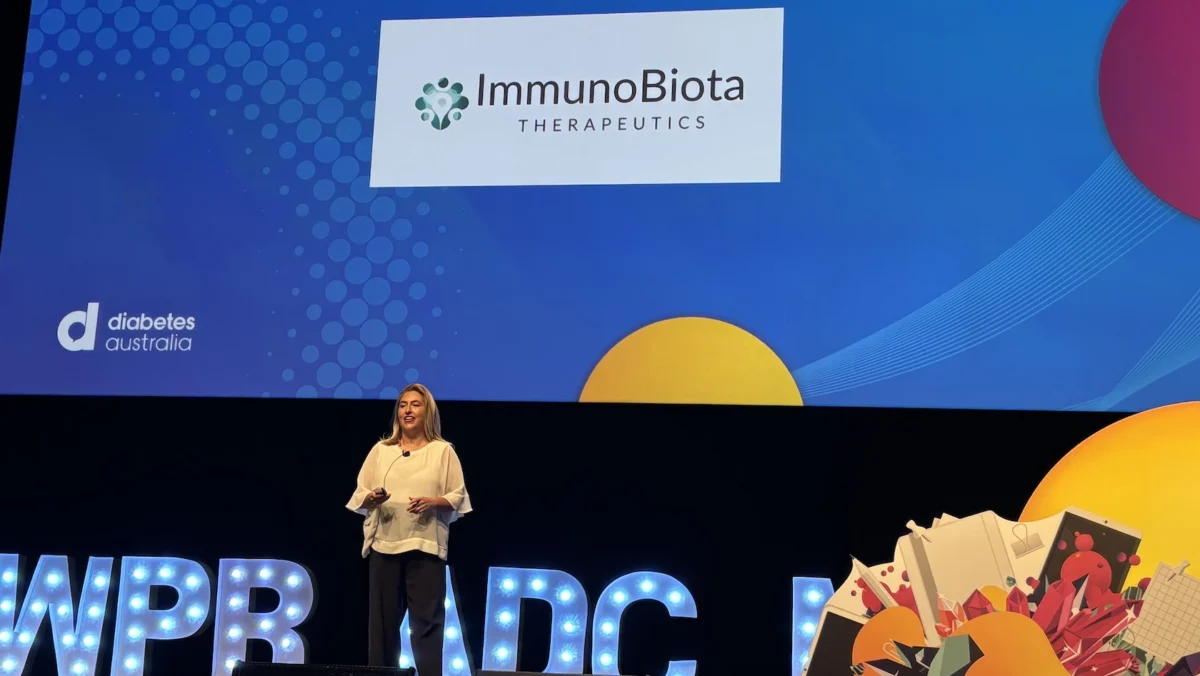
For over a century, the management of Type 1 Diabetes (T1D) has been defined by a cycle of monitoring and reaction. Patients, often diagnosed in childhood, must vigilantly track their blood glucose levels and administer exogenous insulin to compensate for a pancreas that has been rendered incapable of producing it. However, a pioneering Melbourne-based biotechnology startup, ImmunoBiota Therapeutics, is aiming to shatter this paradigm. By focusing on the root cause of the disease rather than merely managing its symptoms, the company is preparing to launch clinical trials for what could become the world’s first oral, non-immunosuppressive therapy for Type 1 Diabetes.
The Paradigm Shift: Tackling the Immune System
Type 1 Diabetes is an autoimmune condition characterized by a catastrophic breakdown in the body’s internal surveillance system. In a healthy individual, the immune system protects the body from external pathogens. In those with T1D, the immune system mistakenly identifies the insulin-producing beta cells within the pancreas as foreign invaders, mounting an aggressive attack that systematically destroys them.
Current gold-standard treatments focus exclusively on the downstream effects of this destruction: blood sugar management. While insulin pumps and continuous glucose monitors (CGMs) have vastly improved the quality of life for patients, they do not halt the disease’s progression.
ImmunoBiota Therapeutics, a spinout from Monash University, is changing the narrative. Founded in 2022 by renowned immunologist Dr. Eliana Marino, the startup is developing a therapeutic candidate known as IBT-100. Unlike current immunotherapy approaches that often require systemic immunosuppression—which leaves patients vulnerable to infections and other complications—IBT-100 aims to recalibrate the immune response specifically. By targeting the underlying inflammatory pathways, the therapy seeks to "calm" the immune system’s misguided assault, potentially preserving residual beta-cell function and, in the long term, halting the progression of the disease altogether.
A Chronology of Innovation
The journey of ImmunoBiota is one rooted in rigorous academic inquiry and a rapid transition into the commercial sector.
- The Foundation (Pre-2022): Dr. Eliana Marino’s research at Monash University focused on the nexus between the microbiome, metabolism, and immunology. Her team identified specific mechanisms by which the gut-immune axis influences the onset of autoimmune destruction in the pancreas.
- Company Formation (2022): Leveraging years of pre-clinical success and patentable insights, Dr. Marino founded ImmunoBiota Therapeutics. The company was established with the explicit mission to translate laboratory breakthroughs into clinical reality.
- The Validation Phase (2023-2024): The company underwent extensive pre-clinical testing to ensure the safety and efficacy of IBT-100. The focus remained on developing an oral delivery mechanism, which would represent a massive improvement in patient compliance compared to injectable biologics.
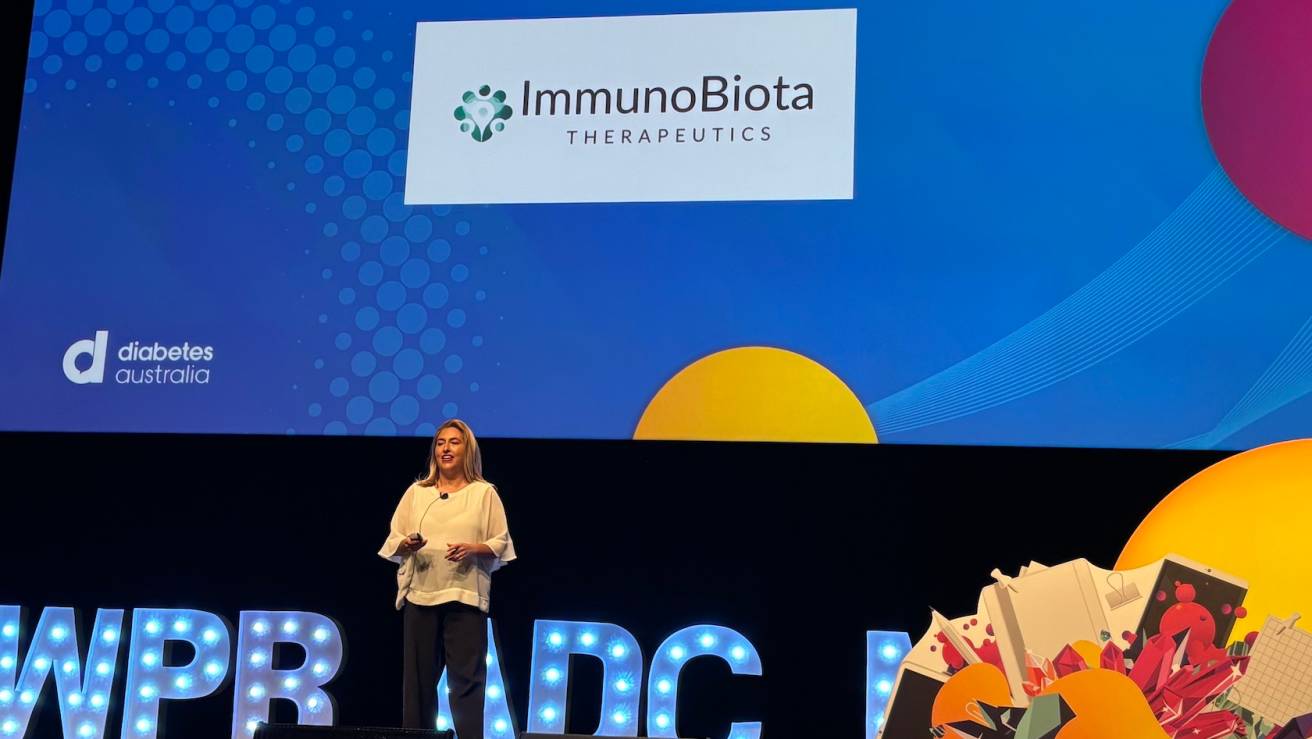
- Strategic Pitches and Exposure (2026): Dr. Marino’s appearance at the Diabetes Australia Grand Innovation Challenge marked a significant milestone, garnering attention from both the medical community and venture capital circles. This visibility underscored the potential of IBT-100 to change the pediatric T1D landscape.
- The Present (2026-2027): ImmunoBiota is currently in the final stages of regulatory preparation, seeking to initiate clinical trials. Simultaneously, the company has launched a $5 million capital raise to fund the transition from the laboratory bench to the clinical trial site.
The Science of IBT-100: Why Oral Delivery Matters
The development of an oral treatment for an autoimmune disease is a formidable challenge. The gastrointestinal tract is a harsh environment, and delivering a biologic or a small-molecule modulator that survives digestion while effectively communicating with the immune system requires precise engineering.
IBT-100 is designed to modulate the systemic immune environment. By utilizing the gut-immune interface, the therapy works to induce immune tolerance. If successful, this would represent a historic shift: moving from a "replacement" model (replacing insulin) to a "restoration" or "protection" model (protecting the patient’s own remaining beta cells).
For children diagnosed with T1D, the implications are profound. A daily oral treatment, if proven effective, could significantly delay the need for insulin therapy or reduce the dose required, thereby lessening the "diabetes burden"—the mental and physical fatigue associated with constant glucose monitoring and insulin delivery.
Supporting Data and the Market Landscape
The global prevalence of Type 1 Diabetes is increasing, with millions of people—a significant portion being children—living with the condition. The global insulin market is valued in the billions, yet it remains a "maintenance" market. A disease-modifying therapy represents a "disruptive" market opportunity.
ImmunoBiota’s $5 million funding target is aimed at bridging the "valley of death" that many biotech startups face when moving from pre-clinical studies to Phase I/II clinical trials. This capital will be utilized for:
- Manufacturing Scale-up: Developing a GMP-compliant (Good Manufacturing Practice) supply of the IBT-100 compound for human consumption.
- Regulatory Filing: Preparing the complex dossiers required by the Therapeutic Goods Administration (TGA) in Australia and international equivalents.
- Clinical Trial Infrastructure: Partnering with pediatric hospitals to conduct the initial safety trials.
The economic argument for such a therapy is equally compelling. By preserving beta-cell function, the healthcare system stands to save significant costs associated with long-term complications of diabetes, such as neuropathy, retinopathy, and cardiovascular disease, all of which stem from prolonged glycemic variability.
Official Perspectives and Industry Reaction
Dr. Eliana Marino has frequently highlighted that the primary goal of ImmunoBiota is not just technical success, but clinical impact. During her recent presentations at the Diabetes Australia Grand Innovation Challenge, she emphasized that "the future of diabetes care lies in the immune system."
Industry observers have noted that ImmunoBiota’s approach is timely. The field of immunology is undergoing a renaissance, with "tolerance-inducing" therapies being the "holy grail" of autoimmune research. However, many competitors are focused on intravenous infusions or subcutaneous injections. ImmunoBiota’s commitment to an oral format sets it apart, offering a user-friendly profile that is highly attractive to both clinicians and patients.
"The shift toward oral therapies is the next logical step in the evolution of chronic disease management," says an industry analyst familiar with the startup’s technology. "If ImmunoBiota can demonstrate safety in children—who are a particularly sensitive demographic—they will likely become a target for acquisition by major pharmaceutical players looking to diversify their diabetes portfolios away from pure insulin delivery."
Implications for the Future of Healthcare
The success of IBT-100 would have ripple effects across the entire endocrinology and immunology sectors.
1. A New Standard of Care: If the clinical trials prove that IBT-100 can preserve pancreatic function, the standard of care for newly diagnosed T1D patients could shift toward immediate immune intervention. This would redefine the "honeymoon period" (a time shortly after diagnosis when the pancreas still produces some insulin) into a "preservation period" that could last for years.
2. Reducing the Psychological Toll: For children and their families, the diagnosis of Type 1 Diabetes is life-altering. The prospect of an oral, non-immunosuppressive pill rather than multiple daily injections would significantly alleviate the anxiety associated with disease management.
3. Future Applications: The technology platform underlying IBT-100 may not be limited to Type 1 Diabetes. If ImmunoBiota successfully demonstrates that it can modulate the immune system through oral delivery, the same platform could potentially be adapted to treat other autoimmune conditions, such as Celiac disease or Rheumatoid Arthritis.
Conclusion: The Path Forward
ImmunoBiota Therapeutics is at a critical juncture. With the scientific foundation firmly laid and the roadmap for clinical trials clearly defined, the startup now faces the challenge of scaling its operations. The $5 million capital raise is more than just a financial milestone; it is a vote of confidence in the potential to finally treat the cause of Type 1 Diabetes.
As the biotech sector continues to watch the progress of this Melbourne-based team, one thing is clear: the era of simply managing blood sugar levels may be coming to a close. If Dr. Marino and her team at ImmunoBiota succeed, they will not only change the lives of those living with T1D but will also provide a blueprint for the next generation of autoimmune therapeutics. For now, the world waits for the data from the upcoming trials, hoping that this small startup can deliver a monumental change for global health.
