




In the high-stakes world of venture capital, the "pitch deck" has long been the primary artifact of a founder’s legitimacy. It is a document characterized by polished projections, hockey-stick growth charts, and carefully curated market sizing. However, according to Mark Zmarzly—a veteran founder, investor, and current Head of Startups & VC Partnerships at Morfless—the era of "pitch-deck puffery" is coming to an end.
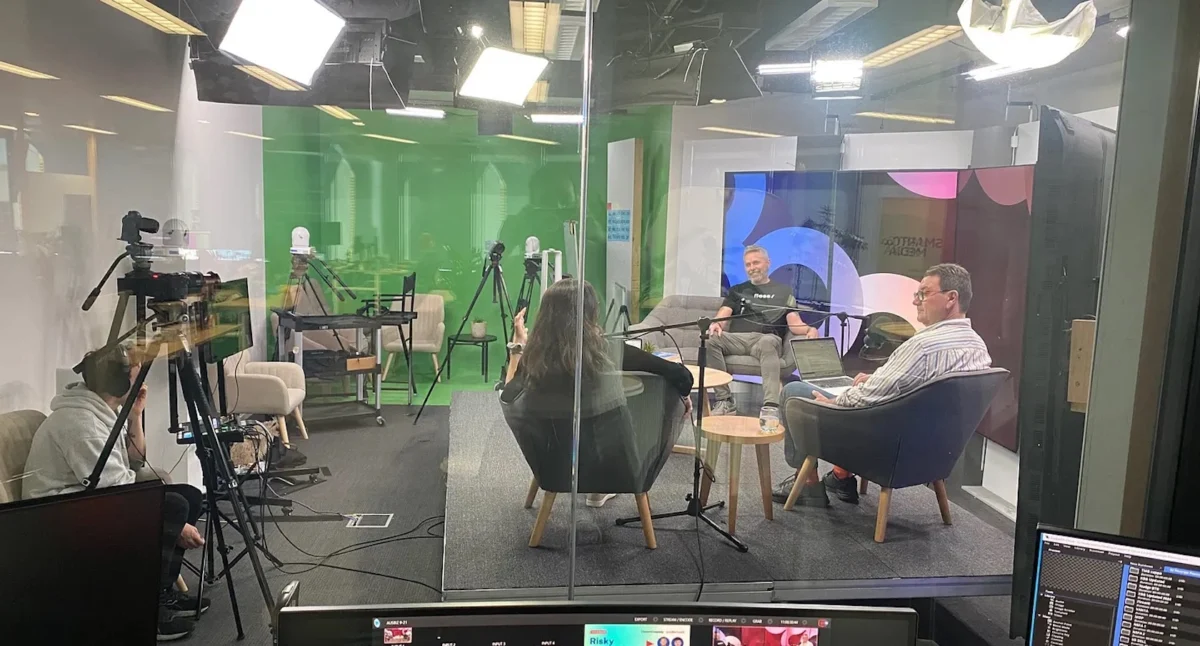
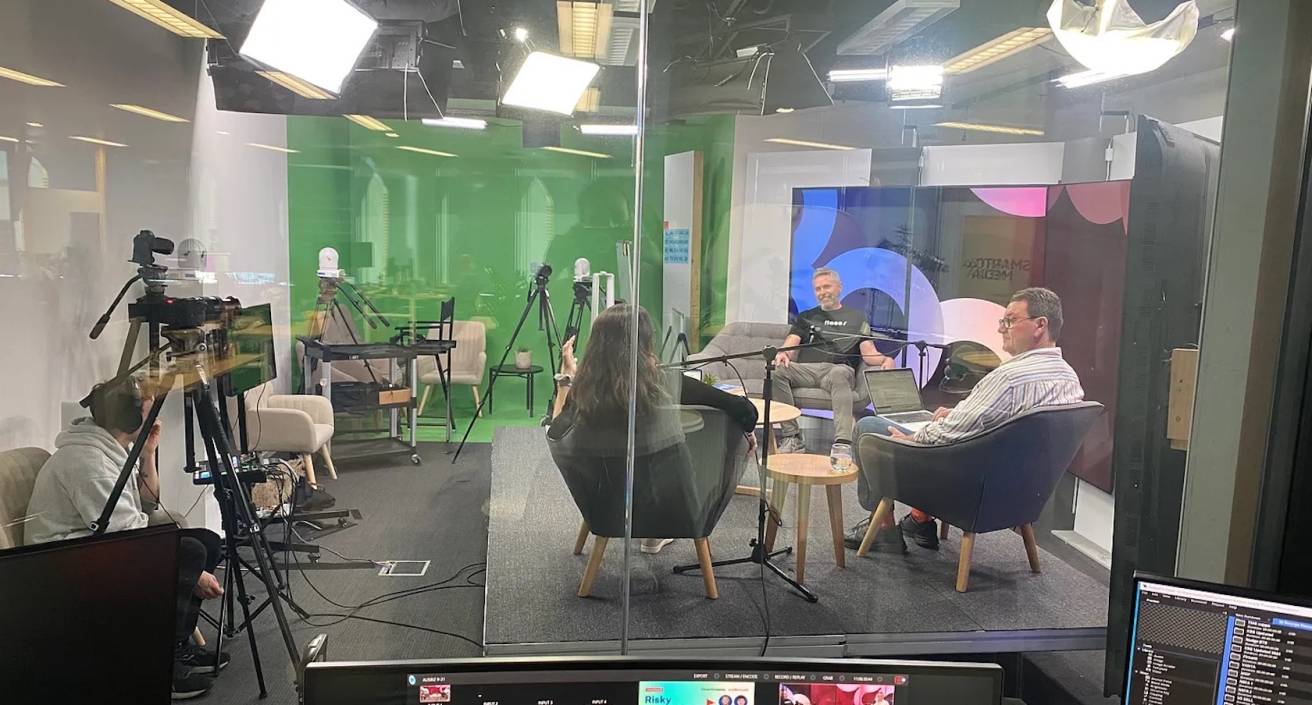
In a recent candid appearance on Startup Daily’s Startup 360 podcast, hosted by Simon Thomsen and Julie Trell, Zmarzly argued that the most compelling narrative for a startup isn’t found in a spreadsheet, but in the grit, human error, and "2 a.m. McDonald’s" moments that define the actual entrepreneurial experience.
The Human Element: Ditching the Corporate Facade
Zmarzly, who transitioned from a Creative Writing Master’s degree to the rugged landscape of FinTech, believes that modern investors are suffering from "founder fatigue." They are tired of the perfected, sanitized narratives that mask the reality of building a company.
"Ditch the puffery," Zmarzly advises. "Tell the origin story, share the deep insights, celebrate the customer wins, inject the humor, show the hustle, and—most importantly—reveal the human stories that make people actually care."
This philosophy stems from Zmarzly’s own unconventional path. His career is not a straight line of success; it is a tapestry of calculated risks, painful lessons, and a pivot from a startup founder to an "AWS Coupon Fairy" (a role he humorously embraces in his current work with Morfless). By framing the founder journey as a human experience rather than a business transaction, Zmarzly suggests that founders can build deeper, more resilient relationships with their stakeholders.
A Chronology of Grit: From Hip Pocket to Morfless
To understand Zmarzly’s perspective on the startup ecosystem, one must look at his professional trajectory, which spans two continents and over a decade of intense industry immersion.
2013–2016: The Genesis of Hip Pocket
After nine years in the U.S. financial services industry, working with major institutions like Capital One and Zions Bank, Zmarzly identified a gap in consumer financial literacy. He founded Hip Pocket in 2013. The goal was ambitious: to demystify complex financial products for the average consumer. This was followed by the launch of the Hip Money app in 2016. These years were characterized by the "hustle" phase—building products from the ground up, navigating regulatory hurdles, and iterating based on real-world feedback rather than hypothetical models.
2019: The Exit
After seven years of relentless development across three distinct products, Zmarzly sold his startup. The exit marked a turning point, not just in his bank account, but in his understanding of what makes a company "acquirable." It wasn’t just the tech; it was the story of the problem he had solved and the team he had built.
2019–2026: The AWS Chapter
Following his exit, Zmarzly joined the AWS Startup Team. This role provided a macro-view of the ecosystem that few founders ever get to see. He worked closely with 50 venture capital funds, overseeing the growth and operational health of over 1,000 portfolio companies. This is where he saw the "good, the bad, and the ugly" of startup scaling, ultimately leading him to his current mission.
Present Day: The "AWS Coupon Fairy"
Currently serving as the Head of Startups & VC Partnerships at Morfless, Zmarzly has found a way to marry his past experiences. He now focuses on helping founders navigate the often-labyrinthine world of cloud infrastructure costs. By leveraging his deep knowledge of AWS, he saves founders money—a mission that he views as critical to the survival of the modern startup.
Supporting Data: The Cost of Ignoring the "Human" Factor
The importance of Zmarzly’s message is backed by shifting trends in venture capital. Data from recent years suggests that "founder-market fit" is now weighted almost as heavily as "product-market fit."
According to various industry reports, startups that demonstrate transparency regarding their operational failures often see higher retention rates among their early-stage investors. Investors are increasingly looking for "coachability" and "emotional intelligence"—traits that are rarely visible in a standard pitch deck but are abundant in stories of "2 a.m. maccas" (McDonald’s) sessions in the office basement.
Furthermore, the economic climate for startups has tightened significantly since the "easy money" era of the early 2020s. With capital harder to come by, the ability to clearly articulate the value of the team—the "why" behind the company—is what differentiates a survivor from a statistic.
Official Perspectives: The Value of the "2 a.m. Test"
During the Startup 360 podcast, Zmarzly introduced a concept he calls the "2 a.m. Maccas Test." This is a litmus test for founder passion.
"If you aren’t willing to eat a lukewarm burger in a basement at 2 a.m. because you are genuinely obsessed with the problem you’re solving, you aren’t going to make it," Zmarzly says. This isn’t just about overworking; it’s about the level of commitment required to solve problems that others deem "too difficult" or "too boring."
Simon Thomsen and Julie Trell highlight that this kind of narrative creates a "stickiness" that metrics alone cannot achieve. When a founder can articulate the struggle of a customer win or the absurdity of a technical failure with humor and humility, they bridge the gap between "service provider" and "partner."
Implications for the Startup Ecosystem
The shift toward "human-centric" storytelling has profound implications for the startup ecosystem at large:
- Founder Mental Health: By normalizing the "mistakes and missteps," the startup community can begin to reduce the toxic culture of perfectionism that contributes to founder burnout and mental health crises.
- Investor Due Diligence: The rise of storytelling as a legitimate tool means that investors must develop better skills in evaluating character alongside capital efficiency.
- Community Building: As seen with Zmarzly’s active angel investing in over 60 startups, the ecosystem thrives on mentorship and the sharing of "battle scars." The more founders share their honest stories, the more the entire ecosystem learns, potentially lowering the failure rate for future generations of entrepreneurs.
Conclusion: The Zmarzly Standard
Mark Zmarzly’s career is a testament to the fact that you can be a serious operator without being a corporate robot. Whether he is analyzing a bank’s ledger, optimizing an AWS bill, or cracking jokes on a podcast, he remains anchored in the reality of the founder experience.
For those currently building in the shadows, struggling with the weight of the next funding round or a looming product deadline, Zmarzly’s advice is simple: stop trying to be the "perfect" founder. The market doesn’t need another polished slide deck; it needs a real person solving a real problem.
As he likes to note—with a wink—it also helps to have "fantastic hair." But, at the end of the day, it is the honesty of the journey that truly sells the vision.
To hear the full discussion on the nuances of the founder journey, the realities of the AWS ecosystem, and the importance of maintaining your sanity, listen to the full episode of Startup 360 on the Startup Daily website.
