





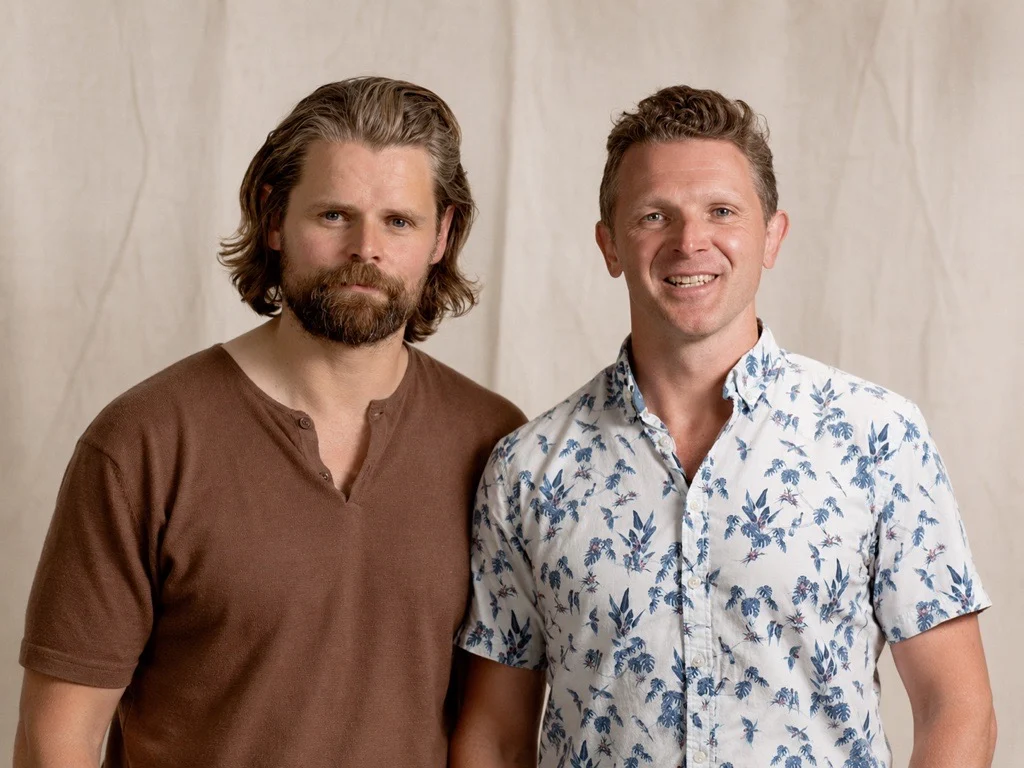
In a landmark shift for the high-end travel sector, London-based luxury tour operator Black Tomato has officially transitioned the majority of its ownership to an Employee Ownership Trust (EOT). According to company filings and exclusive insights provided to Skift, the founders have transferred 75% of the business to the trust, marking a significant departure from the traditional private equity-backed exit models that have dominated the travel industry in recent years.
The move, which was finalized in early July, represents a strategic pivot designed to cement the company’s culture and long-term independence. While the transition shifts the bulk of the equity to the collective staff, the founding partners—Tom Marchant, James Merrett, and Matt Smith—have retained a 25% minority stake through a newly created B-share class, ensuring that the company’s strategic direction remains aligned with its original vision.
Main Facts: Decoding the Transaction
The transition to an EOT is a complex financial and legal maneuver. By moving 75% of the shares into a trust, Black Tomato has effectively made its employees the indirect beneficiaries of the company’s future success.
Key details of the transaction include:
- Equity Split: 75% of the company now resides within the Employee Ownership Trust; 25% remains held by the founders via B-class shares.
- Control Mechanisms: Despite the transfer of equity, the founders have retained significant decision-making power, ensuring continuity in the company’s brand identity and luxury service standards.
- Valuation and Advisory: The transaction was facilitated by professional services firm Grant Thornton, which conducted an independent valuation of the business. While the specific valuation figure remains confidential, the move reflects the robust financial health of the brand.
- Governance: The EOT structure is designed to hold the company’s shares for the long-term benefit of the employees, shielding the business from the volatility often associated with external venture capital or private equity ownership.
Chronology: The Road to EOT
The journey toward employee ownership did not happen overnight. It was the result of a deliberate, multi-year evaluation of how the founders wanted to see Black Tomato evolve as it matured from a boutique travel agency into a global leader in experiential luxury travel.
- Strategic Evaluation (2023–Early 2024): The leadership team began exploring various ownership models, including potential acquisitions and private equity investment. However, concerns regarding the preservation of company culture led them to prioritize the EOT model.
- Independent Assessment (Spring 2024): Grant Thornton was engaged to oversee the transition. This period involved rigorous financial audits and the development of the new Articles of Association, which were eventually filed to reflect the 2026 organizational structure.
- The Finalization (July 2024): The legal transfer of the 75% stake was completed in early July. This period of quiet preparation allowed the company to ensure all regulatory and tax requirements were met without market disruption.
- Internal Announcement (Late July 2024): On a Monday morning, the news was broken to the broader staff. This served as the official internal launch of the new ownership structure, setting the stage for a period of integration and cultural shift within the workforce.
Supporting Data: Why EOTs are Gaining Traction
The shift toward employee ownership is not merely a philanthropic gesture; it is a growing trend in the professional services and luxury sectors. Data suggests that companies with broad-based employee ownership often exhibit higher levels of productivity, lower staff turnover, and greater resilience during economic downturns.
In the luxury travel sector, where the "product" is fundamentally tied to the expertise, passion, and personal service of the staff, the EOT model is particularly potent. Unlike a standard bonus structure, the EOT provides employees with a direct link to the company’s long-term capital appreciation.
- Retention Advantage: By offering staff a stake in the company’s success, Black Tomato is positioning itself as a "destination employer" in the travel industry, which is notorious for high churn rates.
- Strategic Alignment: When employees act as owners, their daily decisions—from customer service interactions to itinerary curation—are made with the long-term health of the brand in mind rather than short-term quarterly profit goals.
- The "Spirit" Factor: Luxury clients are increasingly discerning. They choose operators like Black Tomato not just for the destinations, but for the specific approach to travel design. By ensuring that the "spirit" of the business remains protected, the company preserves the intangible asset that justifies its premium pricing.
Official Responses and Executive Insight
Co-founder Tom Marchant has been vocal about the rationale behind the decision. In an exclusive interview, he described the transition as a "smart way of evolving the business."
"This isn’t about an exit for the founders," Marchant noted. "It is about ensuring that the spirit and the approach that built Black Tomato remain at the core of everything we do, while also offering our staff a genuine stake in the upside down the line."
For Marchant, the decision to maintain a 25% stake is not an indication of a lack of commitment to the trust, but rather a reflection of the founders’ desire to continue steering the ship through its next phase of growth. "We want our team to feel the same sense of ownership that we have felt for years," he added. "This structure allows us to scale without compromising on the bespoke quality that defines our brand."
The move has been received with optimism by industry analysts, who see it as a validation of the company’s maturity. By bypassing a traditional sale to a conglomerate, Black Tomato has effectively signaled that it is in the luxury travel market for the long haul.
Implications: The Future of Luxury Travel
The transition of Black Tomato to an EOT carries significant implications for the wider luxury travel industry. As boutique operators continue to be swallowed by larger travel conglomerates, Black Tomato’s decision offers a third way: remaining independent through collective ownership.
1. The Preservation of Brand Identity
One of the greatest risks in the luxury sector is the "dilution" of the brand post-acquisition. When large corporations acquire boutique operators, the emphasis often shifts to standardization and cost-cutting to maximize synergies. By choosing an EOT, Black Tomato has inoculated itself against this risk. The decision-making remains in the hands of those who are culturally aligned with the brand, ensuring that the bespoke, high-touch nature of their travel experiences remains intact.
2. A New Paradigm for Staff Incentivization
The travel industry has historically struggled with compensation models that retain top-tier talent. By turning staff into owners, Black Tomato is shifting the incentive structure from simple salaries and bonuses to long-term wealth creation. This is likely to attract high-caliber travel designers and operational experts who are looking for a career, not just a job.
3. Resilience and Stability
In an era of global uncertainty—ranging from geopolitical instability to climate-related shifts—the travel industry requires a nimble and committed workforce. Employee-owned businesses are historically more stable during these periods, as the workforce is more willing to collaborate on solutions that ensure the company’s survival. The EOT structure provides a "cushion" that allows the company to plan for the next decade rather than the next fiscal quarter.
4. Setting an Industry Precedent
Black Tomato is one of the most prominent names in the luxury experiential travel space. Their move to an EOT will likely prompt other independent operators to consider similar structures as they plan for succession or expansion. If Black Tomato can successfully navigate this transition while maintaining its market position, it will undoubtedly serve as a blueprint for other high-end firms looking to balance growth with culture.
Conclusion
The transition of 75% of Black Tomato to an Employee Ownership Trust is a sophisticated, forward-thinking move that prioritizes the long-term health of the brand over the immediate financial gratification of a sale. By empowering its employees and securing its independence, the company has reinforced its position as a vanguard in the luxury travel market.
As the industry watches to see how this experiment in employee-led luxury unfolds, one thing remains clear: Black Tomato is betting on its people to carry the brand into the future. It is a bold, principled, and strategic decision that sets a new standard for how luxury travel companies can sustain their success in a rapidly changing world.
