




After nearly two years of strategic deliberation and market observation, private equity titan Blackstone is reportedly signaling a major shift in its European hospitality strategy. According to reports from the Spanish financial daily Cinco Días, the New York-based investment giant is preparing to list Hotel Investment Partners (HIP)—the Barcelona-based owner of an expansive portfolio of resorts and hotels across the Mediterranean—on the Spanish stock exchange.
The move, which targets a valuation of at least $6.9 billion (€6 billion to €7 billion), represents one of the most significant hospitality public offerings in recent years. With a timeline centered on a late October or early November launch, the IPO is poised to become a litmus test for investor appetite in the European tourism sector amidst a period of fluctuating interest rates and post-pandemic travel shifts.
The Core Facts: A $7 Billion Market Debut
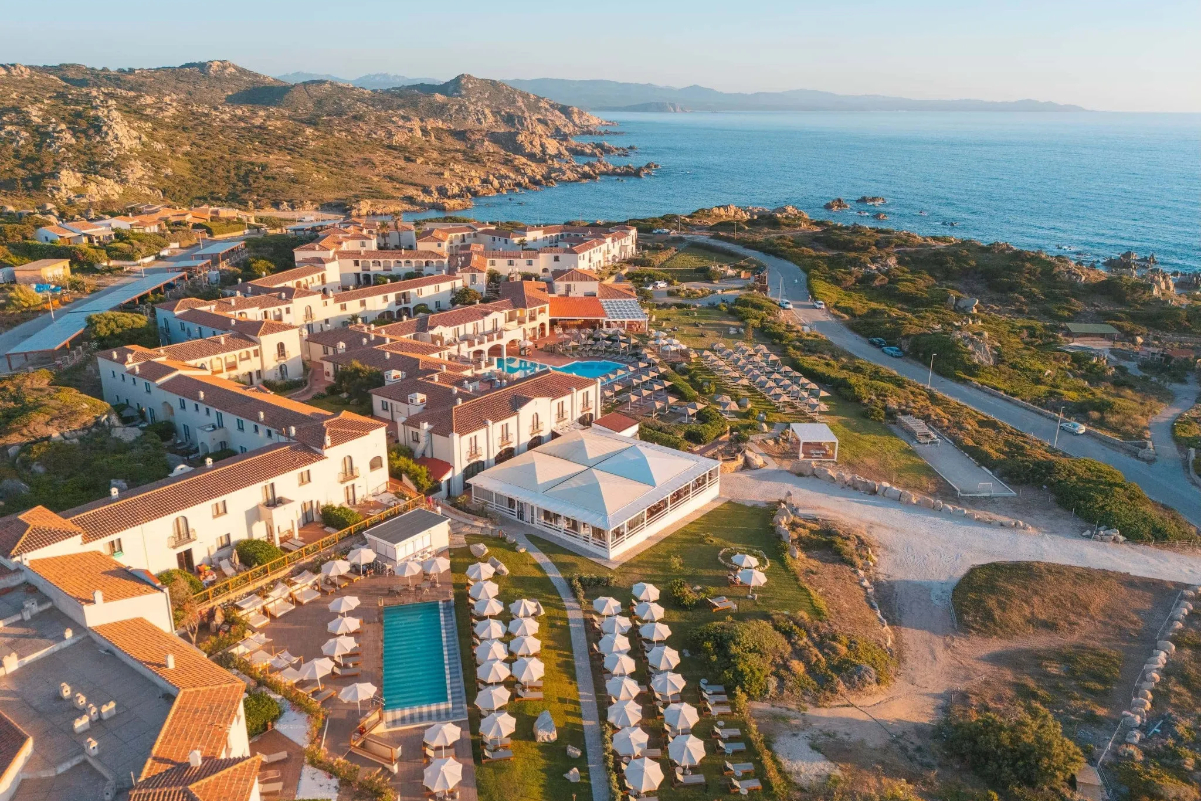
The proposed listing centers on HIP, which currently stands as the third-largest hotel owner in Europe. The portfolio under consideration consists of 61 high-end properties, strategically located across the Mediterranean’s most sought-after leisure destinations, including the Balearic and Canary Islands, the Costa del Sol, and Greece.
Under the current plan, Blackstone is expected to file the necessary documentation with Spain’s securities regulator, the Comisión Nacional del Mercado de Valores (CNMV), in early October. The objective is to capitalize on the robust recovery of European tourism, which has seen record-breaking occupancy and average daily rates (ADR) throughout the 2023 and 2024 seasons. By pivoting from private ownership to a public listing, Blackstone aims to provide liquidity for its investors while positioning HIP as a standalone, growth-oriented entity on the Madrid Stock Exchange.
A Chronology of Growth: From Acquisition to Exit
The path to this IPO has been a masterclass in private equity value creation, characterized by aggressive consolidation and asset optimization.
The Foundation (2017)
Blackstone entered the Spanish hotel market in 2017 with the acquisition of the HIP portfolio from Banco Sabadell. At the time, the deal was valued at approximately €630 million. It was a calculated bet on the fragmentation of the European leisure hotel market, where many properties were family-run and under-capitalized.
Rapid Expansion (2018–2021)
Following the initial acquisition, Blackstone deployed a "buy-and-build" strategy. Between 2018 and 2021, HIP expanded its footprint significantly by acquiring competing portfolios and individual assets. Key milestones included the integration of various hotel groups, which allowed the company to achieve economies of scale in procurement, operations, and digital marketing.
The Pandemic Resilience (2020–2022)
Despite the catastrophic impact of COVID-19 on global travel, HIP maintained its long-term investment horizon. Blackstone utilized this period to continue upgrading its assets, focusing on repositioning three-star hotels into premium four- and five-star properties. This "up-scaling" strategy was designed to appeal to a more resilient segment of travelers who were less sensitive to economic downturns.
The Weighing Period (2022–2024)
Since 2022, rumors of a sale or IPO have swirled around Blackstone’s headquarters. The firm reportedly weighed several options, including a full trade sale to a sovereign wealth fund or a competing hospitality group. However, market volatility and the high cost of debt financing led the firm to pause these efforts. The decision to proceed with an IPO in late 2024 suggests that Blackstone believes market conditions have stabilized enough to command a premium valuation.
Supporting Data: The Mediterranean Advantage
To understand why investors are likely to watch the HIP IPO with interest, one must look at the underlying fundamentals of the Spanish tourism market.
- Portfolio Scale: The 61-hotel portfolio comprises over 21,000 rooms. This scale allows for significant operational leverage.
- The "Premiumization" Effect: Since acquiring HIP, Blackstone has invested heavily in capital expenditures (CapEx). Reports indicate that a significant portion of the portfolio has undergone renovations, allowing for higher RevPAR (Revenue Per Available Room) compared to independent competitors.
- Sector Resilience: Spain remains the second most visited country in the world. Despite inflationary pressures, European consumer demand for Mediterranean holidays has remained remarkably inelastic.
- Strategic Partnerships: HIP does not manage the properties itself; it leases them to top-tier operators such as Marriott, Hilton, Hyatt, and Meliá. This "asset-light" operational model is attractive to public investors, as it limits the owner’s exposure to the day-to-day fluctuations of labor and food costs while providing stable, long-term rental income.
Official Responses and Market Silence
In keeping with standard practice for companies in the pre-IPO quiet period, neither Blackstone nor the leadership team at HIP has issued a formal statement. Requests for comment from Skift and other major financial outlets were met with the typical "no comment" regarding market rumors.
Analysts suggest that this silence is a deliberate strategy to manage expectations ahead of the official filing. By avoiding premature public commentary, Blackstone is ensuring that the valuation narrative is controlled by the formal prospectus submitted to the CNMV. Market observers anticipate that as the October filing date approaches, the company will begin to release roadshow materials designed to highlight the long-term dividend potential and growth trajectory of the portfolio.
Implications: What This Means for the Industry
The potential listing of HIP carries significant weight for both the European real estate sector and the broader hospitality industry.
1. A Bellwether for European Real Estate
The IPO will serve as a definitive indicator of the health of the European IPO market. After a period of stagnation, a successful listing of this magnitude would signal a "return to business" for European financial markets, potentially encouraging other private equity firms to pursue exits for their own massive hospitality portfolios.
2. The Institutionalization of Resort Ownership
Historically, the leisure hotel market in Europe has been highly fragmented. The growth of HIP—and its transition to the public market—marks a shift toward the "institutionalization" of resorts. Public investors are increasingly viewing resort portfolios as a stable asset class, akin to commercial office space or industrial logistics, provided they are managed by professional, large-scale entities.
3. Impact on Hotel Operators
For hotel management companies, the presence of a large, publicly traded owner like HIP creates a reliable partner for future expansion. These operators benefit from having a well-capitalized landlord that is committed to maintaining the quality and brand standards of their properties.
4. Valuation Hurdles
Despite the optimism, the IPO faces challenges. Potential investors will likely scrutinize the company’s leverage levels, particularly if the portfolio carries significant debt from its expansion phase. Furthermore, the volatility in energy prices and the potential for regulatory changes in the European short-term rental market remain external risks that will need to be addressed in the prospectus.
Conclusion: A New Chapter for HIP
As autumn approaches, all eyes in the financial world will be on Madrid. Blackstone’s move to take HIP public is more than just a routine divestment; it is a calculated bet on the enduring appeal of the Mediterranean vacation and the maturation of the hotel real estate sector.
If the IPO proceeds as expected, it will mark the end of one of the most successful private equity plays in the hospitality industry over the last decade. For investors, the question remains whether the price tag of $6.9 billion will be viewed as an attractive entry point for high-quality assets or a peak-valuation exit for a firm that has already extracted the "easy" value. Regardless of the outcome, the listing will undoubtedly reshape the competitive landscape for hotel ownership in Europe for years to come.
