





By Supply Chain Insights Editorial Team
Published: July 24, 2026
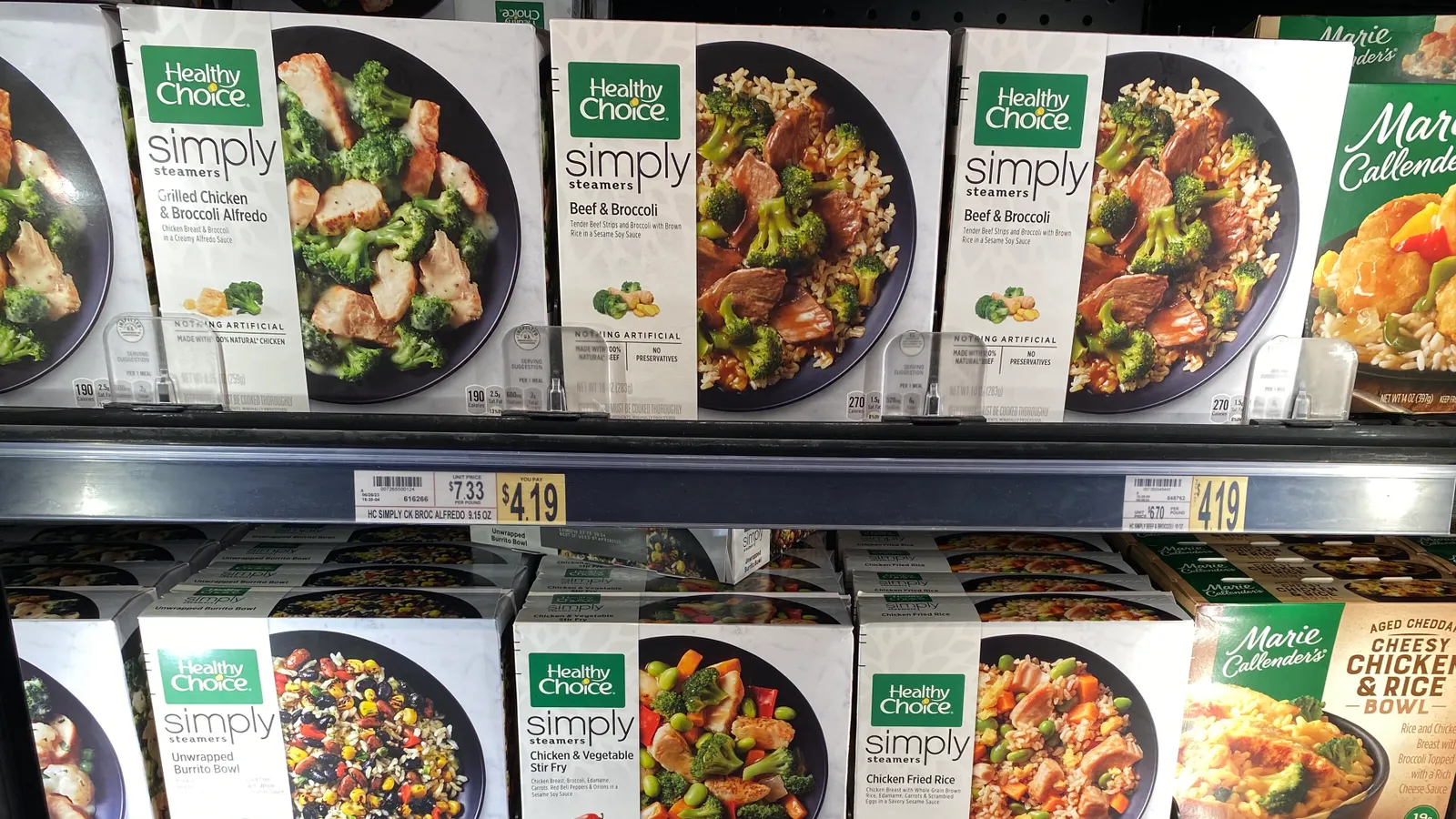
In an era defined by volatile global markets and shifting consumer demands, Conagra Brands—the food giant behind household staples like Healthy Choice, Birds Eye, and Slim Jim—has launched an aggressive, multi-faceted strategy to overhaul its supply chain and operational infrastructure. Moving away from the reactive postures forced upon the company by recent logistical hurdles, Conagra is now shifting toward a proactive model that emphasizes technological integration, SKU rationalization, and a relentless drive for organizational simplicity.
Main Facts: The Core of the "Project Catalyst" Strategy
Conagra Brands is currently executing a comprehensive operational transformation designed to optimize its vast production network. The core of this strategy revolves around three pillars: maintaining high service levels for retailers, re-evaluating its massive product portfolio, and aggressively reducing inventory days to free up working capital.
As part of this shift, the company has committed to allocating 4% to 5% of its net sales toward capital expenditures (CapEx). This sustained level of investment is intended to bolster supply chain resilience—a necessity for a company that manages a complex web of manufacturing facilities and distribution centers. At the heart of this transition is "Project Catalyst," an internal initiative aimed at leveraging artificial intelligence and automation to reengineer core business processes. By reducing the friction inherent in large-scale food manufacturing, Conagra aims to ensure that its operations are not only resilient but agile enough to pivot when supply chain disruptions inevitably occur.
Chronology: From Crisis to Transformation
The current push for transformation did not emerge in a vacuum; it is the culmination of years of navigating a turbulent supply chain environment.
- Fiscal Year 2025 (The Period of Disruptions): Conagra faced a series of "perfect storm" scenarios that crippled production throughput. The company struggled with stalled chicken production, a significant frozen-vegetable shortage, and sudden, punitive tariffs on the tinplate steel essential for its canned-food division. These events served as a wake-up call, highlighting the fragility of a system that had become overly complex.
- December 2025: Conagra officially unveiled "Project Catalyst." Recognizing that legacy processes were hindering growth, the leadership team began integrating AI-driven workflows to streamline manufacturing and administrative tasks.
- Fiscal Year 2026 (The Investment Phase): The company reported approximately $450 million in capital expenditures for the fiscal year ending May 31, 2026. These investments were primarily earmarked for upgrading production lines and integrating new digital tools to increase throughput and reduce downtime.
- July 2026: Executives confirm that the next phase of the strategy involves a deep-dive audit of the company’s 5,500 SKUs (Stock Keeping Units). This phase marks a departure from "growth at any cost" to a strategy of "value-based production," where every item must demonstrate its profitability to remain in the portfolio.
Supporting Data: Complexity as the Enemy of Execution
The scope of Conagra’s portfolio is massive, and for years, that breadth was considered a competitive advantage. However, in the current economic climate, management has identified that same breadth as a source of operational drag.
With 5,500 individual SKUs, the manufacturing and inventory management requirements are immense. Maintaining safety stocks for slow-moving or low-margin items consumes valuable warehouse space, capital, and labor—resources that could be better allocated to high-growth, high-margin products. By forcing each SKU to "earn its keep," Conagra is effectively pruning its portfolio to improve overall margin velocity.
The capital expenditure strategy is equally data-driven. By dedicating up to 5% of net sales to CapEx, Conagra is signaling a long-term commitment to infrastructure. According to Matthew Neisius, Senior Director of Investor Relations, this spending is not merely for maintenance but for structural transformation. The focus is on projects that deliver the highest ROI through automation, which reduces the reliance on manual labor in high-turnover environments and minimizes the human error that often leads to production line stoppages.
Official Responses: A Philosophy of Simplification
The leadership team at Conagra has been transparent about the need for a cultural and operational shift. The message from the C-suite is clear: the company had become too complex to operate efficiently.
"I really believe complexity can be the enemy of execution," noted a high-level executive during a recent briefing. This philosophy underpins the current strategy. The goal is to strip away the layers of bureaucracy and the "spaghetti-like" supply chain pathways that developed during the rapid expansion phases of the past decade.

The focus on "simplification" extends beyond the factory floor. It encompasses the organizational structure, the way teams collaborate across departments, and how the company interacts with its third-party logistics (3PL) partners. By simplifying these internal processes, Conagra intends to become a "faster-twitch" organization capable of responding to market shifts in weeks rather than quarters. The leadership emphasizes that this is not just about cutting costs—though cost-savings are a natural byproduct—but about improving the consistency and reliability of the company’s output.
Implications: The Industry-Wide Shift Toward "Supply Chain 3.0"
Conagra’s pivot is not occurring in isolation. It reflects a broader, industry-wide recognition that the "just-in-time" supply chain models of the 2010s are insufficient for the current era of geopolitical tension and climate-related volatility.
Comparisons to Industry Peers
Conagra’s peers are navigating similar waters. General Mills recently announced a major overhaul of its aging supply chain infrastructure, noting that their current systems were designed for a "lower-volume era" and are now buckling under the weight of modern consumption patterns. Similarly, Procter & Gamble has fully implemented its "Supply Chain 3.0" initiative. P&G’s model, which has been in development for years, utilizes a network of digital platforms to gain end-to-end visibility. This visibility allows P&G to anticipate disruptions before they reach the consumer, a capability that Conagra is actively trying to replicate through its own Project Catalyst.
The Impact on Retailers and Consumers
For retailers, Conagra’s push for efficiency could result in more reliable fill rates and a more curated, high-performing product mix. However, it may also mean that niche or lower-performing items—which retailers rely on to provide variety—could be discontinued as Conagra prunes its 5,500-SKU portfolio.
For the consumer, the implications are likely to be subtle but significant. As Conagra shifts toward automation and streamlined processes, the company hopes to maintain price stability even in an inflationary environment. By reducing waste and optimizing production cycles, the manufacturer aims to protect its margins without passing the entirety of increased logistical costs on to the end consumer.

The Long-Term View
The success of Conagra’s strategy will likely be measured by its ability to balance two competing forces: the need for massive operational efficiency and the need for market responsiveness. If the company succeeds in its SKU rationalization and its AI-driven manufacturing overhaul, it will emerge as a leaner, more resilient competitor. However, the risk remains that in its quest for simplicity, the company may sacrifice the product breadth that once made it a dominant force in the grocery aisle.
As of mid-2026, the industry is watching Conagra closely. The company’s ability to execute its vision will serve as a bellwether for the rest of the CPG (Consumer Packaged Goods) sector. If Project Catalyst delivers on its promise to reduce complexity and increase agility, it will provide a new blueprint for how traditional food manufacturers can survive—and thrive—in a world where the only constant is change.
