





By Kelly Stroh | Supply Chain Dive
Published: August 31, 2026
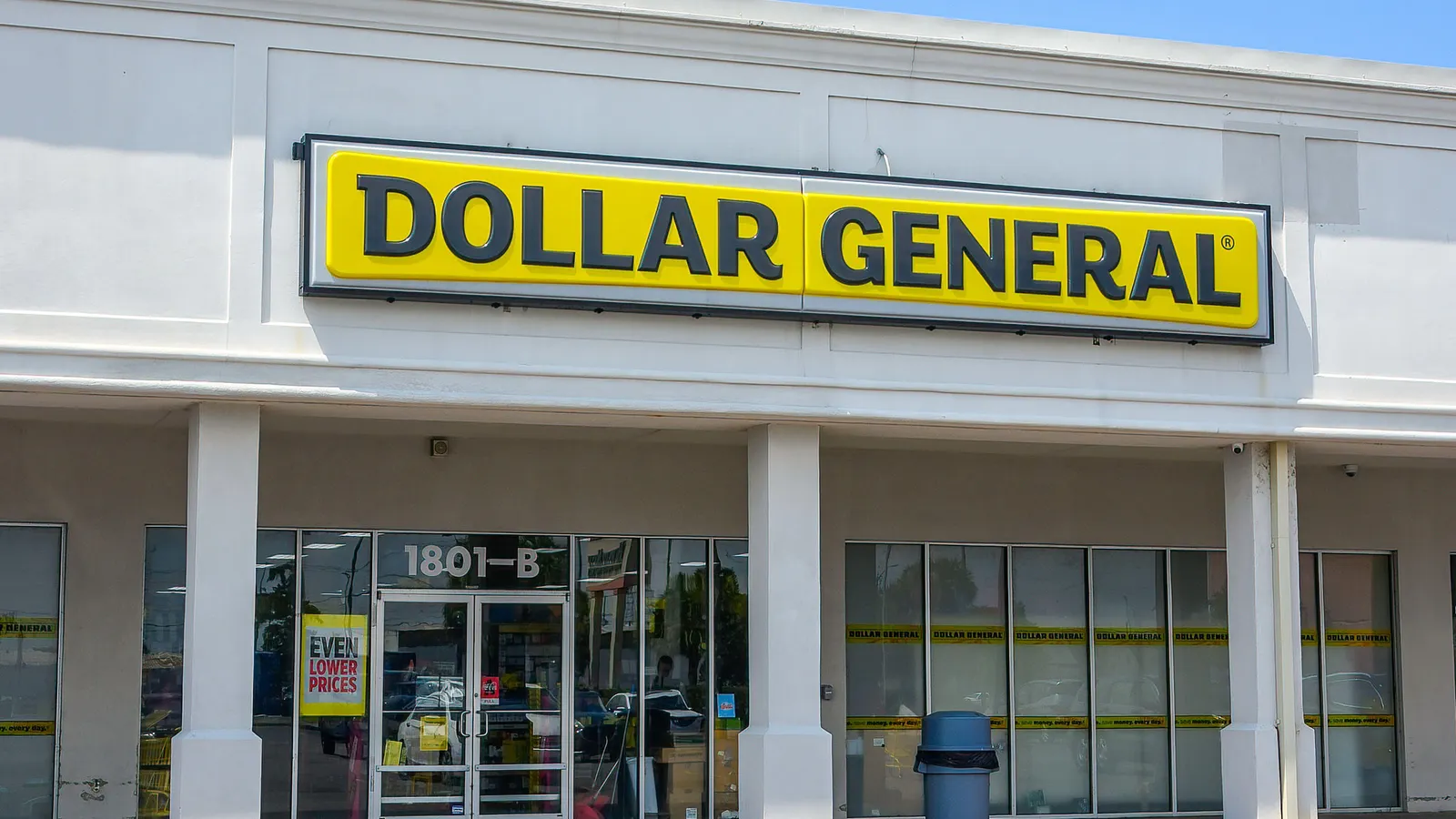
In an era where retail agility is the primary differentiator between market leaders and stagnant players, Dollar General is making a decisive move to overhaul its massive logistical backbone. The discount retail giant, which operates an expansive network of 21,000 stores and 34 distribution centers across the United States, announced on August 27, 2026, that it has entered into a strategic partnership with Relex Solutions. This collaboration aims to integrate artificial intelligence into the heart of its supply chain, unifying forecasting, replenishment, and allocation processes into a singular, cohesive digital environment.
As retailers grapple with volatile consumer demand, inflationary pressures, and the increasing complexity of omnichannel fulfillment, Dollar General’s investment in AI represents a significant shift toward "agentic" operational models. By moving away from siloed planning systems, the company seeks to harmonize data across its entire North American footprint, ensuring that the supply chain is not just reactive, but predictive.
Main Facts: Unifying the Supply Chain
The core of the partnership revolves around the implementation of the Relex Solutions AI-driven platform. For a retailer of Dollar General’s scale, the logistical challenges are immense. Coordinating inventory flow to 21,000 unique locations—many of which are in rural or underserved areas—requires a level of precision that traditional, manual planning methods can no longer support.
Under the new agreement, Relex’s technology will manage several critical supply chain functions:

- Store Replenishment: Automating the flow of goods to align with real-time inventory levels.
- Ordering Schedules: Optimizing cadence based on vendor lead times and warehouse capacity.
- Supplier Coordination: Streamlining communication and data transparency between manufacturers and the retailer.
- Fulfillment Methods: Dynamically selecting the most cost-effective and efficient delivery routes and methods.
By embedding demand factors—such as hyper-local sales patterns and seasonal trends—directly into the planning software, Dollar General is bridging the gap between its distribution centers and its storefronts. This "single source of truth" approach ensures that replenishment decisions are based on the same data set across the entire organization, reducing the risk of bullwhip effects and inventory imbalances.
Chronology: The Road to AI Integration
Dollar General’s push toward technological modernization has been a multi-year effort, reflecting a broader industry trend of "digital-first" retail strategy.
- 2024–2025: The company began exploring internal workflow automation, focusing on reducing manual labor in distribution centers and administrative offices.
- March 2026: Throughout the spring, Dollar General leadership intensified its search for a platform that could handle high-frequency data processing.
- August 27, 2026: The official announcement of the Relex partnership coincides with the company’s Q2 2027 earnings call, signaling that this technology is a pillar of the company’s growth strategy for the upcoming fiscal year.
- Future Outlook: While implementation is currently underway, the company is expected to roll out these capabilities in phases, targeting full network integration as the new standard for their supply chain operations by late 2027.
Supporting Data: The Scale of the Challenge
To understand the necessity of this AI adoption, one must look at the sheer volume of Dollar General’s operations. With 21,000 stores, the company maintains one of the largest physical retail footprints in the United States.
The logistical burden of moving millions of units of SKU-intensive products through 34 distribution centers is a complex optimization problem that exceeds human cognitive capacity. Traditional forecasting methods—often reliant on historical averages and spreadsheets—frequently struggle to account for sudden shifts in consumer behavior, such as those caused by economic downturns or local weather events.
Dollar General’s move mirrors similar initiatives across the industry:

- Lowe’s: In April 2026, the home improvement giant announced a scaled implementation of Relex technology to unify its inventory planning, with full system adoption slated for early 2027.
- UNFI: In March 2026, United Natural Foods, Inc. transitioned its inventory planning to a Relex-powered AI model across 12 major distribution sites.
- Guitar Center: A successful pilot of Relex’s AI-driven inventory replenishment resulted in a marked decrease in both stockouts and excess inventory, providing a successful blueprint for other retailers to follow.
Official Responses: The Strategic Vision
Leadership at Dollar General has been transparent about the "why" behind this transformation. During the August 27 earnings call, CEO Todd Vasos emphasized that this is not merely a software update, but a fundamental change in how the company operates.
"The platform brings forecasting, replenishment, and allocation planning into a single environment, giving our teams greater visibility across the network," noted Jeff Vaughan, SVP of global inventory management at Dollar General. This visibility is the "holy grail" of supply chain management—allowing planners to see upstream and downstream disruptions before they reach the store shelf.
CEO Todd Vasos took a broader view, framing the partnership as a critical component of the company’s long-term survival and productivity strategy. "Additionally, while we are still early in our AI journey, we are building agentic operating systems for the enterprise focused on reshaping and optimizing our workflows to improve productivity throughout the organization," Vasos stated. The term "agentic" implies systems capable of taking autonomous action—moving beyond just reporting data to actively making, or recommending, complex decisions.
Implications: The Future of Discount Retail
The implementation of this technology carries significant implications for the retail sector at large.
1. Mitigating Cost Pressures
Inflation remains a persistent challenge for the discount sector. By optimizing inventory levels, Dollar General can reduce the capital tied up in slow-moving stock while ensuring that high-demand products are always available. This efficiency directly combats the rising cost of logistics, fuel, and labor.

2. The Competitive Moat
In the discount market, where margins are razor-thin, the ability to manage the supply chain more effectively than competitors is a massive advantage. If Dollar General can reduce stockouts, it captures revenue that might otherwise go to competitors. Conversely, reducing overstock lowers markdown requirements, preserving margins.
3. The Rise of "Agentic" Retail
Dollar General’s pivot toward agentic operating systems signifies a shift in corporate culture. The role of the retail supply chain manager is evolving from a data-entry and manual-adjustment role to a strategic oversight role. AI handles the heavy lifting of calculation, allowing human teams to focus on strategy, vendor relationships, and unique market opportunities.
4. Scalability as a Service
For Relex Solutions, securing a client as massive as Dollar General acts as a powerful validation of their technology. As more retailers move away from legacy ERP (Enterprise Resource Planning) systems toward specialized, AI-native platforms, the ecosystem of retail technology is becoming increasingly specialized.
Conclusion
Dollar General’s partnership with Relex Solutions is a bellwether for the retail industry. It highlights that even the most well-established brick-and-mortar entities are now fully committed to the AI revolution. By unifying their forecasting and replenishment, they are not only improving efficiency but are building the infrastructure necessary to navigate the uncertainties of the modern global economy.
As the retail landscape becomes increasingly dominated by those who can leverage data to predict the future, Dollar General’s move suggests that the discount giant is preparing for the next decade of competition—not by simply opening more stores, but by making the stores they already operate significantly smarter. The success of this implementation will likely serve as a case study for the rest of the industry, proving whether AI can truly deliver on the promise of a self-optimizing, hyper-efficient retail supply chain.
