



By Robyn Griggs Lawrence
Published August 5, 2026
In a significant legal victory for green energy advocates and local governments, the U.S. Court of Appeals for the District of Columbia Circuit issued a decisive ruling on Tuesday, blocking the Trump administration’s attempt to rescind $20 billion in climate grants. The decision, handed down by a divided court, serves as a major check on executive authority, affirming that the Environmental Protection Agency (EPA) cannot unilaterally dismantle congressionally mandated programs simply due to ideological opposition.
The ruling effectively halts the EPA’s efforts to claw back billions of dollars in funding allocated under the Inflation Reduction Act (IRA) of 2022. The court’s opinion highlights a critical tension between the executive branch’s regulatory discretion and the legislative intent behind the IRA, suggesting that the EPA’s actions likely violated the statutory framework established by Congress.
The Legal Foundation: A Clash of Powers
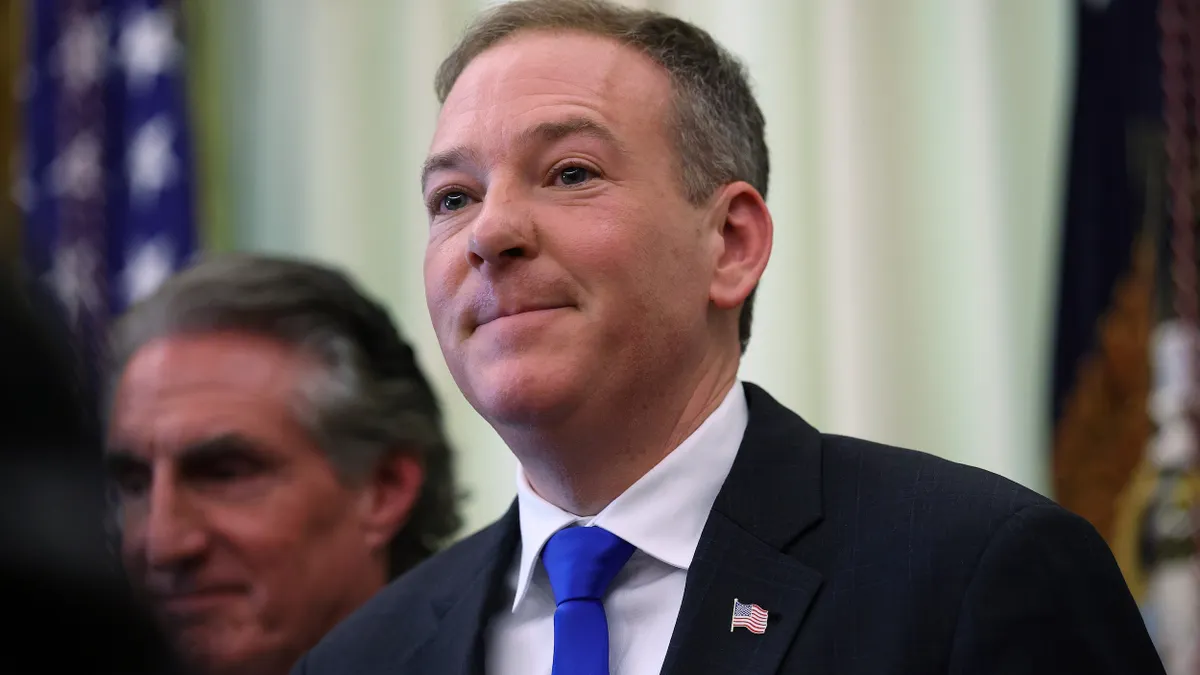
At the heart of the dispute is the Greenhouse Gas Reduction Fund (GGRF), a centerpiece of the 2022 Inflation Reduction Act designed to catalyze domestic clean energy production, modernize infrastructure, and promote environmental equity. When the EPA, under Administrator Lee Zeldin, moved to terminate the grants in 2025, it triggered a wave of litigation from recipients, most notably Climate United, which had been awarded $6.97 billion.
The D.C. Circuit’s three-page unsigned opinion was clear: six of the court’s ten judges voted to uphold a preliminary injunction that prevents the EPA from reclaiming these funds. The court emphasized that the EPA’s attempt to dismantle the program was motivated "based solely on a policy disagreement" with the underlying statute. By attempting to rescind funds already disbursed, the agency stepped outside the boundaries of its administrative authority.
The ruling is particularly stinging for the administration, as the court noted that the EPA failed to provide sufficient legal justification for its actions, further signaling that the agency’s rationale—largely built on accusations of mismanagement—did not hold up under judicial scrutiny.
Chronology of the Conflict
The path to Tuesday’s ruling has been marked by rapid legislative shifts and aggressive administrative maneuvers:
- August 2022: The Inflation Reduction Act is signed into law, authorizing $19.97 billion for the Greenhouse Gas Reduction Fund to support clean energy and community-led climate projects.
- April 2024: The EPA completes the disbursement of billions in grants, with organizations like Climate United beginning to mobilize funds for domestic manufacturing, affordable housing, and electric vehicle infrastructure.
- Early 2025: The Trump administration shifts its policy stance toward the IRA. Administrator Lee Zeldin begins an aggressive audit and subsequent termination process, citing "serious concerns" regarding conflicts of interest and oversight.
- March 8, 2026: Climate United files a lawsuit against the EPA, arguing that the freezing of funds is unlawful and threatens to destabilize ongoing clean energy projects nationwide.
- Mid-2026: Congress passes the "One Big Beautiful Bill Act," which includes provisions aimed at repealing unspent EPA IRA funding, adding a layer of legislative complexity to the ongoing litigation.
- August 4, 2026: The D.C. Circuit Court of Appeals issues its landmark decision, upholding the injunction and rebuking the EPA for its efforts to claw back the funds.
The Human and Economic Cost: Why It Matters
The implications of this legal battle extend far beyond the courtroom. For local governments and nonprofit organizations, the uncertainty created by the EPA’s attempted clawback has been a source of profound instability.
In an amicus brief filed on February 9, the National League of Cities and the U.S. Conference of Mayors painted a stark picture of the damage caused by the funding freeze. These entities argued that cities and towns had already integrated these grants into their long-term budgetary planning, finalizing contracts for renewable energy installations and workforce development programs.
"Local governments have suffered, and remain at risk of further suffering," the brief stated, noting that the rescission of these funds would force the abandonment of critical infrastructure projects that serve as the backbone of local clean energy transitions. The court’s decision offers these municipalities a lifeline, effectively protecting their ability to move forward with planned investments.

Official Responses and Administrative Defiance
The EPA has maintained a posture of skepticism toward the fund since the current administration took office. In a December statement to Smart Cities Dive, an EPA spokesperson justified the termination of the GGRF grants by citing "serious concerns regarding self-dealing and conflicts of interest, unqualified recipients, and reduced government oversight."
Following the Tuesday ruling, the agency’s tone remained guarded. "The EPA is reviewing the judgment and considering next steps," an agency spokesperson said in an August 4 email. However, the court’s opinion noted that the agency has not provided assurances that it will stop attempting to repeal the funds, keeping the legal pressure on the EPA to justify its regulatory actions moving forward.
Conversely, the plaintiffs view the ruling as a vindication of their integrity. Climate United released a statement shortly after the decision: "Today, the DC Circuit Court judges affirmed what we have always known: EPA took actions to unlawfully freeze and dismantle the National Clean Investment Fund grant program. Despite efforts to harm the awardees with false allegations and misinformation, there remains no legal basis for terminating our grant award."
Deep Dive: The Legal Nuance of the Ruling
The court’s decision was not unanimous, reflecting the contentious nature of the case. While six judges upheld the injunction, four dissenting judges argued that a portion of the relief was no longer necessary, specifically citing the "One Big Beautiful Bill Act," which sought to repeal unspent EPA funding.
This split indicates that the legal battle is far from over. The court left open several questions regarding the extent of the EPA’s authority to manage funds that have already been appropriated by Congress. By remaining "evenly divided" on whether certain temporary restrictions should remain in place, the court signaled that future litigation will likely focus on the interplay between the new legislative language in the "One Big Beautiful Bill Act" and the original IRA mandates.

Key Legal Questions Moving Forward:
- Statutory Interpretation: Does the "One Big Beautiful Bill Act" provide the EPA with the authority to retroactively reclaim disbursed funds, or is that power limited to unobligated funds?
- Executive Discretion: Can an administration use the executive power of an agency to effectively "veto" a law passed by Congress through the withholding of funds?
- Standard of Proof: What level of evidence is required for an agency to prove "self-dealing or conflict of interest" sufficient to terminate a legally binding grant agreement?
Implications for the Future of Green Infrastructure
The D.C. Circuit’s ruling serves as a cautionary tale for agencies seeking to reverse course on large-scale legislative programs. It reinforces the principle that once Congress has authorized and the executive branch has initiated the disbursement of funds, the agency cannot simply withdraw that support based on political or policy shifts.
For the clean energy sector, this is a moment of relief. The $20 billion fund was specifically designed to bridge the gap between large-scale federal ambition and local implementation. By securing this funding, recipients can now return to the task of building "healthy and affordable housing" and "accelerating American-made electric vehicle manufacturing," as outlined in their initial project proposals.
However, the legal environment remains volatile. The EPA’s willingness to challenge the court’s decision and the legislative attempts by Congress to defund these programs suggest that the climate finance landscape will remain a battleground for the foreseeable future.
As the EPA considers its next steps, the beneficiaries of the Greenhouse Gas Reduction Fund are breathing a collective sigh of relief, but they remain on high alert. The ruling protects the funds for now, but the intersection of climate policy and administrative law remains in a state of flux, promising that the fight over the future of American energy funding is far from concluded.
Summary of Impact
- Financial Security: $6.97 billion in disbursed funds for Climate United remains protected.
- Project Continuity: Cities and local governments can proceed with budgetary planning for climate and infrastructure goals.
- Judicial Oversight: The ruling confirms that the judiciary will actively check administrative attempts to ignore legislative mandates.
- Regulatory Uncertainty: The EPA’s stated intent to continue reviewing its options means the legal saga will likely continue into the next fiscal cycle.
