





By Robyn Griggs Lawrence
Published September 14, 2026
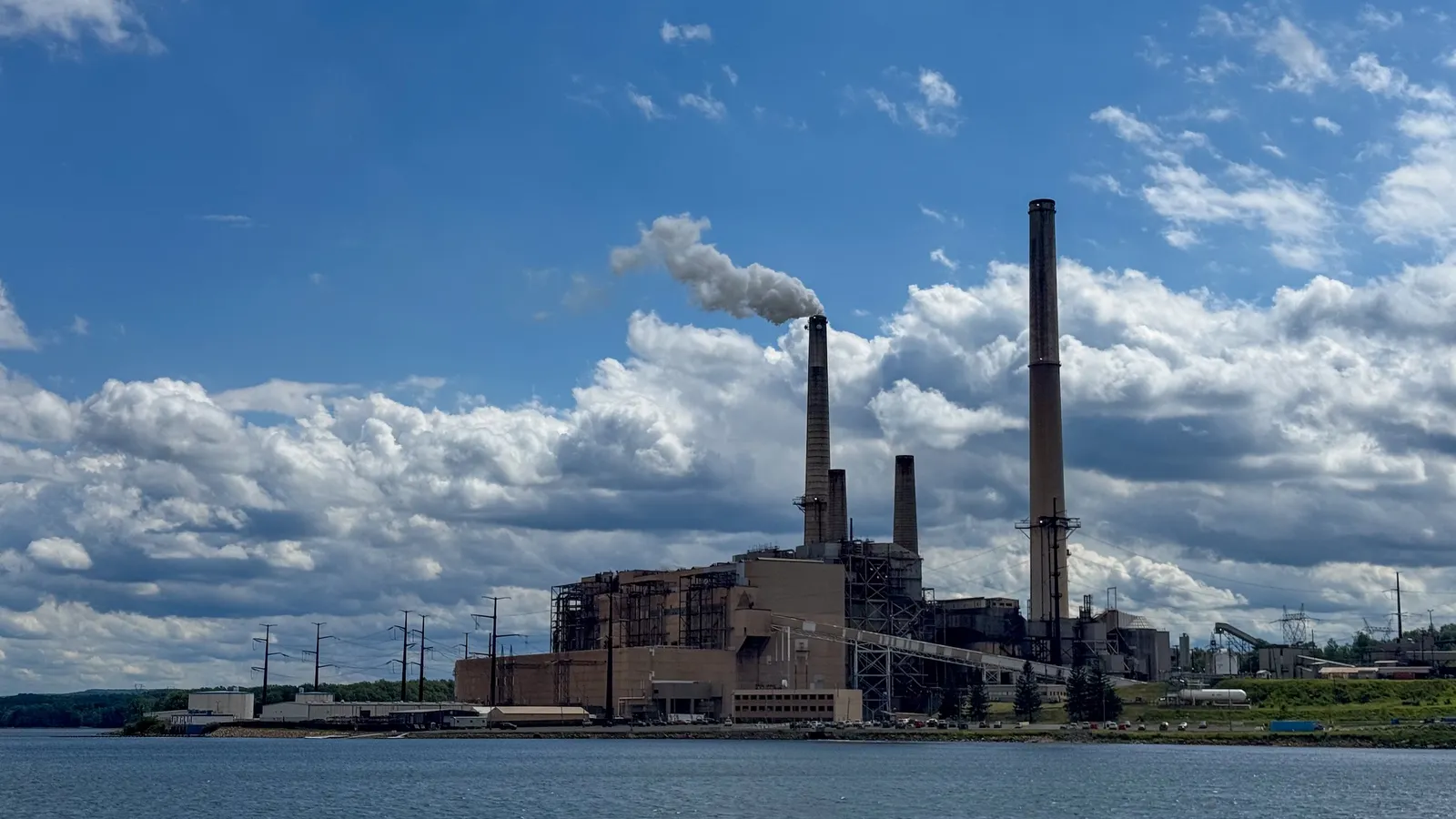
As the federal government continues its aggressive campaign to dismantle established greenhouse gas (GHG) emissions standards, a growing coalition of municipal leaders, state attorneys general, and legal experts is pushing back. The current administration’s moves to rescind environmental protections—centered on the power sector—have ignited a fierce legal and political firestorm, leaving the future of U.S. climate policy hanging in the balance.
City and environmental leaders warn that the systemic elimination of federal oversight on power-sector emissions will not only undermine local climate goals but will also exacerbate the systemic risks to urban infrastructure, public health, and the transition to a clean energy economy.
The Core Conflict: A Regulatory U-Turn
The Environmental Protection Agency (EPA) has initiated a sweeping series of rollbacks since the start of the current administration. These efforts target the foundational regulations established in 2024 to curb carbon pollution and toxic air emissions.
Central to the administration’s argument is an economic rationale: the EPA estimates that repealing emission guidelines and carbon capture requirements would save the power sector approximately $1.2 billion annually starting in 2026. Additionally, the agency projects that repealing the 2024 amendments to mercury emissions standards would provide power plants with another $120 million in annual savings.
However, critics argue that these "savings" are a dangerous illusion that shifts the actual costs—measured in human health, climate-related disaster recovery, and infrastructure damage—directly onto the shoulders of local governments and taxpayers.
Chronology of the Regulatory Rollback
The friction between federal environmental policy and local governance has unfolded rapidly over the past 18 months:
- May 2024: The EPA issues comprehensive carbon pollution standards for the power sector, projected by the Institute for Policy Integrity at the New York University School of Law to deliver $370 billion in net benefits over two decades.
- March 2026: A coalition of 12 cities and counties joins 24 states in a formal lawsuit challenging the EPA’s attempt to repeal the 2009 "Endangerment Finding." This finding is the legal bedrock that allows the EPA to regulate greenhouse gases under the Clean Air Act.
- March 2026: A separate coalition of 21 states and local governments initiates litigation against the EPA’s repeal of the 2024 Mercury and Air Toxics Standards (MATS) Rule. This lawsuit also highlights the agency’s rollback of continuous, real-time emissions monitoring at power plants, which plaintiffs argue constitutes a violation of the Clean Air Act.
- August 2025: Organizations including Climate Mayors, C40, and the Sabin Center for Climate Change Law at Columbia Law School file formal comments opposing the repeal, warning that the standards were essential for protecting infrastructure and public health.
- September 2025: The EPA formally proposes a rule to sunset the Greenhouse Gas Reporting Program, a move that would effectively end the mandatory tracking of emissions for over 8,000 U.S. facilities and suppliers.
Supporting Data: The Cost of Deregulation
The debate is fundamentally about how the U.S. accounts for the "cost" of energy production. While the EPA’s current leadership focuses on the immediate balance sheets of power utility companies, municipal advocates point to long-term economic and environmental data.
The Power Sector’s Role
The power sector remains the second-largest greenhouse gas emitter in the United States. Climate experts argue that federal regulation of this sector creates a "multiplier effect." By tightening emissions standards at the source—the power plant—the government incentivizes a cleaner grid, which in turn reduces the indirect carbon footprint of every building, manufacturing facility, and electric vehicle charging station that draws power from that grid.
The Reporting Gap
The proposed elimination of the Greenhouse Gas Reporting Program is perhaps the most contentious administrative move. For over a decade, this program has provided the granular, facility-level data necessary for scientists and city planners to track progress toward climate goals. Without this data, cities argue they will be "flying blind," unable to identify which industrial sources are contributing most significantly to local air quality issues or regional warming trends.

Official Responses and Legal Perspectives
The administration has remained largely silent on the specific criticisms leveled by the municipal coalitions. Despite repeated requests for comment regarding the impact of these rollbacks on urban resilience, the EPA has not provided a formal response.
Legal experts, however, are far more vocal. Dena Adler, senior attorney at the Institute for Policy Integrity at the NYU School of Law, emphasized that the current trajectory may be on a collision course with the judicial branch.
"The Supreme Court has made clear that the EPA has an obligation to control greenhouse gas emissions from power plants under the Clean Air Act," Adler stated in an email. "The power sector is the second-largest U.S. greenhouse gas emitter. Leaving this pollution unchecked ignores the Supreme Court, puts the public at risk, and flagrantly violates the EPA’s legal responsibilities."
Implications for Cities and Public Health
The most acute effects of these regulatory shifts are being felt at the municipal level. Cities are the front lines of climate change, dealing with the direct consequences of rising temperatures, more frequent flooding, and deteriorating air quality.
The Infrastructure Dilemma
Municipal leaders argue that federal standards act as a floor, not a ceiling. When that floor is removed, cities lose the leverage required to demand cleaner energy from their utility providers. For cities that have committed to net-zero energy targets, the repeal of federal carbon standards creates a massive policy gap. If the regional grid becomes "dirtier" due to relaxed federal rules, the carbon intensity of every city in that region increases, regardless of local efforts to transition to solar or wind energy.

Public Health Impacts
The repeal of the 2024 Mercury and Air Toxics Standards is particularly alarming to health officials. Mercury is a potent neurotoxin, and power plants are a primary source of its release into the atmosphere. By rolling back both the emissions limits and the requirements for continuous, real-time monitoring, the EPA is essentially removing the "early warning system" that communities have relied on to ensure that nearby industrial sites are not exceeding legal pollution thresholds.
Economic Risk
Economists supporting the lawsuit against the EPA argue that the $1.2 billion in annual savings for the power sector is dwarfed by the potential for long-term climate damage. Infrastructure, which is already under stress from extreme weather events, faces higher maintenance and insurance costs as climate impacts intensify. By prioritizing short-term utility profits, critics argue the administration is failing to perform the basic risk-management duties required to protect the national economy.
Looking Ahead: A Divided Nation
As the legal battles proceed through the federal court system, the U.S. finds itself in a state of regulatory bifurcation. While federal agencies roll back protections, a patchwork of state and city-led initiatives is attempting to fill the void.
However, the efficacy of these local efforts is limited by the interconnected nature of the U.S. power grid. Electrons cross state lines, and pollution does not respect municipal boundaries. Without a unified, federal approach to decarbonizing the energy sector, the goal of achieving a stable, sustainable, and healthy environment remains a distant prospect.
For now, the courtroom has become the primary theater for environmental policy. As the legal challenges against the EPA mount, the judiciary will be tasked with determining whether the agency’s aggressive deregulation violates the spirit and letter of the Clean Air Act—a decision that will define the American climate landscape for decades to come.
