





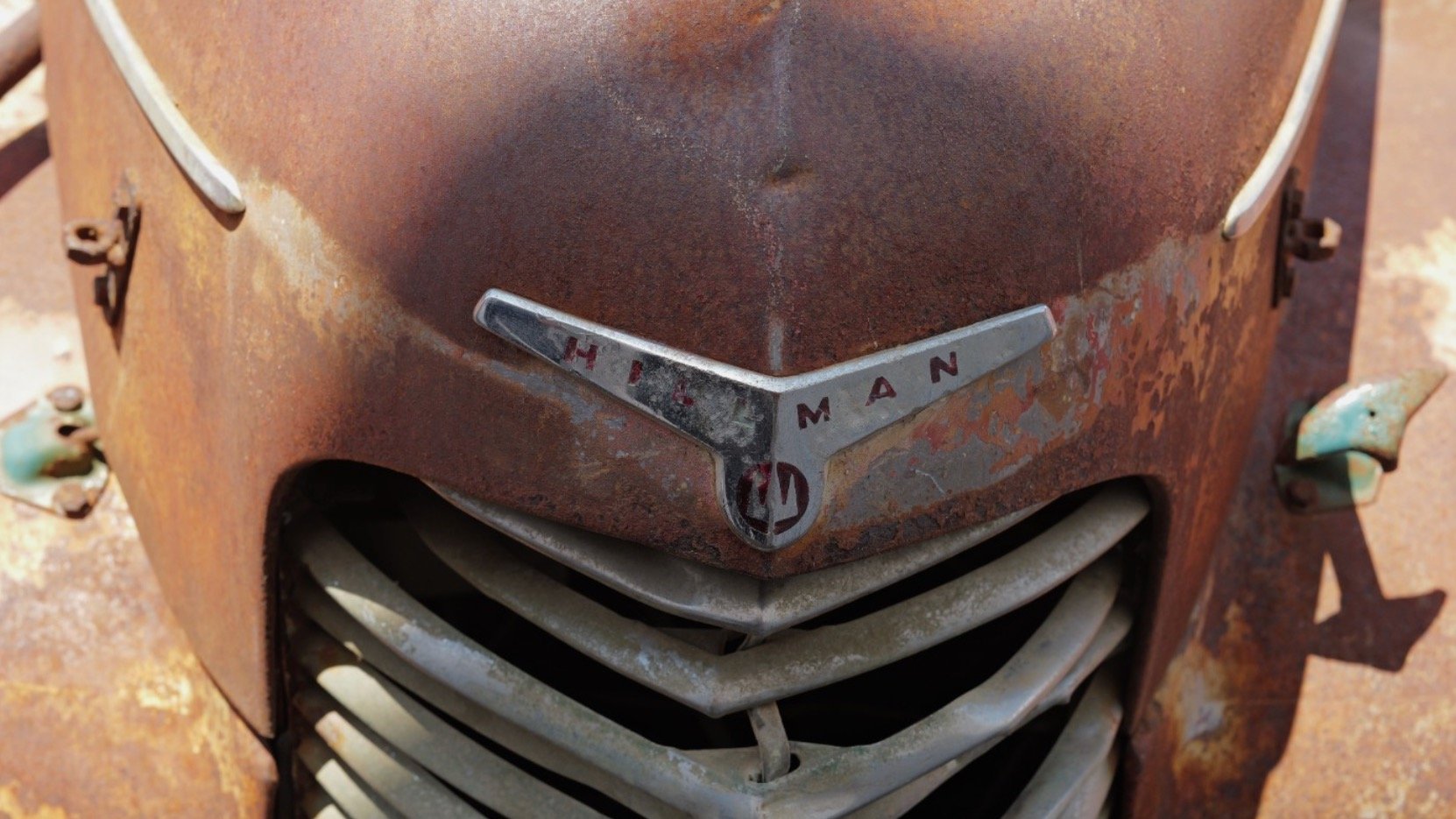
In the pantheon of cinematic vehicular mayhem, George Miller’s Mad Max: Fury Road stands as a masterclass in practical effects. Unlike modern blockbusters that rely heavily on computer-generated imagery (CGI), the 2015 masterpiece was defined by a fleet of "hero" cars—monstrous, fully functional machines built to survive the harsh, post-apocalyptic aesthetic of the Namib Desert. While icons like the Gigahorse and the War Rig have captured the public imagination, a quieter, stranger piece of the film’s legacy has recently emerged from the archives: a custom 1948 Hillman Minx.
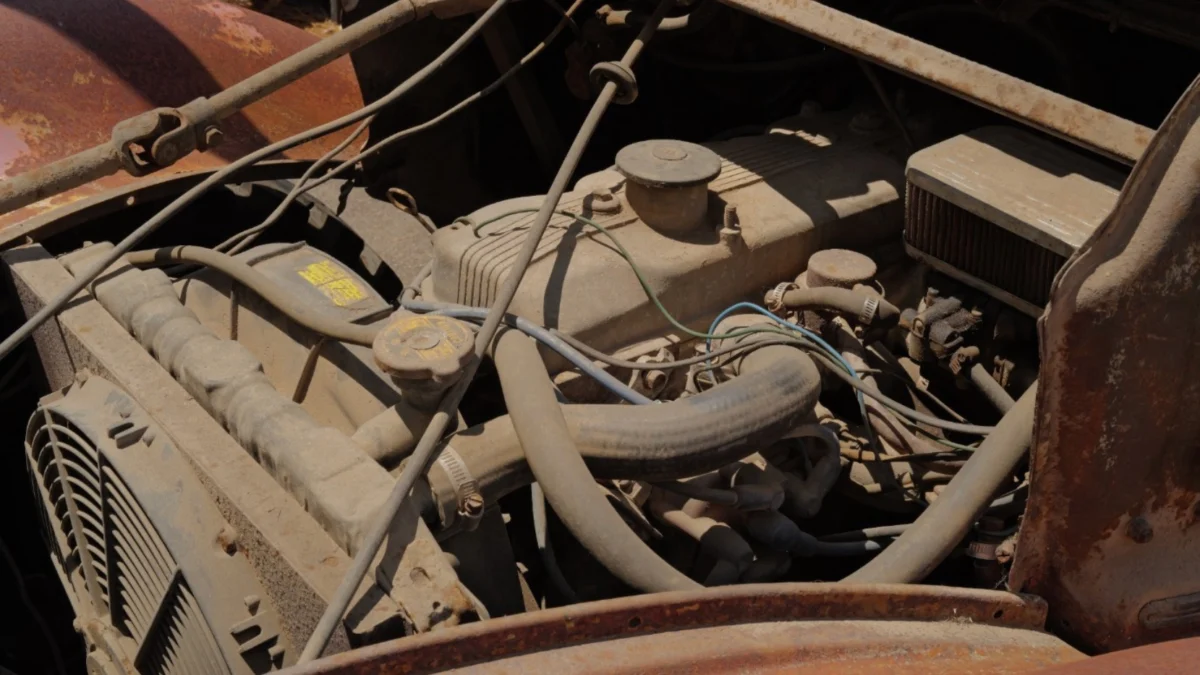
Currently listed for auction on eBay, this "Frankenstein" creation offers enthusiasts a rare, if unconventional, slice of cinema history. It is a vehicle that defies easy classification, merging the rusted, pre-war British charm of a Hillman sedan with the utilitarian, rugged underpinnings of a Mitsubishi L300 van.
Main Facts: A Post-Apocalyptic Hybrid
At its core, this vehicle is a testament to the ingenuity of the Fury Road production team. To populate the desolate world of Immortan Joe, the crew required vehicles that looked like they had been cobbled together from the wreckage of the old world.
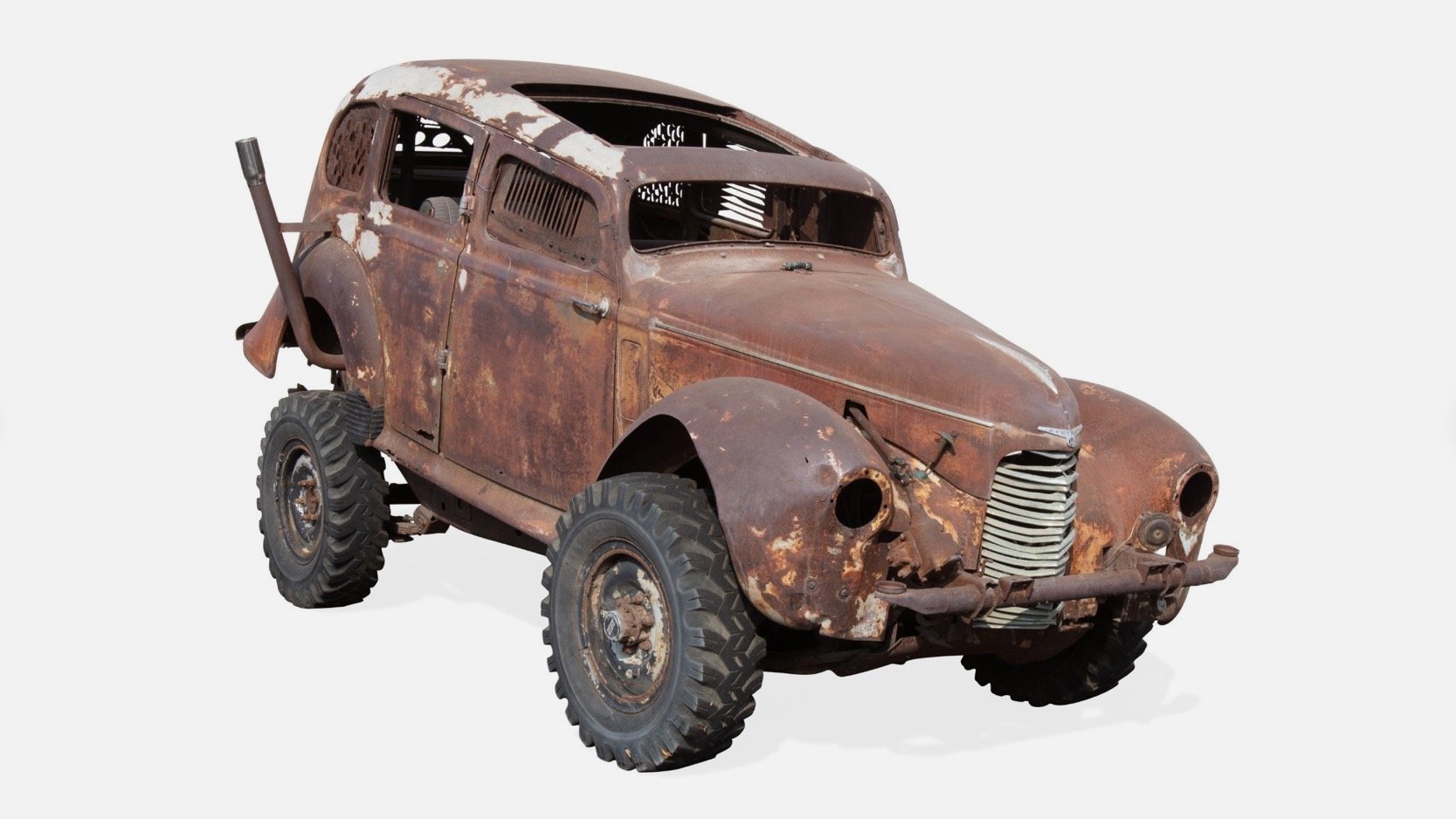
The Hillman Minx, a quintessential British family car from the late 1940s, was never intended for high-speed desert warfare. However, in the hands of Miller’s team, it was transformed. By mating the classic steel body to the chassis of a Mitsubishi L300—a workhorse van renowned for its durability—the builders created a vehicle that was both visually striking and mechanically capable.

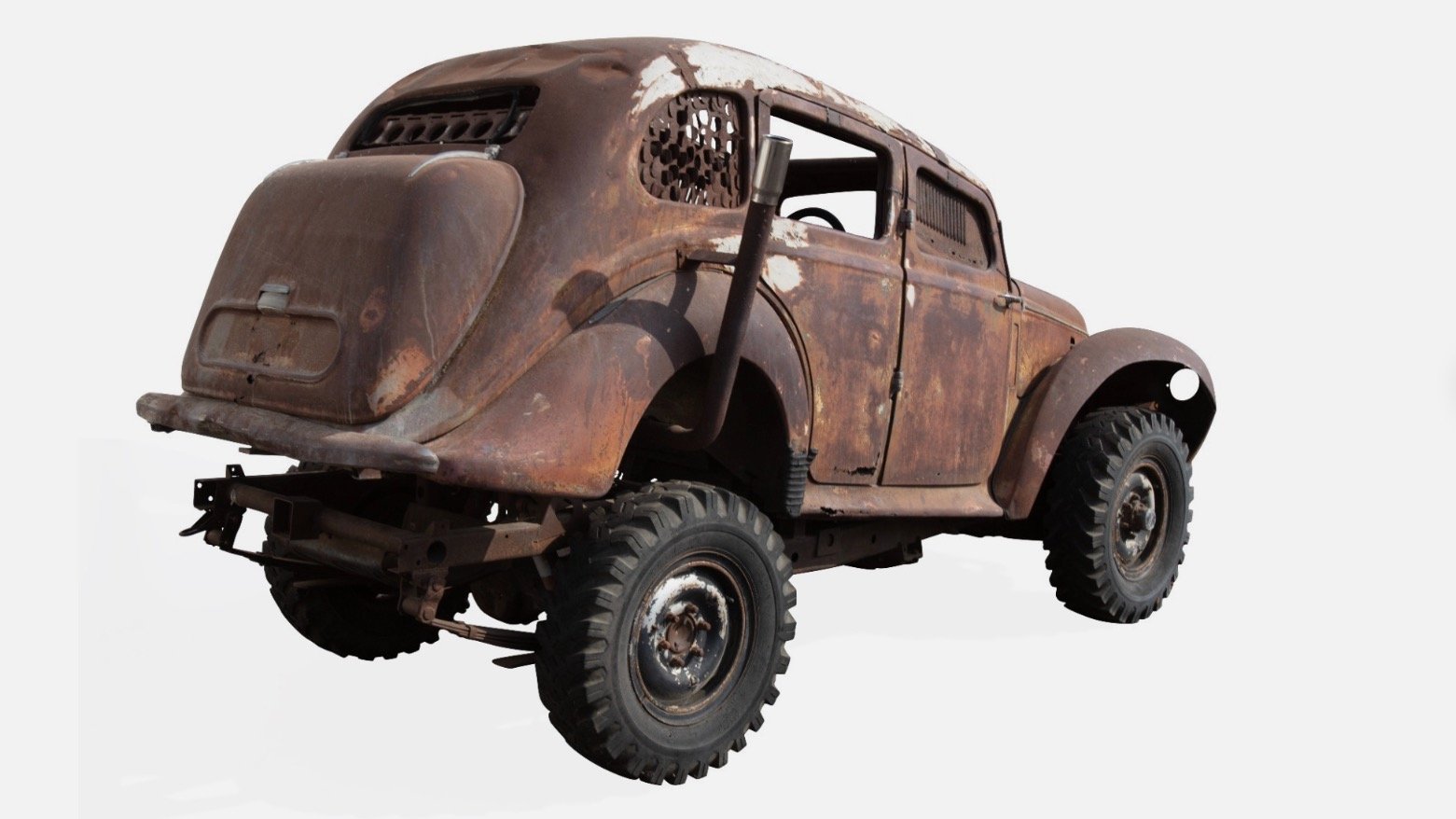
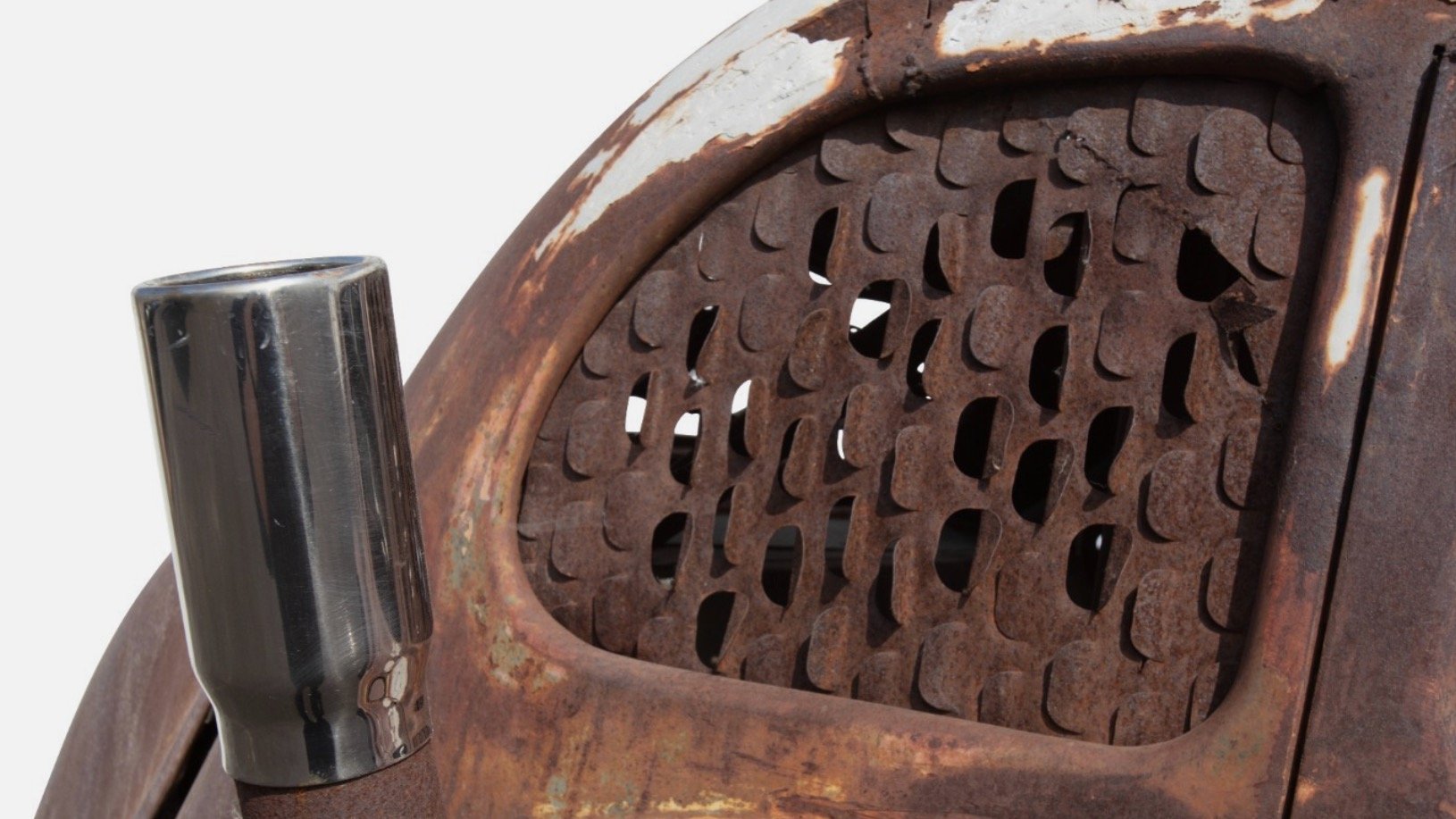
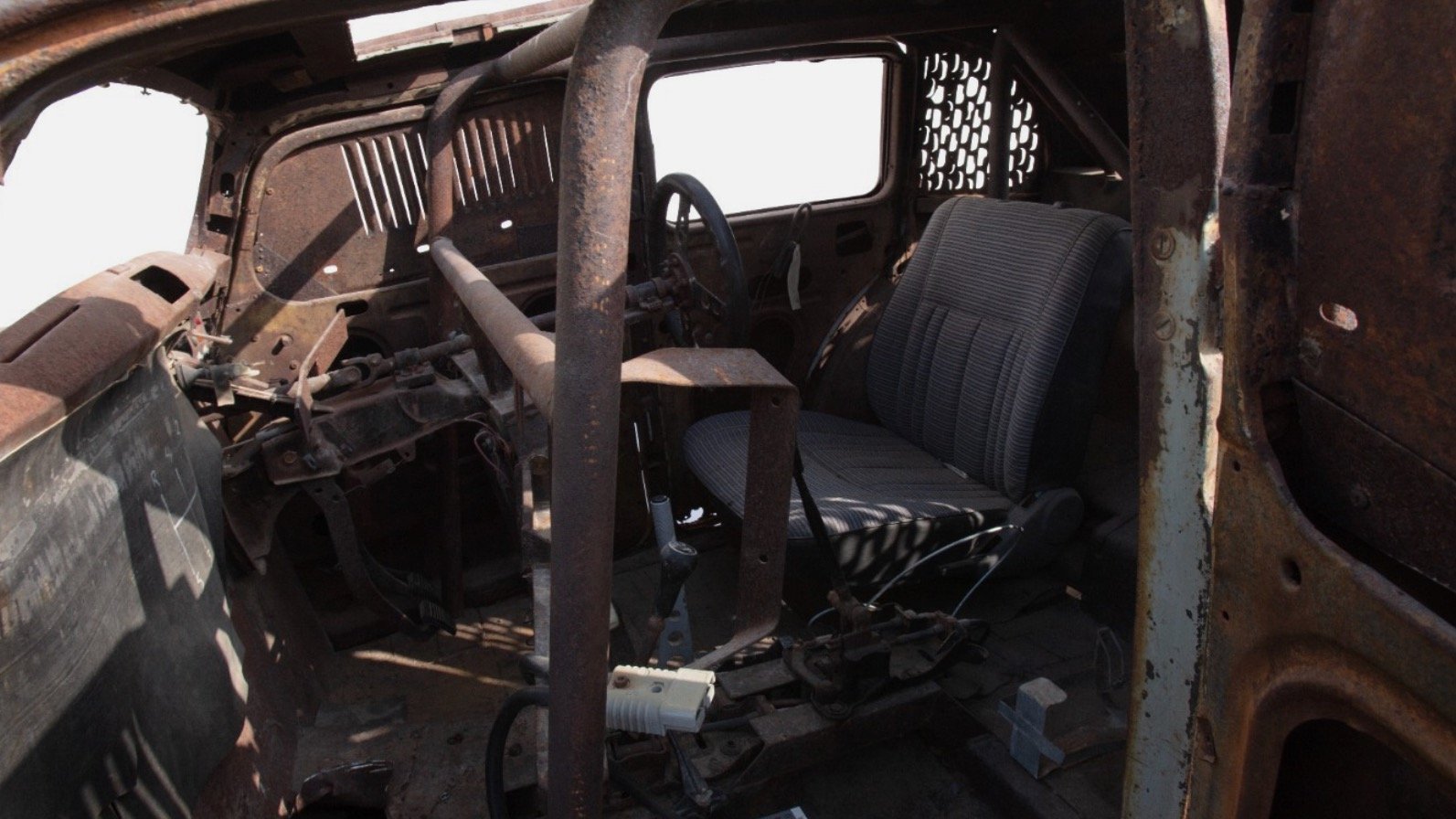
The modifications are extensive. The vehicle features a significantly jacked-up rear end, massive off-road tires, and a custom exhaust system that exits through the rear wheel well. The interior has been stripped of all creature comforts, replaced by a roll cage, a competition-style handbrake, and a battery kill switch, all hallmarks of a vehicle intended for stunt performance. It is right-hand drive, shifting through a five-speed manual transmission, and carries a patina of "authentic" desert decay that no garage-built replica could truly replicate.
Chronology: The Journey from Screen to Auction Block
The history of this particular Minx is as fractured as the world it was built to inhabit.
- 2014-2015: The vehicle is constructed in Australia for the filming of Mad Max: Fury Road. While it does not feature prominently in the final cut of the film, it is captured in background shots, specifically on a car carrier within the convoy.
- The "Buzzard" Association: In 2024, the vehicle appeared at a Propstore Auction, where it was cataloged as a potential "Buzzard" buggy. The Buzzards were the scavenging antagonists who attacked Furiosa’s War Rig early in the film using spiked, metal-clad vehicles. It is believed that this Minx was designed for that sequence but ultimately sidelined as the scene’s choreography evolved.
- 2026 (Present): The vehicle resurfaces on eBay via Goldin. The current listing provides a rare look at a piece of production history that, while peripheral to the main narrative, remains a tangible artifact of one of the most influential action films of the 21st century.
Supporting Data: Why This Car Matters
To the uninitiated, this might look like a pile of scrap metal. To the automotive historian and film buff, it is a fascinating case study in "re-purposing."
The Engineering Mismatch
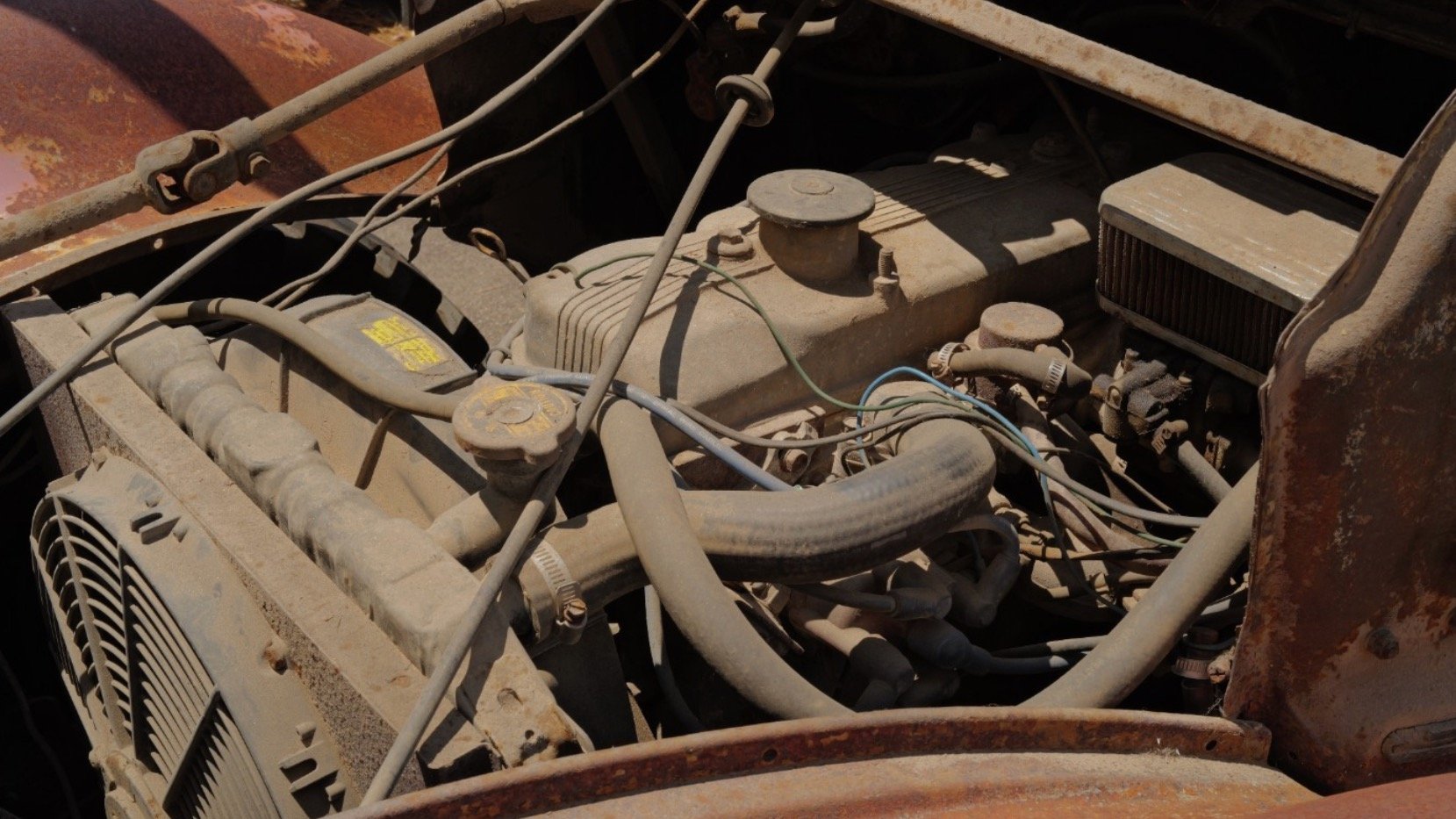
The decision to use a Mitsubishi L300 chassis is particularly inspired. The L300, often found in the Delica 4×4 configuration, is famous for its "cab-over" design and robust, ladder-frame construction. By placing the Hillman body atop this platform, the engineers provided the car with a high ground clearance and a wheelbase capable of handling the uneven, sandy terrain of the filming location.
Rarity and Value
The 1948 Hillman Minx is a rare sight in the United States, as the British marque never maintained a significant footprint in the American market. When combined with the provenance of being a studio-built "stunt" car, the vehicle gains a unique market position. It is not just a vintage car; it is a piece of cinematic memorabilia. However, potential buyers should note the disclaimer included in the auction: the vehicle is sold as a collector’s item and is "not intended for driving." This is standard for film-used vehicles, which often lack the safety equipment, road-legal lighting, or emissions compliance required for public roads.
Official Responses and Production Lore
While George Miller and his production designers have given numerous interviews regarding the "hero" cars, minor background vehicles like this Minx are rarely the focus of official press. However, the documentation provided by previous auction houses confirms its origins.
The vehicle was built by the same team responsible for the War Rig and The Gigahorse. The production philosophy was simple: if it’s on screen, it must work. Even if the car was only used for transport shots or as a background filler on a car carrier, it was required to be a self-propelled, functional unit. This commitment to physical reality is what gives Fury Road its weight; even the "junk" in the background has a sense of mass and history that CGI simply cannot mimic.
Implications for Collectors and the Industry
The appearance of the Minx on the open market highlights a growing trend in the automotive world: the rise of "Cinematic Provenance."
The Rise of Movie-Car Collectibility
For decades, the market for movie cars was dominated by a few famous models, such as the Aston Martin DB5 from Goldfinger or the Ford Mustang from Bullitt. Today, collectors are increasingly looking for the "workhorse" cars—the background vehicles that defined the atmosphere of a film. This Hillman Minx represents a more accessible entry point for those wanting to own a piece of a legendary production.
The DMV Challenge
The final, and perhaps most humorous, implication is the difficulty of ownership. Should a buyer attempt to register this vehicle for street use, they would face an uphill battle with the Department of Motor Vehicles. With no clear VIN history, a chassis mismatch, and a build purpose strictly defined as "stunt work," the vehicle is effectively a "static" sculpture. It is an object meant for a museum, a private collection, or perhaps a very dedicated Mad Max fan’s garage.
Preservation vs. Customization
There is also the question of preservation. Does one clean the car, or does one preserve the "desert dust" and the specific modifications made for the film? In the world of movie memorabilia, the damage, the rust, and the custom welds are the car’s pedigree. To "restore" the car would be to destroy the very thing that makes it valuable.
Conclusion
The 1948 Hillman Minx from Mad Max: Fury Road is a bizarre, beautiful, and ultimately haunting relic of a bygone production era. It represents the intersection of British automotive history, Japanese industrial utility, and the creative madness of Hollywood. Whether or not it ever hits the road again, it serves as a reminder that even the smallest, most overlooked elements of a film can hold a story worth telling. For the right buyer, it is more than just a car; it is a piece of the wasteland, preserved in steel, waiting for a new home.
