




Introduction
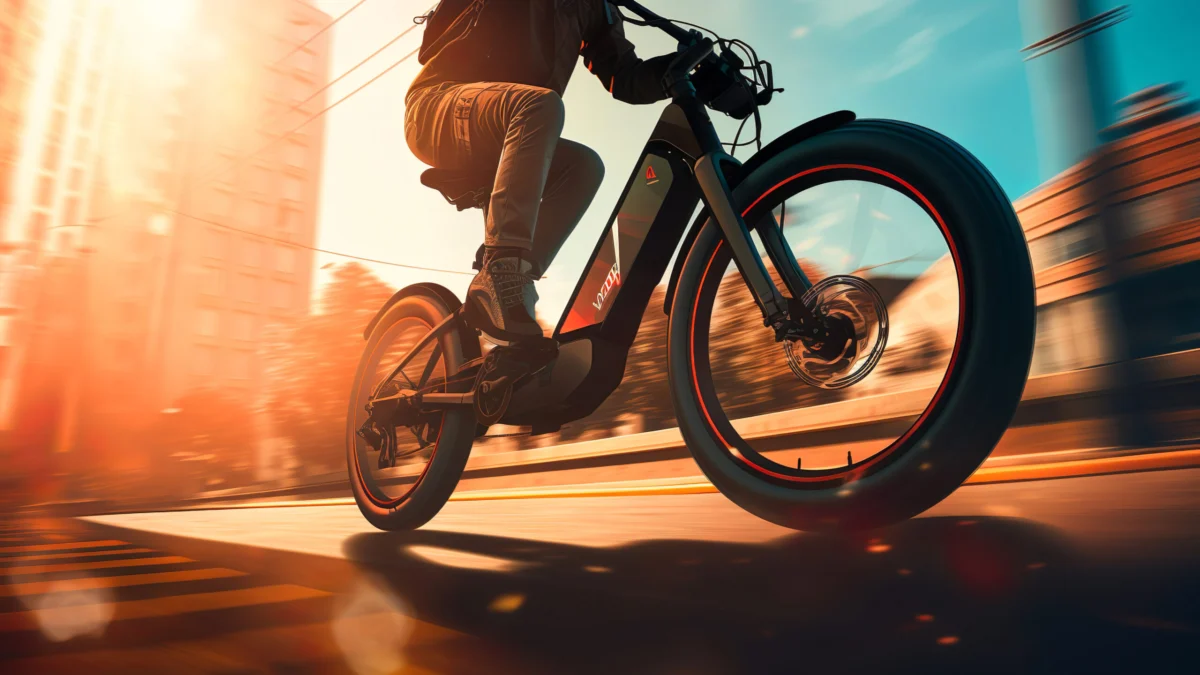
The landscape of urban mobility in Illinois is set for a seismic shift. Governor JB Pritzker has officially signed Senate Bill 3484 into law, a landmark piece of legislation that reclassifies high-speed electric bicycles and micromobility devices. Starting January 1, 2027, riders of high-powered electric bikes capable of exceeding 28 mph will be treated under the law more like motorists than cyclists. This new mandate requires these operators to possess a valid driver’s license, vehicle title, registration, and proof of liability insurance—a significant departure from the current regulatory environment that largely categorizes e-bikes alongside traditional, pedal-powered bicycles.
As Illinois joins New Jersey as one of the few states to enforce such stringent requirements, the legislation highlights a growing national tension: how to integrate rapidly evolving, high-speed micro-transportation into infrastructure designed for either slow-moving pedestrians or heavy, conventional automobiles.
The Core Mandates of Senate Bill 3484
The legislation serves as a regulatory "fence" designed to curb the risks associated with the proliferation of high-performance electric mobility. By distinguishing between traditional e-bikes and "high-speed" variants, the law creates a tiered system of accountability.
Licensing and Financial Responsibility
For any electric vehicle capable of surpassing the 28-mph threshold, the state now views the device as a motorized vehicle. Consequently, the operator must meet the following criteria:
- Driver’s License: Operators must be legally licensed to operate a motor vehicle in the state.
- Registration and Titling: Devices must be registered with the Secretary of State’s office, effectively creating a paper trail for ownership and accountability.
- Insurance: Riders must carry liability insurance, ensuring that in the event of a collision, victims have a clear path to compensation—a protection previously unavailable in many bike-related accidents.
Sidewalk and Speed Restrictions
Beyond insurance, the law addresses the physical presence of these devices on public infrastructure. The bill introduces a blanket prohibition on operating e-bikes, e-scooters, electric skateboards, and electric unicycles on sidewalks. Furthermore, it strictly enforces a 28-mph speed limit on roads, designated bike lanes, and established bike paths. By mandating these limits, the state aims to reduce the "speed differential" between traditional cyclists and high-powered motor users, which is often cited as a leading cause of accidents.
A Chronological Shift: From Innovation to Regulation
The path to Senate Bill 3484 was paved by the meteoric rise of e-mobility during and after the COVID-19 pandemic.
- 2020–2022: The Boom Period. Urban dwellers flocked to e-bikes as a socially distanced, efficient alternative to public transit. Manufacturers responded with increasingly powerful motors, pushing top speeds well beyond the traditional "Class 3" e-bike limits of 28 mph.
- 2023: The Data Gathering Phase. As the number of high-speed devices on the road increased, so did reports of serious injuries. Public health officials and insurance agencies began tracking a spike in emergency room visits related to "micromobility" accidents.
- 2024: Legislative Drafting. Lawmakers, prompted by concerns from municipalities regarding sidewalk safety and accident liability, began drafting SB 3484. The bill faced scrutiny from industry groups but ultimately gained bipartisan momentum.
- April 2026: Governor’s Signature. Governor Pritzker signed the bill into law, providing a multi-month runway for the public to adapt to the new requirements before the January 2027 enforcement date.
Supporting Data: Why the Crackdown?
The move by Illinois is not happening in a vacuum. Insurance industry analysts and safety researchers have been ringing alarm bells regarding the risks inherent in high-speed electric devices.
The Rise of Battery Hazards
Data from Verisk, a global data analytics and risk assessment firm, has indicated a significant spike in claims involving battery-related fire risks. Lithium-ion batteries, when compromised or poorly manufactured, have been the source of high-intensity fires that are difficult to extinguish. This has placed significant pressure on the insurance industry to re-evaluate how these devices are underwritten.
Injury Trends and Liability
According to industry reports from Progressive, most U.S. states continue to classify e-bikes as bicycles. This classification historically exempted riders from insurance requirements. However, the lack of liability coverage has left many victims of e-bike collisions without recourse when a high-speed rider causes property damage or bodily injury. By mandating insurance, Illinois is attempting to bring the legal reality in line with the kinetic energy these devices produce.
Official Responses and Public Policy Rationale
The rhetoric surrounding the bill focuses on public safety as a non-negotiable priority.
Illinois Secretary of State Alexi Giannoulias has been a vocal proponent of the legislation. In a statement following the signing, Giannoulias emphasized that the current regulatory gap was becoming unsustainable. "As these high-powered devices become faster and more common on our streets and sidewalks, the stakes are simply too high to leave them unregulated and outpacing public safety," Giannoulias said.
The government’s position is clear: the state is not attempting to ban e-bikes, but rather to categorize them correctly. The argument is that an object weighing 60 to 100 pounds and traveling at speeds over 28 mph is physically distinct from a 20-pound bicycle, and therefore, it should be treated with the same legal rigor as a motorcycle or moped.
Implications: The Road Ahead
The implementation of SB 3484 will have profound implications for commuters, manufacturers, and urban planners.
Impact on Commuters
For the average rider, the new law adds administrative friction. Those who utilize high-powered e-bikes for daily commutes will need to navigate the DMV (or Secretary of State) processes for the first time. This may lead to a cooling effect on the purchase of high-performance models, potentially driving consumers toward lower-speed, regulated e-bikes that remain exempt from these specific requirements.
Impact on Urban Infrastructure
City planners will likely view this as a win for sidewalk safety. The explicit prohibition of e-scooters and high-speed bikes on sidewalks is expected to protect pedestrians, particularly the elderly and those with mobility impairments. However, this also puts the onus on cities to provide better, safer bike lanes where these devices can legally operate without being forced into high-traffic motor vehicle lanes.
Industry and Retail Considerations
Retailers of electric micromobility devices will now have to clearly label their inventory according to speed and power capabilities. Manufacturers will likely be pressured to build "governor" technology into their devices to prevent them from exceeding the 28-mph limit, or to provide the necessary documentation to assist buyers in the registration process.
The Insurance Market
We are likely to see the emergence of specialized insurance products. While standard auto insurance policies might be adapted to cover high-speed e-bikes, there is a clear opportunity for boutique insurance providers to offer tailored, lower-cost coverage for the micromobility market. This could become a significant new revenue stream for the insurance sector.
Conclusion
The signing of SB 3484 marks a maturing of the micromobility industry in Illinois. While the transition will require effort from riders and the state alike, the legislation addresses a critical regulatory void. By balancing the need for sustainable, fast transportation with the realities of modern traffic safety and liability, Illinois is setting a potential template for other states to follow.
As we look toward January 1, 2027, the focus will shift to implementation. Whether the state can effectively manage the registration of thousands of electric devices, and whether riders will comply with the new licensing and insurance mandates, remains to be seen. However, one thing is certain: the "wild west" era of high-speed e-mobility in Illinois is coming to a close, replaced by a new framework of accountability and, ideally, safer streets for all.
