



By Alejandra Carranza | Supply Chain Dive
Published September 28, 2026
A broad coalition of U.S. shipper associations, retail trade groups, and logistics providers has launched a concerted effort to prevent the reintroduction of controversial Section 301 vessel fees targeting China-linked ocean carriers. In a formal letter addressed to U.S. Trade Representative (USTR) Jamieson Greer on September 23, these stakeholders argued that allowing the current fee suspension to expire would exacerbate an already fragile transportation landscape, injecting new costs and uncertainty into global supply chains.
The fees, which were originally conceptualized as part of a strategic push by the Trump administration to reclaim U.S. maritime dominance, are currently subject to a moratorium that is set to expire on November 9, 2026. As the deadline approaches, the industry’s plea highlights the tension between national security-driven trade policy and the practical realities of a globalized, cost-sensitive logistics sector.
Main Facts: The Scope of the Potential Levy
The proposed fees stem from a comprehensive Section 301 investigation into China’s influence over the global maritime, logistics, and shipbuilding industries. The USTR’s investigation concluded that China’s state-led initiatives in these sectors posed a risk to U.S. economic interests, leading to the design of a punitive fee structure for vessels deemed to be "China-linked."
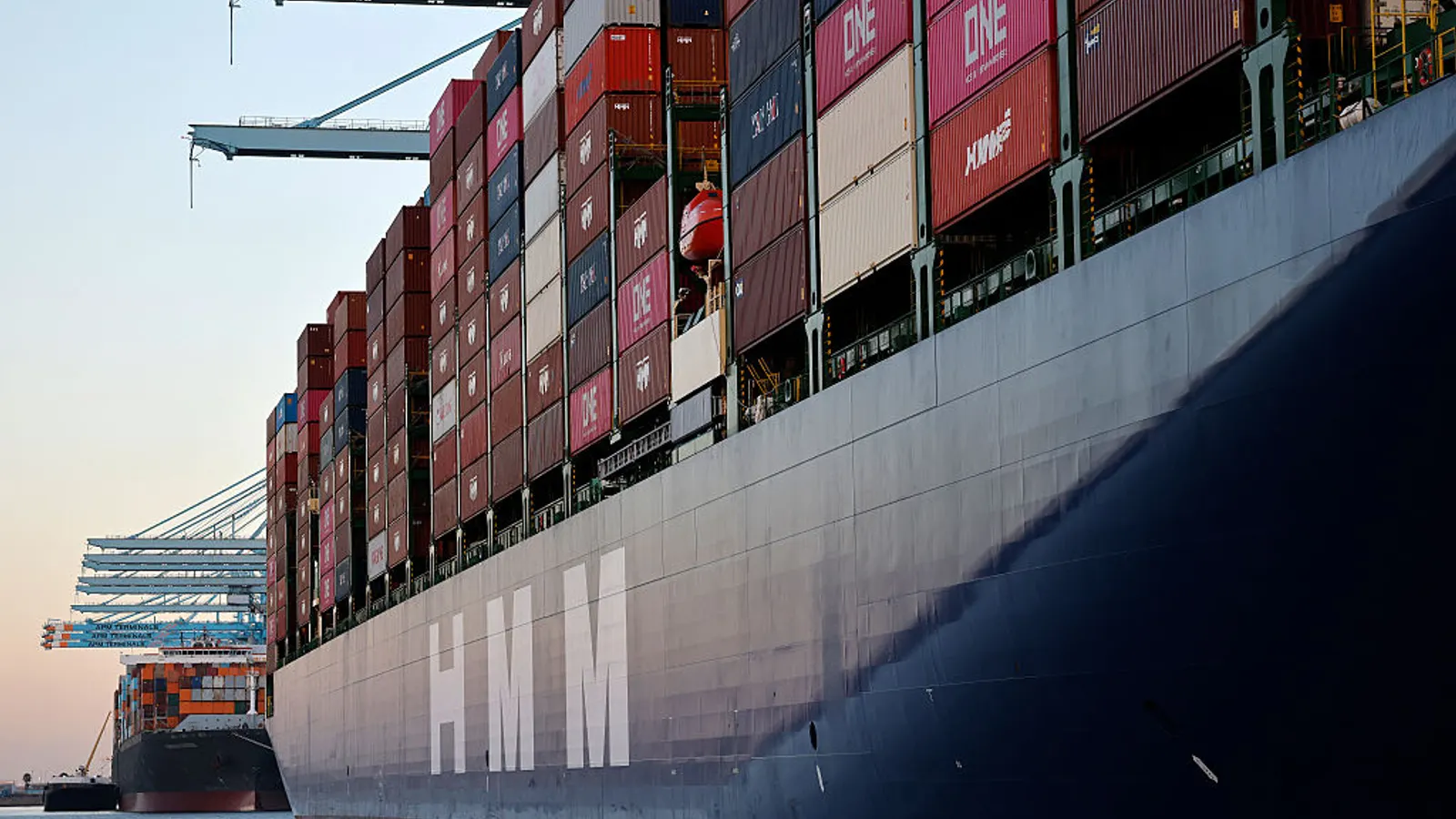
Under the original framework, ships built in China, or those owned or operated by entities with significant ties to the country, would face substantial financial penalties. The structure was designed to be aggressive:
- Fee Structure: Penalties were calculated to reach as high as $120 per container or $18 per net ton, depending on the vessel’s specifications.
- Escalation Clause: The regulation included provisions for annual increases every April, creating a compounding financial burden for ocean carriers and, by extension, the beneficial cargo owners (BCOs) who lease space on these ships.
- Suspension Status: While the policy was slated to take effect in October 2025, a temporary suspension was granted on November 10, 2025, providing a reprieve that has allowed for relative stability in transpacific shipping costs for the past year.
Chronology: A Year of Policy and Pushback
To understand the current urgency, one must look at the timeline of the USTR’s maritime enforcement efforts:
- 2024-2025 (The Investigation): The USTR conducts a year-long investigation into Chinese shipbuilding subsidies and port logistics dominance, culminating in a report that suggests punitive measures are necessary to "level the playing field" for U.S.-flagged vessels and domestic shipyards.
- October 2025 (Initial Implementation Date): The fees are scheduled to go live. However, widespread industry outcry regarding the potential for massive inflationary pressure leads to a last-minute pause.
- November 10, 2025: The USTR formally suspends the collection of these fees, citing the need for further economic analysis and industry consultation.
- September 23, 2026: A coalition—including the National Retail Federation (NRF), the Retail Industry Leaders Association (RILA), and the Agriculture Transportation Coalition (AgTC)—submits a formal request to Ambassador Jamieson Greer, urging an extension of the suspension beyond the upcoming November 9 expiration.
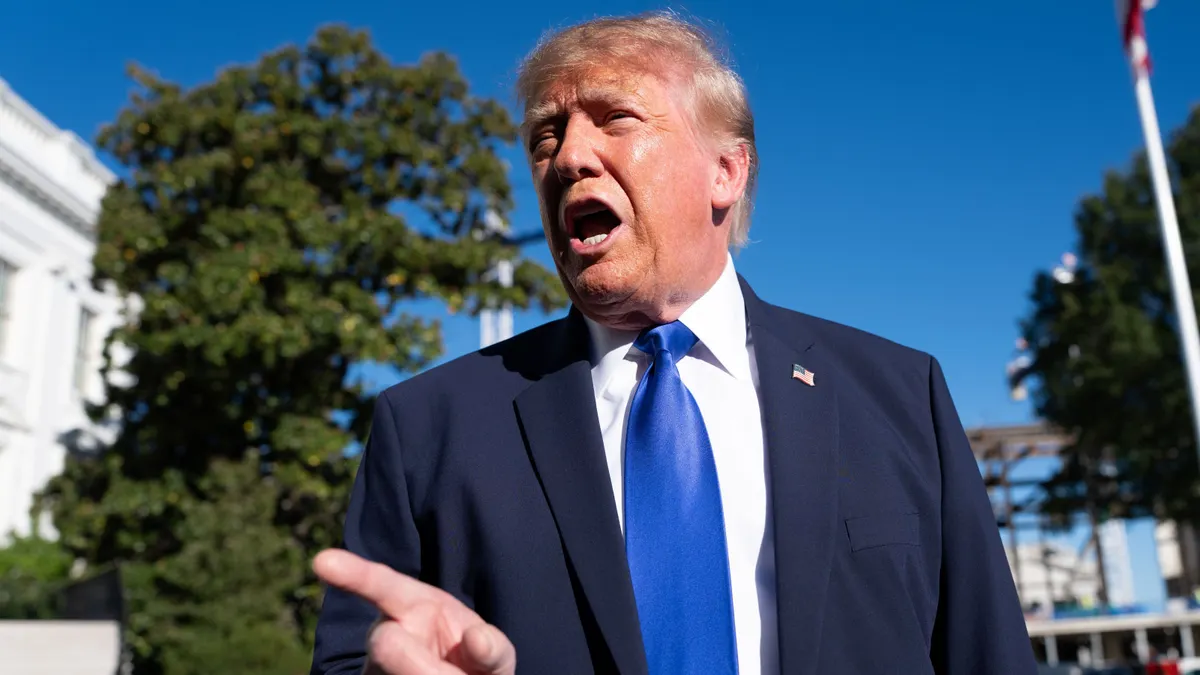
- Late 2026: The request coincides with heightened diplomatic activity, specifically a high-stakes meeting between President Donald Trump and China’s President Xi Jinping in Washington, D.C., where trade relations are expected to be a primary agenda item.
Supporting Data: Why Stakeholders Are Concerned
The coalition’s argument against the fees is rooted in the current state of the transpacific trade lane, which remains volatile despite signs of cooling freight rates. According to the letter submitted to the USTR, the logistics sector is currently battling a "perfect storm" of constraints:
- Capacity and Blank Sailings: Carriers continue to implement "blank sailings" (canceled port calls) to artificially manage capacity, which has kept spot rates elevated despite lower-than-anticipated consumer demand.
- Inland Infrastructure Constraints: Beyond the ocean leg, port congestion and inland network bottlenecks remain persistent. Adding financial strain to the ocean carriers—who are already grappling with high fuel costs and equipment shortages—could result in further service degradation.
- Equipment Availability: Shippers have reported acute shortages of chassis and containers, an issue that could be compounded if carriers choose to bypass U.S. ports to avoid the Section 301 levies.
"Imposing new or resumed fees on China-built or China-linked vessels would create immediate and far-reaching consequences for U.S. companies that rely on ocean transportation to move goods into and out of the United States," the industry letter stated.

Official Responses and Strategic Rationale
The USTR, led by Jamieson Greer, faces a difficult balancing act. The administration’s stated goal is to "restore maritime dominance," a policy objective that involves reducing reliance on Chinese shipbuilding and maritime infrastructure. Proponents of the fees argue that without them, the U.S. will continue to lose its competitive edge, as Chinese-built ships dominate the global fleet.
However, the American Association of Port Authorities (AAPA) and other industry bodies have consistently warned that these fees are counterproductive. They argue that:
- The "Crane" Paradox: The administration’s efforts to upgrade U.S. port infrastructure are currently hampered by tariffs on cargo-handling equipment. If the administration taxes the very ships that deliver the goods intended for those ports, the entire supply chain becomes cost-prohibitive.
- Retaliation Risks: Agricultural exporters are particularly concerned. A move to reinstate fees on Chinese vessels could trigger retaliatory measures from Beijing, effectively locking U.S. farmers out of one of their most vital export markets.
Implications for Global Trade and the Consumer
The potential expiration of the fee suspension on November 9 carries significant implications for the broader U.S. economy.
For the Consumer
If the fees are implemented, carriers will almost certainly pass the costs down the line. In a retail environment already sensitive to inflationary pressures, an additional $120-per-container tax acts as a de facto consumption tax. Retailers argue that this would inevitably lead to higher prices for apparel, electronics, and home goods during the crucial end-of-year shopping cycle.

For Global Trade Relations
The timing of this debate, occurring alongside the Trump-Xi summit, suggests that the vessel fees are being used as a bargaining chip. Whether the administration chooses to hold the fees as leverage or drop them as a gesture of good faith remains to be seen.
For the Maritime Sector
The domestic shipbuilding industry, while supportive of measures to limit Chinese competition, has also expressed concerns that the fees may not be enough to spur a rapid resurgence in U.S. manufacturing. Many experts suggest that the U.S. needs a long-term investment strategy—rather than a short-term tariff strategy—to regain its position as a global leader in maritime construction.
Conclusion: A Critical Crossroads
As the November 9 deadline looms, the decision rests with the USTR. The coalition’s letter serves as a stark reminder that in the modern global economy, trade policies are rarely siloed. A policy designed to punish a foreign competitor’s shipbuilding sector has sent shockwaves through the entire U.S. retail and agricultural economy.
Industry leaders are now waiting to see if the USTR will prioritize the administration’s long-term protectionist vision or the short-term economic stability of the supply chain. Until a decision is reached, shippers, carriers, and retailers alike are bracing for what could be a disruptive end to the 2026 shipping season.
