




Main Facts
Tesla’s highly anticipated, private "Cybercab" event has concluded, marking a stark departure from the bombastic, highly publicized, and widely livestreamed spectacles that typically define the electric vehicle maker’s product launches. Built up over several years by Chief Executive Officer Elon Musk as a pivotal moment in Tesla’s transition from a traditional automaker to an artificial intelligence and robotics powerhouse, the event itself was surprisingly low-key. According to attendees, the central keynote address lasted a mere 15 minutes, with Musk reportedly maintaining an uncharacteristically minimal speaking presence during the official presentation.
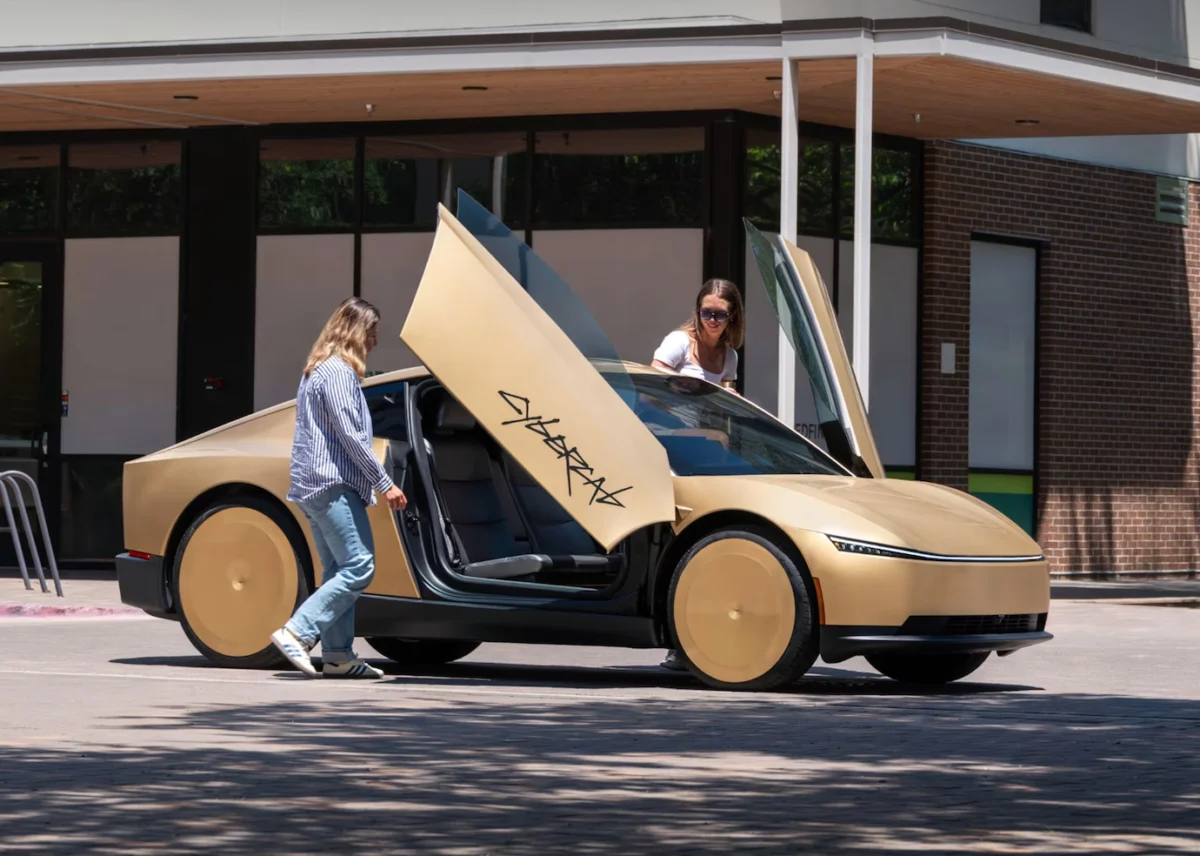
The Cybercab represents Tesla’s bid to democratize autonomous ride-hailing. The company promises a fully driverless vehicle operating without steering wheels or pedals, relying exclusively on a camera-based vision system and proprietary artificial intelligence networks. Crucially, Tesla claims the vehicle will be manufactured at a cost significantly lower than the sensor-heavy autonomous vehicles operated by competitors like Alphabet’s Waymo.
However, rather than presenting a comprehensive technical blueprint during the brief keynote, Tesla chose to disperse critical operational and mechanical details across several channels. These included newly published PDFs, updated Terms of Service within Tesla’s proprietary "Robotaxi" application, and social media disclosures shared by a select group of brand enthusiasts and influencers who attended the gathering.
Amidst these technical disclosures, Tesla faces immediate regulatory scrutiny. The National Highway Traffic Safety Administration (NHTSA) has officially opened an investigation into the deployment and operational safety of Tesla’s autonomous systems, casting a shadow over the timeline for the Cybercab’s commercial rollout.
Chronology
The path to the Cybercab’s unveiling reveals a shifting corporate strategy, followed by an unconventional informational rollout and immediate regulatory pushback:
[2024–2026] Tesla pivots development focus from a low-cost passenger car ("Model 2") to a dedicated, purpose-built autonomous robotaxi platform.
       │
[September 2026] Tesla hosts an exclusive, invitation-only, non-livestreamed "Cybercab" event featuring a brief 15-minute keynote.
       │
[Post-Event Release] Tesla quietly publishes technical PDFs and updates its "Robotaxi" app Terms of Service, detailing operational limits.
       │
[Post-Event Socials] Attendees and influencers disseminate physical design details, such as manual overrides and USB-C wattage, online.
       │
[Immediate Aftermath] The NHTSA launches a formal safety investigation into the Cybercab’s planned deployment and autopilot systems.
For years, Tesla’s long-term valuation has been heavily tethered to the promise of full autonomy. Musk repeatedly postponed timelines for a dedicated "Robotaxi," redirecting capital and engineering talent away from a rumored $25,000 entry-level passenger vehicle to prioritize a bespoke driverless platform.
When the unveiling finally occurred, the exclusive nature of the event left many retail investors and industry analysts searching for answers. The subsequent drip-feed of information occurred not through a unified press conference, but via legal disclosures in the updated Robotaxi app and technical documents uploaded to Tesla’s servers.
Almost immediately following the event, federal regulators intervened. The NHTSA’s decision to open an active investigation into the Cybercab’s deployment represents the latest chapter in a long-standing conflict between the federal safety agency and Tesla regarding the real-world safety of its driverless software.
Supporting Data and Technical Deep Dive
A close analysis of the technical documentation, application terms, and physical vehicle inspections reveals several notable engineering choices, safety compromises, and operational constraints.
┌─────────────────────────────────────────────────────────────────┐
│                    TESLA CYBERCAB PROFILE                       │
├──────────────────────────────┬──────────────────────────────────┤
│ Autonomous Sensor Suite      │ Vision-Only (Cameras & AI)       │
├──────────────────────────────┼──────────────────────────────────┤
│ Minimum Passenger Age        │ 13 Years Old (Unaccompanied <18  │
│                              │ prohibited)                      │
├──────────────────────────────┼──────────────────────────────────┤
│ Child Seat Anchors           │ None (Seatbelt-only attachment)  │
├──────────────────────────────┼──────────────────────────────────┤
│ Braking System               │ Brake-by-Wire (Electro-actuators)│
├──────────────────────────────┼──────────────────────────────────┤
│ Charging/Auxiliary Power     │ 90W USB-C Outlets                │
├──────────────────────────────┼──────────────────────────────────┤
│ Cabin Ventilation            │ Partial-opening windows only     │
└─────────────────────────────────────────────────────────────────┘
Demographics and Age Restrictions
The fine print of Tesla’s updated Robotaxi service terms introduces strict demographic limitations for passengers:
- Under-13 Ban: Tesla explicitly prohibits minors under the age of 13 from riding in the Cybercab "at this time."
- The Model Y Contrast: This restriction contrasts with Tesla’s "Robotaxi" Model Y SUVs—specially outfitted versions of its existing passenger vehicles—which permit minors between the ages of 8 and 17 to ride.
- Chaperone Requirements: For both the Cybercab and the Model Y Robotaxi, all passengers under the age of 18 must be accompanied by an adult.
- Child Safety Seats: The Cybercab lacks standard LATCH (Lower Anchors and Tethers for Children) hardware. Parents wishing to secure a child seat must rely solely on the vehicle’s integrated seatbelts. This omission aligns with Tesla’s aggressive manufacturing strategy of eliminating redundant or non-essential parts to lower production costs, though it presents a practical hurdle for families.
Crash Protocols and High-Voltage Safety
To mitigate the risks associated with driverless operations during an accident, Tesla has programmed a highly specific sequence of automated actions when the Cybercab detects a collision:
- Airbag Deployment: Standard cabin airbags inflate based on impact telemetry.
- Automatic Unlocking: Electronic door latches automatically release to prevent passengers from being trapped.
- Environmental Adjustments: Hazard lights and interior cabin lights illuminate, while the side windows automatically roll down to a pre-designated "vent" position.
- Electrical Shutdown: The vehicle’s high-voltage battery pack is instantly isolated and disabled to minimize fire risk.
- Active Braking: The vehicle applies secondary braking pressure to bring the car to a complete stop and engage the parking brake.
- Emergency Communication: The onboard infotainment system automatically initiates a live, two-way voice and data connection with Tesla’s dedicated rider support team.
Interior Ergonomics and Manual Overrides
Tesla’s reliance on electronic door latches has previously drawn regulatory scrutiny, particularly in international markets. In China, Tesla recently participated in an industry-wide recall affecting millions of vehicles to address electronic door systems that could fail to unlock during power losses.
To address these safety concerns, the Cybercab features an easily accessible, highly visible manual door release lever integrated directly into the armrest of each door. This design represents a notable improvement over the Model 3 and Model Y, where manual release tabs are recessed and often difficult for passengers to locate in low-light emergency scenarios.
[Exterior Button / App Command] ──> Activates Electronic Latch ──> Door Opens Automatically
                                                                        │
[Power Failure / Emergency]     ──> Armrest Manual Release Pull ──> Mechanical Override
Brake-by-Wire Integration
The Cybercab utilizes a complete brake-by-wire system, removing the traditional hydraulic lines, master cylinders, and fluid reservoirs found in conventional cars. Instead, electronic actuators receive digital signals from the vehicle’s central computer to compress the brake calipers.
This system mirrors the steer-by-wire technology introduced on the Cybertruck. By removing physical fluid lines, Tesla reduces assembly complexity, vehicle weight, and long-term maintenance needs, though it places complete reliance on electrical system redundancy.
Auxiliary Specifications
- Window Limitations: The Cybercab’s side windows are engineered such that they cannot be fully rolled down by passengers. Tesla’s documentation does not provide an official engineering or safety rationale for this restriction.
- High-Wattage Power Delivery: Cabin diagnostics shared by event attendees confirm that the Cybercab’s interior USB-C ports deliver up to 90 watts of power. This is roughly four times the power output of standard automotive USB ports, allowing passengers to charge high-draw devices like laptops during transit.
Official Responses
Federal Regulatory Action
The National Highway Traffic Safety Administration (NHTSA) has formally initiated an investigation into Tesla’s driverless vehicle operations. The federal agency is evaluating the safety of Tesla’s Autopilot and Full Self-Driving (FSD) suites, focusing on how these systems perform in low-visibility environments, adverse weather conditions, and unexpected roadway obstacles.
The NHTSA’s investigation will determine whether Tesla’s vision-only system possesses the necessary hardware redundancy to operate safely without human supervision. A negative finding could delay or halt the commercial deployment of the Cybercab on public roads.
Corporate Strategy and Communications
Tesla, which disbanded its dedicated public relations department in 2020, did not issue a formal press release explaining the brief nature of the Cybercab event or the specific engineering trade-offs of the vehicle. Instead, the company relies on its official digital documentation, updated software terms, and Musk’s personal social media communications on platform X to interface with the public and investors.
In defensive of the brake-by-wire architecture, Musk posted online: "Having electric brakes avoids the complexity of a hydraulic system: no need to route plumbing all around the car."
Implications
The Vision-Only Gamble
Tesla’s decision to build a robotaxi entirely devoid of LiDAR (Light Detection and Ranging) or radar sensors sets it apart from every other major autonomous vehicle developer. While Waymo, Cruise, and Zoox utilize multi-sensor suites to construct highly detailed 3D maps of their surroundings, Tesla relies solely on neural networks trained on millions of video clips captured by its customer fleet.
If Tesla successfully proves to regulators that cameras and AI are sufficient for Level 5 autonomy, it will enjoy an enormous cost advantage, enabling rapid global scaling. Conversely, if the NHTSA or local state departments of motor vehicles demand sensor redundancy, Tesla may be forced to redesign the Cybercab’s hardware architecture, resulting in significant delays.
                    ┌──────────────────────────────┐
                    │  AUTONOMY SENSOR PHILOSOPHY  │
                    └──────────────┬───────────────┘
                                   │
         ┌─────────────────────────┴─────────────────────────┐
         ▼                                                   ▼
┌─────────────────────────────────┐                 ┌─────────────────────────────────┐
│        TESLA CYBERCAB           │                 │       WAYMO / COMPETITORS       │
├─────────────────────────────────┤                 ├─────────────────────────────────┤
│ • Cameras Only (Vision-Based)   │                 │ • LiDAR (Light Radar)           │
│ • End-to-End Neural Networks    │                 │ • Radar + Ultrasonic Sensors    │
│ • Lower Manufacturing Cost      │                 │ • High-Resolution HD Mapping    │
│ • Higher Computational Load     │                 │ • Higher Hardware Redundancy    │
└─────────────────────────────────┘                 └─────────────────────────────────┘
Fleet Ownership and the Ride-Hailing Market
The Cybercab’s design and operating terms suggest a distinct business model. The lack of standard family-friendly features, such as LATCH child seat anchors and unrestricted windows, suggests the vehicle is optimized for high-turnover urban commuting rather than personal family use.
Tesla’s long-term plan involves a hybrid fleet model: the company will own and operate its own fleet of Cybercabs in major metropolitan areas, while also allowing individual Tesla owners to opt their private vehicles into the network during idle hours.
Financial and Market Pressures
For investors, the muted Cybercab launch raises questions about Tesla’s near-term product pipeline. With the highly anticipated $25,000 passenger vehicle seemingly deprioritized in favor of autonomous platforms, Tesla’s financial growth is increasingly dependent on the rapid monetization of its Full Self-Driving software.
The regulatory headwinds generated by the NHTSA investigation suggest that widespread, revenue-generating deployment of the Cybercab may be years away, leaving Tesla to navigate a highly competitive global electric vehicle market with its existing, aging vehicle lineup.
