





At Automechanika Frankfurt 2026, MAHLE, the global automotive powerhouse, signaled a definitive shift in the landscape of vehicle maintenance. By unveiling five transformative products and service concepts, the company is not merely updating its tool inventory; it is fundamentally redefining the business model for independent service providers. In an era dominated by rapid electrification, software-defined vehicles, and shifting consumer expectations, MAHLE’s latest suite of innovations aims to bridge the gap between traditional mechanical repairs and the sophisticated requirements of modern digital mobility.
Main Facts: A Holistic Ecosystem Approach
The core of MAHLE’s announcement centers on the transition of the independent workshop from a simple "parts-and-labor" facility into a comprehensive "digital mobility service center." The five key pillars introduced at the trade fair include:
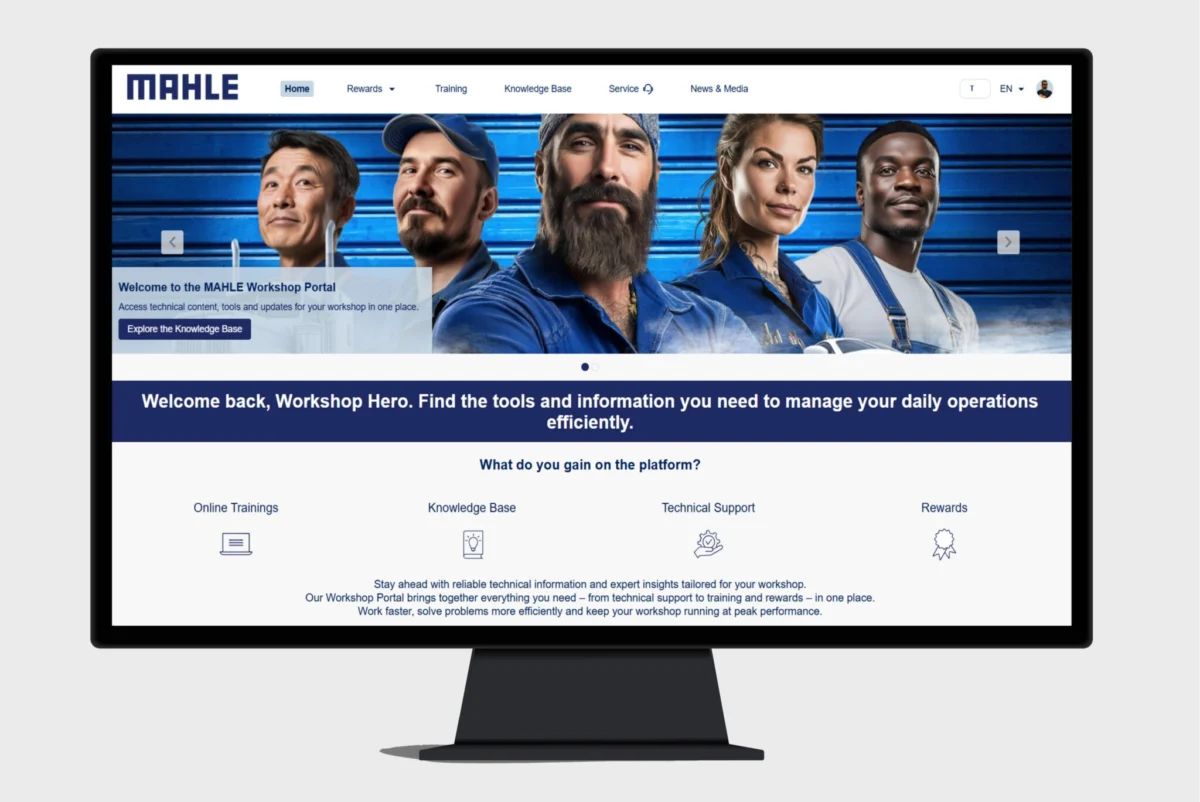
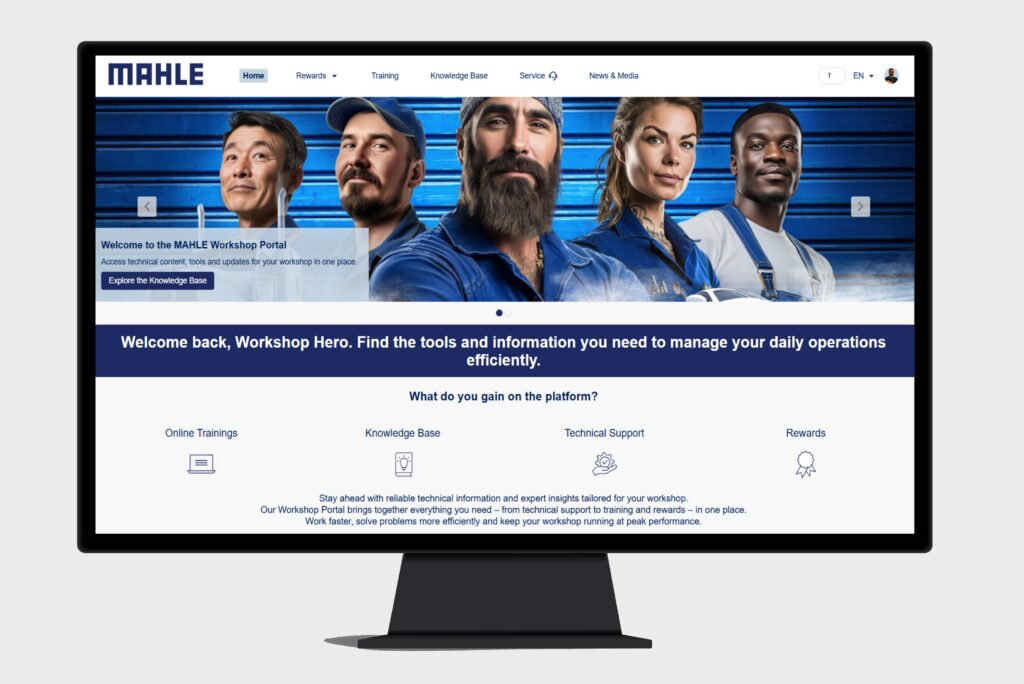
- The MAHLE Workshop Portal: A centralized digital command center for repair shops.
- MAHLE Climate Expert: A business-support concept for thermal management services.
- ArcticPRO A/C Service Units (Next-Gen): High-tech, AI-assisted hardware for climate control maintenance.
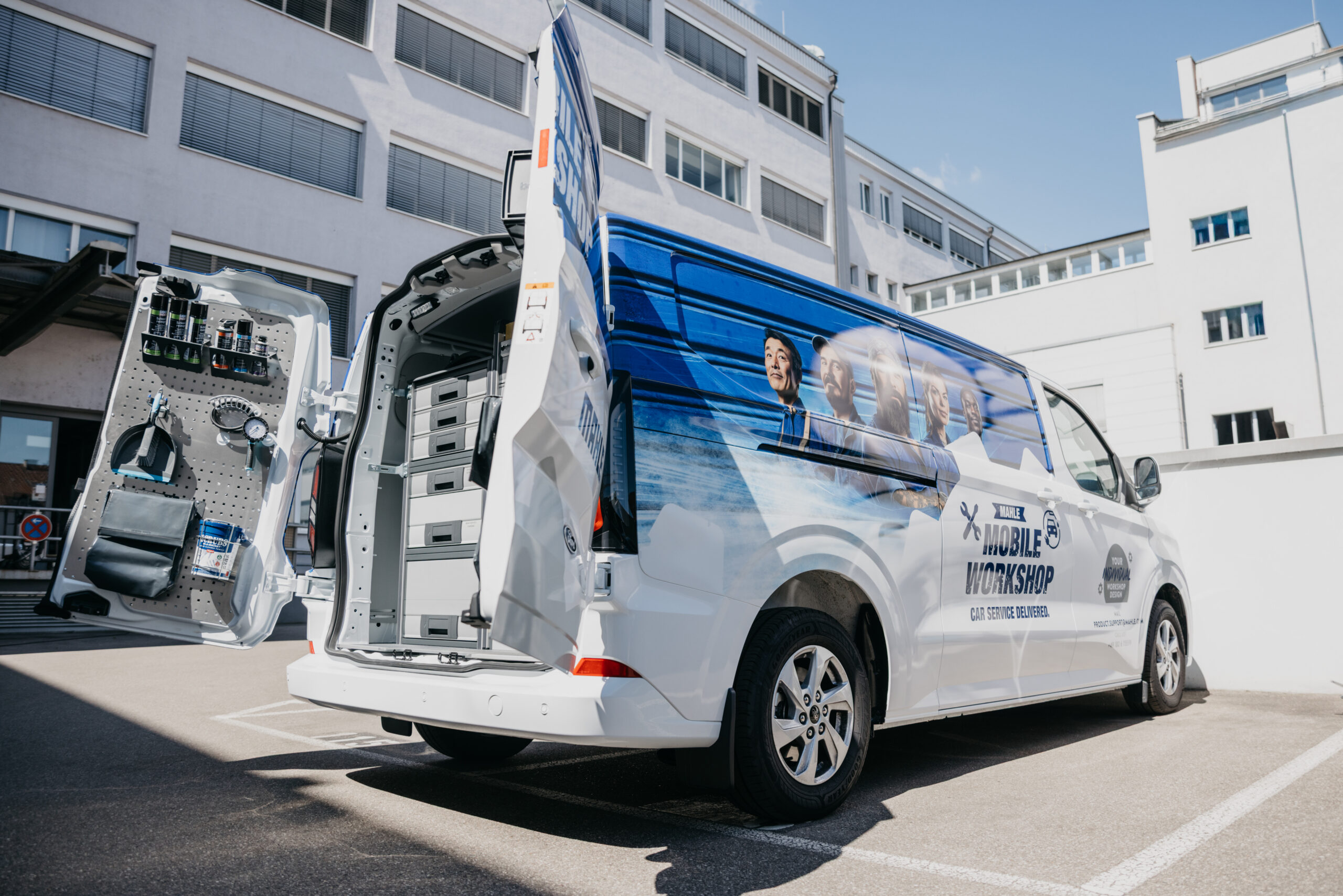
- MAHLE Mobile Service: A fleet-based solution enabling on-site vehicle repairs.
- CareMetix Natural: An eco-engineered cabin air filter utilizing sustainable materials.
These initiatives are designed to act as a cohesive ecosystem. By integrating technical training, AI-driven diagnostics, and mobile logistics, MAHLE is attempting to provide a "one-stop-shop" platform that increases workshop productivity while unlocking new revenue streams for independent operators who might otherwise struggle to keep pace with the technical demands of new-energy vehicles.
Chronology: The Evolution of MAHLE’s Aftermarket Strategy
To understand the significance of these 2026 launches, one must view them through the lens of MAHLE’s long-term strategic evolution.
- 2020–2022: The Digital Foundation. MAHLE began moving away from pure hardware manufacturing, focusing on diagnostics and cloud connectivity. The initial iterations of its diagnostic tools laid the groundwork for remote software updates and cloud-based vehicle health checks.
- 2023–2025: The Transition Phase. As electric vehicle (EV) adoption accelerated, MAHLE shifted its R&D focus toward thermal management—the critical "life support" systems of battery-powered cars. The development of advanced A/C service units capable of handling complex refrigerants became a priority during this period.
- 2026: The Ecosystem Integration. Automechanika Frankfurt 2026 marks the culmination of these efforts. Instead of launching individual products in silos, the company has introduced an integrated "ecosystem" that ties the hardware (ArcticPRO units) to the software (Workshop Portal) and the logistics (Mobile Service).
Supporting Data and Technical Innovations
The technical specifications of the 2026 launch highlight a massive leap in efficiency for workshops.
The Digital Command Center
The Workshop Portal is perhaps the most significant departure from legacy systems. By integrating AI-powered research tools, the portal reduces the time technicians spend searching for technical documentation. The platform’s ticketing system ensures that if a mechanic encounters a "stump-the-tech" scenario, they can immediately leverage MAHLE’s internal expert network. This reduces vehicle downtime—a critical metric for customer retention.
ArcticPRO: The AI-Driven Climate Solution
The new generation of ArcticPRO units is designed to handle the complexities of the modern automotive climate system. With four distinct performance tiers, these units support a diverse range of refrigerants, including R134a, R1234yf, R444A, and R456A.
- AI-Assisted Processes: The units analyze pressure and temperature data in real-time, automating the charging process to prevent human error.
- Connectivity: Automated software updates ensure the machine is always compliant with the latest manufacturer specifications.
- User Interface: The 10-inch touchscreen allows for intuitive operation, significantly reducing the training curve for new apprentices.
Sustainability through Material Science
The CareMetix Natural filter represents MAHLE’s commitment to "Green Aftermarket" initiatives. By replacing synthetic fibers with sheep’s wool, MAHLE has achieved a dual goal: maintaining high-level filtration of pollutants and volatile organic compounds (VOCs) while drastically lowering the product’s carbon footprint. Furthermore, the reduction of plastics in the manufacturing process addresses the growing global concern regarding microplastic pollution in the automotive supply chain.
Official Responses: Redefining the Workshop Business Model
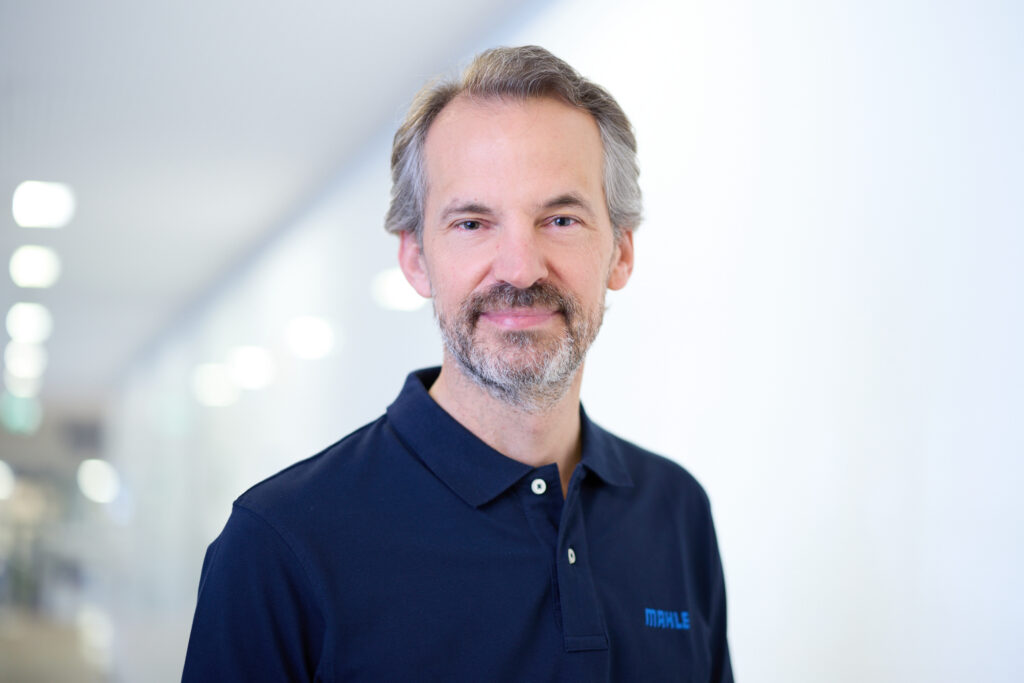
The strategic intent behind these launches was articulated clearly by Philipp Grosse Kleimann, Member of the MAHLE Management Committee and Head of MAHLE Lifecycle and Mobility.
"Our new workshop ecosystem is designed to facilitate the transformation from today’s traditional repair shops into the digital mobility service centers of tomorrow," Grosse Kleimann stated during the press unveiling. He emphasized that the primary challenge for the aftermarket is not just technical complexity, but business sustainability. "We empower distributors and workshops with the right tools to increase productivity, unlock new business opportunities, and achieve sustainable growth."
Grosse Kleimann’s comments reflect a broader industry awareness that the independent aftermarket is at a crossroads. As vehicle manufacturers (OEMs) increasingly tighten their grip on vehicle data and proprietary repair software, independent shops risk being sidelined. MAHLE’s ecosystem provides a defensive moat, giving these shops the sophisticated tools necessary to compete on equal footing with franchised dealerships.
Implications: A New Era for Independent Service Providers
The introduction of these technologies carries profound implications for the automotive aftermarket sector.
1. The Death of the "Generalist" Mechanic
The complexity of the software and hardware featured in the 2026 lineup suggests that the era of the "generalist" is ending. To use the new MAHLE ecosystem effectively, workshops must invest in digital literacy. However, the ecosystem also lowers the barrier to entry by providing built-in tutorials and AI-assisted guidance, effectively upskilling the existing workforce.
2. The Rise of "Service at Your Doorstep"
The MAHLE Mobile Service is perhaps the most disruptive element of the 2026 announcement. By moving from a brick-and-mortar-only model to a mobile-capable service, workshops can tap into the "convenience economy." Modern consumers, accustomed to the ease of mobile app-based services, are increasingly unwilling to leave their cars at a shop for days. Mobile service—encompassing everything from battery health checks to A/C maintenance—could become a significant differentiator for local service centers.
3. Sustainability as a Competitive Advantage
With environmental, social, and governance (ESG) reporting becoming mandatory for many businesses, the automotive aftermarket is under pressure to reduce waste. The CareMetix Natural filter is a signal that MAHLE is aligning its aftermarket products with the sustainability goals of the broader automotive industry. Workshops that partner with brands offering sustainable components will likely see higher customer retention among environmentally conscious vehicle owners.
4. Data as the New Currency
The Workshop Portal’s emphasis on documentation and AI research confirms that data is now as important as oil changes. By digitizing every aspect of the repair process, MAHLE is helping workshops build a "digital history" for every vehicle they service. This data is invaluable for predicting maintenance cycles and ensuring that the shop can provide proactive recommendations to the vehicle owner, thereby turning a reactive repair center into a proactive customer relationship manager.
Conclusion
MAHLE’s 2026 Automechanika presentation serves as a roadmap for the future of the independent aftermarket. By blending high-performance hardware with cloud-based intelligence and sustainable material science, the company has provided a lifeline for workshops facing the dual pressures of electrification and digitalization.
As the automotive landscape continues to evolve, the success of the independent repair sector will depend on its ability to adopt these new technologies. With the launch of the MAHLE ecosystem, the tools for this transformation are no longer in the future—they are currently being deployed to workshop floors across the globe. The transition to the "digital mobility service center" has officially begun, and those who embrace this technological shift will likely find themselves at the forefront of a revitalized and highly resilient industry.
