





By Phil Neuffer
Published August 7, 2026
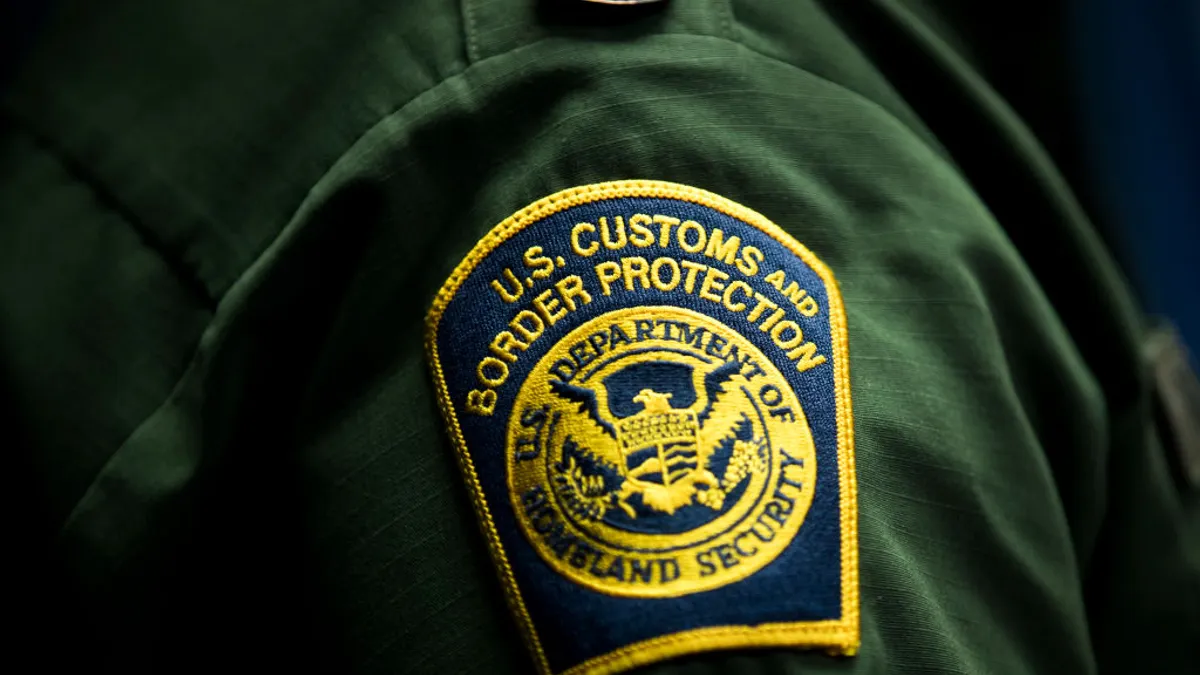
In a monumental development for the American import sector, U.S. Customs and Border Protection (CBP) has officially surpassed the $100 billion threshold in International Emergency Economic Powers Act (IEEPA) tariff refunds. As of July 31, 2026, the agency confirmed that it has successfully processed and disbursed a staggering sum to companies caught in the crosshairs of previous trade policy initiatives.
The distribution of these funds represents a massive shift in capital back to the private sector, but the process remains hampered by technical bottlenecks and a persistent legal battle led by the Department of Justice (DOJ).
The Path to $100 Billion: A Chronology of the Refund Program
The road to this $100 billion milestone began in earnest following a landmark February ruling by the Supreme Court. The Court found that the Trump administration’s utilization of IEEPA to levy certain tariffs lacked the necessary legal foundation, effectively invalidating the duties and triggering a massive refund obligation for the federal government.
- February 2026: The Supreme Court issues its final ruling, invalidating the IEEPA-based tariffs and mandating a refund process.
- April 2026: CBP officially launches the Consolidated Administration and Processing of Entries (CAPE) portal. This digital gateway was designed to streamline the complex task of validating claims for billions of dollars in duties collected from importers.
- June 29, 2026: CBP expands the capabilities of the CAPE portal to include shipments awaiting the reconciliation of final tariff calculations.
- July 31, 2026: Brandon Lord, a senior official at CBP, formally notifies the Court of International Trade that total disbursements have crossed the $100 billion mark.
Despite the rapid pace of these payments, the program is far from complete. Out of the $128.68 billion in claims accepted by the portal to date, roughly $28 billion remains in the pipeline for future processing.
Supporting Data: Economic Impact and Corporate Strategy
The influx of capital into the retail and manufacturing sectors has prompted a wide array of fiscal strategies. Companies that were once burdened by the cash-flow constraints of these tariffs are now utilizing the returned liquidity in diverse ways.
The "Refund Dividend" Strategy
Major players in the retail space have adopted different philosophies regarding how to deploy these windfall gains:
- Direct Consumer Savings: Retail giants such as Walmart, BJ’s Wholesale Club, and E.l.f. Beauty have publicly committed to using the refund proceeds to lower prices for consumers. This strategy is seen as a way to mitigate inflationary pressures that have persisted throughout 2026.
- Customer Rebates: Companies like Amazon and Costco have taken a more targeted approach, opting to issue partial refunds directly to customers who purchased goods affected by the tariffs during the period they were in effect. Amazon recently disclosed that it had received approximately $600 million in reimbursements, a portion of which is being directed back to the consumer base.
- Capital Liquidity: For smaller or more debt-burdened firms, the refund is less about price strategy and more about survival. Some retailers, including American Eagle Outfitters and The Children’s Place, have opted to sell their rights to these potential refunds to third-party investors in exchange for an immediate, upfront cash infusion. This secondary market for "tariff refund rights" has become a notable, if unconventional, feature of the post-ruling economic landscape.
Official Responses and Administrative Hurdles
The logistical burden on CBP has been immense. The CAPE portal serves as the primary engine for this operation, yet its functionality is still evolving. While the June update—which allows for the processing of entries awaiting reconciliation—has successfully handled 2.2 million submissions, the agency has hit a significant roadblock regarding "finally liquidated" entries.
The "Finally Liquidated" Stalemate
There is an estimated $11.4 billion, or roughly 6.9% of total IEEPA tariffs, trapped in entries that have already been "finally liquidated." The CBP had previously signaled an intent to update the CAPE portal to handle these specific entries by the end of July. However, that deadline has passed without the implementation of the required system upgrade.
The delay is not merely technical; it is rooted in a fierce legal disagreement. The Department of Justice (DOJ) has launched an appeal against a Court of International Trade order that would have forced the inclusion of these liquidated entries in the refund pool. The DOJ’s argument is jurisdictional: they contend that the court lacks the authority to mandate the specific refund mechanisms for these entries, effectively creating a "legal freeze" on that portion of the funds.

"The agency is navigating a complex intersection of administrative capacity and judicial oversight," says one trade attorney familiar with the proceedings. "Until the DOJ’s appeal is resolved, CBP is effectively paralyzed regarding the $11.4 billion in liquidated entries."
Broader Implications: A Future of Legal Uncertainty
While the IEEPA refund program is the current focal point, the landscape of U.S. trade law remains in a state of flux. The legal battles of 2026 are not limited to this specific set of tariffs.
The Litigious Trade Environment
The judiciary is currently weighing several other high-stakes trade disputes:
- Section 122 Tariffs: Multiple lawsuits are winding through the Court of International Trade challenging the validity of President Trump’s expired Section 122 tariffs.
- Section 301 Forced Labor Levies: A coalition of 25 states has initiated litigation against the administration regarding the implementation of Section 301 tariffs related to forced labor concerns.
The IEEPA case serves as a precedent, but it also highlights the vulnerability of executive-led tariff policy when challenged in the Court of International Trade. If the current trend of judicial pushback continues, the federal government may find itself facing even more refund obligations, further complicating an already strained federal budget.
Long-term Economic Outlook
For importers, the return of $100 billion is a massive victory, but the uncertainty surrounding the remaining funds—and the potential for future litigation—creates a volatile environment for long-term supply chain planning. As businesses continue to wait for the resolution of the DOJ’s appeal, the focus remains on whether the government will prioritize a swift, amicable resolution or continue to fight the scope of the refunds in court.

"We are in an era where trade policy is being rewritten by the courts," notes an analyst with the Peterson Institute for International Trade. "The $100 billion milestone is a testament to the scale of the original policy error, but the ongoing legal friction suggests that the consequences of these trade wars will be felt for years, if not decades, to come."
As it stands, the industry waits for the next move from the Court of International Trade. Until the DOJ appeal is settled, the CAPE portal will continue to process the "low-hanging fruit" of unliquidated entries, while billions of dollars in capital remain in a state of suspended animation, waiting for a final legal determination.
For the American consumer, the immediate impact remains a mixed bag: price relief for some, continued market instability for many, and a front-row seat to the most significant legal challenge to executive trade authority in modern history.
