




By Max Garland, Supply Chain Dive
Published September 4, 2026
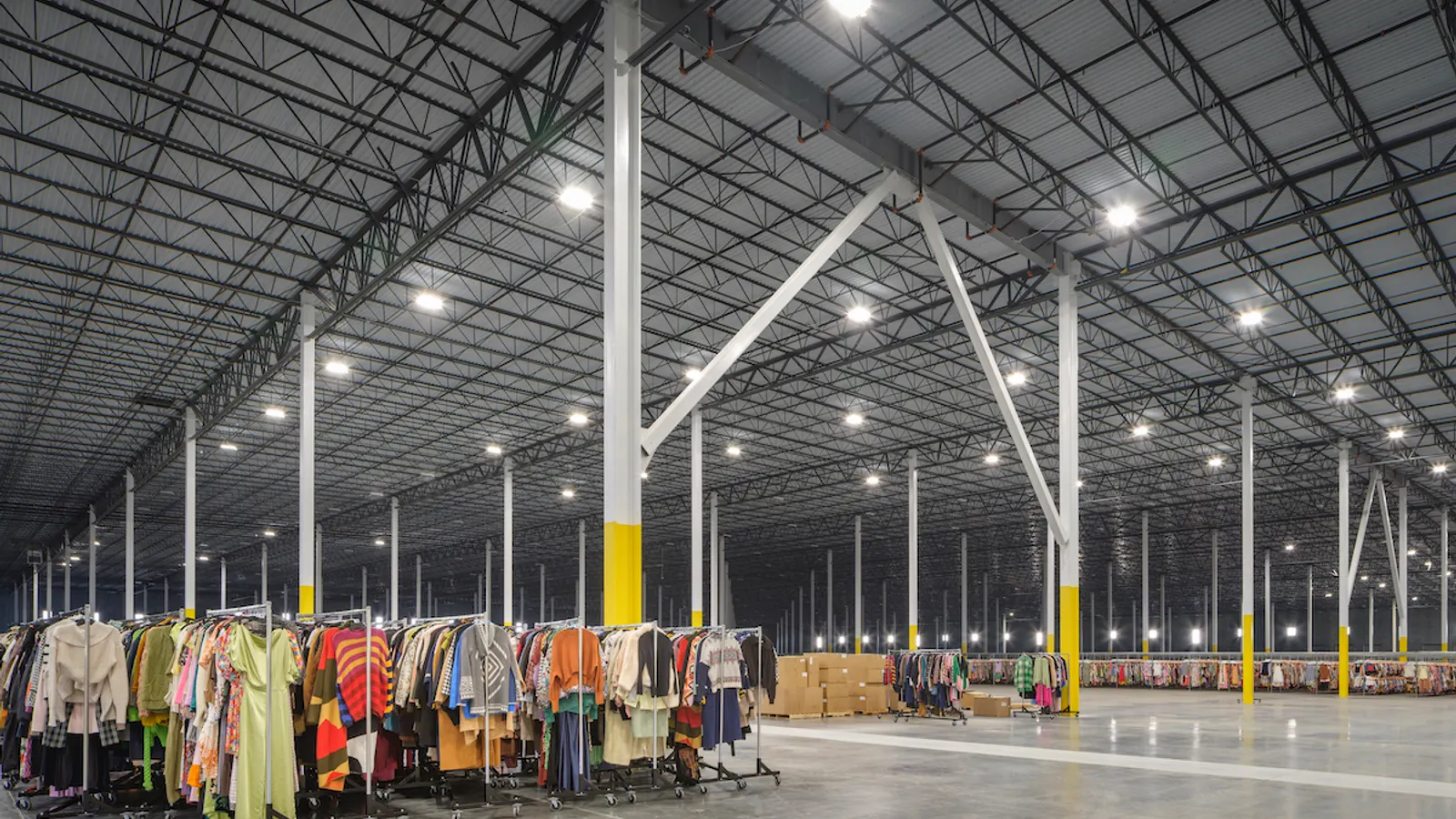
In a strategic move to accommodate a rapidly expanding subscriber base, Nuuly, the clothing rental subscription arm of Urban Outfitters Inc. (URBN), is doubling down on supply chain automation. The company has announced plans to deploy a high-tech automated order sortation system and a specialized picking solution at its Kansas City-area fulfillment hub. This initiative marks a pivotal shift in how the brand manages the complex, high-touch lifecycle of rental fashion, aiming to convert rapid customer growth into sustainable operational efficiency.
The Operational Mandate: Scaling Complexity
The logistical demands of a rental subscription model are far more intricate than those of traditional e-commerce. Unlike a standard retail operation that focuses on outbound shipping, Nuuly must manage a continuous, circular supply chain. Each garment—whether a designer dress or a vintage denim jacket—must be received, inspected for quality, laundered to meet high sanitation standards, stored, and then picked and packed for a new customer.
"Shipping, receiving, laundering, and inspecting wardrobes for 0.5 million subscribers requires significant investment, deep focus, and continuous optimization," says Nuuly President David Hayne. As the subscriber count climbs, the manual labor traditionally associated with these processes threatens to become a bottleneck. By integrating advanced sortation and automated picking technologies, Nuuly aims to reduce the variable costs associated with manual garment handling, thereby protecting margins even as the company scales.
Chronology of Expansion and Strategy
The current automation push in Kansas City is merely the first phase of a broader multi-year infrastructure roadmap.
- Q2 2026: Nuuly reports record-breaking growth, with a 30.4% year-over-year surge in active subscribers. This growth triggers an immediate evaluation of capacity limitations across the national network.
- September 2026: Official announcement of the Kansas City automation retrofit. This facility serves as the "innovation lab" for the company’s logistics technology, testing systems that will define future throughput standards.
- Late 2028: Projected opening of a massive new East Coast fulfillment facility outside Philadelphia. This site is designed to be the crown jewel of the Nuuly network, utilizing the proven automated suite developed in the Kansas City plant.
- Beyond 2028: Full integration of the nationwide network, aiming to support a total of 1.2 million subscribers through a unified, high-efficiency logistics ecosystem.
Supporting Data: The Fiscal Engine
The urgency behind these logistics upgrades is underscored by the company’s recent financial disclosures. For the quarter ending July 31, 2026, Urban Outfitters Inc.’s subscription segment posted a 28.6% increase in net sales. This explosive growth has prompted a significant reallocation of capital.
Urban Outfitters Inc. has committed to a massive capital expenditure (CapEx) budget of approximately $475 million for fiscal year 2027. Crucially, roughly 50% of this spend is earmarked exclusively for logistics investments. This represents a marked acceleration in spending; in February 2026, CFO Melanie Marein-Efron had projected a $385 million total CapEx budget, with 40% dedicated to logistics. The increase in both total spend and the percentage allocated to supply chain operations reflects management’s confidence in the subscription model’s longevity and the necessity of high-tech infrastructure to support it.
Official Responses and Strategic Vision
The vision for the future of Nuuly is one of decentralized, yet highly automated, regional hubs. According to Hayne, the Kansas City facility is not just a standalone site but the blueprint for the brand’s national footprint.
The upcoming Philadelphia-area facility will be a major leap in scale, expanding the company’s East Coast capacity from 300,000 square feet to a sprawling 1 million square feet. This expansion is projected to triple regional capacity, moving from the ability to serve 200,000 subscribers to 600,000. When integrated with the existing network, Nuuly expects to reach a total capacity of 1.2 million subscribers.
"Once this project is complete, the full Nuuly network will support roughly 1.2 million subscribers with a significantly more efficient operation," Hayne noted during the recent earnings call. By standardizing the automation suite across these facilities, the company expects to see improved throughput rates, reduced error margins, and a more consistent customer experience.

Beyond the Warehouse: Enhancing the Subscriber Journey
Logistics at Nuuly extends beyond the four walls of the fulfillment center. To complement the backend automation, the company has implemented several customer-facing delivery enhancements designed to reduce friction and improve reliability.
- Transparency: Integration of estimated delivery dates directly into the checkout process allows customers to plan their rental windows with precision.
- Speed: New options for expedited delivery and faster fulfillment processing cater to high-demand occasions, such as weddings or holiday events, where timing is critical.
- Coverage: The rollout of seven-day carrier coverage, including weekend delivery, addresses the common consumer complaint regarding weekday-only shipping windows.
These changes are not merely cosmetic; they are vital to retaining subscribers in an increasingly competitive "closet-sharing" market. By tightening the gap between "ordering" and "wearing," Nuuly is positioning itself as a premium service provider that values the subscriber’s time as much as their style.
Implications for the Future of Retail
The Nuuly case study offers a clear look at the "industrialization of fashion rental." As companies move away from the boutique, manual-intensive processes of early-stage startups, they must adopt the rigorous, data-driven supply chain methodologies of large-scale logistics firms.
1. The Capital Intensity of "Circular Fashion"
The shift toward circularity—where garments are constantly in transit—is capital intensive. Urban Outfitters’ decision to dedicate half of its $475 million CapEx to logistics suggests that traditional retail margins are insufficient to support long-term subscription growth without significant technological intervention. Investors should monitor whether these logistics investments yield the expected margin expansion or if the cost of "reverse logistics" (the return, inspection, and cleaning process) remains a permanent tax on profitability.
2. Regionalization as a Competitive Advantage
By expanding the East Coast footprint while optimizing the Midwest hub, Nuuly is effectively shortening the "last mile." This is critical for rental services, where shipping costs can easily erode the profit made on a monthly subscription fee. Regionalization allows for faster delivery and lower transit costs, effectively making the service more attractive to users who are sensitive to delivery times.

3. The Automation Imperative
For Nuuly, automation is not an option; it is a prerequisite for survival. As the subscriber base moves from the "early adopter" phase into the "mass market" phase, the variability of human error in sorting and inspecting clothing becomes a liability. The automated sortation and picking systems being deployed are designed to maintain a "factory-like" consistency, ensuring that every garment that arrives at a subscriber’s door meets the brand’s quality standards.
4. The Broader Impact on the URBN Portfolio
While Nuuly is a segment of the larger Urban Outfitters Inc. organization, its logistics success will likely influence the parent company’s broader retail operations. The lessons learned in scaling the complex Nuuly warehouse network—specifically in terms of inventory management and high-volume picking—can be translated to the company’s traditional retail brands.
As Nuuly moves toward the 2028 milestone for its Philadelphia facility, the retail industry will be watching closely. If the brand can successfully scale its subscriber base to 1.2 million while simultaneously reducing the cost-per-shipment through automation, it will set a new benchmark for the circular fashion industry. The investment is bold, the stakes are high, and the trajectory of Nuuly is now inextricably linked to the efficiency of its automated future.
