




The German political landscape is reeling following a seismic shift in the eastern state of Saxony-Anhalt, where the far-right Alternative for Germany (AfD) has secured a landslide victory. The result, which has sent shockwaves through Berlin’s federal corridors, marks a pivotal moment for a party that has built its platform on a staunch rejection of climate action and a skeptical stance toward the European Union’s decarbonization mandates.
While the immediate legislative impact on the Energiewende—Germany’s ambitious energy transition—may be muted due to existing federal legal frameworks, the broader implications of this electoral outcome suggest a deepening divide in German society. As the AfD solidifies its position as a major political force, the long-term stability of climate policy, both nationally and within the European Union, now faces a period of heightened uncertainty.
Main Facts: A Landmark Victory for the Far-Right
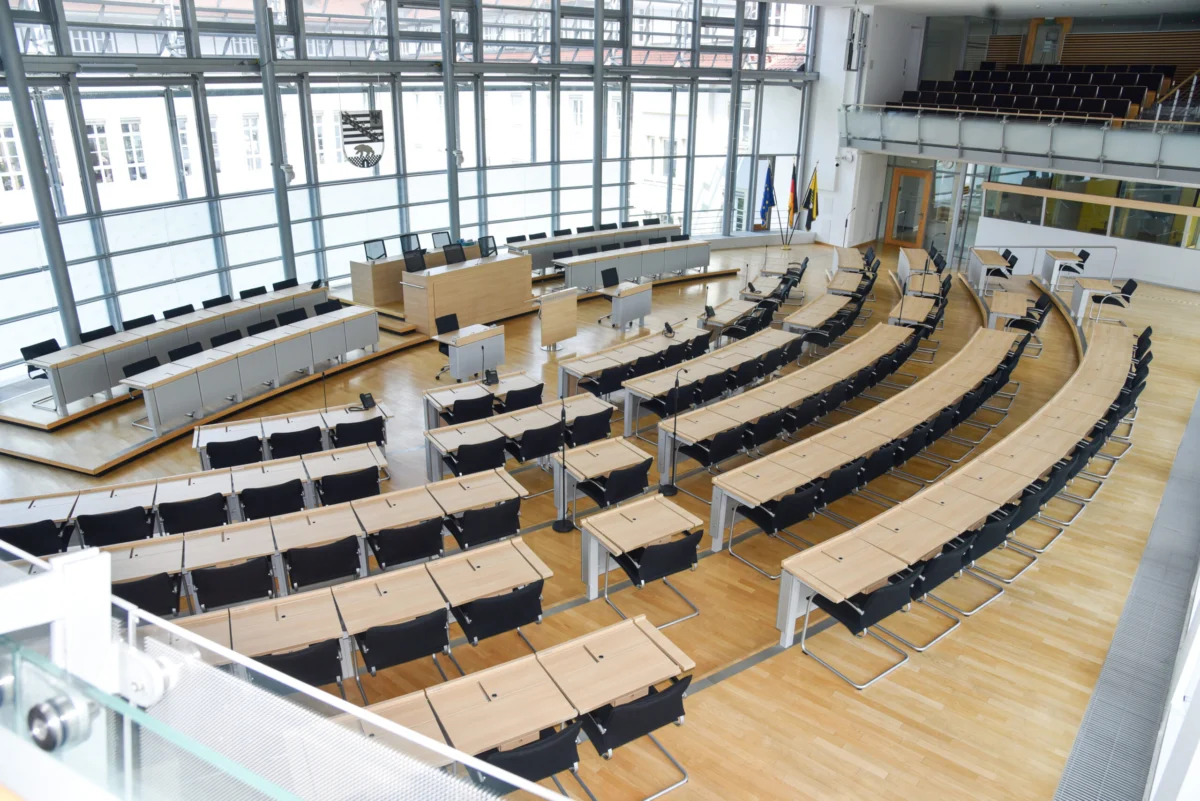
The election in Saxony-Anhalt has fundamentally altered the state’s political architecture. By emerging as the strongest party in the Magdeburg parliament, the AfD has demonstrated a remarkable ability to tap into the grievances of voters who feel increasingly alienated by the pace and cost of the transition to a carbon-neutral economy.
The AfD’s campaign was characterized by a direct assault on the "Green" agenda, labeling it an existential threat to German industry and household prosperity. By focusing on rising energy costs and the perceived burdens of environmental regulations on the automotive and manufacturing sectors—the lifeblood of the eastern German economy—the party successfully mobilized a coalition of disillusioned voters.
This victory is not merely a regional phenomenon; it is a signal of the growing political traction of anti-establishment sentiment. The party’s platform, which explicitly calls for an end to subsidies for renewable energy and a return to traditional energy sources like coal and nuclear power, stands in direct opposition to the consensus held by the mainstream parties in Berlin.
Chronology: The Path to the Ballot Box
To understand how the AfD achieved this result, one must look at the gradual erosion of the mainstream political consensus in the years leading up to the vote.
- 2013–2015: The AfD’s inception, initially focused on Euro-skepticism, begins to shift toward broader populist rhetoric, including the rejection of climate-related migration and the fiscal costs of green subsidies.
- 2019: The AfD performs strongly in Saxony state elections, signaling that the party has moved from the fringes to a permanent fixture in eastern German politics.
- Early 2023: Rising inflation and the energy price spikes caused by the war in Ukraine create a fertile environment for the AfD’s "Energy Sovereignty" campaign. The party leverages the public’s anxiety over winter heating costs to attack the government’s green policies.
- Election Eve: The final weeks of the campaign see a surge in AfD rallies across Saxony-Anhalt, characterized by rhetoric that pits "ordinary citizens" against a "climate elite" in Berlin and Brussels.
- Election Day: The ballots are counted, confirming a landslide result that effectively renders the formation of a traditional governing coalition difficult, if not impossible, without significant concessions or minority rule.
Supporting Data: The Anatomy of a Shift
The demographic and economic data underlying this victory paints a complex picture. Saxony-Anhalt, like many parts of former East Germany, has faced decades of structural economic challenges, including population decline, brain drain, and the loss of industrial legacy jobs.
- Energy Prices: Data indicates that households in the eastern states are particularly sensitive to energy price hikes. The AfD successfully framed the Energiewende as a tax on the poor, utilizing statistics that suggest a disproportionate financial burden on low-to-middle-income families.
- Renewable Energy Penetration: While Saxony-Anhalt is a significant hub for wind and solar energy, the local economic benefit of these projects is often perceived as minimal by residents who feel they bear the aesthetic and environmental costs without seeing the profits, which are often siphoned to external investors.
- Voter Turnout: The election saw a higher-than-expected turnout, driven largely by voters who had previously abstained from the political process. This indicates that the AfD is not just "stealing" voters from the CDU or SPD, but is successfully activating a dormant segment of the electorate.
Official Responses: A House Divided
The reaction from the political establishment has been one of alarm and tactical soul-searching.
The Federal Government (Berlin): Government spokespersons have characterized the result as a "wake-up call." There is an urgent internal debate regarding how to better communicate the benefits of the climate transition. Some factions within the coalition government are calling for more aggressive subsidies for households to mitigate the "green premium" on energy prices, while others warn against diluting climate goals to appease populist sentiment.
The Christian Democratic Union (CDU): The CDU, which has traditionally dominated regional politics in Saxony-Anhalt, finds itself in a precarious position. The leadership has reaffirmed its "firewall" against the AfD, refusing to engage in any form of coalition building. However, grassroots members are reportedly under pressure to address the populist shift, leading to friction within the party ranks regarding whether to adopt a more conservative posture on environmental policy to win back voters.
The AfD Leadership: In their victory speeches, AfD leaders declared the election a "referendum on the climate dogma." They claimed that the result gives them a mandate to block local legislation that prioritizes environmental goals over economic output, signaling that the state parliament will likely become a site of intense, prolonged legislative gridlock.
Implications: The Long-Term Fallout
The ripple effects of this election will be felt far beyond the borders of Saxony-Anhalt.
1. The National Gridlock
At the federal level, the AfD’s success makes the formation of stable coalitions increasingly difficult. As the party grows in strength across eastern Germany, the mainstream parties are forced to spend more energy on damage control and defensive campaigning, leaving less political capital for long-term climate legislation. This creates a "chilling effect" on ambitious environmental policy, as politicians fear that further green regulations will only fuel the AfD’s rise.
2. European Policy and the "Green Deal"
The European Union’s Green Deal depends heavily on the commitment of its member states. Germany, as the EU’s economic engine, is the primary driver of these policies. If political instability continues to plague Germany, the EU’s ability to hit its 2030 and 2050 climate targets could be compromised. The AfD’s presence in the European Parliament, coupled with its regional success, provides the party with a platform to advocate for a complete dismantling of EU climate mandates, potentially emboldening other populist movements across the continent.
3. The Industrial Sector
For German industry, the primary concern is uncertainty. Companies planning multi-billion-euro investments in green hydrogen or electrification need a stable regulatory environment. A political environment where climate laws are subject to the whims of populist surges—and where governments may be forced to backtrack on promises to gain public support—creates a high-risk landscape for private capital.
4. A Divided Germany
Perhaps the most significant implication is the widening cultural and political chasm between the eastern and western states. The Saxony-Anhalt result reinforces the narrative of a two-speed Germany, where the political priorities of the urban, affluent west are increasingly at odds with the industrial, post-socialist east. Bridging this gap will require more than just economic policy; it requires a renewed effort at political integration and a genuine dialogue about the future of the German identity in a rapidly decarbonizing world.
Conclusion
The landslide victory of the AfD in Saxony-Anhalt serves as a stark reminder that the energy transition is not merely a technical challenge of engineering and infrastructure, but a deeply personal, economic, and political one. As Germany continues its march toward a net-zero future, it must reckon with the voices of those who feel left behind. Whether the political establishment can bridge this divide without sacrificing the goals of the Energiewende remains the most critical question facing the country today. For now, the result in Magdeburg stands as a warning: when the cost of progress is not shared equitably, the democratic consensus is the first thing to be discarded.
