





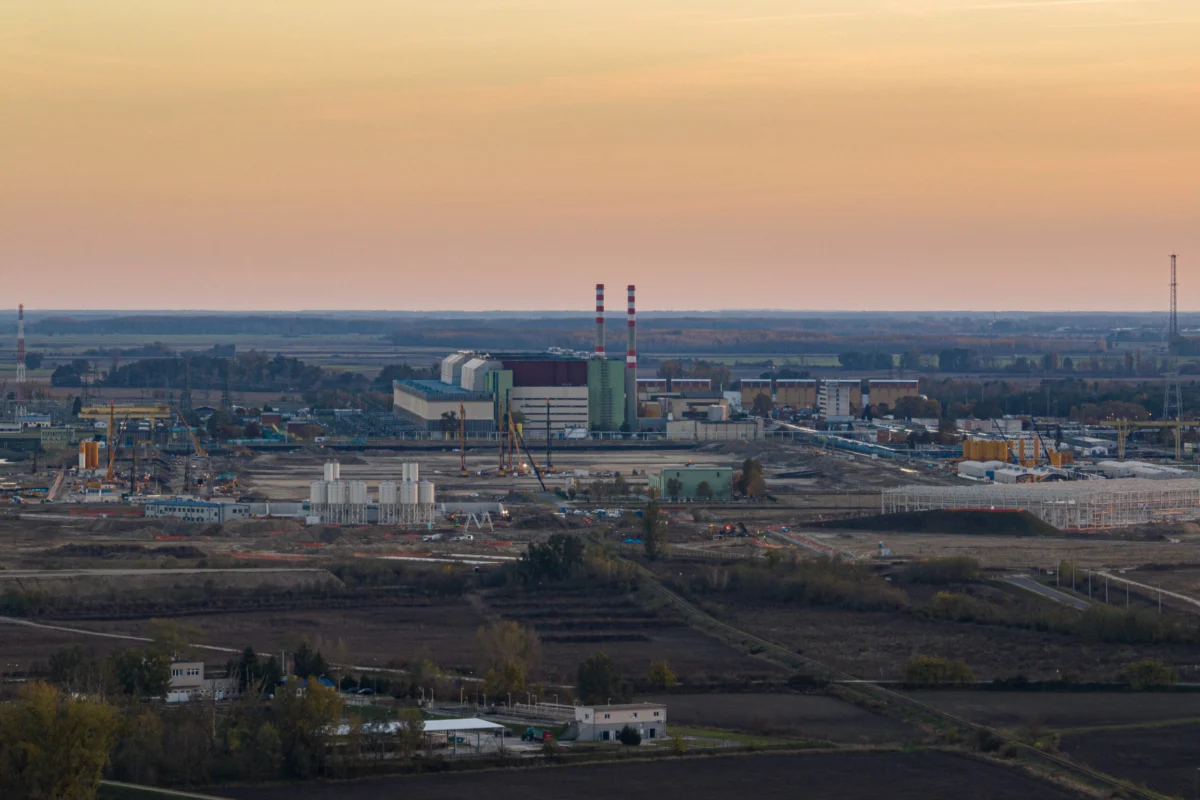
As Hungary heads to the polls on 12 April 2026, the nation’s energy landscape has transformed into a high-stakes arena where the geopolitical ambitions of China, Russia, and the United States collide. With the European Union striving to maintain strategic autonomy, the outcome of these elections will determine not just the future of Hungarian climate policy, but the cohesion of the bloc’s energy security framework.
1. Main Facts: A Nation Caught in the Geopolitical Crossfire
The upcoming parliamentary elections in Hungary on 12 April 2026 are occurring against a backdrop of unprecedented geopolitical friction. While national elections are typically domestic affairs, the specific intersection of Hungary’s energy infrastructure and international investment has made this vote a matter of profound concern for Brussels, Washington, and Beijing.
At the heart of the debate is the Paks II nuclear power plant—a project that serves as a lightning rod for broader tensions. For years, Hungary has pursued a "multi-vector" foreign policy, courting substantial investment from Russia’s Rosatom and, more recently, deep integration with Chinese supply chains for electric vehicle (EV) battery manufacturing and solar infrastructure.
These maneuvers have placed Budapest on a collision course with the European Union’s stated goals of "de-risking" from authoritarian regimes. As the EU attempts to transition toward a decarbonized economy, the question of who builds and maintains the critical infrastructure of that transition has become the defining issue of the 2026 campaign. Journalists covering the event must navigate a complex narrative: is Hungary a pragmatic actor securing cheap energy, or is it a Trojan horse for external powers seeking to undermine European climate sovereignty?
2. Chronology: The Road to the 2026 Election
To understand the stakes of the 2026 election, one must look at the timeline of energy entrenchment that has led to the current impasse:
- 2014: The Hungarian government signs an intergovernmental agreement with Russia for the expansion of the Paks nuclear power plant. The deal, initially shrouded in secrecy, sets the stage for long-term Russian influence in Hungary’s energy mix.
- 2020-2022: As the EU accelerates its "Green Deal," Hungary aggressively courts Chinese manufacturers. CATL and other major Chinese firms announce massive investments in battery production hubs near Debrecen, effectively tying Hungary’s industrial future to Chinese battery technology.
- February 2022: The Russian invasion of Ukraine fundamentally alters the European energy landscape. While the EU moves to divest from Russian fossil fuels, Hungary secures exemptions, maintaining reliance on Russian pipeline gas and nuclear fuel.
- 2024-2025: The "Strategic Autonomy" debate intensifies in Brussels. The European Commission launches investigations into state aid and environmental standards regarding the Paks II site and the environmental impact of massive battery factories.
- January 2026: Official election campaign season begins. Energy prices and the cost-of-living crisis, exacerbated by global supply chain volatility, dominate the polling discourse.
- 12 April 2026: Parliamentary elections. Voters will effectively cast a ballot on the country’s alignment with the East or the West.
3. Supporting Data: The Infrastructure of Influence
The energy challenges facing Hungary are not merely theoretical; they are reflected in cold, hard data points that delineate the country’s reliance on foreign partners.
The Nuclear Dependency
The Paks II project, currently under construction, represents a multi-billion euro investment heavily financed by Russian loans. According to industry experts, the facility is designed to generate up to 40% of Hungary’s electricity needs by the mid-2030s. However, the reliance on Russian fuel rods and specialized maintenance technology creates a "technological lock-in" that could last for the next sixty years.
The Battery Boom
Hungary has become the largest hub for EV battery production in Europe outside of Germany. With Chinese firms like CATL pouring billions into the country, the domestic energy grid is being re-engineered to meet the massive power demands of these plants. Data from the Hungarian Ministry of Energy suggests that industrial power consumption is set to spike by 30% by 2028, necessitating a rapid—and potentially outsourced—expansion of grid capacity.
The EU-US Pressure
U.S. diplomacy has increased its footprint in Budapest, with the State Department highlighting the security risks of "technological dependencies." Simultaneously, the EU’s "Critical Raw Materials Act" serves as a legislative hammer, intended to force Hungary to diversify its supply chains away from total reliance on Chinese rare earth processing and Russian nuclear technology.
4. Official Responses: A Divided Political Narrative
The political discourse surrounding these energy issues is sharply polarized, reflecting the broader societal divide in Hungary.
The Government Perspective:
The ruling coalition maintains that its "Eastern Opening" policy is a triumph of national interest. Government spokespeople argue that the cheap energy provided by Russian nuclear technology and the high-tech jobs brought by Chinese battery factories are the only way to ensure the Hungarian economy remains competitive. They frame the EU’s interference as an infringement on national sovereignty and a threat to the affordability of household energy bills.
The Opposition Stance:
Opposition parties argue that the current path is a "debt trap." They contend that the lack of transparency in the Paks II contracts and the environmental degradation caused by battery mega-factories are signs of a government serving foreign masters rather than the Hungarian public. They propose a "European Pivot," advocating for a rapid shift toward decentralized renewable energy (wind and solar) integrated into the European grid, which would theoretically reduce dependency on both Moscow and Beijing.
The European Commission’s View:
Brussels remains cautious. While officials are careful not to interfere directly in the election, the message from the Commission is clear: Hungary’s energy policy must align with the broader security and climate targets of the Union. Continued reliance on Russian nuclear technology is viewed as a systemic risk to the EU’s internal market.
5. Implications: What Happens After the Polls?
The results of the 12 April election will have consequences that ripple far beyond the borders of Hungary.
Implications for the European Green Deal
If the current government is re-elected with a mandate to continue its energy policy, the EU may face a significant hurdle in its climate transition. Hungary could act as a permanent "spoiler" in European energy councils, vetoing or delaying efforts to phase out Russian nuclear services or to implement stricter environmental standards on battery manufacturing.
The Geopolitical Pivot
A victory for the opposition could signal a rapid, albeit painful, attempt to realign Hungary’s energy sector with Western standards. This would involve complex legal battles over existing contracts with Rosatom and a potential chilling effect on Chinese investment, which could lead to short-term economic instability.
The Future of Journalism in the Region
For journalists, this election is a masterclass in covering "hybrid threats." The intersection of climate policy, energy infrastructure, and national security requires a nuanced approach. The upcoming webinar hosted by Clean Energy Wire (CLEW) on 9 April 2026 is designed to equip international correspondents with the tools to parse these narratives.
The stakes are high. As Europe attempts to reconcile its decarbonization goals with its geopolitical realities, Hungary serves as the ultimate test case. Will the country continue to serve as a bridge between the East and the West, or will it be forced to choose a side?
Join the Discussion
The complexities of the Hungarian energy market cannot be summarized in a headline. To help journalists navigate this coverage, Clean Energy Wire (CLEW) is hosting an expert-led webinar:
- Date: 9 April 2026
- Time: 16.00-17.30 CEST
- Format: Online
- Focus: Expert briefings on the Paks II project, the economics of Chinese battery manufacturing, and the legal constraints imposed by EU regulations.
This webinar is proudly supported by Journalismfund Europe, committed to fostering high-quality, investigative reporting across the continent.
Journalists interested in participating should register via the CLEW portal to receive background briefings and credentials for the Q&A session.
