





By David Taube
Published Sept. 11, 2026
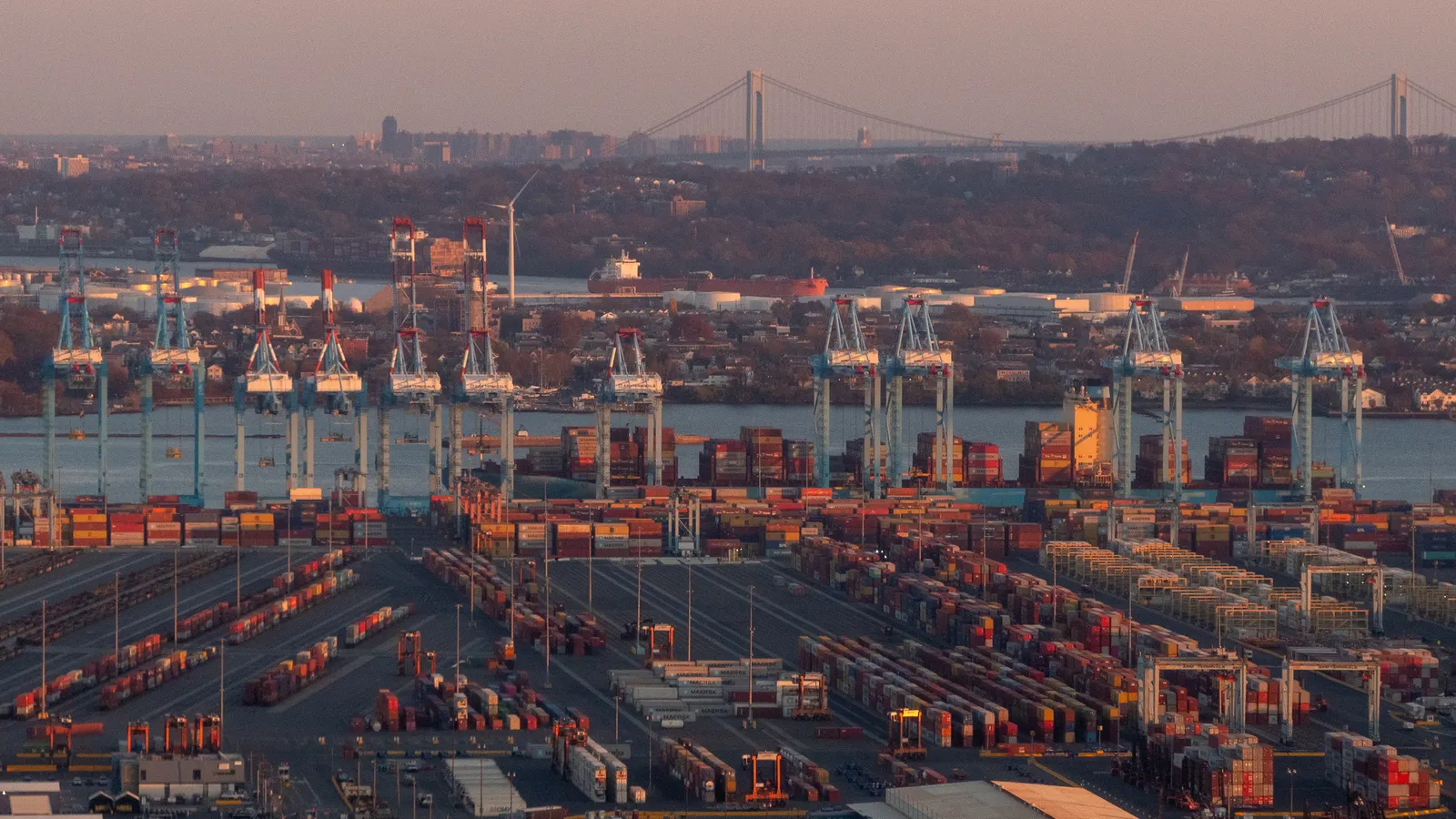
In a decisive move to modernize the logistics backbone of the East Coast, the Port Authority of New York and New Jersey (PANYNJ) has officially launched a comprehensive $45 million incentive program designed to accelerate the adoption of zero-emission vehicles. By leveraging federal funding from the Inflation Reduction Act (IRA), the Port Authority aims to fundamentally shift the environmental footprint of drayage and yard operations at one of the nation’s busiest maritime gateways.
The initiative, managed in partnership with the clean-transportation non-profit CALSTART, provides substantial point-of-sale discounts for trucking firms looking to transition away from diesel-powered engines. This program, which marks a significant escalation in the port’s sustainability roadmap, is set to roll out in full force this fall, targeting both on-road drayage trucks and the heavy-duty off-road machinery that keeps the terminals moving.
Main Facts: A Financial Bridge to Sustainability
The program represents a significant infusion of capital into the regional supply chain. At its core, the $45 million investment is bifurcated into two primary strategic buckets: direct vehicle acquisition vouchers and supporting charging infrastructure.
The Voucher Program
The Port Authority is allocating $39 million specifically for point-of-sale discounts. By working directly with Original Equipment Manufacturers (OEMs) and authorized dealers, the port is removing the primary barrier to electric vehicle (EV) adoption: the high upfront capital cost. According to official program fact sheets, the financial support is structured as follows:
- Class 8 Drayage Trucks: Eligible operators can receive vouchers of up to $230,000 per vehicle.
- Off-Road Terminal Tractors: Eligible operators can receive discounts of up to $150,000 per unit.
These incentives are designed to narrow the price gap between traditional internal combustion engine (ICE) trucks and their electric counterparts, making the transition not just an environmental choice, but a financially viable business decision for independent owner-operators and fleet managers alike.
The Green Drayage Accelerator
Beyond the vehicles themselves, the Port Authority recognizes that a truck is only as effective as its charging network. To address this, an additional $5 million is being channeled into the "Green Drayage Accelerator." This program focuses on developing high-capacity charging hubs within a 10-mile radius of the port. By concentrating infrastructure near the terminal gates, the port aims to minimize “range anxiety” and optimize the efficiency of the drayage fleet’s daily duty cycles.
Chronology: The Road to Implementation
The launch of this initiative is the culmination of years of policy development and environmental planning.
- August 2022: The passage of the Inflation Reduction Act creates the framework for the EPA’s "Clean Ports Program," unlocking nearly $3 billion in national funding for the decarbonization of maritime logistics.
- 2025: The Port Authority of New York and New Jersey begins the preliminary phases of its sustainability expansion, successfully opening a pilot electric truck charging station at Port Newark, equipped with four super-fast chargers.
- Early 2026: PANYNJ and CALSTART finalize the administrative partnership agreement, establishing the parameters for the $45 million grant distribution.
- September 3, 2026: The Port Authority officially announces the launch of the voucher program, signaling the start of the application process.
- Fall 2026: The program enters the live phase. OEMs and dealers are added on a rolling basis, and CALSTART begins the rollout of digital dashboards designed to track the program’s progress and infrastructure usage.
Supporting Data: The Scale of the Challenge
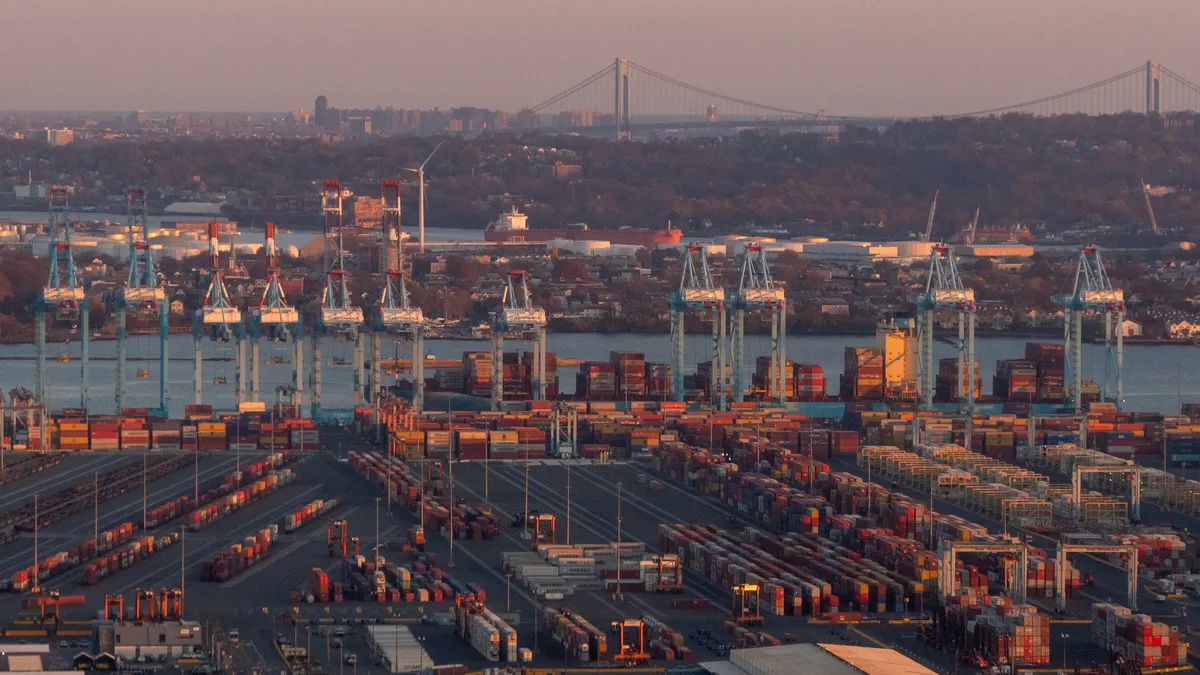
The transition to zero-emission drayage is a monumental task given the volume of traffic handled by the Port of New York and New Jersey. As the largest port complex on the East Coast, the terminal is a critical artery for consumer goods, raw materials, and industrial components flowing into the New York metropolitan area.
The reliance on heavy-duty diesel trucks has long been a source of localized air pollution, impacting the health and air quality of the communities surrounding the terminals. Data from the Environmental Protection Agency (EPA) suggests that ports are among the most significant contributors to localized particulate matter emissions. By replacing a significant portion of the drayage fleet with electric alternatives, the Port Authority estimates a drastic reduction in nitrogen oxides (NOx) and fine particulate matter (PM2.5) emissions.

Furthermore, the integration of CALSTART’s data-tracking dashboards will provide unprecedented visibility into the energy demands of the port. By monitoring charging frequency, peak demand times, and vehicle utilization rates, the port can refine its future infrastructure projects, ensuring that the electric grid can support the inevitable scaling of the fleet over the coming decade.
Official Responses: Leadership Perspectives
The announcement has been met with enthusiasm from regional stakeholders, who view the program as a blueprint for other port authorities nationwide.
"This $45 million partnership with CALSTART puts zero-emission trucks, terminal tractors, and charging infrastructure within reach for the operators who serve this port every day," said Port Authority Chairman Kevin O’Toole in a September 3 press release.
O’Toole emphasized that the program is not a standalone effort but a central pillar of the Port Authority’s broader sustainability agenda. The agency has been under increasing pressure to reconcile its role as a regional economic engine with the growing demand for environmental justice and climate action.
"The programs will further strengthen the Port Authority’s wide-ranging, ambitious sustainability agenda," the Port Authority stated in its release. By securing federal funds through the EPA’s competitive grant processes, the PANYNJ is effectively shifting the financial burden of the green transition away from the small-business drayage drivers and onto federal support programs designed specifically to modernize American infrastructure.

Implications for the Supply Chain
The launch of the $45 million incentive program will have far-reaching implications for the trucking industry, both within the New York-New Jersey region and beyond.
1. Market Transformation for OEMs
By creating a predictable pipeline of demand for electric Class 8 trucks, the program encourages OEMs to prioritize the Northeast market. As dealers are brought onto the program on a rolling basis, the competitive landscape for electric heavy-duty vehicles will likely shift, driving innovation in battery longevity and cold-weather performance—a critical requirement for the Northeastern climate.
2. Operational Shifts for Drayage Operators
For the independent owner-operators who make up a significant portion of the drayage sector, the $230,000 voucher represents a transformational opportunity. Historically, these operators have been sidelined from green initiatives due to the prohibitive cost of EVs. With these funds, the "cost of entry" into the zero-emission market drops significantly, allowing smaller firms to remain competitive as the port’s regulations on older, more polluting vehicles eventually tighten.
3. The "Green Corridor" Effect
The concentration of $5 million toward charging hubs within 10 miles of the port is designed to create a "Green Corridor." This cluster of infrastructure will facilitate a virtuous cycle: as more charging stations appear, more drivers will feel comfortable adopting EVs, which in turn justifies further investment in infrastructure. This geographic focus ensures that the capital is not diluted but concentrated in the high-traffic areas where it will provide the most significant environmental benefit.
4. A National Template
The PANYNJ program serves as a pilot case for the EPA’s nationwide Clean Ports Program. With nearly $3 billion available in federal funding across the country, other major ports—from Los Angeles to Savannah—will be watching the rollout in New Jersey closely. The success of the CALSTART dashboard integration, the speed of OEM enrollment, and the actual utilization rates of the charging hubs will provide the data necessary to refine future federal investments in port electrification.
Conclusion
The Port Authority of New York and New Jersey is moving from theory to reality in its attempt to decarbonize the regional supply chain. While the challenges of grid capacity, charging speed, and vehicle reliability remain, the combination of aggressive financial incentives and strategic infrastructure planning places the port at the forefront of the national transition to zero-emission logistics. As the fall season commences, the success of this $45 million initiative will serve as a bellwether for the future of sustainable maritime trade in the United States.
