




The Australian startup ecosystem has officially shifted its gaze toward the next generation of industry disruptors. Startmate, the nation’s preeminent early-stage accelerator, has unveiled its Winter ’26 cohort—a diverse, ambitious, and technologically sophisticated group of 17 startups. Ranging from critical AI-agent guardrails designed to secure the digital frontier to the engineering complexities of reusable rockets, this cohort represents the vanguard of the next wave of local innovation.
Following a rigorous selection process, these 17 teams are now embarking on a 12-week program designed to refine their business models, sharpen their go-to-market strategies, and prepare them for the ultimate proving ground: Demo Day.
The Genesis: A New Paradigm for ‘Week Zero’
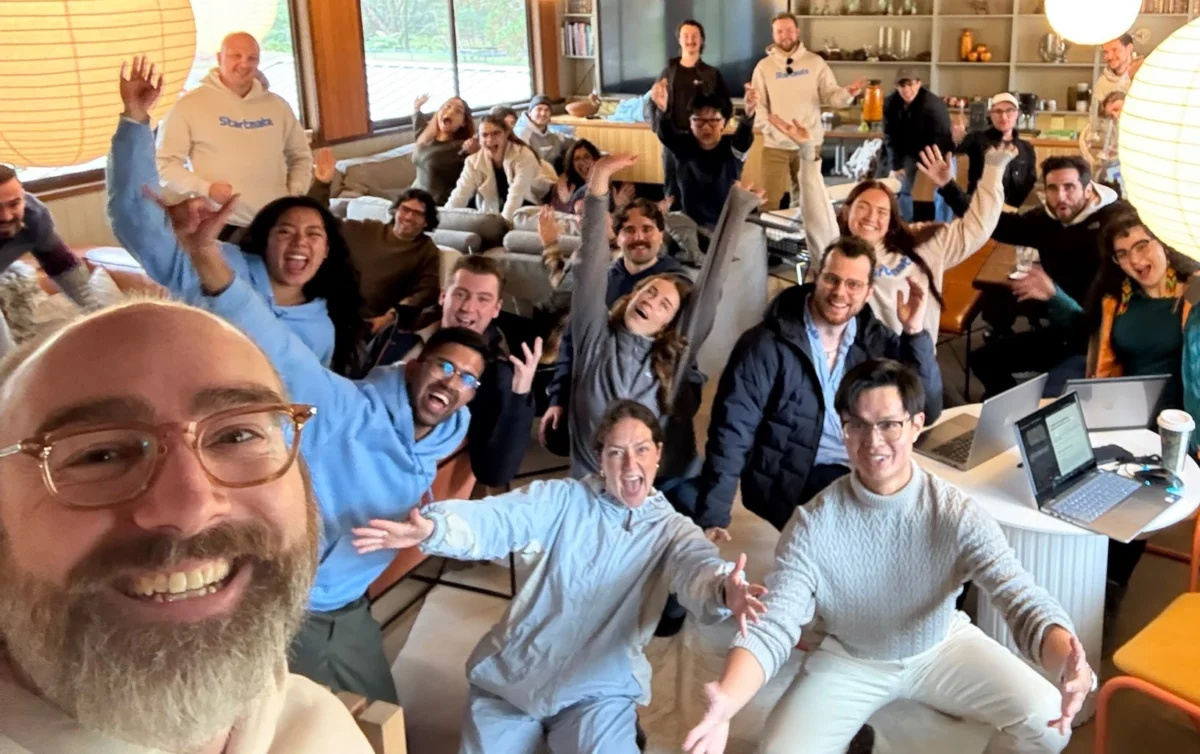
The journey for this cohort began not in a boardroom, but in the rugged, remote terrain of the Victorian–New South Wales border. Known as "Camp Startmate," this immersive "Week Zero" served as the mandatory kickoff for the accelerator.
While Week Zero has long been a foundational tradition at Startmate—a period where founders define their North Star metrics and test the limits of their personal ambition—the Winter ’26 iteration marked a significant evolution. In previous years, this initiation was comprised of short, daily workshops. This year, Startmate opted for a total-immersion approach. By removing founders from the distractions of their home offices and placing them in a remote mountain setting, the organization forced a level of cohesion and radical transparency that is rarely seen in the early stages of business development.
For seven days, the founders lived, ate, and built side-by-side. The goal was twofold: to break down the silos of individual company building and to foster a peer-to-peer support network that could survive the inevitable volatility of the coming 12 weeks.
Industry Titans: Learning from the Architects of Up
A highlight of the retreat was the inclusion of industry veteran Dom Pym, co-founder of the trailblazing digital bank Up. Pym, who has become a prominent figure in the Australian fintech investment landscape, spent time with the founders to dissect the realities of building at scale.
Pym’s involvement provided more than just mentorship; it offered a blueprint for endurance. His insights into the early struggles of Up—navigating regulatory hurdles, securing customer trust, and maintaining a high-performance culture—served as a sobering reminder of the distance between a "great idea" and a "market-leading enterprise." By sharing the lessons of his own journey, Pym helped frame the Startmate experience as a marathon, not a sprint, reinforcing the importance of resilience in the face of rapid technological disruption.
The 17: A Snapshot of Innovation
The Winter ’26 cohort is defined by a distinct pivot toward deep tech and applied AI. While the accelerator has always prided itself on supporting software-as-a-service (SaaS) ventures, this year’s list reveals a shift toward the "hard" problems:
- AI-Agent Governance: Several teams are focused on the "guardrails" of the AI revolution, creating software layers that ensure autonomous agents operate within ethical and legal parameters.
- Aerospace Engineering: The inclusion of a team focused on reusable rocket technology highlights the growing maturity of Australia’s space sector, moving from theoretical research to commercial viability.
- Climate and Resource Efficiency: Startups addressing the circular economy remain a staple of the Startmate ethos, with new entrants focusing on scalable green energy infrastructure.
- Fintech and Decentralized Finance: Building on the legacy of alumni like Up, this year’s cohort includes teams re-engineering payment rails and cross-border settlement systems.
Supporting Data: The Startmate Impact
Since its inception, Startmate has played a pivotal role in the maturation of the Australian startup landscape. As of 2026, the accelerator has supported hundreds of founders, contributing to a cumulative portfolio value that reaches into the billions.
The significance of this cohort lies in the current macroeconomic climate. With venture capital markets having tightened significantly compared to the 2021-2022 period, the startups selected for the Winter ’26 program have had to demonstrate more than just "growth potential." They have been stress-tested on capital efficiency, unit economics, and the ability to solve a genuine, high-value problem for customers.
Startmate’s rigorous vetting process—which sees acceptance rates often hovering below 3%—ensures that these 17 startups are not merely ideas in search of a market, but entities with the structural integrity to withstand the pressures of institutional investment.
Implications for the Australian Ecosystem
The selection of this cohort has broader implications for the Australian economy. As the nation attempts to move away from its traditional reliance on resource exports, the success of these 17 startups is viewed as a bellwether for the country’s transition to a digital-first, innovation-led economy.
1. The Decentralization of Talent
By holding Camp Startmate in a remote, cross-border location, the accelerator is signaling that the "innovation hub" model is no longer confined to the CBDs of Sydney or Melbourne. The ability to build world-class companies from anywhere is a narrative that Startmate has championed for years, and this year’s cohort is proof of that geographic decentralization.
2. AI as a Utility, Not a Niche
The heavy focus on AI-agent guardrails suggests that the Australian ecosystem has moved past the "AI curiosity" phase. Founders are now focused on the plumbing—the security, compliance, and reliability layers that will allow enterprises to adopt AI safely. This shift is critical for the long-term integration of technology into the national workforce.
3. Resilience as a Competitive Advantage
The "Week Zero" intensity is a direct response to the "hustle culture" of the past decade. By prioritizing psychological safety and peer collaboration early on, Startmate is attempting to lower the founder burnout rate—a persistent issue that has historically derailed promising ventures.
Looking Toward Demo Day
As the 12-week program progresses, the focus will shift from foundation to velocity. The founders will work with Startmate’s extensive network of mentors, venture capitalists, and industry experts to refine their pitch decks and product roadmaps.
The pressure is high. Demo Day serves as the primary stage for these founders to secure their Series A or Seed funding, and the expectations from investors have never been higher. The cohort will be judged not just on their technical prowess, but on their ability to articulate a clear path to profitability—a standard that has become the gold coin of the post-2025 investment environment.
Conclusion
The Winter ’26 Startmate cohort enters the arena at a transformative moment. With the promise of artificial intelligence meeting the hard realities of deep-tech engineering, these 17 companies are tasked with proving that Australian innovation can compete on a global stage.
The retreat at the Victorian–New South Wales border was the prologue; the next three months will define the narrative. For the founders, the objective is simple: move fast, break old habits, and build something that lasts. For the Australian startup ecosystem, the success of these 17 ventures will serve as a powerful indicator of whether the next generation of founders has the grit, the vision, and the strategy to lead the nation into the next decade of digital transformation.
As they prepare for the spotlight, the founders carry the weight of expectation. But if history is any indication, the crucible of Startmate will produce more than just businesses—it will produce the leaders who will define the future of Australian industry.
