




The approval of Firmus Technologies’ massive facility at Bell Bay marks a pivotal moment in Australia’s digital infrastructure strategy, pitting the state’s green energy ambitions against rising community anxiety over the environmental and social costs of "Big Compute."
In a landmark decision that has sent shockwaves through the Tasmanian community, the local council officially greenlit Firmus Technologies’ ambitious 288MW data centre at Bell Bay this week. The project, which promises to transform the northern Tasmanian landscape into a powerhouse of artificial intelligence, has become the focal point of a fierce national debate regarding the sustainability of the AI revolution. As state Premier Jeremy Rockliff champions the project as a cornerstone of Tasmania’s economic future, a vocal segment of the public—bolstered by thousands of signatures—is demanding a moratorium on the industry’s rapid expansion.
The Bell Bay Project: Facts and Scope
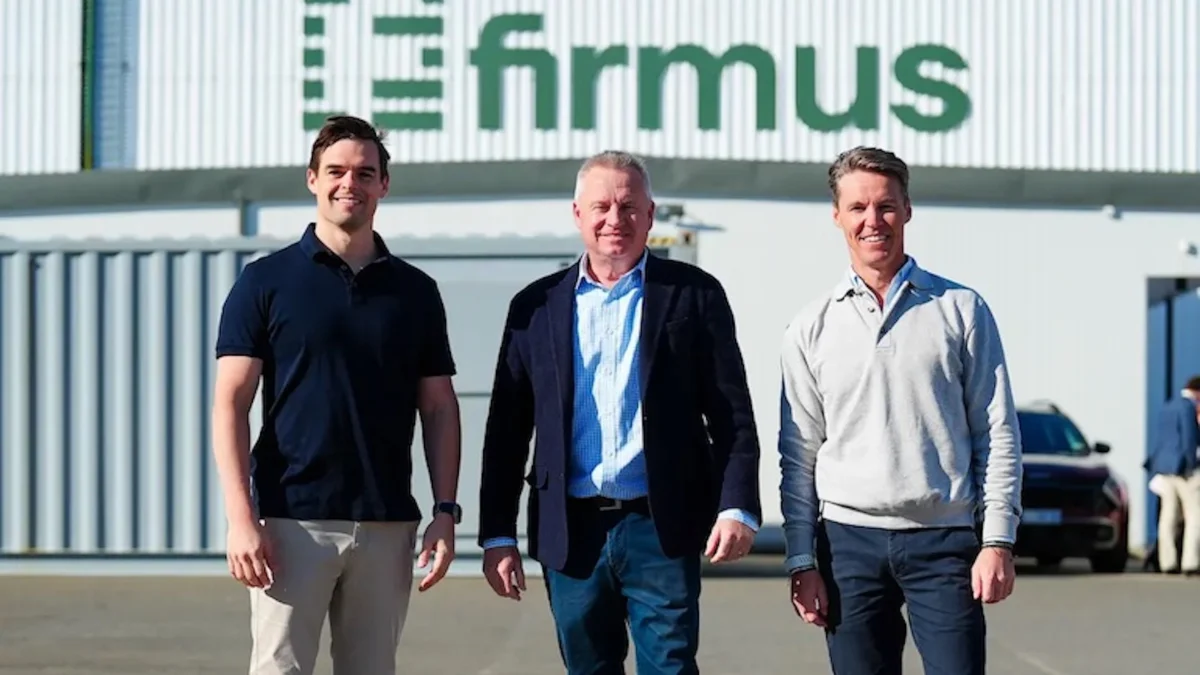
The approved 288MW facility at Bell Bay is not an isolated development; it is the centerpiece of an aggressive expansion strategy by Firmus Technologies. The company, co-founded by Tim Rosenfield and Oliver Curtis, has positioned itself at the intersection of Tasmania’s renewable energy grid and the surging global demand for AI processing power.
- The Bell Bay Facility: A massive 288MW data centre designed to host high-density computing clusters required for generative AI, machine learning, and large-scale data processing.
- The Portfolio: Beyond Bell Bay, Firmus is currently finalizing a 104MW data centre in Launceston and has proposed a further 52MW facility at Wesley Vale.
- The Rationale: Firmus argues that Tasmania’s unique profile—100% renewable energy generation—makes the island the most sustainable location in the Southern Hemisphere to host the energy-hungry hardware that powers the AI era.
A Chronology of Conflict
The path to the Bell Bay approval was anything but smooth. The timeline of this project reflects the growing friction between corporate technological expansion and local governance.
Early 2024: Firmus Technologies initiates preliminary planning for the Bell Bay site, citing the availability of renewable energy and proximity to transmission infrastructure.
Late 2024: As the scale of the project becomes public knowledge, local community groups begin to organize. Initial concerns regarding the visual impact and site selection evolve into broader environmental anxieties.
Early 2025: Community pushback gains momentum. A petition opposing the Bell Bay development garners 6,000 signatures, citing concerns over noise pollution, water cooling requirements, and the strain on local infrastructure.
Mid-2025: A broader, state-wide movement emerges. A parliamentary petition calling for a moratorium on all uncompleted AI and data facility projects until comprehensive regulatory oversights are established collects over 9,000 signatures.
August 2026: Despite the intensity of the opposition, the local council grants formal planning approval, clearing the final major hurdle for the project to commence construction.
Supporting Data: The Energy Dilemma
The controversy surrounding Firmus Technologies is a microcosm of a global trend: the “Data Centre Energy Paradox.” While AI promises to solve complex human problems, the hardware required to run it consumes electricity at a rate that is outpacing grid capacity in many jurisdictions.
The Power Load
A 288MW data centre is an industrial-scale consumer. To put this into perspective, 288MW is enough to power tens of thousands of households. Critics argue that diverting this much power to AI centres—even those powered by renewables—strains the state’s transmission lines and potentially drives up energy prices for residential consumers.
The Environmental Footprint
- Noise: Large-scale cooling systems required for massive server farms generate constant, low-frequency noise, which has become a primary complaint for residents living near proposed sites.
- Water Usage: Data centres often rely on evaporative cooling systems. In regions where water security is a sensitive issue, the potential for high-volume consumption has drawn sharp criticism from environmental watchdogs.
- Grid Stability: While Tasmania is rich in wind and hydro, the massive, consistent load of a data centre requires a level of grid stability that, some engineers argue, may require additional infrastructure investment, the costs of which remain a subject of political debate.
Official Responses and Political Posturing
The political response to the approval has been markedly bifurcated. On one side, the Tasmanian government views the investment as a validation of the state’s “green power” branding.
The Premier’s Stance
Premier Jeremy Rockliff has remained steadfast in his support for the project. Speaking at the announcement, Rockliff noted that while he acknowledges the community’s concerns, he is wary of imposing overly restrictive “guardrails” that could stifle innovation.
"We want Tasmania to be a leader in the digital economy," Rockliff stated. "If we make our regulatory environment too cumbersome, we risk losing these massive investments to other jurisdictions that are hungry for the economic benefits that AI infrastructure brings."
The Federal Context
The Tasmanian decision comes at a sensitive time for the federal government. Canberra is currently in the final stages of drafting national guidelines regarding data centre energy usage. These rules are expected to provide a framework for how states manage the load, but they are unlikely to satisfy critics who believe that local communities need more power to veto projects that fundamentally change the character of their regions.
Meanwhile, in South Australia, the government has taken a more cautious approach, announcing a Royal Commission into the operation of data centres. This move has added pressure to the Tasmanian government, with opponents of the Bell Bay site pointing to the South Australian inquiry as evidence that the industry requires more, not less, scrutiny.
Implications: The Future of "Big Compute" in Australia
The approval of the Firmus facility is a bellwether for the future of industrial policy in Australia. As the global race to dominate AI infrastructure accelerates, Tasmania has effectively chosen to lean into its role as a "digital battery." However, the implications of this choice are profound.
Economic Benefits vs. Social License
Firmus Technologies promises significant job creation and the positioning of Tasmania as a global tech hub. However, the 9,000-signature petition suggests that the "social license" to operate is thinning. For the project to succeed in the long term, Firmus must move beyond government approvals and actively address the community’s concerns. This includes investing in noise-mitigation technology, transparent water-use reporting, and perhaps even subsidizing local energy costs as a form of community benefit.
The Regulatory Balancing Act
The conflict highlights a fundamental tension in modern governance: how to balance the need for high-tech infrastructure with the rights of local residents. If the federal government’s upcoming rules are too weak, we may see a rise in localized protests and legal challenges across Australia. If they are too strong, the nation risks missing the AI boat entirely.
A New Model for AI?
Ultimately, the Bell Bay site will be closely watched by international observers. If Firmus can demonstrate that a massive AI data centre can operate in harmony with a local community, it could provide a blueprint for other regions. Conversely, if the project leads to sustained environmental degradation or social fallout, it may serve as a cautionary tale about the perils of prioritizing industrial scale over community input.
As construction prepares to begin, the eyes of the nation are on Tasmania. Whether the state’s bet on "Big Compute" pays off in economic prosperity or costs it in social cohesion remains the defining question of the Premier’s current term. For now, the bulldozers have the green light, but the debate—and the digital revolution—is only just beginning.
