





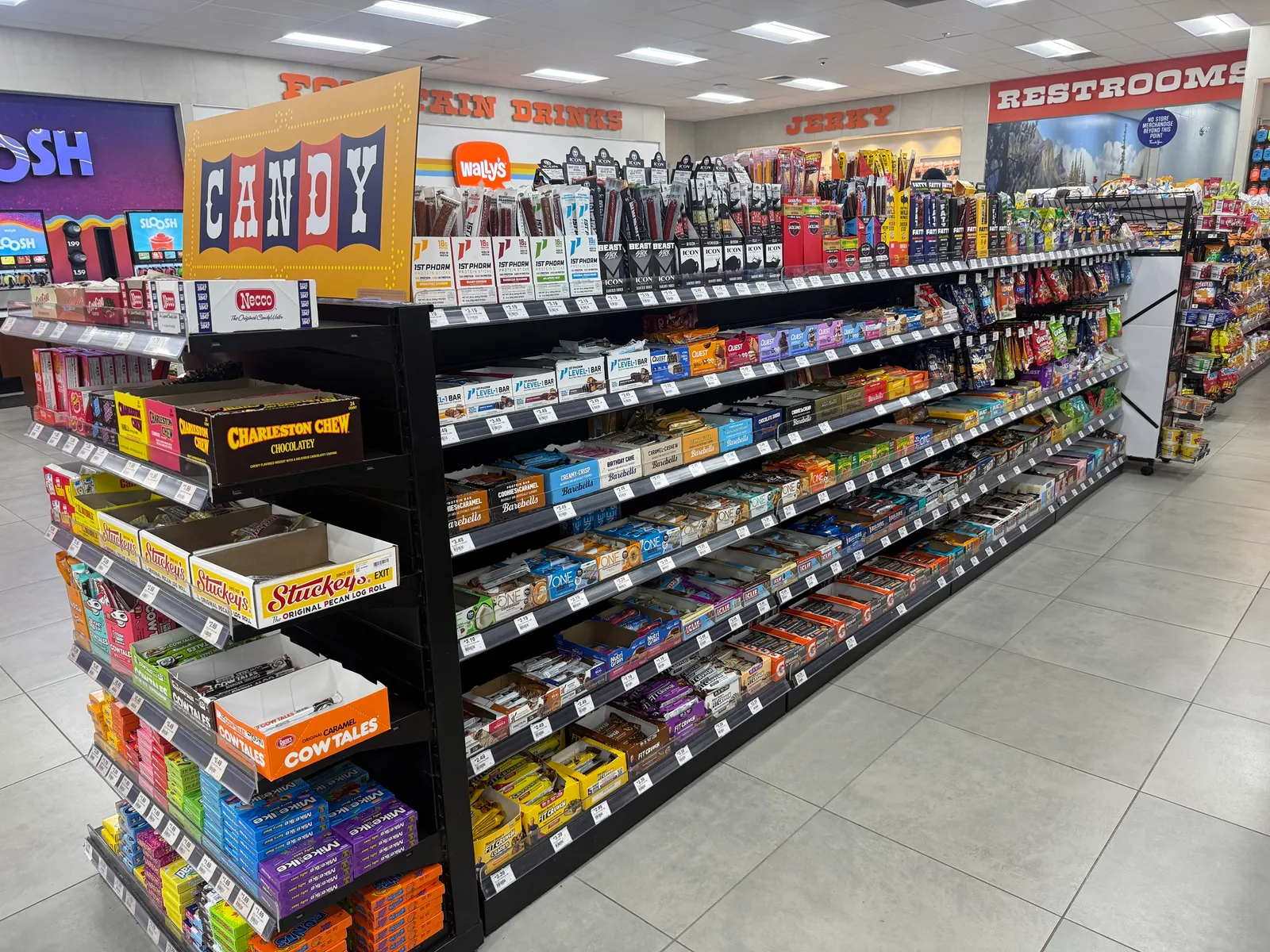
In the high-stakes world of convenience retail, where margins are notoriously razor-thin, every square inch of shelf space acts as a silent salesperson. For independent operators and major chains alike, the margin for error is non-existent. A single misplaced product, an out-of-stock essential, or the failure to capture a local trend can result in more than just a lost transaction—it can erode customer loyalty, driving shoppers toward competitors who better anticipate their immediate needs.
As the industry pivots toward complex foodservice offerings, the competition for shelf space has become fiercer than ever. To navigate this, a new wave of artificial intelligence (AI) tools is transforming SKU rationalization from a manual, retrospective burden into a dynamic, forward-looking strategic advantage.
Main Facts: The Shift Toward Precision Merchandising
At its core, convenience retail is defined by speed, impulse, and convenience. According to Sandeep Chugani, a managing director and senior partner at Boston Consulting Group (BCG), research into service station retail confirms that the top drivers for customer visits are consistent: the ability to get in and out quickly, the fulfillment of immediate impulse needs, and the assurance that their "must-have" items will be in stock.
Historically, retailers relied on gut instinct and quarterly, backward-looking reviews to decide which products deserved a spot on the shelf. Today, that model is being rendered obsolete. AI-powered platforms are now capable of ingesting vast streams of point-of-sale (POS) data, regional consumer trends, and localized traffic patterns to provide real-time, prescriptive insights. This transition represents a fundamental shift: instead of asking what did sell last month, retailers are now asking what will sell tomorrow, and how they should adjust their layout to capture that demand.
Chronology: From Manual Audits to Real-Time Intelligence
The evolution of retail merchandising has undergone three distinct phases:
- The Manual Era (Pre-2010): Decisions were driven entirely by merchant experience. Store managers walked the aisles with clipboards, manually identifying gaps or slow-moving inventory. The process was subjective, time-consuming, and prone to human bias.
- The Data-Aggregation Era (2010–2020): Retailers began using basic ERP systems to track inventory. While this provided better historical data, the information was often siloed, delayed, and difficult to translate into actionable shelf-space strategy.
- The AI-Driven Era (2020–Present): The current landscape is defined by cloud-based, integrated AI solutions. As hardware costs—such as electronic shelf labels (ESL)—have plummeted (dropping approximately 67% between 2015 and 2025), even mid-sized and independent operators have gained access to technology that was once the exclusive domain of global retail giants.
Supporting Data: The Financial Impact of AI Adoption
The transition to data-backed planning is not merely an operational upgrade; it is a significant financial lever. Venky Ramesh, chief client officer and head of the CPG, retail, and marketplaces divisions at LatentView Analytics, notes that retailers moving to data-backed assortment planning typically experience a 2% to 5% improvement in margins.
These gains are primarily derived from three efficiencies:
- Inventory Optimization: Reducing waste by cutting slow-moving stock that clutters valuable shelf real estate.
- Out-of-Stock Mitigation: Using predictive analytics to ensure high-velocity items are replenished before they disappear.
- Velocity Balancing: Aligning space allocation with the actual rate of sale for each SKU.
Beyond pure margin, the sales impact is equally compelling. Jon Kuether, a partner at Bain & Company, suggests that a focused effort on assortment redesign—fueled by these new technological tools—typically drives a 1% to 3% increase in overall sales. In an environment characterized by slowing unit growth and cautious consumer spending, these percentage points represent a massive competitive advantage.
Official Responses and Expert Analysis
The consensus among industry consultants is that technology should be viewed as an assistant to, not a replacement for, the human merchant.
"The best retailers are going to still have the merchant making the decisions but with a much more data-driven, insight-led sort of recommendation that they otherwise would not have gotten to," says Kuether. He emphasizes that retailers should avoid the "Cadillac approach" when a "Honda Civic" will suffice. By this, he means that independent operators do not need to build custom, enterprise-grade AI suites. Instead, they should target specific "pieces" of the merchandising process that solve immediate pain points—such as category management or replenishment—at a fraction of the cost.
Clementine Illanes, who leads retail strategy merchandising at Accenture, notes that the integration of these tools with existing POS systems is the most critical hurdle. "Large, multi-chain c-stores may be able to invest in more advanced AI… while independent operators may see stronger returns from more targeted, flexible assets," Illanes explains.
However, there is a clear warning regarding "Black Box" technology. If an AI tool presents a decision without providing the context or the "why" behind it, store managers are likely to reject the suggestion. "They just put it aside and say, ‘This is garbage, I’m gonna do it the old-fashioned way,’" Kuether warns. Transparency in the algorithm is essential for adoption.
Implications: Building the Future of the C-Store
As technology becomes more ubiquitous, the implications for the convenience store industry are profound.
1. The Human-AI Hybrid Model
The most successful retailers will be those who establish clear "rules of engagement" between humans and machines. AI excels at sorting through noise to find patterns, but it cannot negotiate a better vendor contract, evaluate the long-term potential of a new brand, or account for a store manager’s deep understanding of their local neighborhood. The human element remains the final arbiter of strategy.
2. Implementation as a Cultural Shift
Retailers must avoid treating assortment software as an "IT project." It is a merchandising initiative. This means that the deployment of these tools requires buy-in from the entire organization, from the corporate office to the store associates who physically reset the shelves. If the software recommends a change but the floor staff lacks the resources or time to implement it, the ROI will inevitably vanish.
3. Scalability for Independents
The gap between large chains and independent operators is closing, but it has not vanished. To keep up, independent retailers must rely on their supplier and franchisor ecosystems. By leveraging the software and support provided by larger partners, independents can avoid the prohibitive costs of building their own proprietary systems while still benefiting from the power of advanced data analytics.
4. The "Actionable Insight" Mandate
Perhaps the most significant takeaway from industry experts like Sandeep Chugani is that technology must provide solutions, not just diagnostics. "If your tech stack tells an associate there’s a problem but not what to do about it, and in what order, you haven’t solved anything," Chugani notes. The future of the industry belongs to tools that provide granular, actionable instructions—telling the operator exactly which item to pull, which item to add, and how to rearrange the shelf for maximum impact.
Conclusion
The convenience store of the future is not defined by massive square footage or expensive, futuristic gadgets; it is defined by the relevance of its inventory. By embracing AI to guide assortment rationalization, retailers are finally able to listen to the data their stores produce every single day.
As the retail environment becomes increasingly complex, the ability to synthesize, analyze, and act upon consumer behavior will separate the leaders from the laggards. For the merchant who balances human judgment with the cold, hard logic of data, the rewards—in the form of increased margins, reduced waste, and satisfied customers—are waiting on the shelf.
