



In an era defined by "screen creep," where modern vehicle interiors are increasingly resembling miniature Apple Stores—complete with blindingly bright ambient lighting, massive central touchscreens, and a relentless barrage of digital notifications—a counter-movement is quietly gaining momentum. Drivers are clamoring for a "digital detox," a reprieve from the luminous saturation of contemporary cockpit design.
While many automakers are just beginning to acknowledge the fatigue caused by cabin light pollution, Chevrolet quietly integrated a masterclass in minimalist design into the C8 Corvette. Often overlooked by casual observers, the C8’s "Night Mode" offers a transformative driving experience that strips away the digital noise, leaving only the essential data required to pilot the machine.
The Mechanics of the C8 "Night Mode"
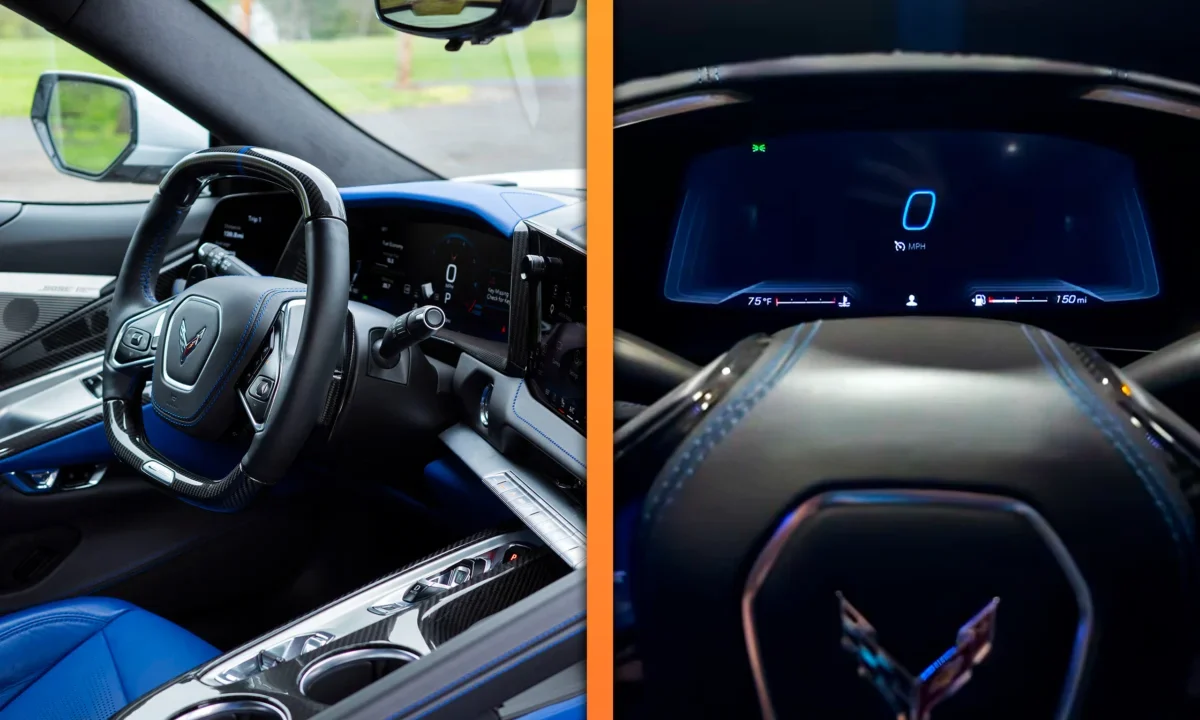
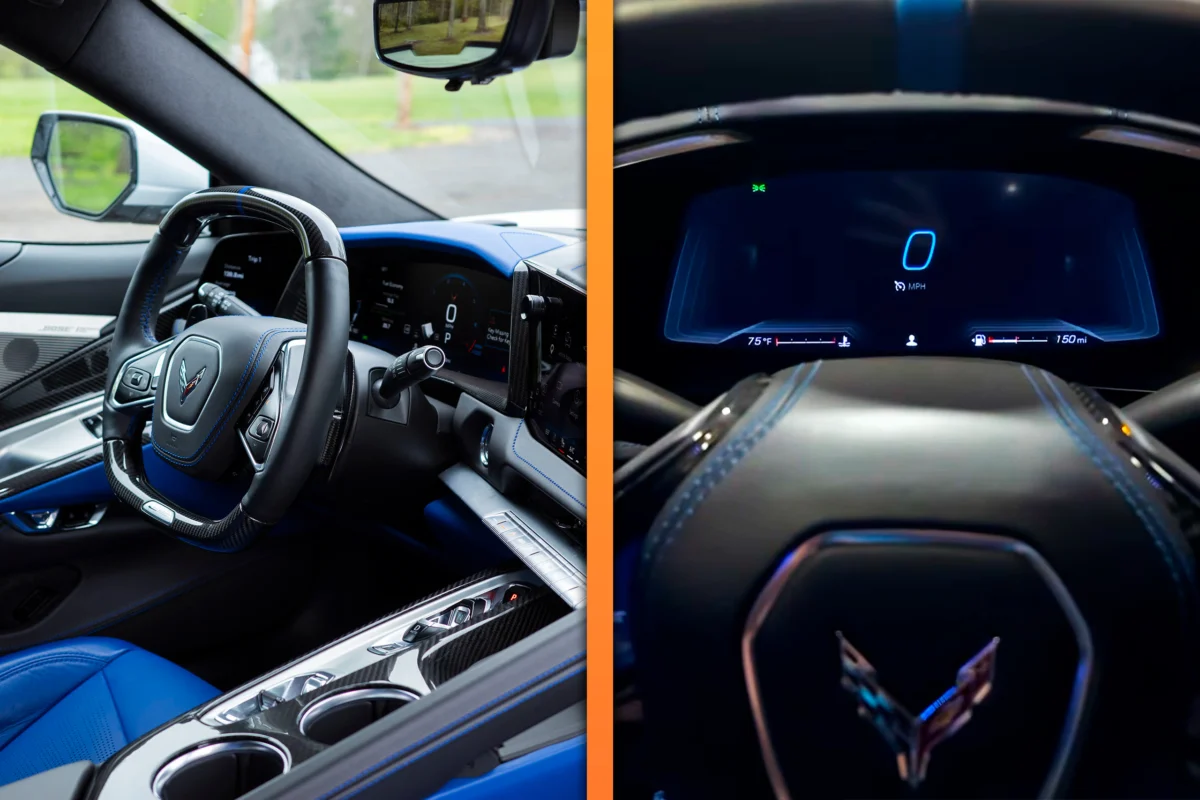
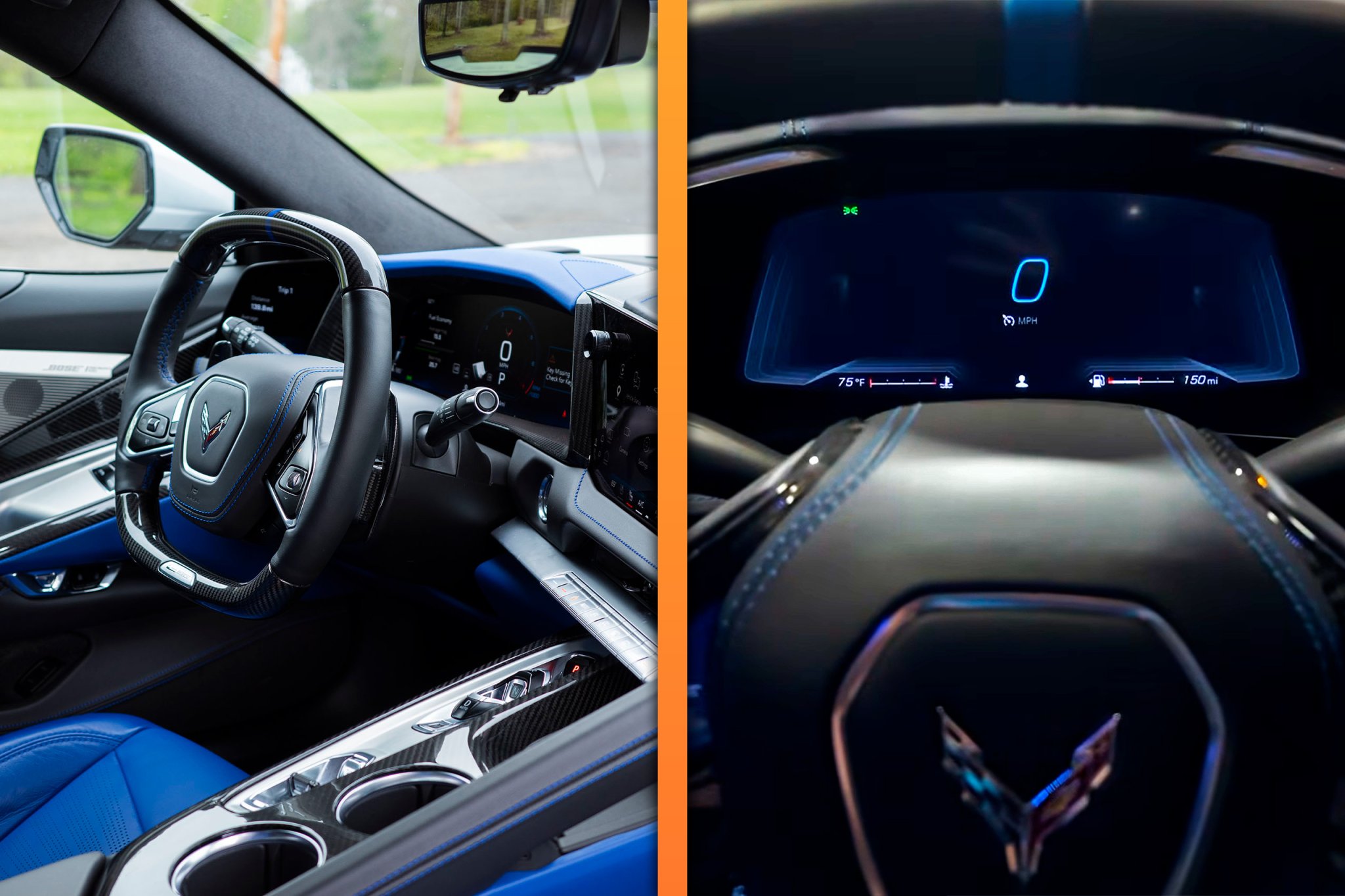
The functionality of the C8’s Night Mode is as elegant as it is simple. By adjusting the interior brightness knob to its lowest possible setting, the user triggers an additional "click" in the mechanism. This is not merely a screen dimming feature; it is a total blackout of the cabin’s peripheral light sources.
When engaged, the vast majority of the digital instrument cluster vanishes. The infotainment display goes dark, the ambient lighting strips deactivate, and even the myriad of backlit buttons throughout the cockpit dim or turn off entirely. What remains are the absolute vitals: a minimalist readout of vehicle speed, engine temperature, and fuel levels.
Some owners have dubbed this "Stealth Mode," though this terminology is technically inaccurate within the context of the C8. The term "Stealth" is already officially designated by General Motors for the car’s exhaust management system, which regulates exhaust flow to ensure the V8 engine operates at a whisper-quiet decibel level for late-night residential departures. Regardless of the nomenclature, the effect is profound: it allows the driver to focus exclusively on the road ahead, unencumbered by the distracting glow of a dashboard that feels more like a smartphone than a driver-focused instrument panel.
A Legacy of Illumination: The Saab Connection
While the C8 Corvette’s implementation is a welcome modern convenience, it is not an entirely novel invention. To understand the genesis of this philosophy, one must look back to the Swedish engineering marvels of the late 20th century: Saab.
Decades before the current epidemic of LED-saturated dashboards, Saab introduced "Night Panel" in its vehicles. Recognizing that long-distance night driving could be physically taxing for the human eye, Saab engineers developed a system that allowed the driver to effectively "shut down" the instrument cluster. With the press of a button, the car would extinguish all interior lights, including the backlighting for non-essential gauges.
The brilliance of the Saab system was its safety-first logic: if an essential parameter—such as engine temperature or fuel level—required the driver’s attention, that specific gauge would instantly illuminate, drawing the eye only when necessary. This spirit of "only show what matters" is the spiritual ancestor of the C8’s current configuration, proving that some design principles are timeless regardless of the evolution in screen technology.
The Ergonomic and Physiological Implications
The push for a "dark cabin" is not just about aesthetic preference; there is a legitimate physiological argument for reducing cockpit light.
The Science of Night Vision
Human night vision, or scotopic vision, relies on the sensitivity of the rods in the retina. Exposure to high-intensity light—such as the blue light emitted by modern LCD and OLED screens—causes the pupils to constrict and bleaches the rhodopsin in the retina, essentially resetting the eye’s adaptation to the dark. When a driver looks away from a bright screen to the unlit road, the delay in re-adapting to the darkness can be dangerous, particularly in rural settings or during high-speed maneuvers.
Reducing Cognitive Load
Modern vehicles suffer from what researchers call "information overload." When the instrument cluster displays navigation, media, vehicle diagnostics, and climate controls simultaneously, the driver’s cognitive load increases. By utilizing a "Dark Mode" or "Night Panel" feature, the driver effectively filters out the noise. This forces the focus back onto the primary task of driving, potentially reducing stress and improving reaction times.
Comparing Current Market Trends
As the industry shifts toward larger and more integrated glass-cockpit designs, the divergence between manufacturers is becoming more apparent.

- The Minimalist Trend: Some luxury brands, such as BMW with their recent iDrive updates, offer "simple" display modes. These configurations reduce the density of information presented to the driver. However, as noted in recent road tests of the BMW X5, these modes often fail to address the underlying issue of light intensity. The screen remains bright, even if the information density is lower.
- The GM Approach: The C8 Corvette and certain Cadillac Blackwing models represent the pinnacle of this design philosophy. By providing a physical control to reach a true "blackout" state, GM allows the driver to dictate the environment rather than forcing them to navigate through layers of complex software menus to achieve a similar result.
- The Future of Interfaces: Industry analysts suggest that we are entering a phase where "ambient intelligence" will become a selling point. This suggests that vehicles of the future will not just have a "Dark Mode," but will dynamically adjust lighting based on eye-tracking technology and ambient road conditions.
Why This Feature Must Go Mainstream
While the C8 Corvette and the Cadillac Blackwing are performance-oriented vehicles, the desire for a cleaner, less intrusive driving environment is universal. Parents driving minivans, commuters in sedans, and long-distance travelers in SUVs would all benefit from a "Night Mode" that effectively clears the visual clutter of a modern cabin.
Scaling the Technology
Implementing a "Night Mode" does not require expensive hardware. Because most modern dashboards are already digital, the limitation is entirely software-based. Manufacturers have the capability to include a "Dark/Stealth" toggle in the vehicle settings, or better yet, a dedicated physical button or a deep-dimming function on the brightness dial, as GM has done.
The argument against this is often that users want constant connectivity. However, the success of the C8’s implementation proves that enthusiasts—and even casual drivers—appreciate the option to disconnect. It is a feature that respects the driver’s autonomy and acknowledges the reality of night-time driving.
Conclusion: A Call for Clarity
The digital evolution of the automobile has brought us incredible safety and convenience features, but it has also brought a level of visual intrusion that was previously unimaginable. The C8 Corvette’s "Night Mode" serves as a reminder that the best car technology is often the kind that knows when to get out of the way.
As we move forward, the "digital detox" trend is likely to grow. Automakers that ignore the fatigue caused by their own cabin designs risk alienating a growing segment of consumers who value focus, simplicity, and the pure experience of the road. GM has set the standard with its "Night Mode," and it is time for the rest of the industry to follow suit. By turning off the lights, we may finally be able to see the road for what it truly is: a place for driving, not a place for looking at screens.
Do you have a favorite interior feature that helps you focus on the road, or are you a fan of the "all-screens-all-the-time" design philosophy? Sound off in the comments below.
