





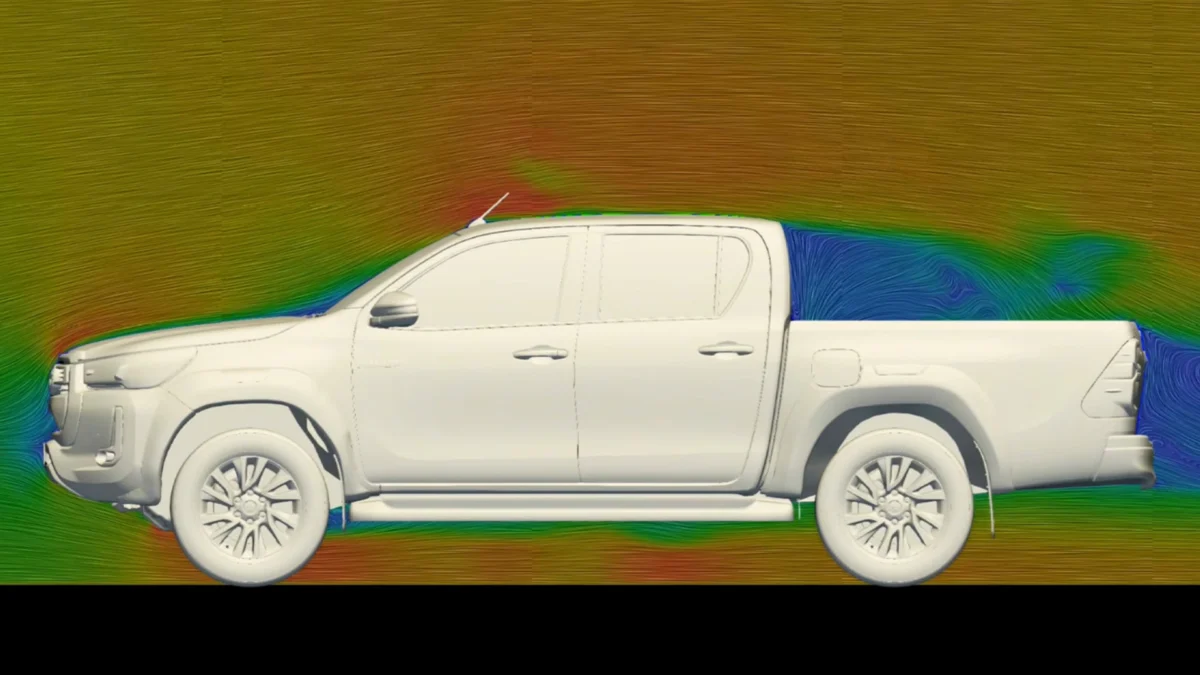
In an era of volatile fuel prices and a growing consumer focus on vehicle efficiency, every aerodynamic detail—no matter how seemingly insignificant—has come under the microscope. While automotive engineers spend thousands of hours in wind tunnels to shave off fractions of a drag coefficient, the average pickup truck owner often adds aftermarket accessories that can effectively undo those gains. A new technical analysis by Premier Aerodynamics, utilizing high-fidelity computational fluid dynamics (CFD) software, has finally provided a definitive answer to a long-debated question: Do mud flaps actually hurt your fuel economy?
The Science of Efficiency: Computational Fluid Dynamics
To understand the impact of external vehicle modifications, one must look toward the digital wind tunnel. Premier Aerodynamics employs OpenFOAM, an open-source CFD package widely used in the automotive and aerospace industries. Unlike traditional wind tunnel testing, which requires expensive physical prototypes and specialized facilities, CFD allows researchers to simulate airflow over complex surfaces with mathematical precision.
The team recently applied this technology to the eighth-generation Toyota Hilux, a vehicle that, while not sold in the United States, serves as a global benchmark for midsize pickup truck design. By simulating the truck’s performance at a sustained highway speed of 100 kph (62 mph), the researchers sought to quantify how specific "real-world" attachments like mud flaps alter the air’s path around the vehicle’s chassis.
Chronology: From Concept to Simulation
The study began by establishing a baseline for the Hilux. The eighth-generation model, currently in the process of being phased out by the ninth-generation successor, is a vehicle defined by its utilitarian design. The team modeled the truck in its "stock" configuration, capturing the intricacies of its wheel wells, ride height, and front-end geometry.
Following the initial baseline simulation, the researchers performed a digital "removal" of the mud flaps. By isolating this single variable, they were able to compare the drag coefficient (Cd) of the vehicle with and without the flaps. The data collection was rigorous, focusing on pressure distribution and wake turbulence—the two primary culprits in aerodynamic drag. The findings were not merely anecdotal; they were a direct measurement of energy loss caused by flow disruption.
Supporting Data: Breaking Down the Drag
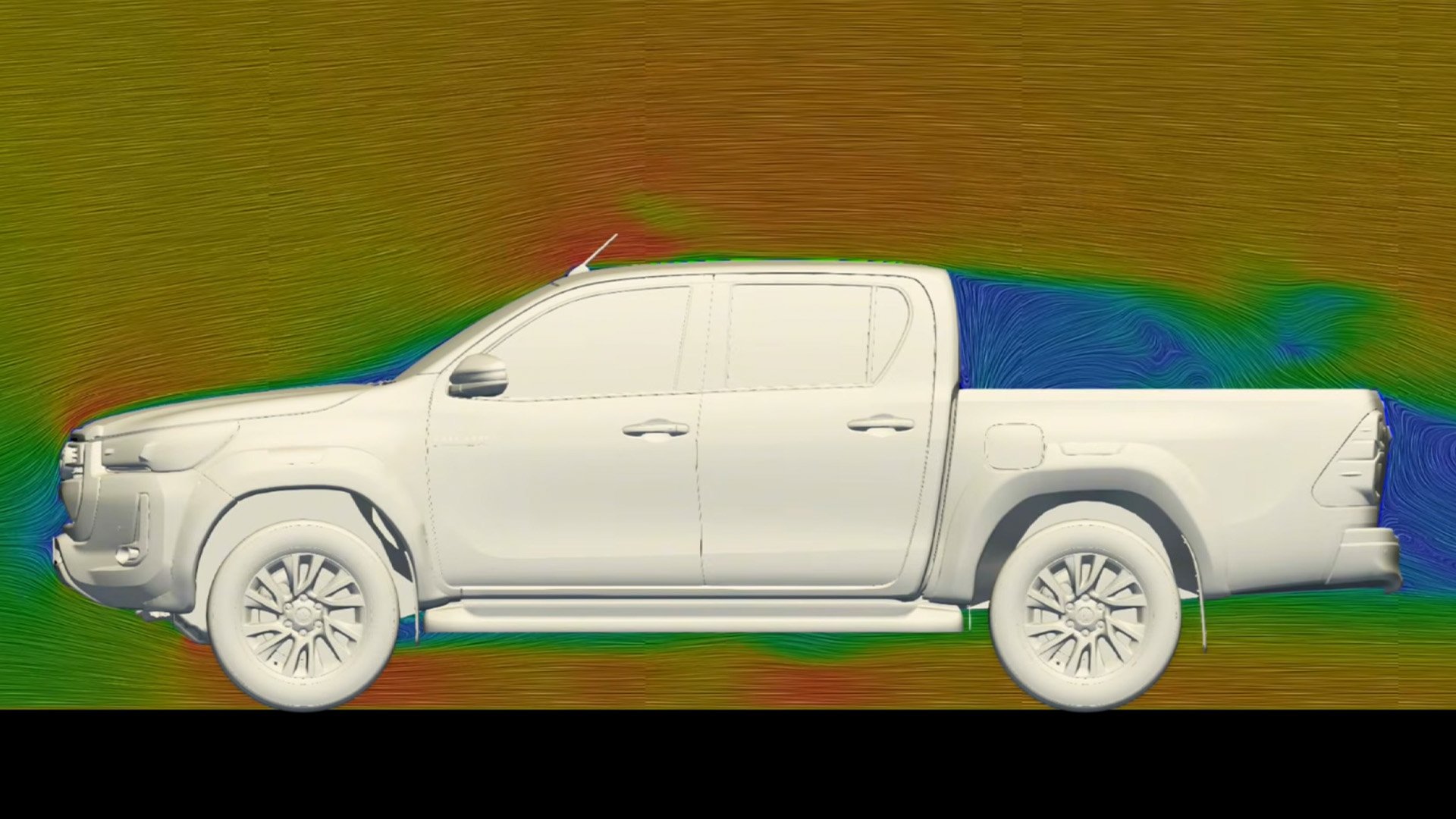
The simulation revealed that mud flaps do, in fact, negatively impact aerodynamic efficiency. In the case of the Hilux, the coefficient of drag increased from 0.37 to 0.38 upon the installation of standard mud flaps. While a 0.01 increase in the drag coefficient may sound negligible to the layperson, in the world of vehicle dynamics, it is a significant margin.
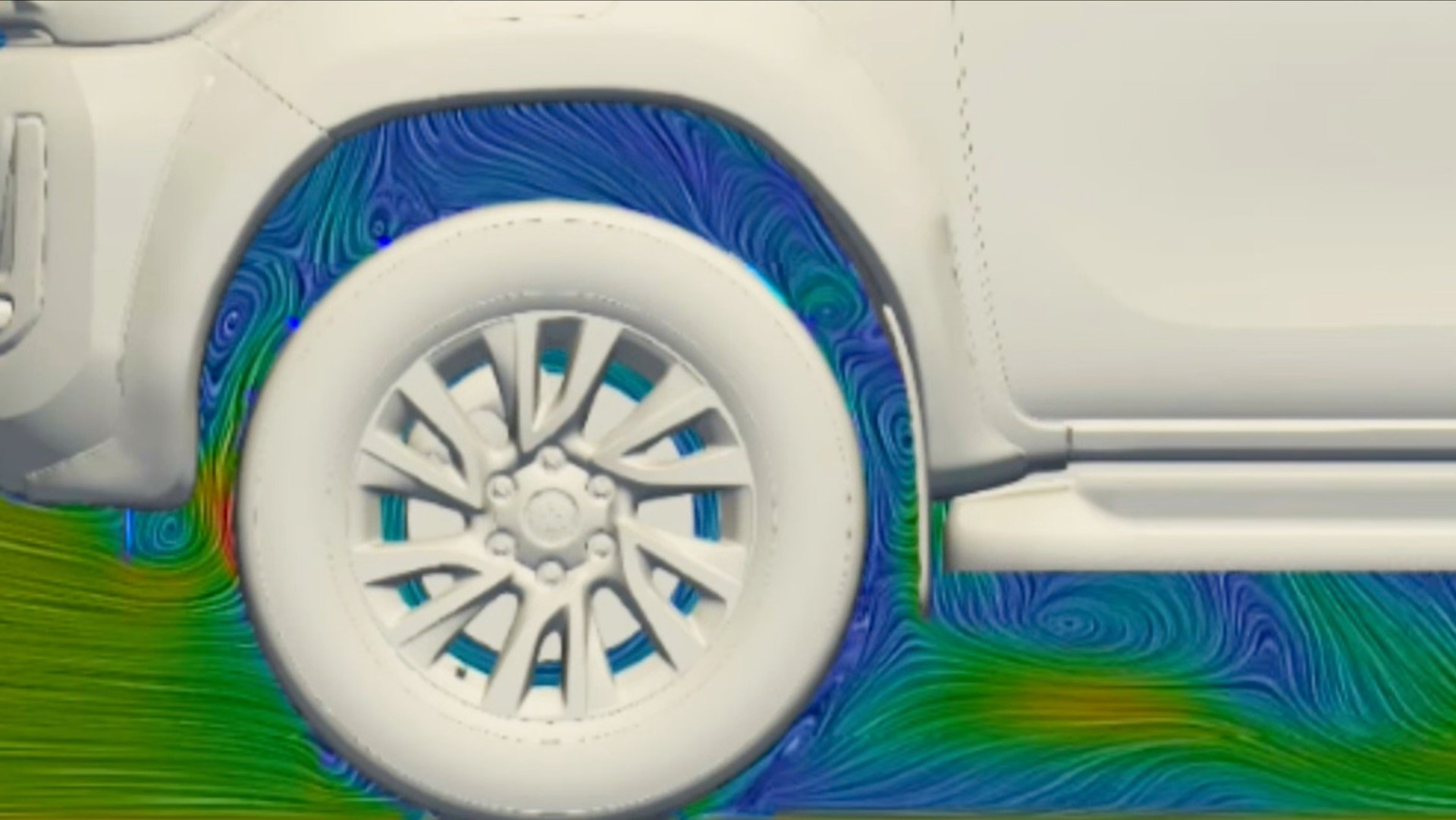
The analysis highlighted that mud flaps act as "blunt force" obstructions. As air travels down the side of the truck, it is forced to navigate the wheel arches. The mud flaps exacerbate the existing wake turbulence generated by the truck’s high ground clearance. Rather than creating a new problem, the mud flaps compound a pre-existing one, effectively "tripping" the airflow and causing it to detach from the body prematurely.
The economic implications are equally quantifiable. Based on the calculated increase in drag, the host of the analysis noted that for an average driver performing the majority of their commutes at highway speeds, the presence of mud flaps could result in approximately $70 of wasted fuel annually. While this may not be a life-altering amount for many, when scaled across the millions of pickup trucks on the road today, the cumulative waste is staggering.
Beyond the Flaps: Structural Aerodynamics
Interestingly, the study provided deeper insights into the design of the Hilux itself. The simulation identified several areas where the truck’s design works against—and for—the driver.
The Problem of Styling
The study pointed out that many of the Hilux’s most prominent features, such as its sharp A-pillars and pronounced, bulky wheel arches, are primarily aesthetic rather than functional. These features significantly disrupt airflow, creating zones of high pressure and turbulent "wakes" that drag on the vehicle. The researchers suggested that these design choices, while appealing to the "tough" image of a truck, create a perpetual aerodynamic penalty that is far greater than that of the mud flaps themselves.
The Hidden Benefits
Conversely, the analysis also defended the engineers at Toyota. Despite the truck’s boxy appearance, the data showed that the vehicle is surprisingly efficient in other areas. The front end is well-designed to keep airflow attached to the body, and the specific geometry of the rear wheel well and tailgate creates a "diffuser-like" effect. This helps manage the air exiting the truck bed, preventing excessive turbulence. The study serves as a reminder that what appears to be a "brick" on the road may actually possess sophisticated airflow management hidden in plain sight.
Implications for the Modern Truck Owner
For the average driver looking to maximize fuel efficiency, the path forward involves a hierarchy of interventions.
- The Low-Hanging Fruit: If efficiency is the absolute priority, removing mud flaps is a zero-cost way to reduce drag. However, owners must weigh this against the benefit of protection—mud flaps prevent stone chips and road debris from damaging the truck’s paint and the windshields of following vehicles.
- The "Fastback" Advantage: The analysis suggests that covering the truck bed is perhaps the most impactful modification an owner can make. While "fastback" bed covers may be visually polarizing, their ability to streamline the air as it leaves the cab and transitions to the tailgate can result in noticeable gains in fuel economy.
- Ride Height and Stance: The most significant aerodynamic penalty identified was the vehicle’s ride height. While lowering a truck is often contrary to the intent of off-road enthusiasts, for those who use their vehicles strictly for highway commuting, a lower center of gravity and reduced ground clearance are the most effective ways to cheat the wind.
The Verdict: Is It Worth It?
The research conducted by Premier Aerodynamics provides a fascinating look into the intersection of utility and efficiency. The takeaway is clear: while mud flaps are a contributor to aerodynamic drag, they are a minor factor in the broader context of truck design.
For the typical pickup owner, the decision to keep or remove mud flaps should likely be governed by necessity. If you frequent gravel roads or work in environments where debris is a constant threat, the $70 annual fuel penalty is a small price to pay for the preservation of your vehicle’s finish. However, for the urban dweller who primarily uses their truck for commuting, the data provides a compelling argument for stripping away unnecessary attachments.
As we look toward the next generation of trucks, including the upcoming ninth-generation Hilux, it remains to be seen whether manufacturers will prioritize further aerodynamic refinement or stick to the rugged, high-drag designs that consumers have come to expect. One thing is certain: in the high-stakes game of fuel efficiency, the wind is a constant opponent, and every little bit of drag counts.
