





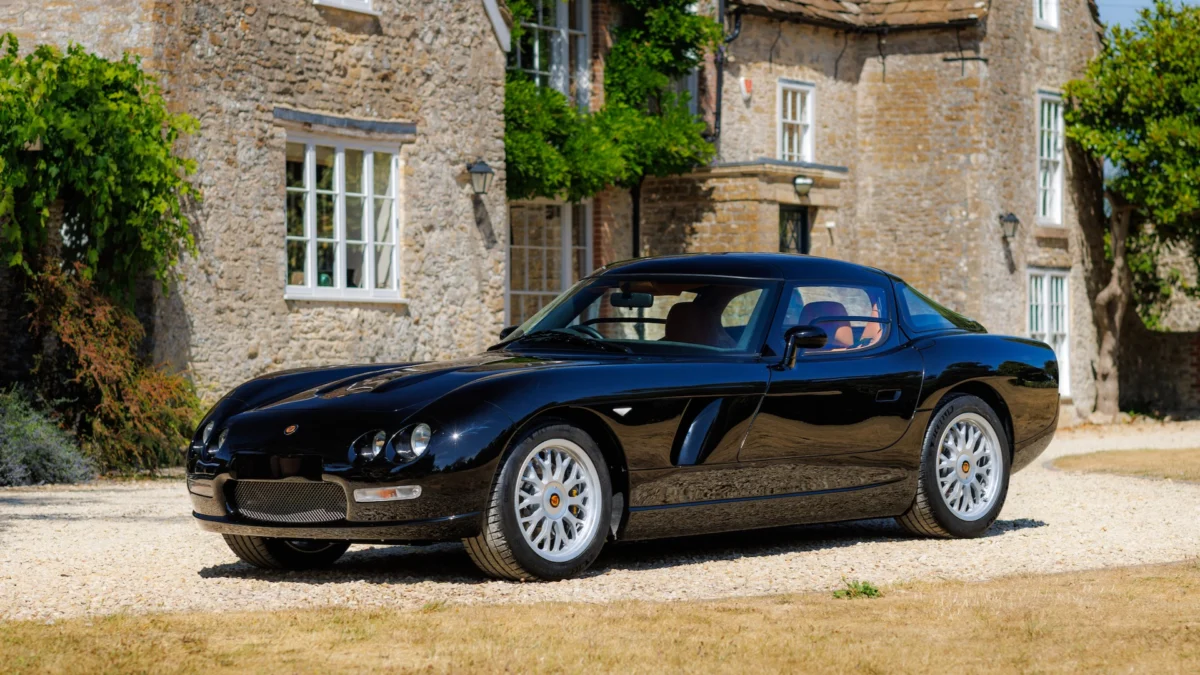
While the automotive world mourns the transition to hybridization and downsizing, a ghost from the British motoring past has materialized to remind us of the era of pure, displacement-heavy excess. Stellantis may have shuttered the legendary Dodge Viper, choosing instead to push its performance brands toward electrified or smaller-displacement architectures, but the soul of the Viper lives on—not in Detroit, but in a small workshop in the United Kingdom.
Bristol Cars, an automaker synonymous with eccentricity and exclusivity, has officially emerged from its prolonged dormancy. In a move that has stunned enthusiasts and collectors alike, the company has announced it is finishing the final five chassis of the Bristol Fighter, a supercar that was long presumed to be a relic of a failed business endeavor. This effort marks not just a completion of a historical project, but a strategic first step toward the brand’s total resurrection.
A Legacy Built on Aerospace and Precision
To understand the significance of the Fighter, one must first look at the unique lineage of Bristol Cars. Founded in 1945, the company was the automotive offshoot of the Bristol Aeroplane Company. Following the conclusion of World War II, the British manufacturer found itself with a surplus of skilled labor and high-precision engineering facilities but a dwindling demand for combat aircraft.
By repurposing their expertise, they pivoted to luxury automotive manufacturing. Their early success, the Bristol 400, was heavily influenced by prewar BMW architecture, a result of the company’s prior status as a U.K. importer for the German brand. This technical pedigree cemented Bristol’s reputation for combining refined, coach-built elegance with engineering robustness. For decades, they were the "gentleman’s choice," producing stately, understated coupes that masked high-performance mechanicals.
Chronology of a Failed Rebirth
The story of the Fighter is a turbulent one. By 2003, Bristol was a brand struggling to find its footing in a modern market that favored mass-produced luxury over bespoke, handmade crafts. The Fighter was intended to be the company’s "Hail Mary"—a radical departure from their traditional, conservative aesthetic.
- 2003: The Bristol Fighter debuts, packing the formidable 8.0-liter V10 engine sourced directly from the Dodge Viper.
- 2003–2011: Despite rave reviews for its visceral performance, manufacturing was slow and sporadic. Over an eight-year period, it is estimated that only 15 cars were completed before production ceased entirely in 2011.
- 2016: An attempt to revive the brand with a new model, the "Bullet," captured headlines but ultimately failed to reach serial production, further clouding the company’s future.
- 2026: Bristol Cars Group Ltd. emerges with a definitive plan: to finalize the five "lost" chassis that had been gathering dust since the 2011 shutdown.
The Engineering Marvel: Anatomy of the Fighter
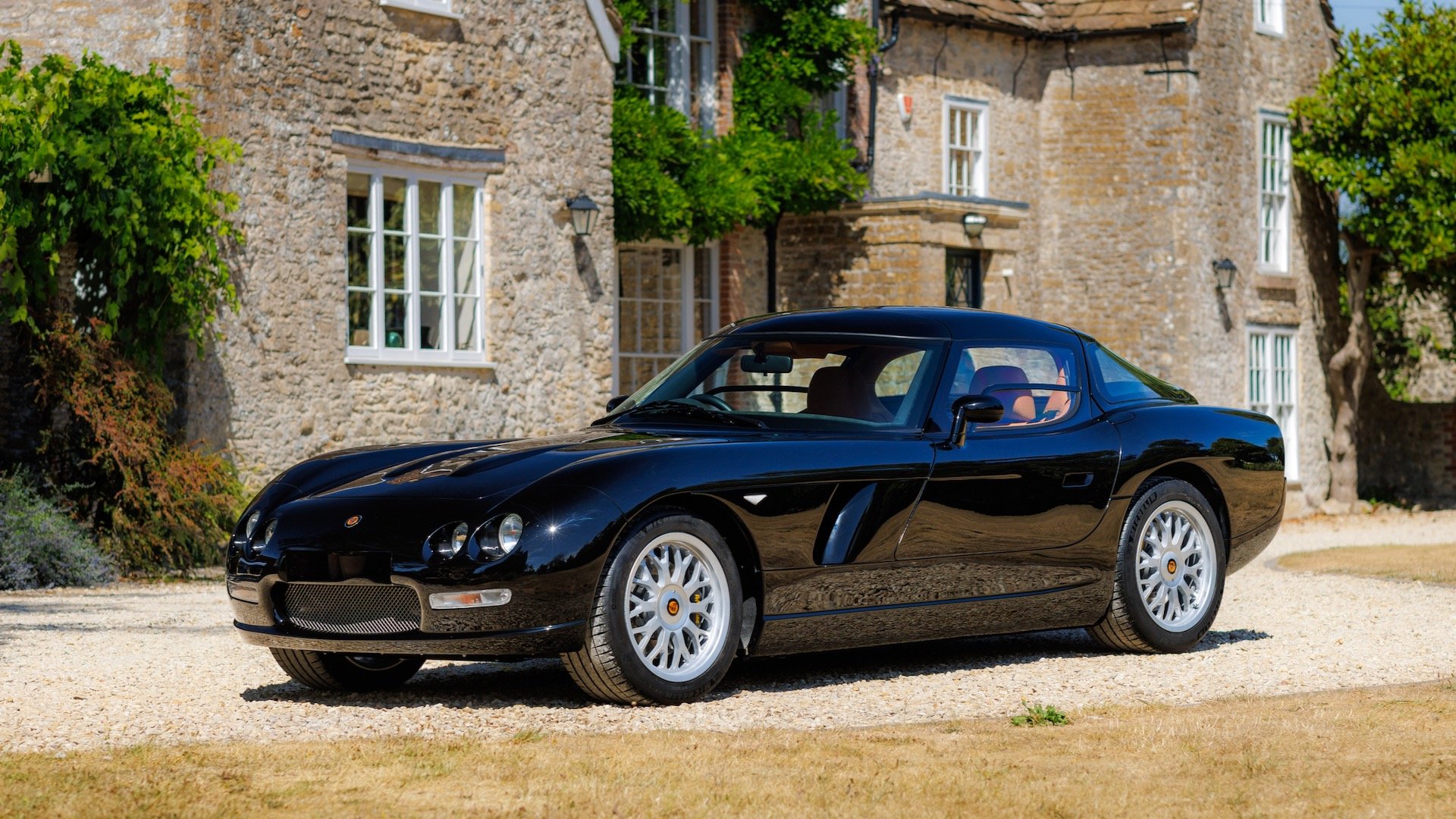
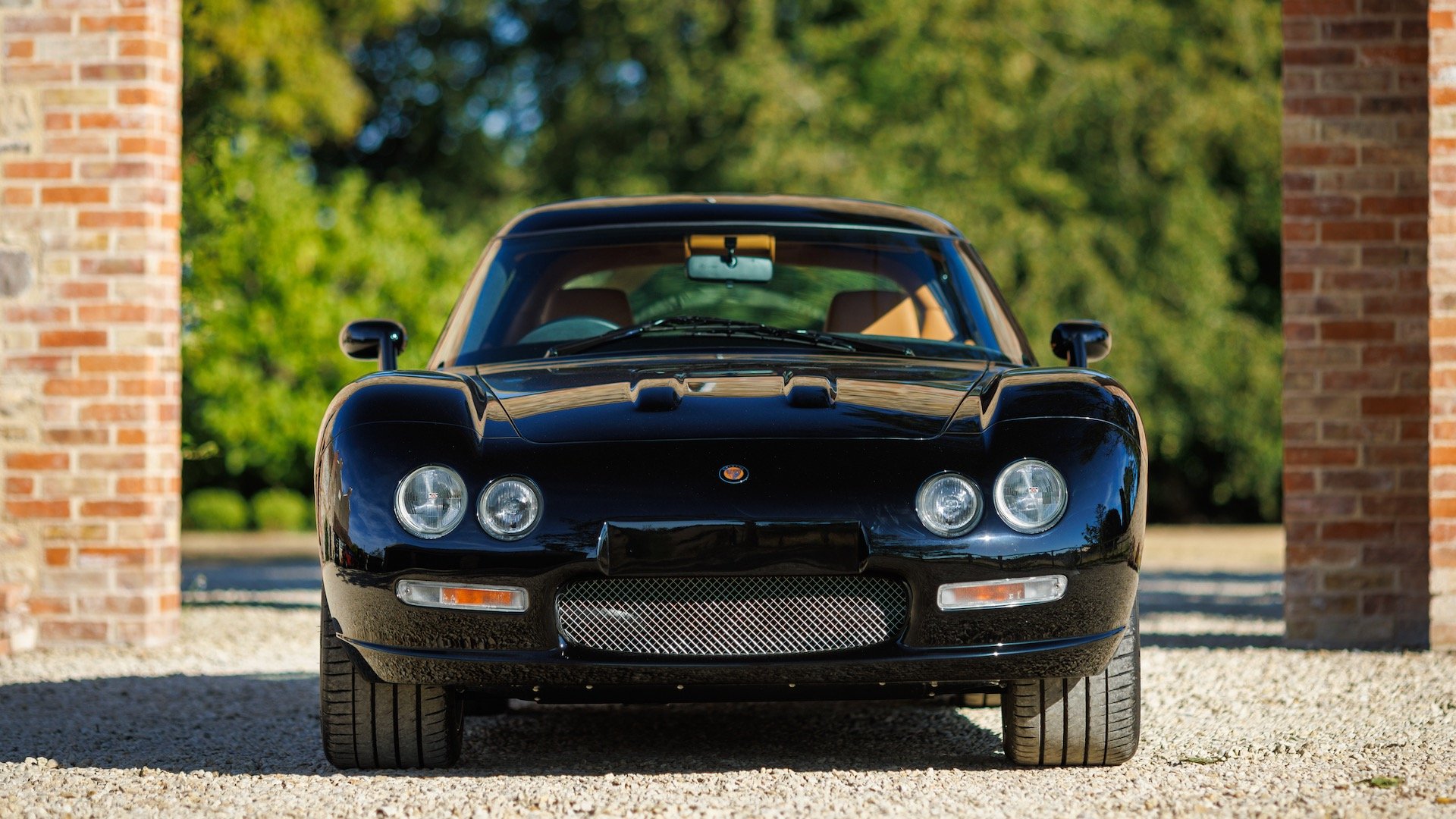
The Fighter was, and remains, an engineering anomaly. It features a compact, aerodynamic body—often compared in footprint to a contemporary Porsche 911—housing an engine that belongs in a muscle car.
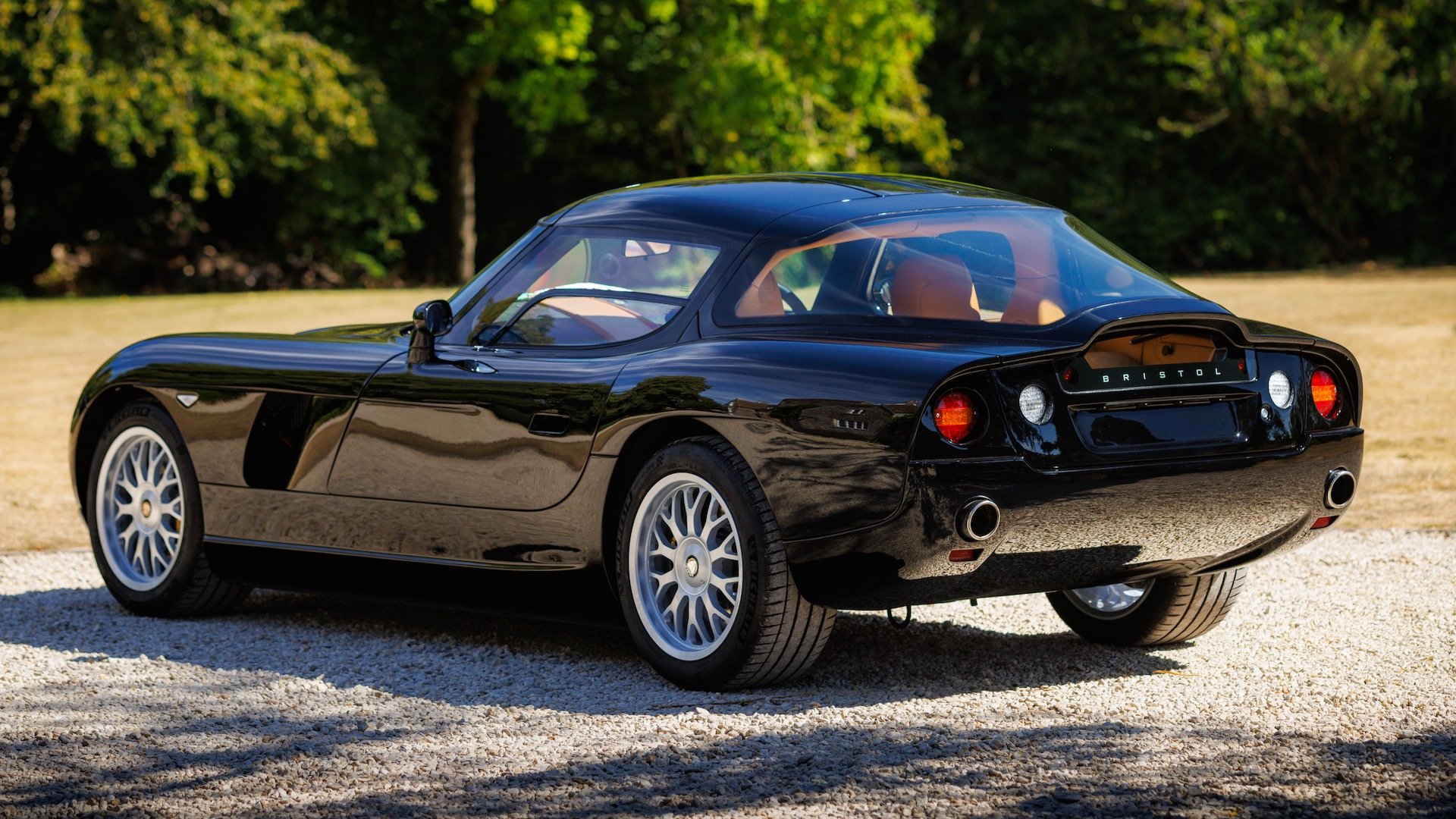
The heart of the beast is the Chrysler-sourced V10. In its standard trim, the Fighter produced a staggering 525 horsepower. However, the company also offered a more aggressive iteration, the Fighter T, which utilized a twin-turbocharged setup to push output to a claimed 1,012 horsepower. Given the car’s relatively low curb weight, these figures allowed for a claimed top speed of 210 mph, placing the Fighter in direct competition with the supercars of its day.
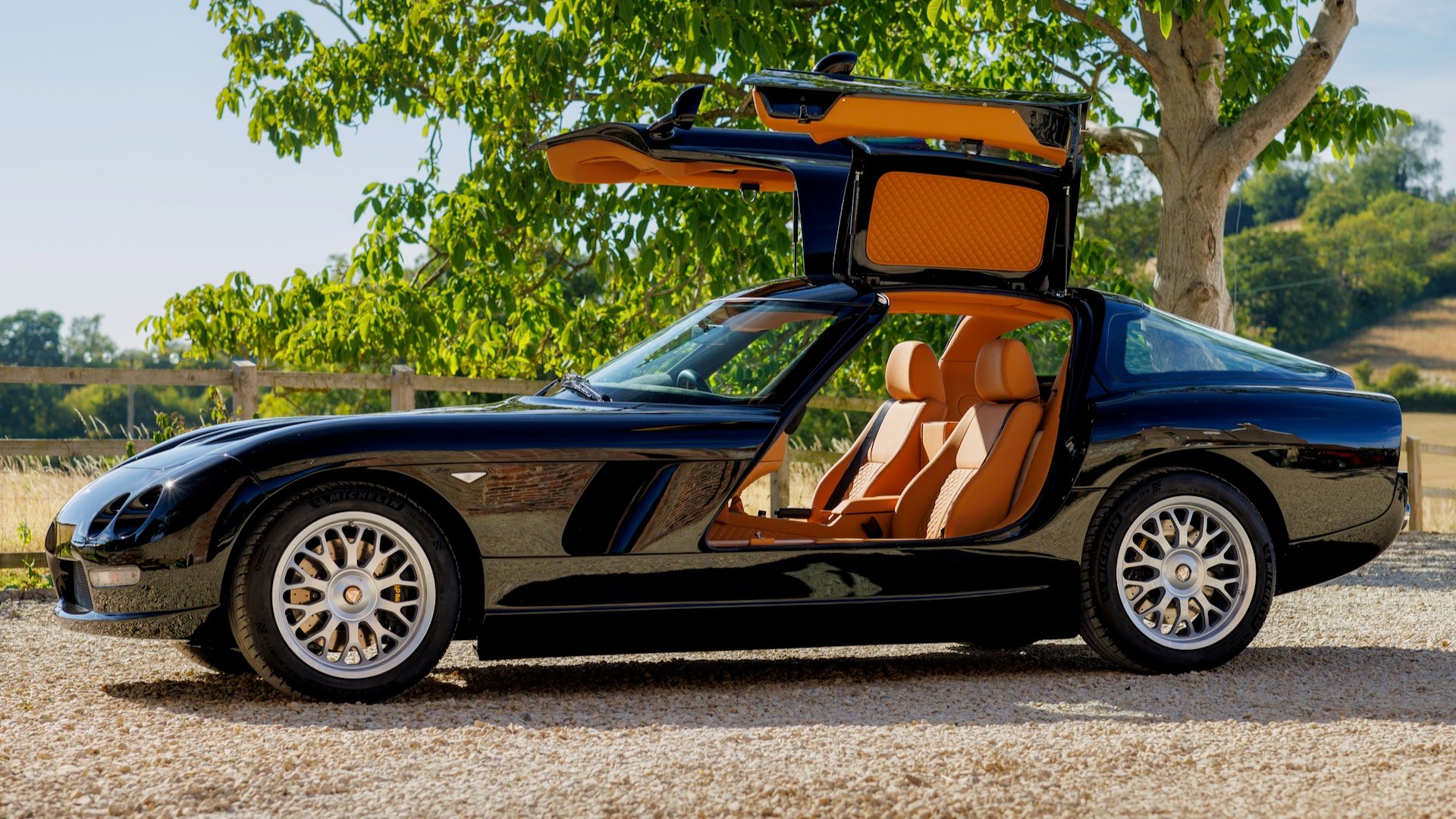
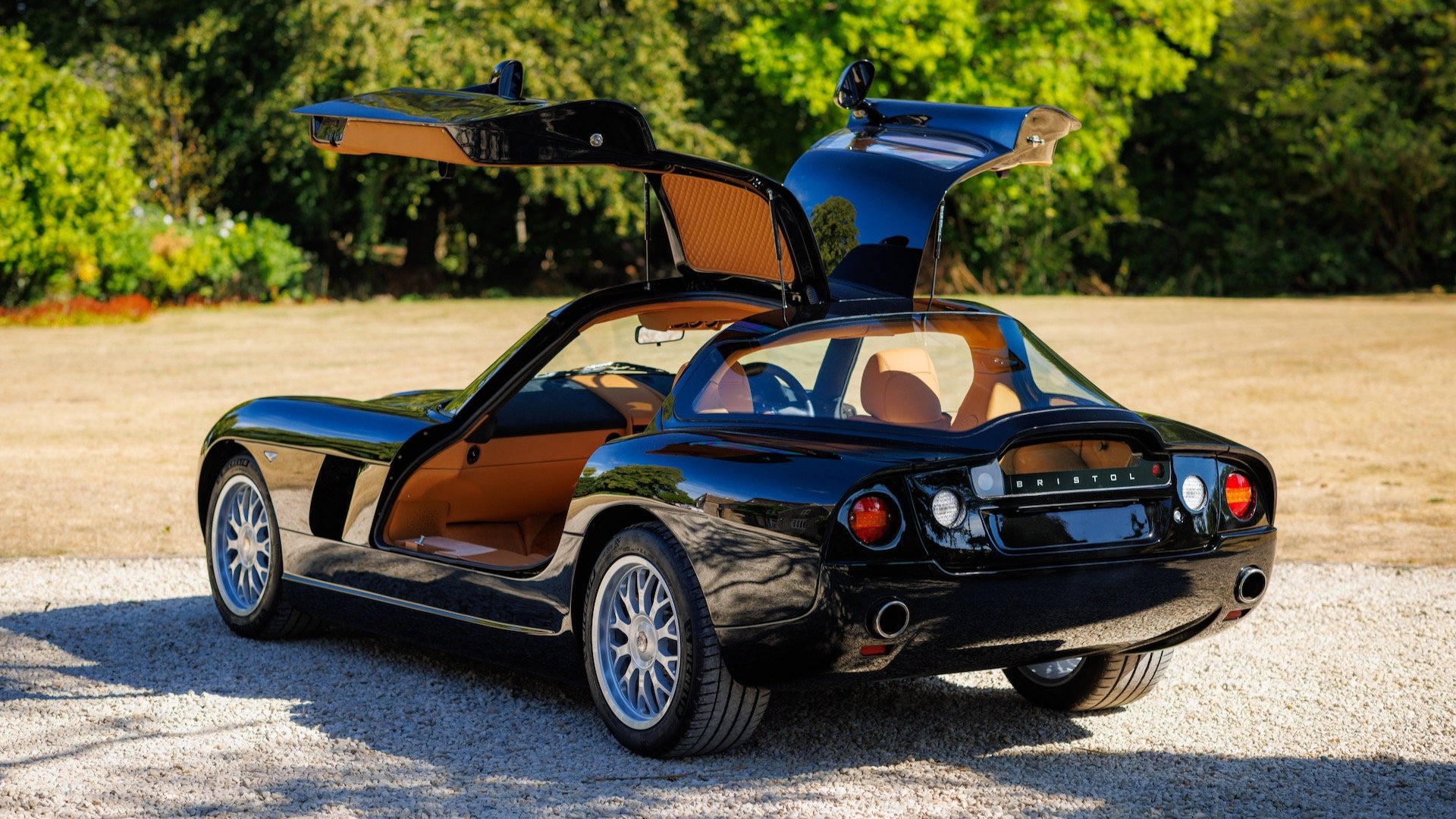
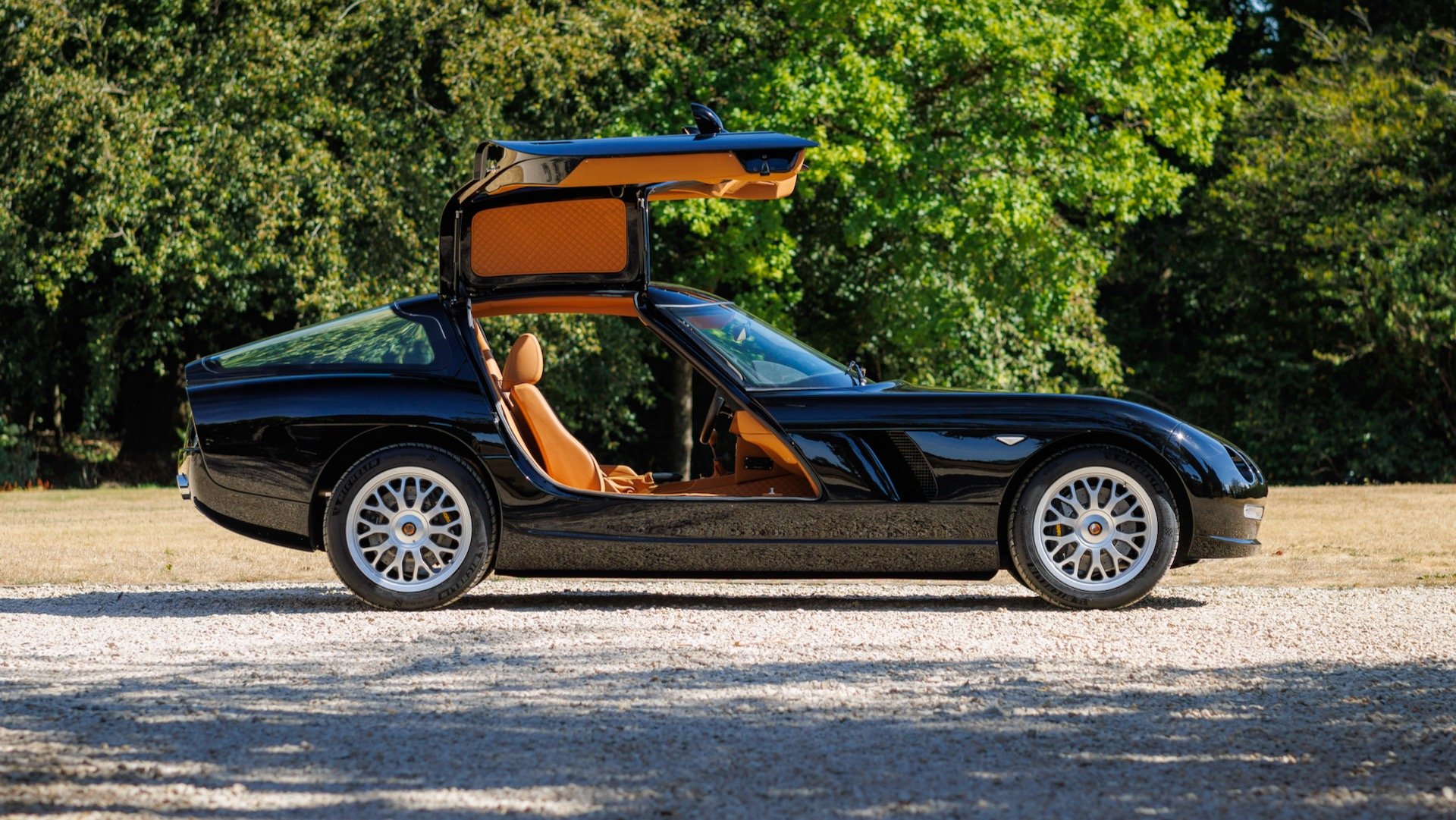
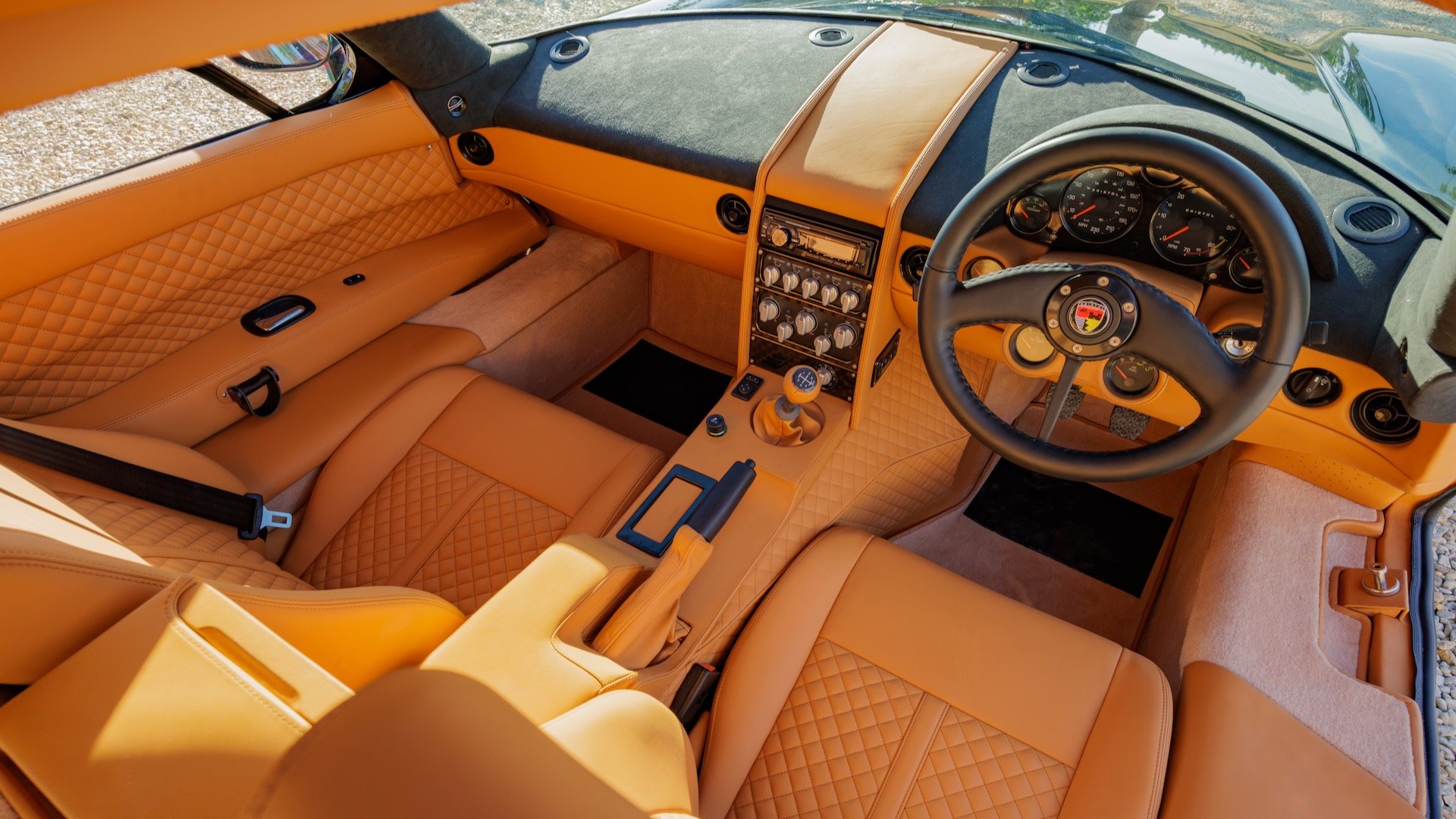
Beyond the engine, the Fighter is distinguished by its dramatic gull-wing doors—a rarity in the British luxury segment—and an interior that prioritizes driver engagement over modern infotainment. The recent unveiling at the Salon Privé in the U.K. showcased the craftsmanship that remains, as these final cars are finished to a standard that respects the original design vision while incorporating modern refinements.
Data and Performance Specs
The return of the Fighter is not just a triumph of nostalgia; it is a point of interest for data-driven performance metrics. The technical specifications of the final five units are as follows:
- Engine: 8.0-liter naturally aspirated V10 (Standard); Twin-turbocharged (Fighter T).
- Horsepower: 525 hp (Standard) to 1,012 hp (Fighter T).
- Chassis Construction: Aluminum and carbon fiber composite.
- Transmission: 6-speed manual or 4-speed automatic.
- Weight: Approximately 1,400–1,500 kg.
The decision to finalize these cars with the original V10 configuration is a direct challenge to the modern trend of downsizing. As Lamborghini moves the Temerario to a V8-based hybrid powertrain, the Bristol Fighter stands as one of the last "new" cars in existence to offer a pure, naturally aspirated (or raw turbocharged) V10 experience.
Official Stance and Market Implications
Bristol Cars Group Ltd. has been clear about their intent: these five cars are the bridge between the old guard and the new. By fulfilling these orders, the company establishes its capability to manage complex assembly and supply chain logistics, proving they are a viable entity.
Furthermore, the company has confirmed that the newly completed cars will be "Show or Display" eligible in the United States. This is a critical development for potential American collectors. Under the "Show or Display" exemption, owners can import these vehicles despite them not meeting standard EPA/DOT requirements, provided they are driven fewer than 2,500 miles per year. This exclusivity makes the Fighter a high-value asset for those looking to hedge against the total loss of internal combustion performance.
The Future of the Brand
What comes next for Bristol? While the company has not revealed a successor to the Fighter, the successful completion of these final chassis acts as a powerful marketing statement. It demonstrates that the brand is capable of operating at a high level of craftsmanship.
Some industry analysts suggest that Bristol might look toward a boutique, electrified future, potentially utilizing their heritage in lightweight construction to build high-performance EVs. Others argue that the brand’s identity is too deeply rooted in the mechanical soul of the engine to abandon it entirely.
Regardless of the direction, the return of the Fighter serves as a poignant reminder that even the most obscure automotive dreams can be resurrected. In an industry increasingly defined by software updates and battery density, the sight of a gull-wing, V10-powered British supercar rolling off an assembly line in 2026 feels like an act of rebellion.
Conclusion
The revival of the Bristol Fighter is more than a mere curiosity; it is a testament to the endurance of classic engineering. By finishing these last five chassis, Bristol Cars Group Ltd. has honored the legacy of the original 1945 founders while simultaneously signaling a new chapter for the company.

For the lucky few who will secure one of these final units, the ownership experience will be defined by more than just speed—it will be defined by the knowledge that they are stewards of one of the last great, analog, ten-cylinder machines ever built. As the sun sets on the era of the big-displacement engine, the Bristol Fighter has managed to secure its place in the history books, not as a finished story, but as a final, thunderous exclamation point.
