




In the traditional rhythm of global trade, the calendar was king. For decades, supply chain managers operated like clockwork, timing their inventory cycles to align with predictable "peak seasons" ahead of the back-to-school rush and the holiday shopping frenzy. However, that era of seasonal stability has effectively come to an end.
As Port of Los Angeles Executive Director Gene Seroka noted during a July 15 media briefing, the logistics industry has abandoned the pursuit of "perfect conditions." Instead, retailers and manufacturers are adopting a philosophy of opportunism, moving cargo whenever a favorable opening presents itself. This strategic pivot reflects a broader, more anxious reality: companies are now forced to balance consumer demand against the looming specter of trade policy shifts, volatile energy markets, and the persistent instability of global conflict.
The New Normal: Frontloading as a Survival Strategy
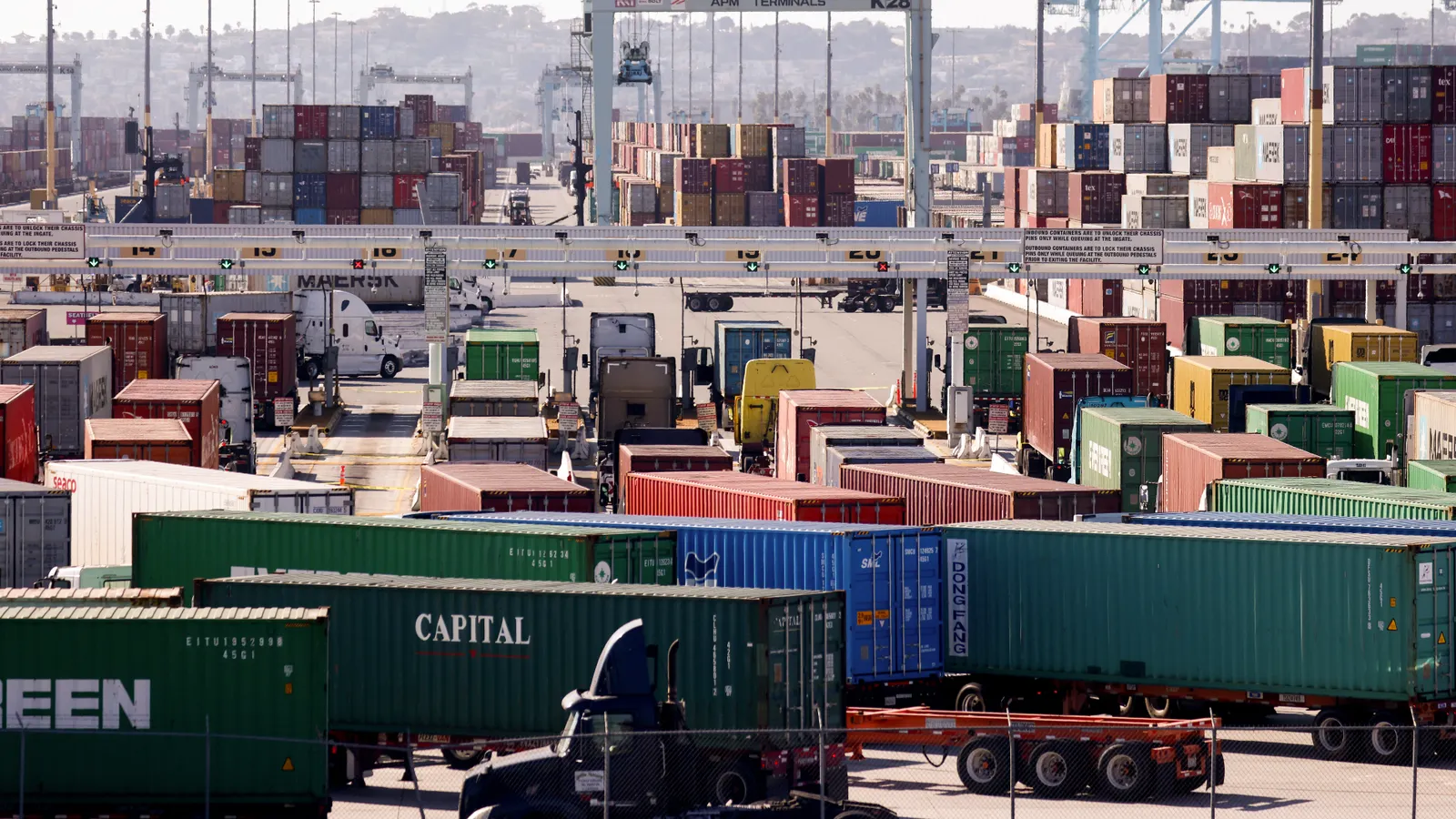
The evidence of this strategic shift is written in the staggering volume numbers coming out of Southern California. Driven by a desire to hedge against supply chain disruptions, retailers are "frontloading" their cargo. By bringing goods into the country months in advance of when they would typically be needed, companies are effectively buying insurance against future policy changes and transportation bottlenecks.
This behavior has triggered an "early peak season," defying historical norms. In June, the Port of Los Angeles achieved a historic milestone, processing over 1 million TEUs (Twenty-Foot Equivalent Units)—the highest volume for a single month in the port’s 118-year history. This represents a 12% year-over-year increase, signaling that the traditional "slow" periods are being aggressively filled with inventory.
The Port of Long Beach is mirroring this trend. According to a July 14 report, the neighboring facility processed nearly 780,000 TEUs in June, a 10.6% increase compared to the previous year. Imports specifically surged by 11%, reaching 387,025 TEUs. These figures are not merely a statistical anomaly; they are the byproduct of a calculated effort by the private sector to front-run potential economic obstacles.
Chronology of a High-Volume Summer
To understand the current state of the supply chain, one must look at the rapid acceleration of activity throughout the first half of 2026:
- Q1 2026: Initial concerns regarding global fuel costs and shifting trade policies began to surface. Logistics managers started adjusting procurement timelines, moving away from "Just-in-Time" delivery toward a "Just-in-Case" inventory model.
- May 2026: Preliminary data suggested that shipping volumes were beginning to outpace seasonal averages as retailers started preparing for an early inventory build.
- June 2026: The surge intensified. The Port of Los Angeles processed 1,002,734 TEUs, with loaded imports jumping 13% year-over-year. The industry officially recognized the start of an early peak season.
- July 2026: The momentum shows no sign of slowing. Port of Los Angeles officials forecast that July volumes will exceed 900,000 TEUs, driven by the urgency to clear customs before the expiration of critical trade policy deadlines.
Supporting Data: By the Numbers (June 2026)
The breakdown of the Port of Los Angeles’ June performance highlights where the pressure points lie within the domestic supply chain:
| Metric | Total TEUs | Year-Over-Year Change |
|---|---|---|
| Total Processed | 1,002,734 | +12% |
| Loaded Imports | 530,558 | +13% |
| Loaded Exports | 126,365 | Flat |
| Empty Containers | 345,811 | +17% |
The 17% increase in empty container units is particularly telling. As the port works to process an influx of imports, the rapid turnaround and repositioning of empty equipment are essential to keep the system from gridlocking. Meanwhile, the stagnation of loaded exports suggests that while the U.S. is aggressively importing, the global appetite for U.S. goods remains tempered by the same economic headwinds affecting the rest of the world.
Official Responses and Strategic Foresight
Gene Seroka and his team at the Port of Los Angeles have shifted their operational stance to match the volatility of their customers. Rather than relying on historical forecasts, the port’s operations teams are running continuous simulation exercises. These simulations model various scenarios, including the potential impacts of new tariff structures and sudden spikes in energy costs.
"This is part of the reason why you saw the retail community advance shipments and inventories," Seroka explained. "They just don’t know what’s going to happen with any level of specificity after these Section 122s expire."
The port’s leadership is preparing to reconvene with stakeholders regularly to determine how to adjust to new developments in real-time. By fostering this collaborative, data-driven environment, the port hopes to maintain the fluidity of the supply chain even as the macro-economic environment becomes increasingly opaque.
Implications: The Shadow of Policy and War
The current shipping surge is not just about inventory management; it is a response to two massive, looming variables:
1. The Tariff Uncertainty
The expiration of Section 122 tariffs on July 24 has created a "bottleneck of anxiety." Companies are rushing to get goods into the U.S. under the current regulatory framework, fearing that the post-July 24 environment could be significantly more expensive. The legal and political maneuvering surrounding these tariffs has made it nearly impossible for supply chain managers to plan for the long term, forcing them into a state of continuous, high-volume shipping.
2. The Energy and Conflict Nexus
The ongoing conflict involving Iran continues to act as a primary driver of cost volatility. Because fuel accounts for upwards of 30% of a vessel’s total voyage cost, any escalation in the region creates an immediate ripple effect in shipping surcharges.
Seroka highlighted a concerning "lag effect" in how these costs are passed to the consumer. When fuel prices spike, ocean carriers adjust their surcharges upward. However, when fuel prices eventually decrease, those surcharges often remain elevated for an extended period. This creates a "price floor" that keeps transportation costs high, even when the underlying energy markets show signs of cooling. This friction in the pricing mechanism adds another layer of cost that retailers must account for in their annual budgets.
Looking Beyond the Horizon
As we look toward the remainder of 2026, the primary takeaway is that the "readability" of the supply chain has diminished. Seroka candidly admitted that the outlook "gets a little harder to read" beyond the current month. The industry has effectively traded the stability of the past for the agility of the present.
For the American consumer, this means that while goods may currently be flowing at record volumes, the price of those goods and the reliability of their availability are tethered to the volatile outcomes of international trade policy and the resolution of geopolitical conflicts. The logistics industry is no longer just moving containers; it is navigating a high-stakes, real-time experiment in risk management.
As companies continue to bypass traditional seasonal cycles in favor of immediate, defensive logistics, the Port of Los Angeles and its counterparts remain the critical shock absorbers for the global economy. Whether this "frontloading" strategy will prevent future supply chain fractures or merely delay the inevitable remains the defining question for the second half of the year. For now, the ports are running at full capacity, and the industry is holding its breath.
