


By Dan Zukowski | July 16, 2026
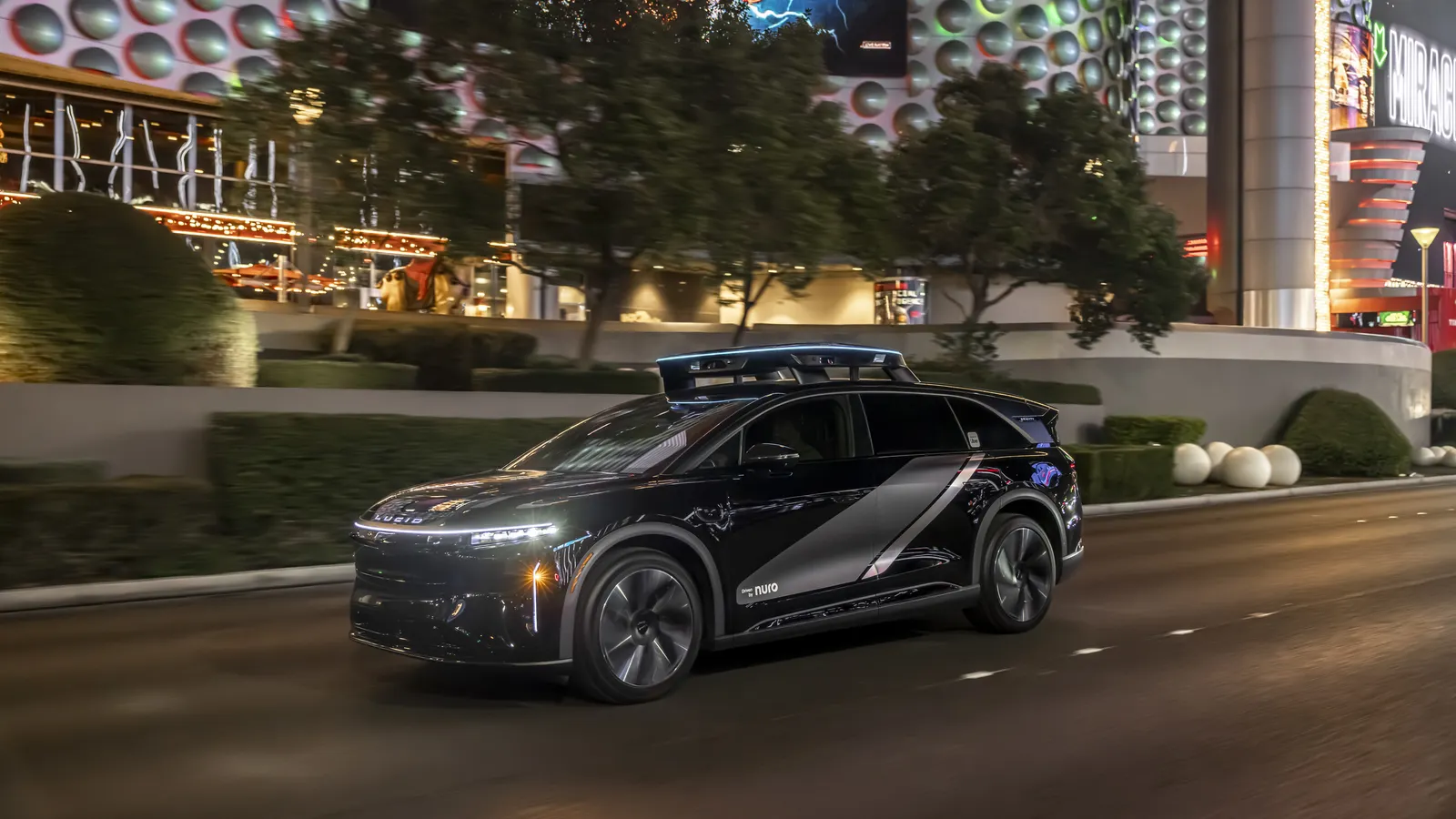
The landscape of urban transportation is undergoing a seismic shift. As major ride-hailing platforms and automotive manufacturers race to define the next generation of transit, a strategic trifecta—Uber, Lucid Group, and Nuro—has emerged as a formidable force. Following a series of high-stakes investments and technical milestones, the partnership is preparing to deploy a massive fleet of autonomous "Gravity" robotaxis, aiming to integrate self-driving technology into the daily commute of millions.
Despite broader market headwinds affecting the electric vehicle (EV) sector, this collaboration represents a long-term bet on the inevitability of autonomous mobility. With plans to deploy up to 35,000 robotaxis over the next six years, the partners are moving beyond the testing phase and into the era of commercial scale.
The Strategic Partnership: A Technical Convergence
The synergy between the three companies is built on a clear division of labor: Uber provides the massive, global ride-hailing infrastructure; Lucid Group supplies the high-performance, purpose-built electric hardware; and Nuro contributes the sophisticated AI-driven autonomous driving software.
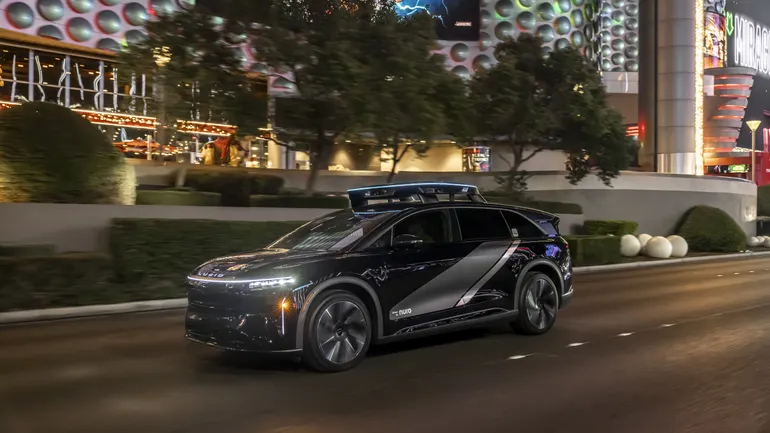
The cornerstone of this partnership is the Lucid Gravity robotaxi, a vehicle engineered specifically to handle the rigors of commercial autonomous operation. Unlike consumer vehicles retrofitted with sensors, the Gravity platform has been developed with the specific needs of a robotaxi fleet in mind, including cabin accessibility, passenger comfort, and integration with autonomous sensor suites.
Nuro, known for its pioneering work in autonomous delivery, has pivoted its focus toward passenger-carrying applications. By embedding its AI stack into the Lucid chassis, the company aims to overcome the "last-mile" safety hurdles that have hampered other industry players.
Chronology of Progress: From Investment to Implementation
The journey to this point has been marked by rapid scaling and significant financial commitments:
- Mid-2025: Uber makes its initial splash in the sector with a $300 million investment in Lucid Group, signaling an intent to procure 20,000 units of the Gravity robotaxi platform.
- May 2026: Uber CEO Dara Khosrowshahi confirms to investors that the company is on track to launch public-facing autonomous rides in the San Francisco Bay Area before the end of the year.
- May 8, 2026: Nuro officially receives its permit from the California Public Utilities Commission (CPUC), authorizing the company to conduct testing with passengers accompanied by a safety driver.
- April 2026: Uber doubles down on the initiative, increasing its total investment in Lucid by an additional $200 million, effectively raising the procurement target to 35,000 vehicles.
- July 2026: The consortium announces that Houston, Texas, will serve as the second major market for the program, with a full-scale launch scheduled for 2027.
The Operational Roadmap: Why Houston and San Francisco?
The choice of San Francisco and Houston as the primary launchpads is no coincidence. Both cities offer distinct environments for training and scaling autonomous systems.
San Francisco, characterized by its dense urban fabric, unpredictable pedestrian traffic, and complex traffic patterns, serves as the "crucible" for the software. Success in the Bay Area provides the necessary validation for the AI to navigate high-density environments.
Houston, conversely, offers a different set of challenges: sprawling suburban infrastructure, high-speed arterial roads, and a massive geographic footprint. By targeting Houston in 2027, the partnership aims to prove that their robotaxi model is not just a boutique urban solution, but a scalable framework capable of servicing vast metropolitan areas.
Financial Resilience Amid Market Volatility
The ambitious rollout of the robotaxi program comes at a delicate time for Lucid Group. The company has faced a challenging fiscal period, with EV sales slowing globally due to shifting consumer demand and high interest rates. In the first half of 2026, Lucid reported 3,093 units sold in Q1 and 3,953 in Q2.
The pressure culminated in mid-July 2026, when reports surfaced that the automaker had engaged the consulting firm AlixPartners to advise on a turnaround, sparking market rumors of a potential bankruptcy. The stock market reacted sharply, with shares dipping significantly on the news.

However, leadership has been quick to quell the speculation. Silvio Napoli, who took the helm as CEO on June 1, 2026, issued a firm rebuttal via LinkedIn, stating, "Lucid is not considering bankruptcy or a transaction to take the company private. Those reports are false." According to Napoli, the engagement with outside advisors is a proactive measure intended to refine operational efficiency and accelerate the execution of the company’s core initiatives—most notably, the Uber partnership.
Implications for the Future of Transportation
The implications of this partnership extend far beyond the balance sheets of the three companies involved. The integration of 35,000 autonomous vehicles into the Uber network suggests a fundamental shift in how cities might view public and private transit.
1. The Death of the "Car-Own" Model
As robotaxi costs drop, the barrier to entry for on-demand transit decreases. For many urban dwellers, the convenience of a fleet of autonomous vehicles arriving at their doorstep may soon outweigh the costs of vehicle ownership, insurance, and parking.
2. Regulatory Hurdles
While the CPUC has granted Nuro testing permits, the path to full, driverless autonomy remains a regulatory gauntlet. Safety remains the primary concern for municipalities, and the performance of the Lucid/Nuro fleet in San Francisco will be heavily scrutinized by safety boards and the public alike.
3. Urban Planning Reimagined
If the robotaxi model succeeds, cities may need to rethink their infrastructure. Large-scale autonomous fleets require dedicated drop-off zones, charging infrastructure for electric fleets, and real-time traffic management systems that can communicate directly with the vehicles.
4. Competitive Dynamics
The success of the Uber-Lucid-Nuro alliance places immense pressure on competitors like Waymo, Tesla, and others currently vying for dominance in the autonomous space. With a clear path to 35,000 vehicles, the partnership is attempting to create a "moat" based on scale that smaller startups will find difficult to bridge.

Looking Ahead: The Human Element
Despite the technological sophistication of the Gravity robotaxi, the human element remains a central theme of the project. Kay Stepper, President and Chief Digital Officer of Lucid Technologies, noted that the current progress "showcases how Lucid’s technology and engineering are ideally suited to power the future of autonomous mobility."
As the program approaches its San Francisco launch later this year, the industry will be watching closely. Will the integration of Nuro’s AI and Lucid’s hardware provide the reliability required for public trust? And can the consortium manage its internal financial hurdles while deploying a fleet of this magnitude?
For now, the project represents the most concrete, large-scale vision for the future of the robotaxi. If the partnership can navigate the complex intersection of software, hardware, and regulation, the streets of Houston and San Francisco may soon look very different, signaling the beginning of the end for the traditional driver-led ride-hail era.
Disclaimer: This report is based on information provided by the companies involved and industry analysts. Uber has declined to provide further comments regarding the specifics of its internal operational partnerships.
