


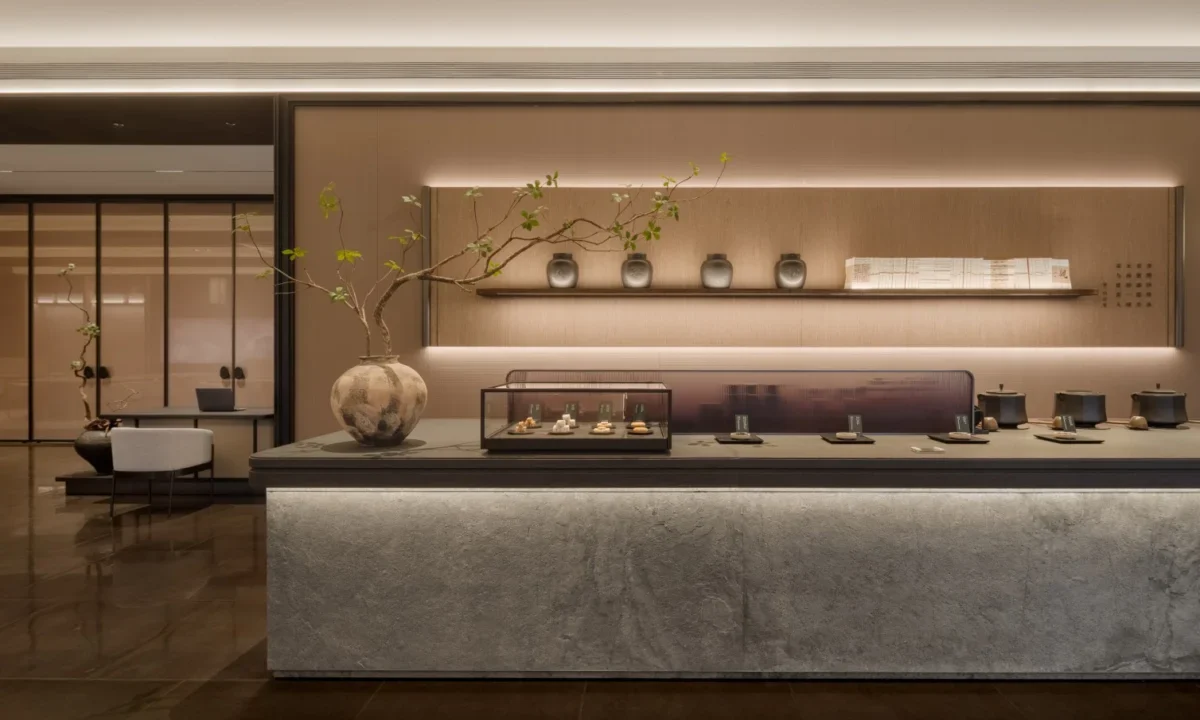


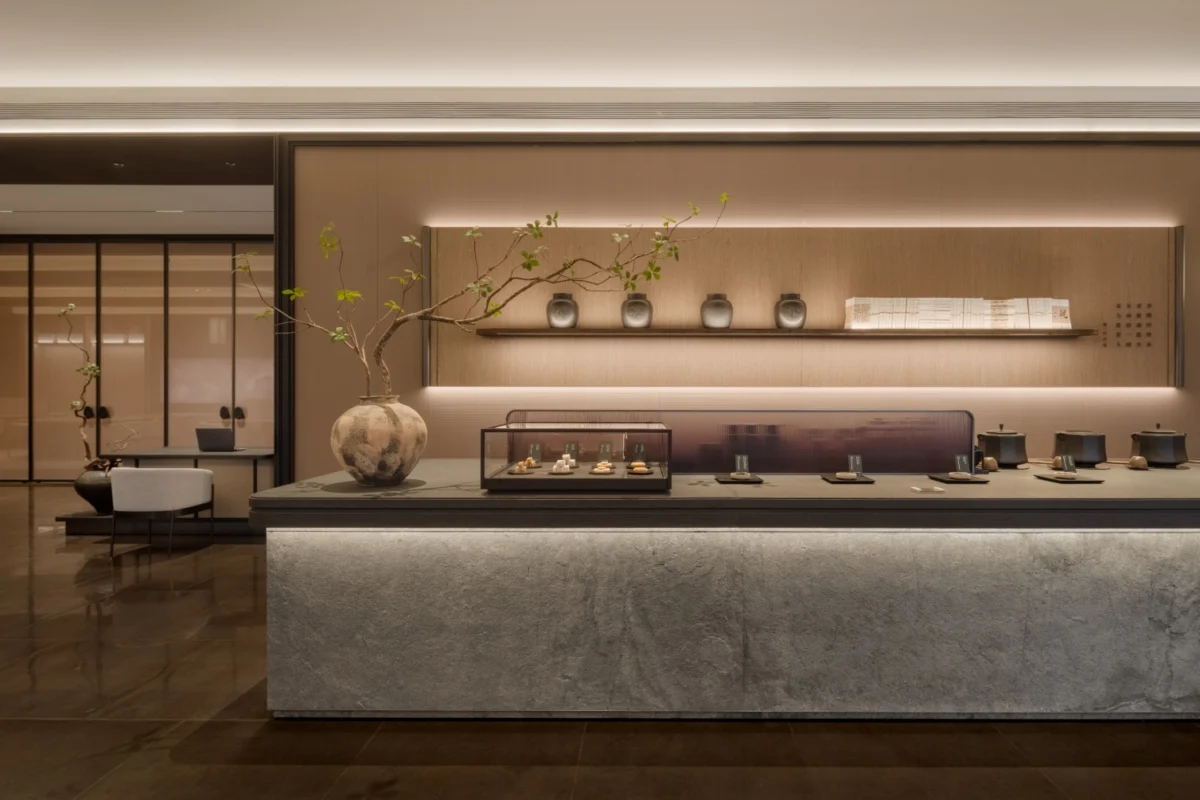
In the high-stakes world of global hospitality, the definition of "premium" has long been dictated by Western standards of opulence—often characterized by ornate lobbies, overt displays of luxury, and standardized service models. However, H World Group, one of the world’s most formidable hotel operators with over 13,000 properties, is challenging this orthodoxy. With the launch of its new premium brand, Grand Ji Hotel, the group is pivoting toward a philosophy rooted in the nuances of Chinese aesthetics, intentional silence, and the profound psychology of space.
Main Facts: A New Chapter in Chinese Hospitality
Grand Ji Hotel represents a strategic evolution for H World Group. While the company has achieved massive global scale with its flagship JI Hotel and Hanting brands, Grand Ji is designed to capture the sophisticated, modern traveler who prioritizes "better" over "more."
The brand is built upon five foundational "anchors" derived from nature: water, clouds, tea, pine, and stone. These are not merely decorative elements; they are architectural tools used to manipulate the guest’s psychological state. By emphasizing privacy, air quality, acoustic dampening, and curated rituals—such as traditional tea ceremonies upon arrival—Grand Ji aims to create an environment where the hotel acts as a sanctuary from the information-heavy, fast-paced nature of modern life.
The Chronology of Development
The trajectory of Grand Ji Hotel is a testament to H World’s rigorous, data-driven approach to brand incubation:
- Conceptualization Phase: H World collaborated with Kuang Ming (Ray) Chou, the founder of Vermilion Zhou Design Group and chief designer at H World, to translate abstract cultural concepts into a scalable hotel model.
- Early 2026: Initial prototypes were finalized, focusing on "negative space" and the reduction of visual noise.
- Mid-2026: The first two Grand Ji properties officially opened their doors, marking the brand’s entry into the premium market.
- June 30, 2026: Reporting data confirmed 441 rooms in operation, with a robust pipeline of 18 additional properties currently in development, signaling an aggressive expansion strategy.
- Future Roadmap: H World is now focusing on the modularization of these designs to ensure that the "Grand Ji experience" remains identical, whether the guest is staying in a bustling metropolis like Shanghai or a tranquil coastal destination.
Supporting Data: Scale Meets Sophistication
To understand the gravity of this launch, one must look at the infrastructure supporting it. H World Group is not a newcomer testing the waters; it is a titan of industry.
- Global Footprint: As of Q2 2026, H World oversees 13,539 hotels, totaling over 1.3 million rooms.
- Pipeline Strength: The company maintains a massive pipeline of 3,089 hotels globally, ensuring that Grand Ji will have the supply chain and logistical support to scale rapidly.
- Market Growth: In China alone, the upper-midscale segment—where Grand Ji is positioned—grew by more than 13% year-over-year in Q2 2026.
- Global Recognition: H World’s existing brands, JI Hotel and Hanting, were ranked first and second globally by room count in the 2026 industry rankings, proving the company’s unparalleled capability in executing high-volume, high-consistency hospitality models.
Official Perspectives: The Vision of Ray Chou
Kuang Ming (Ray) Chou, the visionary behind the brand’s aesthetic, argues that the "luxury" of the future is not gold-plated faucets, but the restoration of the guest’s inner calm.
"Premium guests today don’t necessarily want more," Chou stated in an interview with Skift Studio. "They want better."
Chou’s approach to the design of Grand Ji is deeply behavioral. He notes that modern travelers are increasingly anxious, suffering from an overload of information. Consequently, the architecture of the hotel is designed to force a deceleration. This includes the use of long transition corridors, low walls that shield the lobby from the street, and the intentional use of scents—such as compressed tea leaves—to prime the guest for a state of relaxation.
"We use space, light, scent, and materials to slow you down," Chou explained. He emphasizes that the goal is not to "perform" Chinese culture for the sake of tourists, but to integrate it into the fabric of the stay. "Culture should not just be something hanging on the wall. You should be able to eat it, smell it, sit inside it, and live inside it."

The Invisible Hand: Technology as a Support, Not a Lead
A critical differentiator for Grand Ji is its approach to technology. In many modern premium hotels, "tech-forward" means tablet-controlled lights and overly complex automation. At Grand Ji, the philosophy is "technology that disappears."
The brand employs sophisticated automation for room access, voice-controlled climate, and robotic delivery services. However, these are strictly utilitarian. By utilizing robots for room service deliveries, the hotel eliminates the need for staff to knock on doors, thereby preserving the guest’s privacy and sense of solitude. The technology is designed to be seamless, fading into the background so that the sensory elements—the tea, the art, and the natural materials—remain the focus of the guest’s attention.
Implications: A "Chinese Renaissance" in Hospitality
The emergence of Grand Ji Hotel holds significant implications for the global hospitality landscape. It represents a shift away from the "Western-centric" luxury model that has dominated the industry for decades.
1. The Rise of Cultural Confidence
By leaning into a "Chinese Renaissance," H World is demonstrating that a brand does not need to mimic the aesthetics of a Parisian palace or a New York high-rise to be considered "premium." Instead, by focusing on a distinct cultural understanding of nature, hospitality, and interpersonal distance, they are creating a new benchmark for global travelers.
2. Modularized Craftsmanship
The true brilliance of the Grand Ji model lies in its ability to reconcile artisanal design with industrial scale. Through the use of modular manufacturing and a "one brand, one design" philosophy, H World is solving the classic dilemma of luxury: consistency. Usually, as a brand grows, the quality of experience becomes diluted. H World’s reliance on its massive supply chain and factory-manufactured elements ensures that a Grand Ji property in Harbin offers the same curated, quiet experience as one in Sanya.
3. The Future of the "Small Culture"
Chou’s view that a hotel is a "small version of a culture" suggests that Grand Ji is intended to be a flagship for a specific way of living. If successful, this could inspire other international hospitality groups to move away from generic "international luxury" and toward more regionally specific, identity-driven hospitality experiences.
Conclusion
Grand Ji Hotel is still in its infancy, yet its foundations are remarkably robust. It is not merely a new brand; it is a calculated bet that the future of premium hospitality lies in the restoration of the individual. By blending the immense operational power of H World Group with a philosophy of quiet, intentional, and culturally grounded design, the company is positioning itself to lead a new era of travel.
As the brand expands its footprint, the real test will be maintaining the delicate balance between rapid growth and the high-touch, sensory-focused details that define the Grand Ji experience. However, given H World’s track record, the industry is watching closely. If Grand Ji succeeds, it will prove that the most luxurious commodity in the modern world is not service, nor opulence, but the gift of a truly quiet space in which to exist.
To learn more about H World Group’s vision for the future of hospitality, visit ir.hworld.com.
