





In the high-stakes world of automotive collecting, the digital auction house Bring a Trailer has evolved from a niche corner of the internet into a global stage where the extraordinary competes with the mundane. While the platform is frequently dominated by modern supercars, flipped investments, and the occasional "survivor" commuter vehicle, it occasionally exhumes a relic so bizarre that it defies conventional classification. The latest such anomaly is a 3.5-ton, 6×6 behemoth: the 1960 Ford XM434E2 cargo truck.
A ghost from a vanished era of military industrial ambition, this prototype is not merely a vehicle; it is a time capsule of Cold War paranoia and technical audacity. Having spent the better part of five decades in a state of purgatory—transitioning between abandoned project status and partial restoration—the XM434E2 is now seeking a new custodian capable of finishing what the U.S. Army Ordnance Corps abandoned over 60 years ago.
The Genesis of a Forgotten Giant: Main Facts
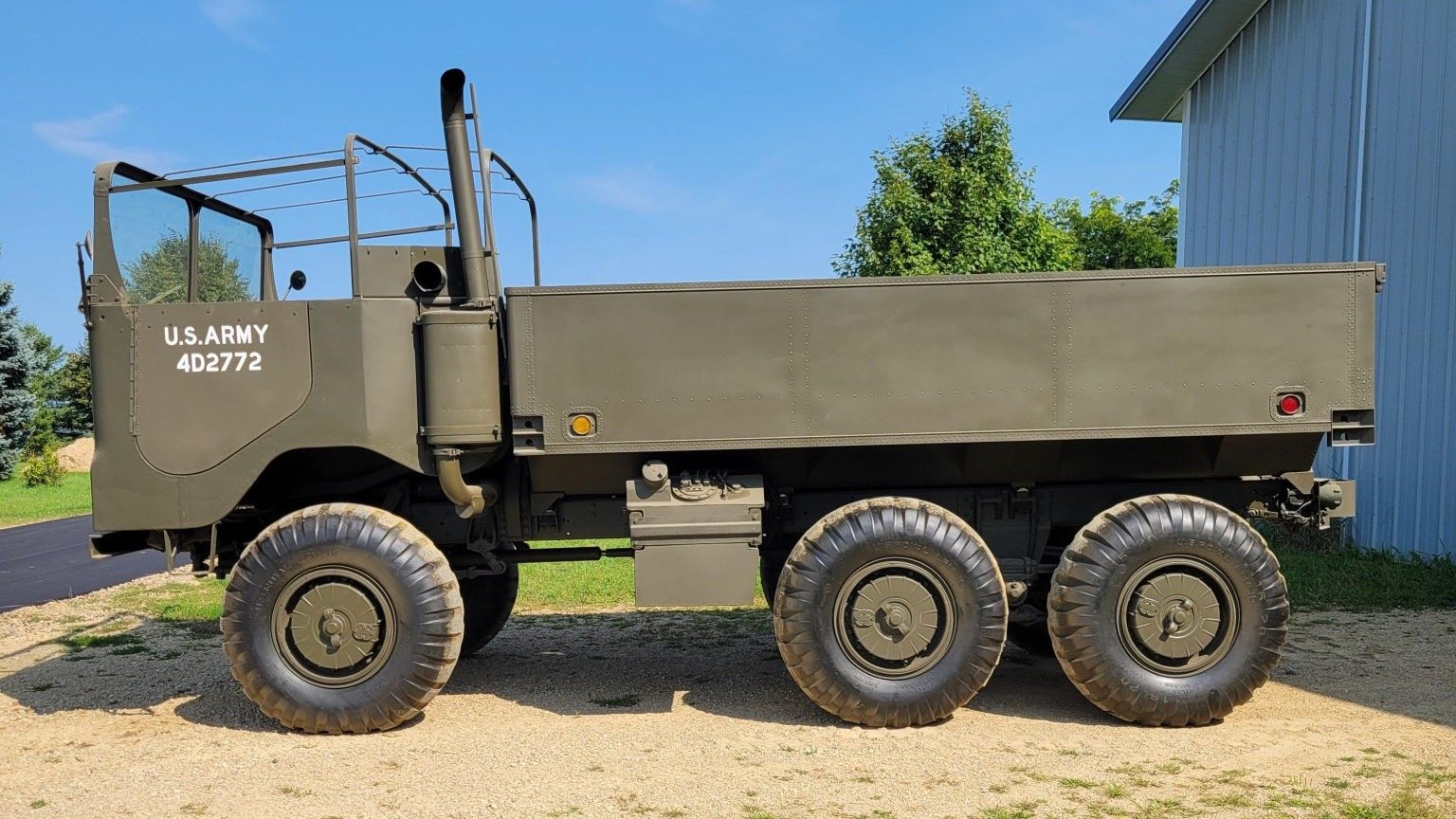
The XM434E2 stands as a testament to the "anything goes" engineering culture of the late 1950s. Designed during a period when the U.S. military was desperate for versatile, mobile, and modular logistical support, the truck was Ford’s answer to a request for a medium-duty tactical vehicle capable of operating in the most hostile environments imaginable.
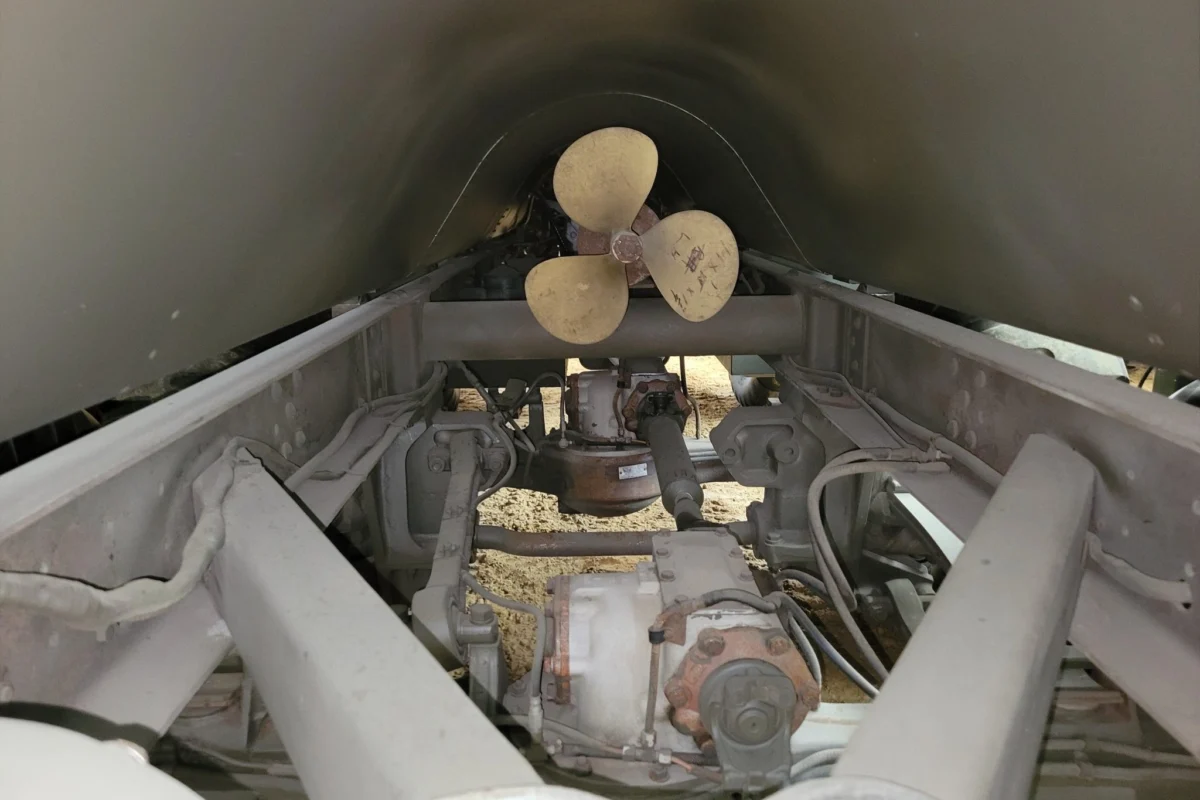
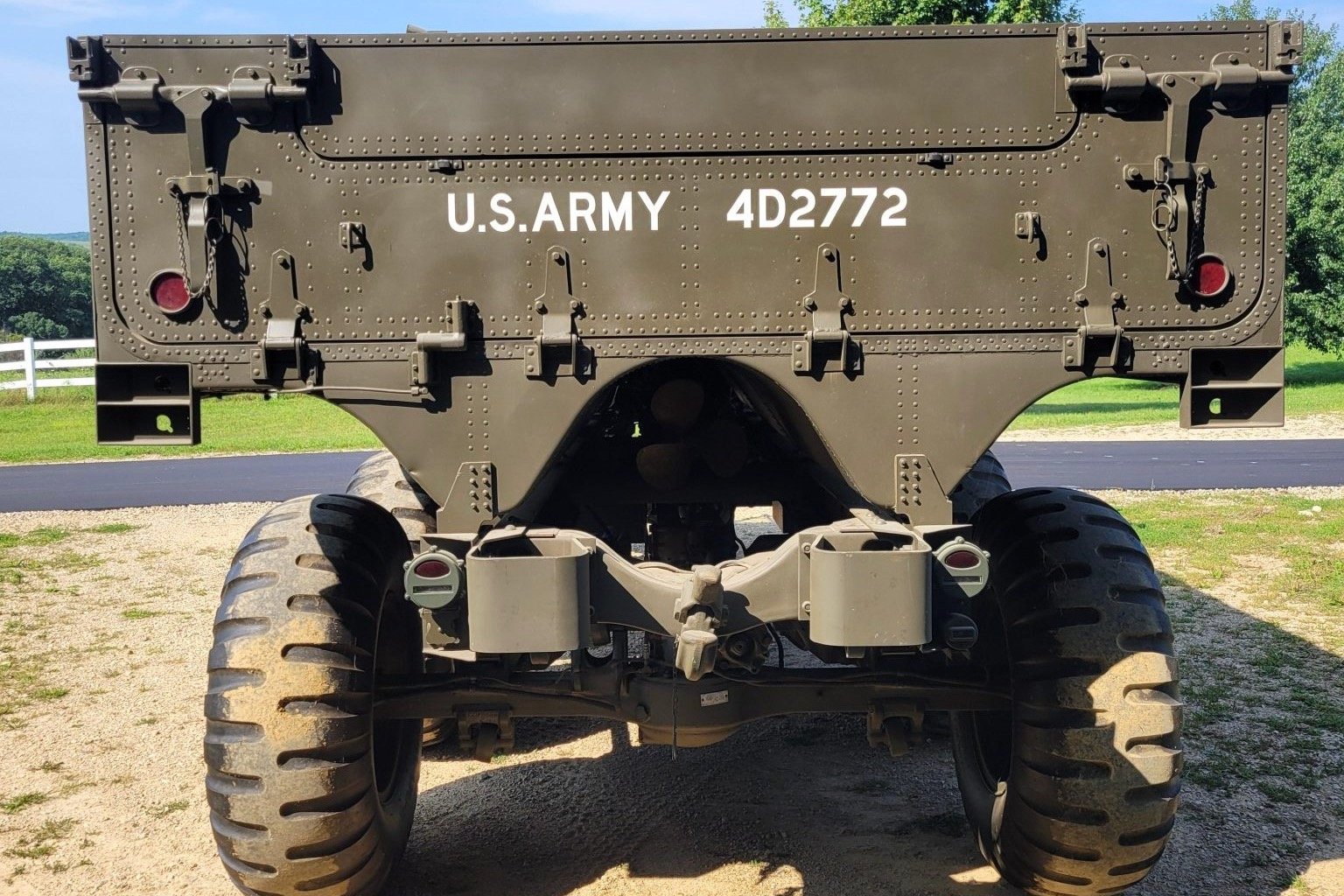
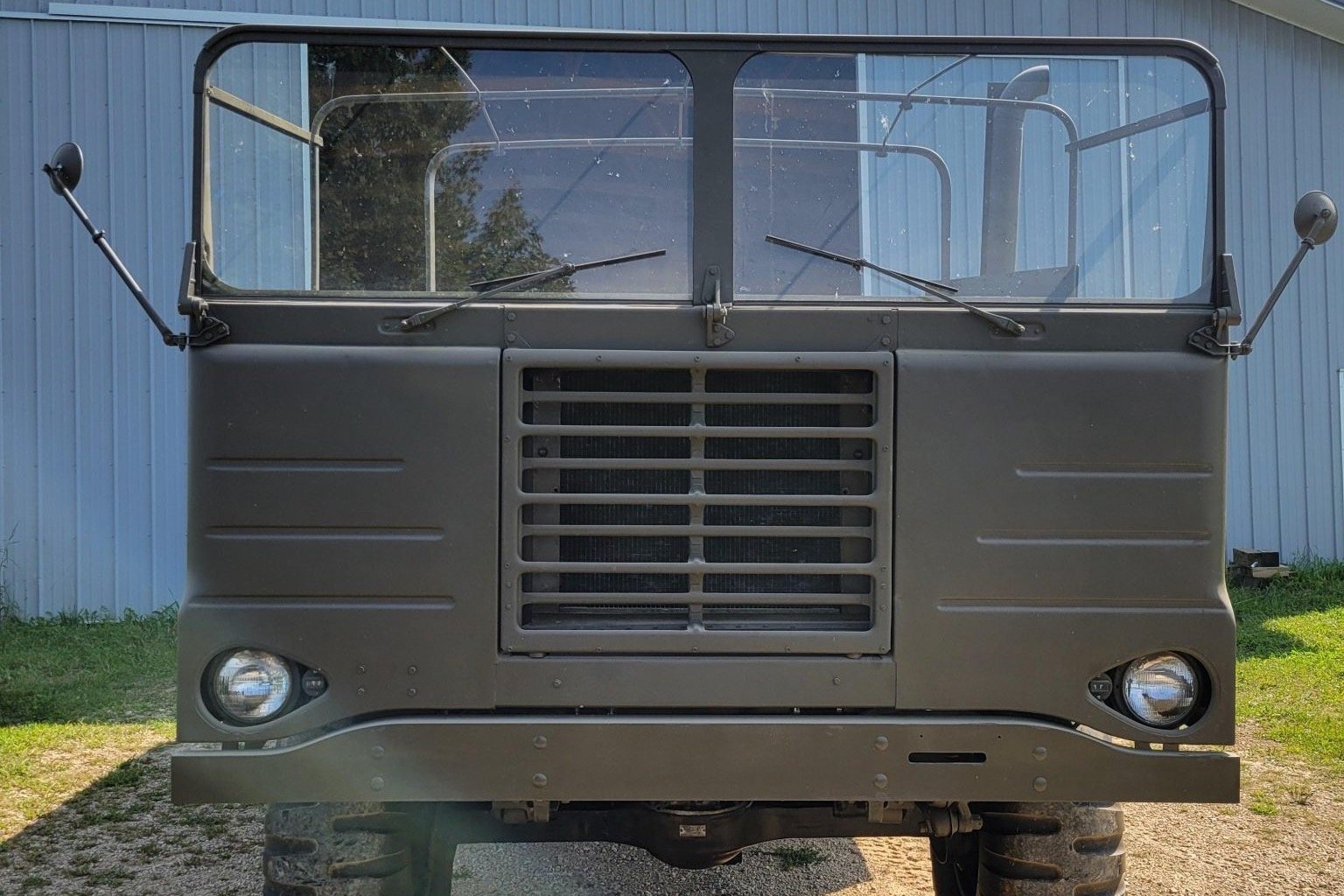
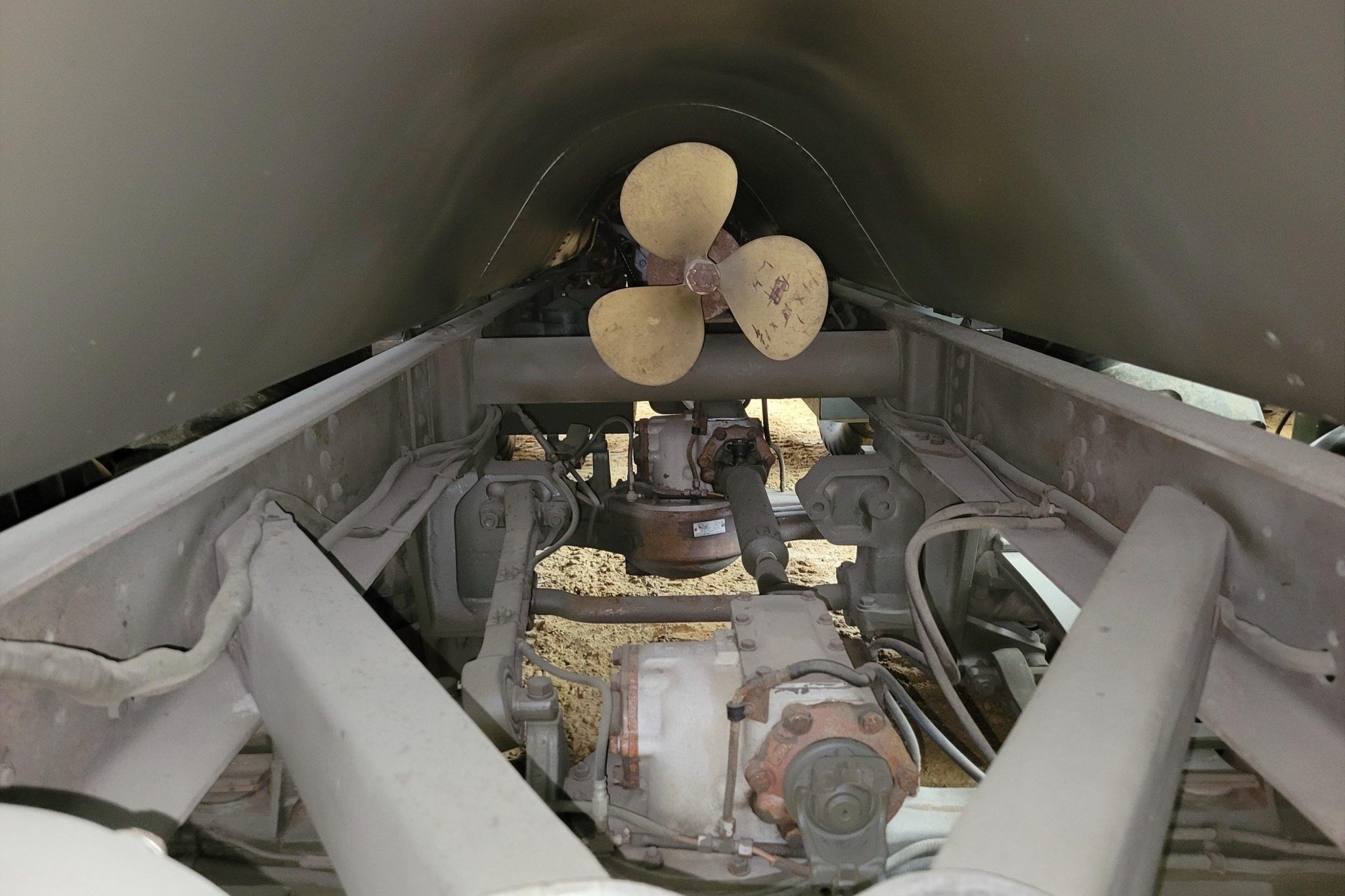
At its core, the XM434E2 is a 6×6 cargo truck, but its technical specifications reveal an obsession with extreme utility. Measuring a staggering 20 feet in length, eight feet in width, and 10 feet in height, it commands attention. Its design philosophy centered on two primary requirements: amphibious capability and air-drop survivability. To achieve the former, Ford engineers implemented a unique "duplex-drive" system. This allowed the driver to divert power from the drivetrain to a rear-mounted propeller, effectively turning the massive truck into a watercraft.
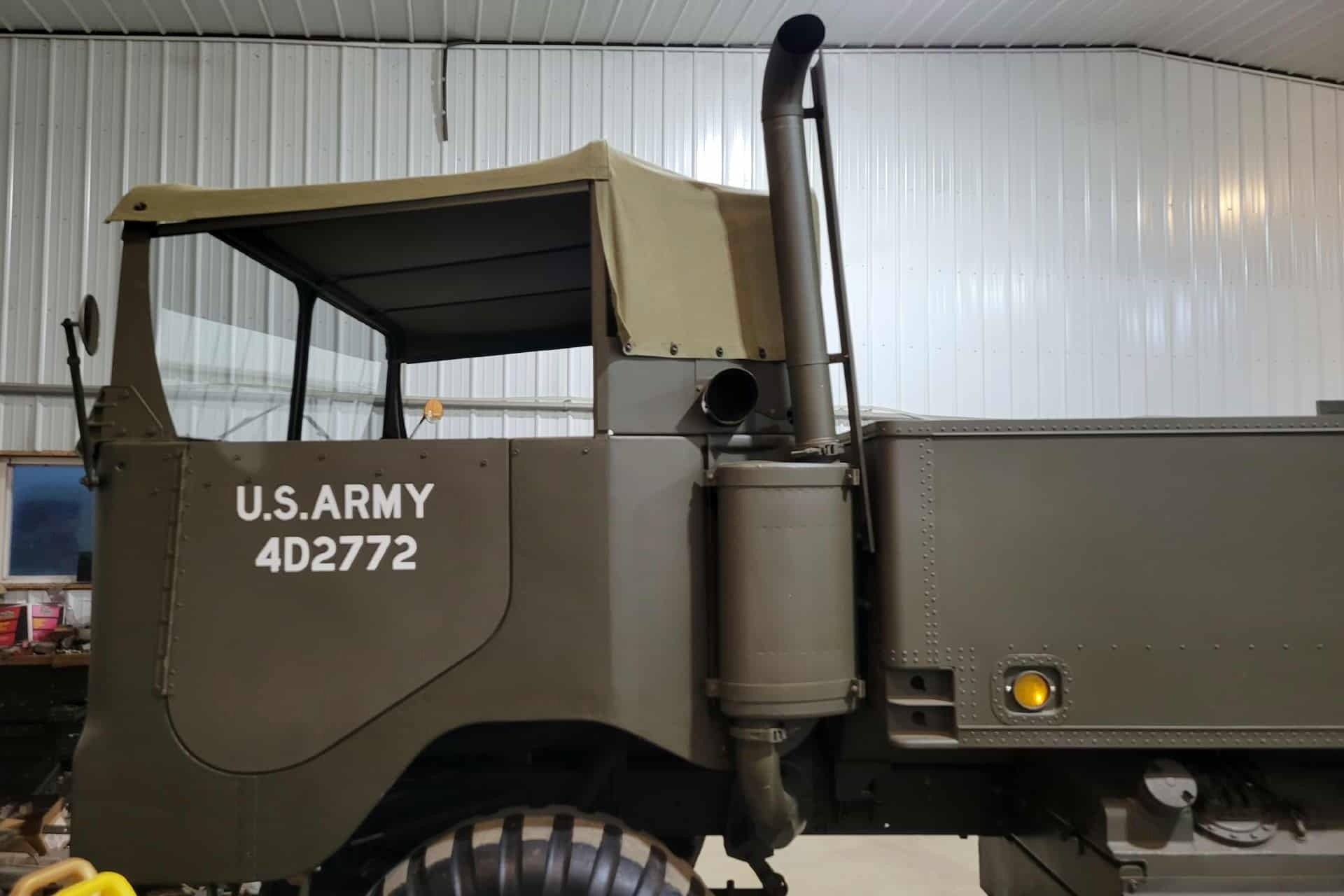
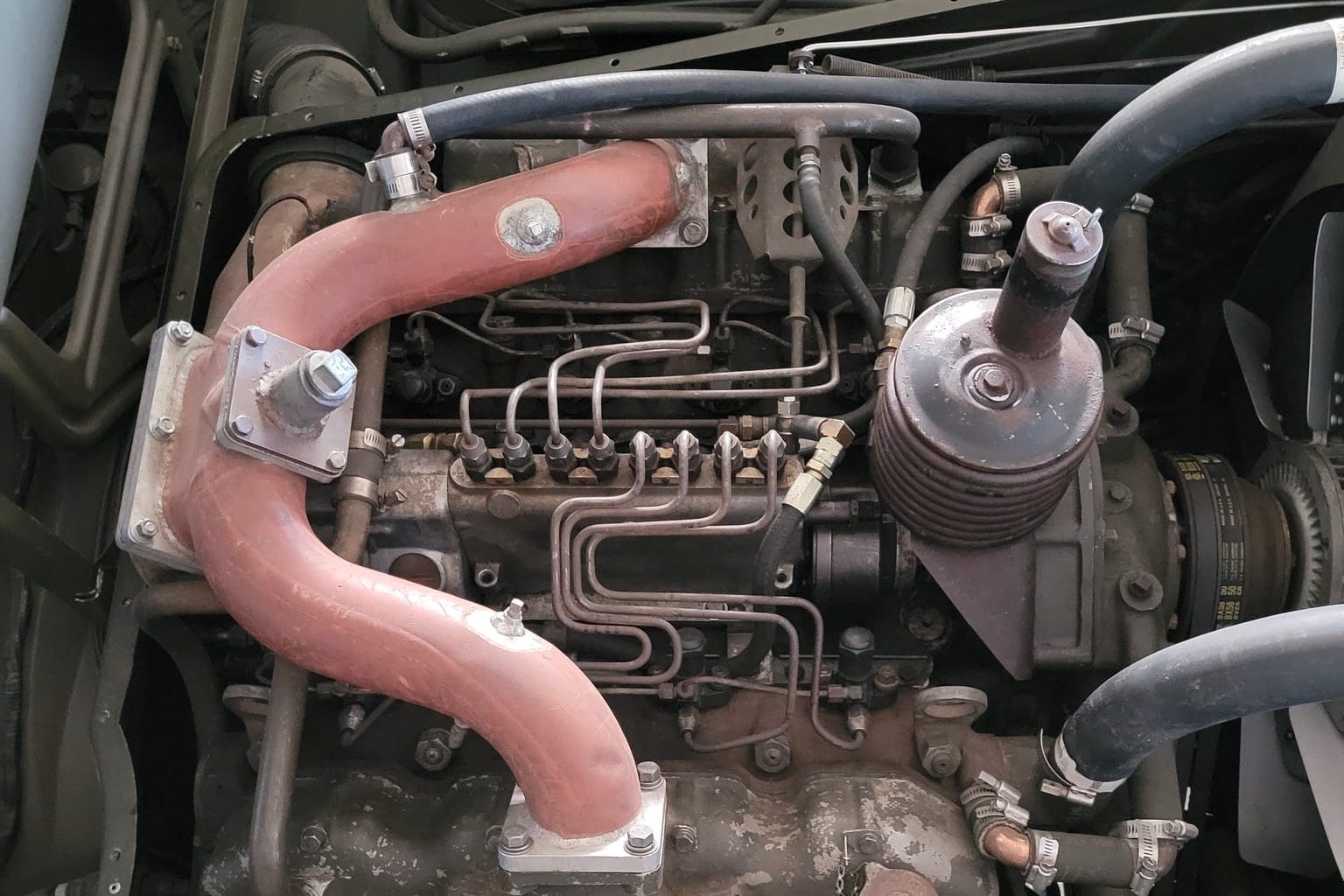
To ensure it could be dropped from a cargo plane, the engineers utilized lightweight aluminum bodywork, a radical choice for a vehicle of its size and intended durability. Power is provided by a 534-cubic-inch diesel V8, producing 195 horsepower—a figure that, while modest by today’s standards, provided the necessary torque to move the heavy chassis through mud, sand, and water. This is mated to a six-speed manual transmission and a single-speed transfer case, reflecting a mechanical simplicity intended for field repairs.
A Chronology of Obsolescence
The history of the XM434E2 is one of rapid development followed by abrupt termination.
- 1958–1959: The U.S. Army Ordnance Corps initiates a series of development programs to standardize their medium-duty truck fleet. The goal is to replace a disjointed array of aging vehicles with a modern, high-tech family of trucks.
- 1960: Ford, competing against heavyweights like General Motors and REO, completes the prototype XM434E2. It undergoes initial testing and evaluation at government proving grounds.
- 1961–1962: Despite the impressive technological features, the program fails to secure a production contract. The logistical complexity of maintaining such specialized, prototype-heavy vehicles outweighs the strategic benefits. The program is shuttered, and most prototypes are scrapped.
- 1970s–2022: The surviving XM434E2 passes through various private hands, spending the majority of this time as an incomplete restoration project. It disappears from public view, only occasionally surfacing in enthusiast forums dedicated to rare military hardware.
- 2023: The current owner acquires the vehicle as an incomplete project, attempting to stabilize its condition before ultimately listing it on Bring a Trailer in late 2026.
Technical Specifications and Performance Data
The XM434E2 is a study in Cold War engineering trade-offs. While the use of aluminum was ingenious for weight reduction, it created long-term challenges regarding structural fatigue and corrosion—issues that are now visible to prospective bidders.
Key Mechanical Data:
- Engine: 534-cubic-inch (8.7L) Diesel V8.
- Drivetrain: 6×6 configuration with a single-speed transfer case.
- Transmission: 6-speed manual.
- Wheelbase: 126 inches.
- Amphibious System: Duplex-drive with a rear-mounted screw propeller.
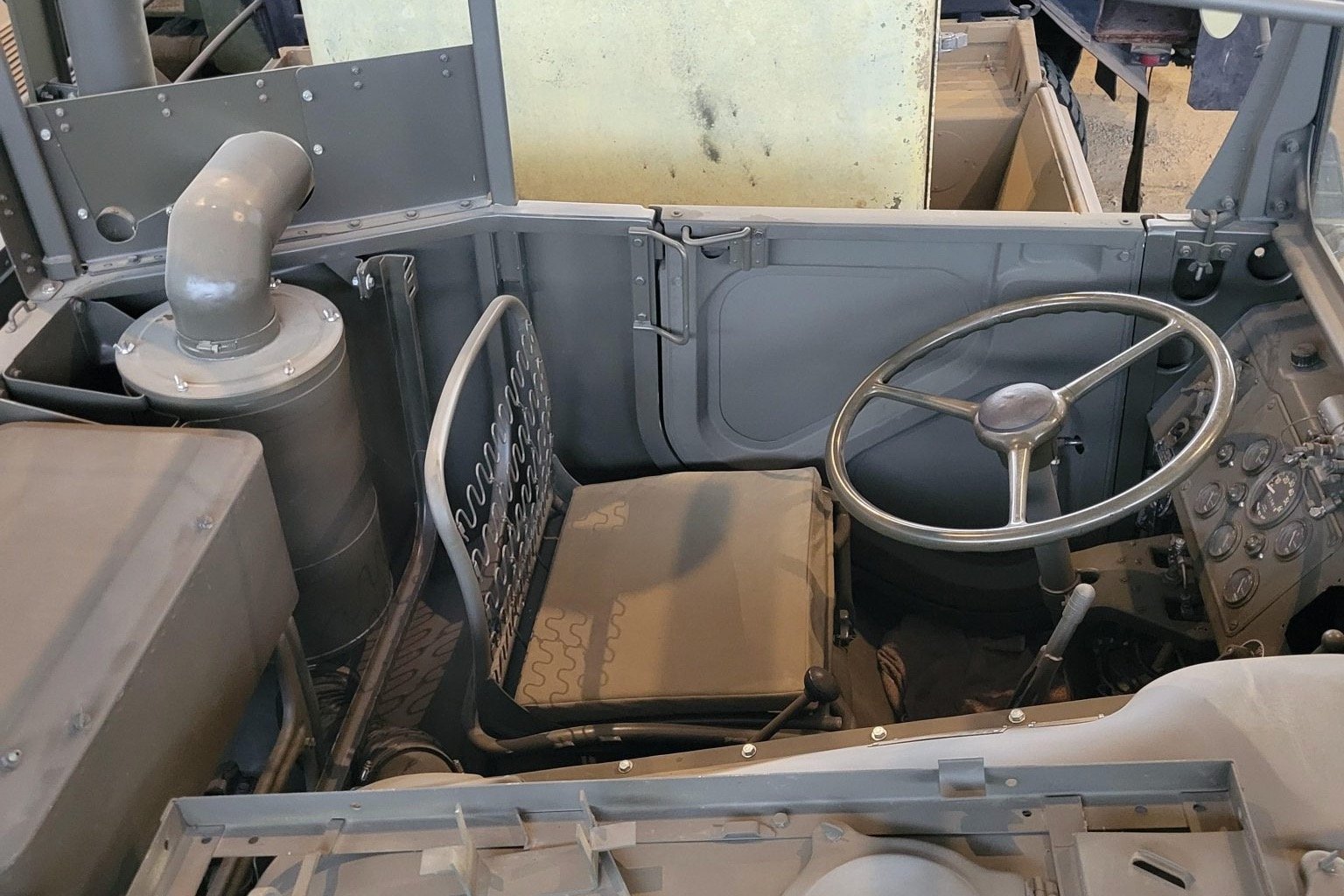
The current state of the vehicle serves as a warning to any potential buyer: this is a project in the truest sense of the word. The seller has noted that the recently overhauled fuel pump requires fine-tuning, and there are significant leaks originating from the power steering system and the transfer case seals. Most notably, the driveshaft for the propeller is missing, rendering the amphibious function currently impossible. Furthermore, the tires—a custom size—show severe age-related cracking, though the sale includes a cache of spare parts that may aid in the restoration process.
The Military-Industrial Context: Ford’s Ambitions
To understand why Ford built such an unusual truck, one must look at the climate of the 1950s. Following the massive success of the "Willys MB" Jeep (which Ford produced under contract) and the manufacturing of B-24 Liberator bombers, Ford saw itself as a vital component of the American defense machine.
The Soviet threat necessitated a rapid buildup of tactical mobility. The military was eager to fund "moonshot" projects that might yield a technological edge. Ford’s engineers were encouraged to experiment with unconventional materials and drive systems, leading to designs like the XM434E2. However, the military soon realized that in actual combat scenarios, modularity and ease of maintenance were far more important than the ability to float. The XM434E2, with its complex drivetrain and proprietary components, was a logistical nightmare.
This failure, however, did not dampen Ford’s enthusiasm for defense contracts. The company has maintained a presence in the military sector for decades, and in recent years, has pivoted back to proposing militarized versions of its standard consumer fleet—such as the Ranger and Super Duty—as a more pragmatic alternative to the "white elephant" prototypes of the 1960s.
The Implications of Collecting the Rare and Obsolete
The listing of the XM434E2 on Bring a Trailer invites a larger conversation about the value of historical preservation. Is this truck a valuable piece of industrial art, or is it merely a cautionary tale of over-engineering?
From an investment perspective, vehicles like the XM434E2 fall into the "collector of last resort" category. They are not liquid assets; they are burdens of passion. The buyer is not purchasing a functioning vehicle, but rather the responsibility to curate a piece of American history that almost vanished. The presence of a legitimate Wisconsin title and a verified 1960 VIN makes the truck road-legal, which is perhaps its most surprising feature. To see a vehicle designed for an amphibious assault on a highway would be a spectacle, yet it remains a possibility for the right owner.
As automotive enthusiasts continue to seek out the "next big thing," there is a growing appreciation for the failed experiments of the past. The XM434E2 represents a bridge between the raw, mechanical spirit of the post-WWII era and the complex, specialized demands of the modern military. Whether it finds a home in a museum or a private collection, its existence serves as a reminder that the path to innovation is often littered with abandoned prototypes, each telling a story of what might have been.
For the prospective bidder, the challenge is clear: the restoration will be expensive, the parts will be impossible to source, and the results will likely never be fully perfected. Yet, for the individual who values the sheer, unfiltered audacity of a 1960s military engineer, the XM434E2 is priceless. It is a monument to a time when Detroit dared to build the impossible, even if they couldn’t quite make it float.
