



Australia’s national narrative has long been defined by a paradoxical blend of geographic fortune and industrious grit. For generations, the country has leveraged its vast, resource-rich landscape to build one of the most prosperous economies in the world. Yet, as the global economic tide shifts toward decarbonization, Australia finds itself at a critical juncture. The era of passive resource extraction is waning, and a new, more complex chapter—Season Five—is underway. This is no longer a story of finding wealth beneath the soil; it is a story of engineering it from the intellect of a nation.
The Chronology of Prosperity: A Five-Act Saga
To understand where Australia is going, one must examine the arc of its economic history. Each "season" of Australian development has required a specific type of labor, risk-taking, and foresight.
Act I: The Original Lesson (Pre-1788)
Before the arrival of Europeans, the First Nations people of Australia practiced sophisticated land management for over 60,000 years. This was not a passive existence; it was a masterclass in sustainability. By understanding the intricate systems of water cycles, seasonal flora, and fauna migration, Indigenous Australians built stable, generational prosperity. This era provides the foundational lesson for today: true wealth is created by working with natural systems rather than in opposition to them.
Act II: The Gold Rush (1850s)
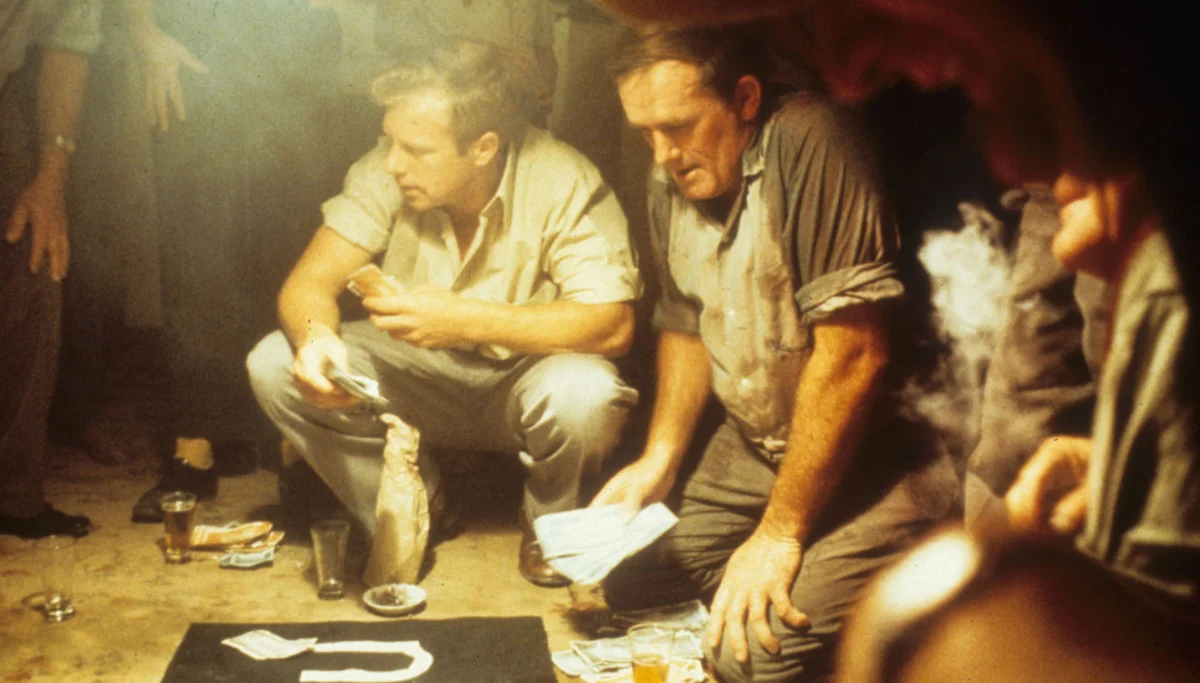
The mid-19th century brought the chaotic, high-stakes drama of the Gold Rush. It was a period defined by immense risk and the necessity of "investing first, reaping later." While the gold drew the masses, the true economic miracle was the infrastructure, trade routes, and service industries that sprouted in the wake of the prospectors. Australia transformed from a remote colony into a wealthy, interconnected participant in the global economy.
Act III: The Age of Wool (Late 19th–20th Century)
The wool industry represented a shift toward steady, iterative innovation. For over 150 years, Australian farmers and researchers pushed the boundaries of selective breeding and processing technology. It was a slow-burn success story that proved that long-term prosperity is built on relentless improvement and global supply chain integration.
Act IV: The Mining and Extraction Boom (Late 20th–Early 21st Century)
This era was characterized by massive scale. Australia became a global energy powerhouse, fueled by coal, iron ore, and LNG. This was the age of "big budget" engineering—building mines that functioned as cities and logistics networks that spanned continents. It generated staggering wealth, but it also invited controversy, highlighting the ecological costs of resource-heavy growth and the vulnerability of an economy tethered to non-renewable commodities.
Act V: The Climate Technology Transition (The Present)
We are currently in the opening acts of the fifth season. Unlike the previous eras of extraction, this chapter is defined by creation. With a global market for climate technology projected to grow by 20% annually toward a $500 billion valuation, Australia is positioning itself as a leader. However, the nature of the "work" has fundamentally changed.
The Structural Shift: Why Season Five is Different
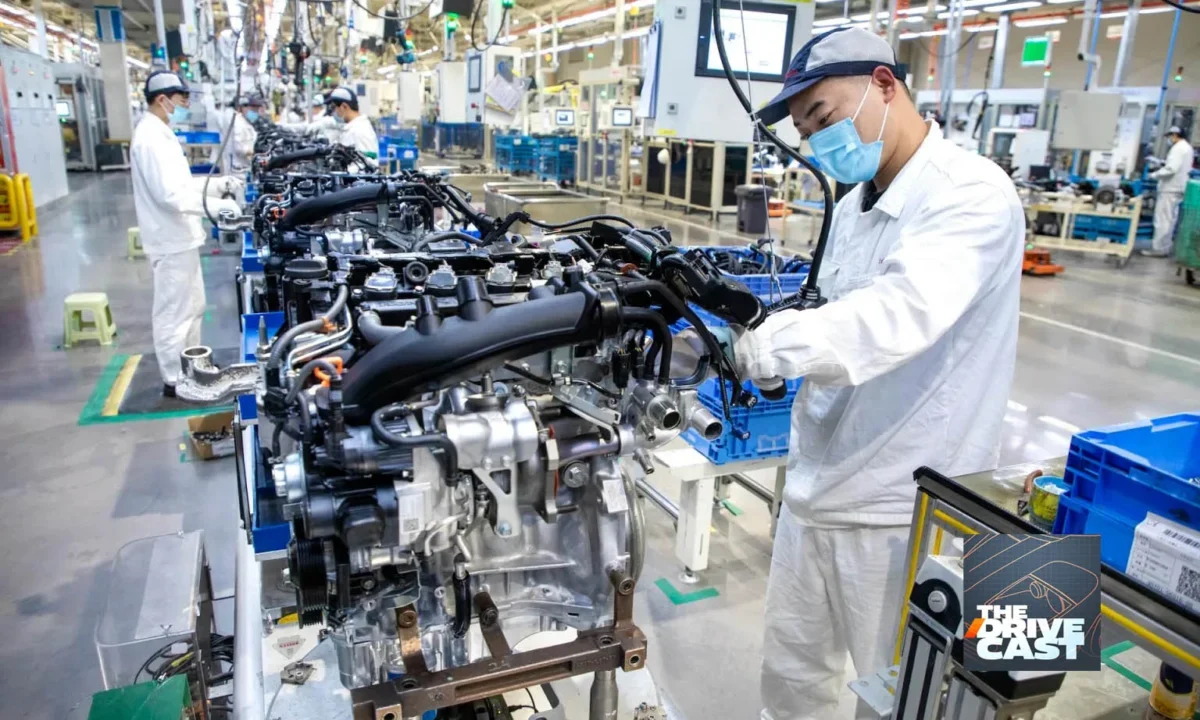
The transition from Season Four (Mining) to Season Five (Climate Tech) represents a shift from mechanical extraction to intellectual invention.
In the mining era, the resource was pre-existing. The challenge was logistics and scale. If you found a deposit, the market was waiting. In the climate tech era, the product does not exist until it is invented. Australia is no longer just digging up the earth; it is competing with the world’s most advanced laboratories and venture capital hubs to build the next generation of energy storage, carbon capture, and green manufacturing.
The Challenges of the New Economy
- Innovation over Extraction: We are no longer competing on the quantity of our natural assets, but on the quality of our R&D.
- Regulatory Hurdles: Current policy frameworks were designed for traditional industries. Navigating the regulatory landscape for emerging tech is a primary friction point for startups.
- The Talent War: Engineers and researchers now possess global mobility. To retain the best minds, Australia must offer an ecosystem that is as exciting and well-resourced as those in Silicon Valley or Berlin.
- Capital Velocity: Climate tech companies often require 8–12 years to reach full maturity. This necessitates a shift in the local investment culture from "chase capital" to "patient capital."
Supporting Data and The Ecosystem Landscape
The Australian climate tech ecosystem is currently comprised of more than 800 active companies. According to industry analysis, this sector is not merely a collection of small businesses but a nascent industrial engine.
- Market Growth: The global transition to renewable energy is no longer theoretical; it is a $500 billion+ annual market.
- The "Proving Ground" Advantage: Australia’s unique climate and geography make it an ideal testbed for renewable technologies, such as solar efficiency and green hydrogen, which can then be exported as global standards.
- Venture Velocity: While Australian startups have historically struggled with local capital depth, the past three years have seen a surge in specialized climate funds and government-backed innovation grants, signaling a maturation of the funding lifecycle.
Official Perspectives: The Role of Policy and Governance
The government’s role in this transition has become increasingly central. Through initiatives like the National Reconstruction Fund and various climate-focused research grants, there is a clear, albeit evolving, consensus that Australia must transition from an "extraction-based" economy to a "value-add" economy.
"We have the renewable resources, the engineering heritage, and the global imperative," noted one industry advisor. "The barrier is no longer intent; it is the speed at which we can move capital from traditional sectors into the long-cycle development required for climate innovation."

However, critics argue that policy must go further. There is a call for "sovereign capability" frameworks that prioritize domestic production of green technology components, ensuring that Australia does not simply export its raw materials only to import finished green products at a premium.
Implications: A Call to Action
The stakes for the conclusion of "Season Five" are high. If Australia fails to leverage its current position, it risks becoming a bystander in the global energy transition, watching as other nations build the technology that powers the future. If it succeeds, it cements its status as a top-tier global economic leader for the next century.
What Success Looks Like
- Scale Thinking: Founders must look past the domestic market. The goal is to build companies that solve global problems from Day One.
- Ecosystem Mobility: Knowledge sharing is essential. The talent pool must remain fluid, moving between startups, universities, and established firms to cross-pollinate ideas.
- Disciplined Growth: The era of easy luck is over. Success in this season will be measured by the ability of founders to maintain fiscal discipline while navigating the long-term R&D cycles inherent in hard-tech.
Conclusion: The Final Act
History has shown that Australia is at its best when it combines its natural advantages with the "work"—the relentless, innovative, and often messy process of building something new. We have moved from the prospectors of the Gold Rush to the farmers of the wool era, and the engineers of the mining boom.
The transition to a climate-tech-led economy is the most significant challenge in our history. It requires us to move away from the passive receipt of luck and toward the active creation of the future. The setup is perfect, the talent is here, and the global demand is undeniable.
The question is no longer whether the opportunity exists. The question, as we look toward the end of this season, is whether we are prepared to do the work required to build a nation that powers the world. The time for deliberation has passed; the time for building is now.
