



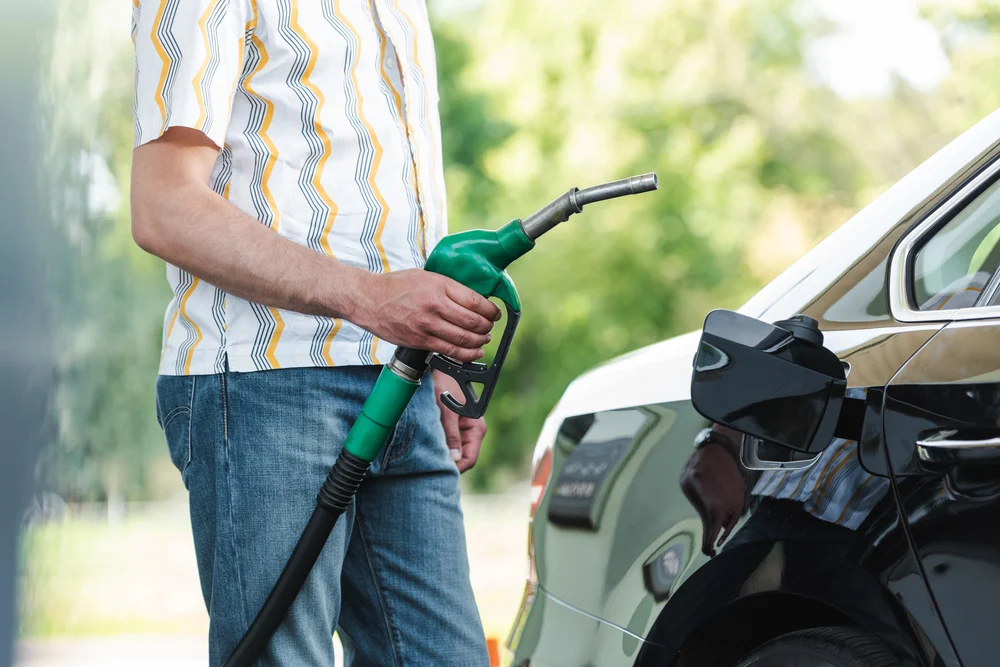
For millions of Ontarians, the ritual of pulling into a gas station has transformed from a mundane errand into a source of genuine financial anxiety. As fuel prices continue to hover at levels that strain the average household budget, a new survey from CAA South Central Ontario (CAA SCO) confirms that the ripple effects of these costs are being felt far beyond the gas pump. From the suburban driveways of the GTA to the rural roads of Northern Ontario, families are fundamentally altering their lifestyles, curbing discretionary spending, and rethinking the quintessential summer road trip.
The State of Play: A Financial Squeeze on the Middle Class
The current economic climate in Ontario is defined by a "cost-of-living crunch," a multi-front battle against inflation that spans grocery aisles, housing markets, and utility bills. However, fuel remains the most visible and volatile indicator of this strain. According to the recent CAA SCO survey, seven out of ten Ontarians aged 35 to 54—the demographic most likely to be balancing mortgage payments, childcare costs, and retirement savings—report that high fuel prices are actively dictating their day-to-day decisions.
The data paints a clear picture: for the modern Ontario family, transportation is not a luxury, but a non-negotiable daily necessity. When the cost of that necessity spikes, it forces a trade-off. Households are not merely complaining about the price of gas; they are actively reallocating funds away from local businesses, leisure activities, and savings to ensure their vehicles remain fueled for work commutes and school runs.
Chronology: The Escalation of Fuel-Induced Anxiety
The frustration felt by motorists today is the culmination of a period of sustained volatility in global energy markets.
- The Early Warning Signs: Over the past 24 months, Ontario drivers have navigated a series of price shocks driven by global supply chain disruptions, geopolitical instability, and fluctuating demand. As prices flirted with record highs, the "sticker shock" became a normalized feature of the Ontario driving experience.
- The $2.10 Threshold: Through various focus groups and consumer sentiment tracking, industry experts have identified a "psychological tipping point" at approximately $2.10 per litre. At this price, the data suggests that driving habits undergo a structural shift. It is at this level that households move from grumbling about costs to actively modifying their behavior—canceling social plans, consolidating errands, and delaying necessary travel.
- The Current Reality: Today, as prices fluctuate near this threshold, we are seeing the long-term impacts of sustained high costs. The "belt-tightening" phase is no longer temporary; it has become a strategy for survival as households attempt to insulate themselves from further economic instability.
Supporting Data: By the Numbers
The CAA SCO survey provides a granular look at how these financial pressures are manifesting in the lives of Ontarians:
The Impact on Daily Discretionary Spending
The survey reveals a direct correlation between fuel costs and a decline in local economic activity. When the "cost to commute" increases, the "cost to live" is squeezed.
- Cutting the "Extras": Respondents indicated a widespread reduction in non-essential spending. This includes a decline in takeout meal purchases, a decrease in daily coffee runs, and the postponement of small-ticket retail purchases.
- Behavioral Adjustments: Beyond spending, households are changing how they use their vehicles. "Trip chaining"—the act of combining multiple errands into a single journey to save fuel—has become a standard practice for most suburban families.
The Summer Vacation Paradox
Summer in Ontario is synonymous with the road trip, a tradition that is currently under immense pressure.
- Travel Hesitation: Nearly 70% of those in the 35–54 age bracket confirmed that fuel prices are actively influencing their summer vacation plans.
- The Scale of Retrenchment: Among those who still intend to travel, 60% admit that rising costs are forcing them to compromise. This manifests as choosing destinations closer to home, shortening the duration of stays, or drastically tightening travel budgets to account for the increased cost of gasoline.
Official Responses: Insights from Industry Experts
Teresa Di Felice, assistant vice-president of government and community relations at CAA SCO, has been vocal about the systemic implications of these findings. Her analysis suggests that we are witnessing a fundamental shift in how Canadians view mobility.
"For many Ontario families, higher gas prices aren’t just affecting how often they fill up the tank; they’re changing everyday decisions about where they go, what they buy, and how they spend their money," Di Felice noted.
Di Felice emphasizes that the government and policy-makers must recognize that transportation is the backbone of the Ontario economy. When households are forced to choose between filling their gas tank and other essential services, the entire economy feels the contraction. She points out that while families are doing their best to preserve precious moments like vacations and day trips, the affordability pressures are forcing a level of clinical, careful planning that takes the spontaneity and joy out of family life.
"Transportation is a daily necessity for many Ontarians, not a luxury," she reiterates. "When fuel costs rise, it affects everything from commuting to grocery runs and adds to the financial strain households are already feeling."
Implications for the Future: Beyond the Pump
The implications of this trend extend far beyond the individual motorist. As fuel costs continue to influence household behavior, several key areas of concern emerge for the province.
1. The Local Economic Impact
When discretionary spending drops, local service-based businesses—restaurants, retail shops, and tourist attractions—suffer. If families are cutting back on "coffee and takeout," the local entrepreneurs who rely on that steady stream of consumer spending are the first to feel the decline in revenue. The "gas price effect" is, in essence, an indirect tax on the local service economy.
2. Infrastructure and Urban Planning
The data reinforces the argument for more robust public transit and more efficient urban design. When residents are forced to rely on personal vehicles for every facet of their lives, they are hyper-vulnerable to fuel price volatility. The current situation serves as a stark reminder that Ontario’s reliance on the private automobile is a significant economic risk factor for its citizens.
3. The Need for Proactive Habits
While the macroeconomic factors affecting gas prices are largely outside the control of the average driver, the CAA has focused on empowering consumers with tools to manage their fuel economy. The organization is actively encouraging motorists to adopt "eco-driving" habits, which can lead to significant cumulative savings:
- Route Planning: Using navigation apps to avoid traffic congestion and find the most efficient routes.
- Vehicle Maintenance: Ensuring tires are properly inflated, as low pressure increases rolling resistance and consumes more fuel.
- Weight Reduction: Removing unnecessary items from the trunk to improve the vehicle’s fuel-to-weight ratio.
- Driving Habits: Avoiding aggressive acceleration and braking, which are among the leading causes of fuel inefficiency.
Conclusion: Navigating the New Normal
As the province moves forward, the relationship between the consumer and the gas pump remains fragile. The survey data from CAA SCO is a definitive snapshot of a population under pressure. While families remain resilient, the cumulative effect of high fuel prices, combined with broader inflation, is reshaping the social and economic landscape of Ontario.
The road ahead remains uncertain. As long as global energy prices remain volatile, Ontario drivers will likely continue to practice the "careful planning" identified by Di Felice. The dream of the summer road trip or the convenience of a quick drive to the store has been tempered by the reality of the pump. For now, the Ontario driver is a master of adaptation, cutting where they must and driving only when necessary, waiting for the day when their commute no longer dictates the limits of their monthly budget.
Image credit: Depositphotos.com
