



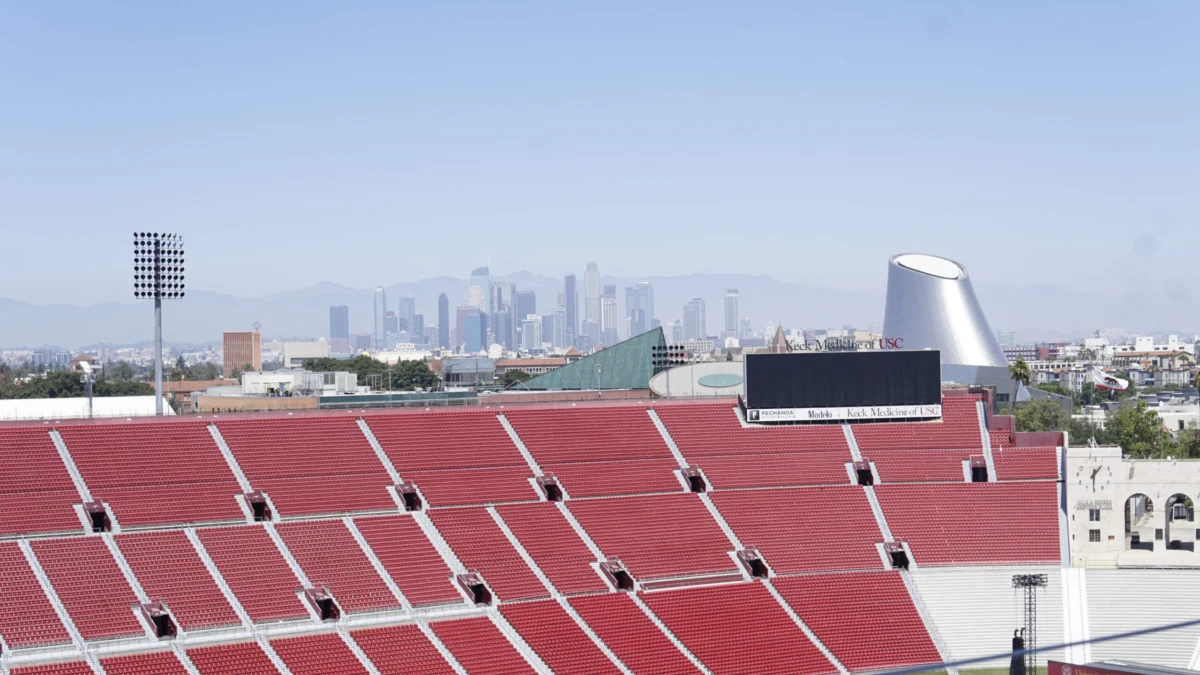
As the world prepares for the 2028 Olympic Games in Los Angeles, the conversation is shifting from record-breaking athletic performances to a more pressing, existential challenge: the climate crisis. With an estimated five billion viewers expected to tune in, the Games will serve as a global stage. However, the host city—a sprawling metropolis currently navigating the scars of devastating wildfires—finds itself at a crossroads.
Can the Olympics, historically a carbon-intensive endeavor, pivot to become a model for urban sustainability and climate resilience? This question sits at the heart of an upcoming webinar, part of the prestigious London Climate Action Week, scheduled for June 23, 2026.
Main Facts: The 2028 Challenge
The Los Angeles 2028 Olympic and Paralympic Games (LA28) are being billed as the most sustainable in modern history. The organizing committee has made a landmark commitment to utilize only existing or temporary venues, eschewing the tradition of building massive, resource-heavy stadiums that often become "white elephants" post-event.
The core objectives for LA28 include:
- Zero New Construction: Relying on world-class facilities already in place across Southern California.
- Car-Free Strategy: Implementing a radical mobility plan aimed at minimizing private vehicle use, a massive shift for a city defined by its car culture.
- Resilience Planning: Integrating the Games’ infrastructure with long-term urban policy aimed at mitigating the impacts of climate change, specifically wildfire and extreme heat.
The upcoming webinar, taking place on June 23, 2026, from 16:00–17:00 CEST (15:00–16:00 BST), will dissect whether these promises translate into tangible climate action or if they are merely performative measures for a global audience.
Chronology of a Climate-Conscious Games
The journey to LA28 has been marked by a transition in how the International Olympic Committee (IOC) and host cities perceive their environmental footprint.
- 2017: Los Angeles is officially awarded the 2028 Games, with an early emphasis on utilizing existing infrastructure to reduce costs and carbon impact.
- 2020–2024: A period of unprecedented climatic instability in California, characterized by severe droughts, record-breaking heat waves, and catastrophic wildfire seasons that forced a re-evaluation of urban safety protocols.
- 2025: LA28 organizers solidify their "Sustainability Legacy" roadmap, focusing on circular economy principles and renewable energy integration.
- 2026 (June 23): The London Climate Action Week webinar serves as a critical checkpoint, bringing together urban planners, climate scientists, and sports organizers to pressure-test the sustainability pledges.
- 2028 (July–August): The Games commence, serving as the final test of whether a mega-event can thrive in a climate-challenged urban environment.
Supporting Data: The Stakes of the LA Climate
The statistics surrounding Los Angeles’ climate reality are sobering. The region has seen a 2°C increase in average temperatures over the last century, exacerbating the intensity of the "Santa Ana" winds and the associated wildfire risk.
Urban Heat and Infrastructure
Los Angeles experiences significant "Urban Heat Island" (UHI) effects. Large asphalt surfaces, such as those found in the city’s vast freeway network and parking lots, absorb and radiate heat. LA28’s commitment to minimizing car use is not just a carbon reduction goal; it is a public health imperative to lower surface temperatures in areas where athletes and spectators will congregate.
Waste and Circularity
Historically, the Olympics generate thousands of tons of waste. The LA28 plan relies on a "circularity-first" approach. By utilizing temporary seating and modular venue designs, the organizers intend to divert 90% of waste from landfills. The webinar will explore the logistics of managing these materials in a post-wildfire recovery context, where waste management facilities are already under immense strain.
Official Responses and Strategic Shifts
The organizing committee has positioned itself as an innovator. "We are not building a city for the Games; we are using the Games to accelerate the city’s transition," says a spokesperson for the LA28 organizing committee.
The strategy includes:
- Public Transit Overhaul: Investing in "Twenty-Eight by ’28," a suite of transportation projects designed to expand the Metro rail and bus rapid transit systems.
- Renewable Energy Procurement: The city’s power grid, which is transitioning toward 100% renewable energy by 2035, will be tested to its limits during the Games.
- Climate-Resilient Venues: Retrofitting existing structures to handle extreme heat through advanced cooling technologies and passive architectural improvements.
However, critics argue that the "existing venue" strategy ignores the massive indirect carbon footprint of international travel. With five billion people watching, the carbon cost of transporting athletes, support staff, and media remains a glaring blind spot in the sustainability narrative.
Implications: Can the Olympics Evolve?
The implications of the LA28 experiment extend far beyond Southern California. If the Games successfully prove that a massive urban center can host a global event without exacerbating its climate risk, it creates a blueprint for the future of international sports.
The Wildfire Recovery Interaction
One of the most complex aspects of the 2028 preparations is the intersection of wildfire recovery and urban development. Can the resources dedicated to the Games—often perceived as a "standout show"—be effectively leveraged to help fire-stricken communities rebuild with fire-resistant infrastructure?
There is a growing tension between the "glamour" of the Olympic stage and the reality of a city in recovery. The London Climate Action Week webinar will pose the difficult question: Is the pressure to create a seamless, world-class experience at odds with the gritty, slow, and expensive work of climate adaptation?
The Future of Athletic Prowess
As extreme weather becomes the norm, the "stage for athletic prowess" is becoming increasingly dangerous. Marathon runners, cyclists, and outdoor athletes are at the highest risk for heat-related illness. LA28’s success will be measured not just by medal counts, but by the safety and performance levels of athletes competing in increasingly volatile conditions.
If the Games fail to protect these athletes, the Olympic movement itself may face an existential crisis. The webinar participants will discuss whether the IOC needs to formalize climate-based protocols that allow for the suspension or relocation of events in real-time, moving beyond static sustainability plans into dynamic risk management.
Conclusion: Joining the Conversation
The 2028 Games represent a high-stakes laboratory. By integrating urban policy, mobility shifts, and climate resilience, Los Angeles is attempting to solve a multi-dimensional puzzle that many thought was impossible.
As we approach the London Climate Action Week, the global community is invited to look beyond the spectacle. The webinar on June 23, 2026, offers a unique opportunity to engage with these issues directly. Whether you are an urban planner, a sports enthusiast, or a climate activist, the questions raised by LA28 are universal. How do we hold mega-events accountable? Can a city reconcile the drive for global visibility with the necessity of local survival?
The eyes of five billion people will be on Los Angeles in 2028. The work to ensure that those eyes see a model for the future—rather than a cautionary tale—starts now.
Webinar Details:
- Sustainability in the Face of Disaster: The LA28 Olympic Challenge
- Date: 23 June 2026
- Time: 16.00-17.00 CEST / 15.00-16.00 BST
- Platform: Webinar (Registration details to follow via London Climate Action Week portal)
- Audience: Open to all stakeholders, urban policymakers, and the general public.
