



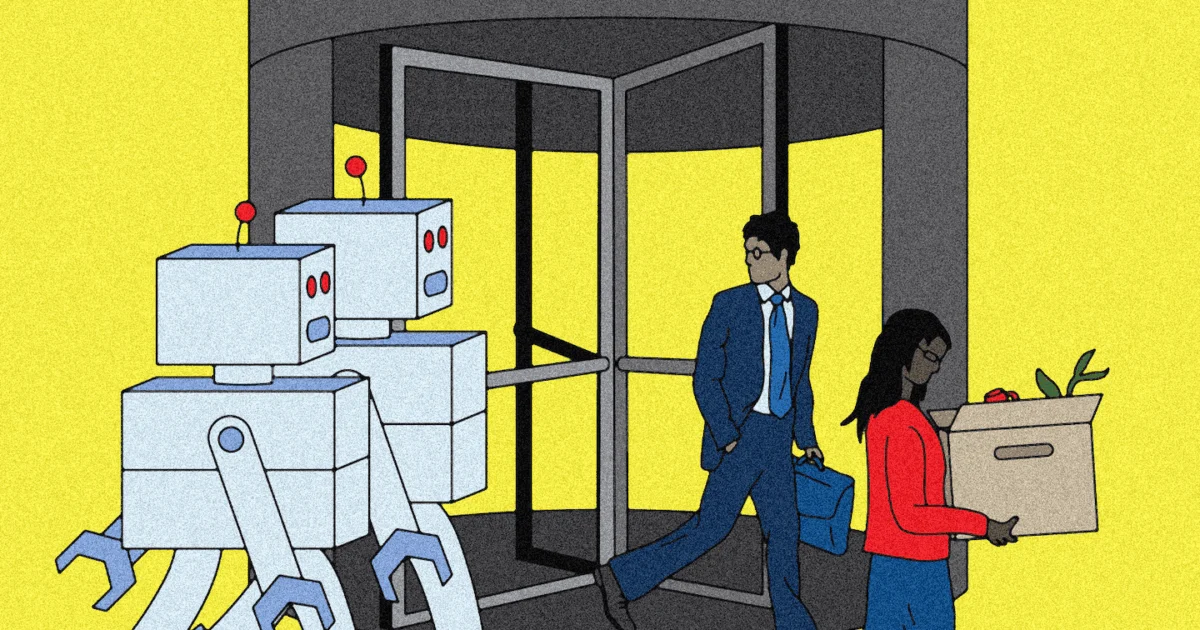
As the rapid integration of artificial intelligence (AI) begins to reshape the American workforce, labor advocates are sounding a clarion call: the nation’s social safety net is fundamentally ill-equipped to handle the impending disruption. With experts predicting a seismic shift in employment patterns—particularly among white-collar, creative, and technical roles—the National Employment Law Project (NELP) is warning that current unemployment insurance (UI) systems are archaic, inconsistent, and dangerously inadequate.
Main Facts: A System Strained by Inconsistency
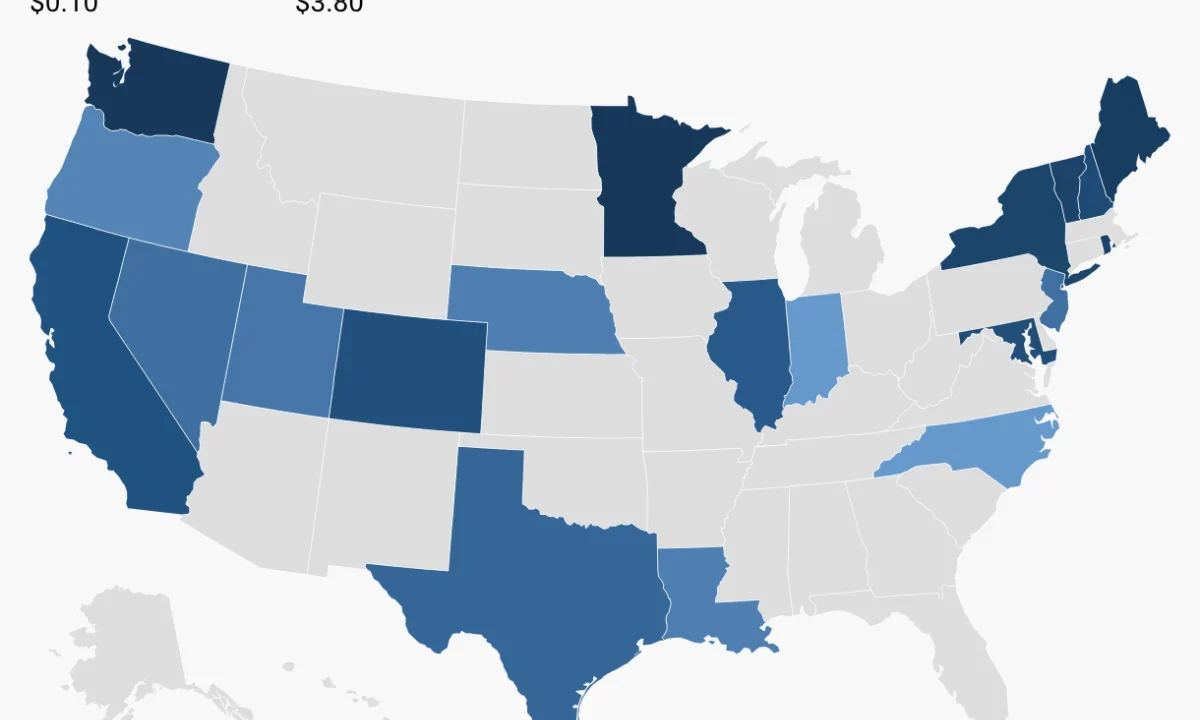
The American unemployment insurance landscape is defined by its extreme geographic and systemic fragmentation. Unlike federalized social programs, UI is managed at the state level, resulting in a patchwork of eligibility requirements and benefit caps that leave workers in different zip codes with drastically different outcomes.
Rebecca Dixon, CEO of the National Employment Law Project, has emerged as a central figure in this debate. She argues that the "stinginess" of current benefit structures is a legacy issue that will prove catastrophic if AI-driven displacement triggers mass layoffs in high-salary sectors.
Consider the stark disparity in financial support: a worker laid off in Mississippi faces a maximum weekly benefit of just $235, a figure that fails to meet the basic cost of living in almost any economic climate. Conversely, a worker in Massachusetts might receive up to $1,105 per week. This variance creates a "lottery of geography," where a worker’s financial survival following an AI-induced termination depends entirely on state-level fiscal policy rather than national labor standards.
Chronology: From Industrial Automation to the AI Revolution
To understand the current urgency, one must look at the evolution of labor market volatility over the last two decades.
- Pre-2010s: Unemployment insurance was largely designed for the traditional, full-time manufacturing worker. Eligibility was predicated on a history of continuous, standard employment.
- 2020 (The Pandemic Catalyst): The COVID-19 pandemic exposed the fragility of the UI system. Millions of gig workers, freelancers, and part-time staff—who had been historically excluded from the UI framework—were left without a safety net until emergency federal legislation (the CARES Act) temporarily expanded coverage.
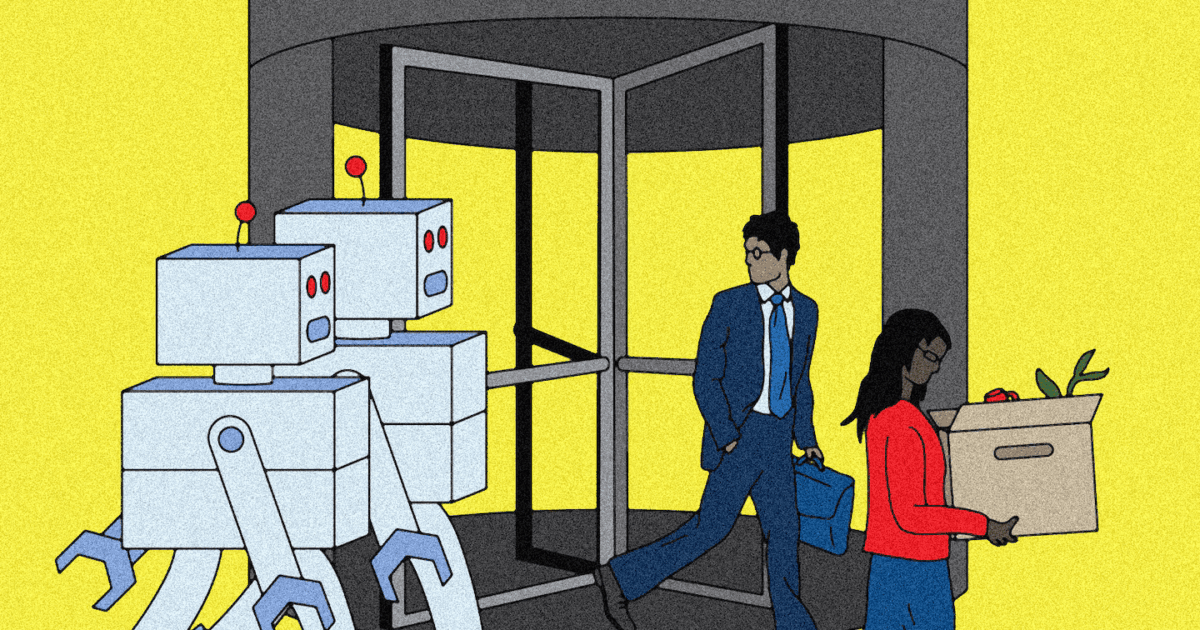
- 2023–2025 (The Rise of Generative AI): The widespread adoption of Large Language Models and automated workflows began shifting the narrative from blue-collar automation to white-collar disruption. Journalists and analysts began noting that computer science graduates and junior software developers—groups once thought "automation-proof"—were facing unprecedented market saturation.
- 2026 (The Current Crisis): With AI tools capable of replacing entry-level administrative, legal, and programming tasks, the NELP and other advocacy groups are pushing for a permanent modernization of the UI system to prevent a long-term erosion of the middle class.
Supporting Data: The Widening Gap
The data indicates that the "AI-resilient" workforce is smaller than previously estimated. Recent reports have highlighted that recent college graduates, particularly those in STEM fields, are facing a hiring freeze as corporations pivot toward AI-assisted development.
According to labor statistics, the average duration of unemployment is creeping upward in tech-heavy sectors. When these workers—who often carry significant student debt—are suddenly cut off from income, the current UI system is failing them in three specific ways:
- Exclusionary Eligibility: Many current systems require a minimum "base period" of traditional W-2 employment. This excludes the rapidly growing segment of independent contractors and part-time workers who provide the flexible labor AI companies often rely on.
- Benefit Caps: The benefit caps, which haven’t been adjusted for inflation in many jurisdictions, are effectively lower in real terms than they were twenty years ago.
- Lack of Retraining Integration: In many states, UI is viewed strictly as a "stop-gap" rather than a "bridge to transition." There is little integration between the receipt of benefits and the funding of the massive reskilling efforts required for displaced workers to remain competitive in an AI-driven economy.
Official Responses and Policy Proposals
The debate over how to reform the safety net has moved into the halls of policy-making. Rebecca Dixon’s proposal for a modernized UI system rests on three pillars:

- Universal Coverage: Expanding UI to include part-time workers, gig economy participants, and recent graduates who have not yet hit the required quarters of "covered" employment.
- Federal Floor: Establishing a national minimum benefit standard to prevent the "race to the bottom" currently seen in states like Mississippi.
- AI-Specific Transition Grants: Moving beyond simple cash transfers to provide "transition benefits" that cover the costs of credentialing or degree programs for workers whose specific job categories are being phased out by AI.
Critics of these proposals—often representatives of business lobbying groups—argue that expanding eligibility would place an undue burden on state trust funds and increase the tax burden on employers. However, advocates argue that the social cost of mass long-term unemployment—including loss of housing, healthcare, and consumer spending power—far outweighs the cost of a modernized, robust insurance system.
Implications: The Social Contract at a Crossroads
The implications of failing to act are profound. If the AI revolution creates a permanent class of "unemployable" white-collar workers, the traditional model of middle-class stability will disintegrate.
Furthermore, the lack of support for recent graduates is a dangerous trend. By failing to provide a buffer for those entering the workforce, the economy risks "scarring" an entire generation of talent. When young professionals cannot find work and have no safety net, they are forced into low-skill, low-wage survival jobs, leading to a permanent loss of human capital and economic mobility.
As the NELP continues its advocacy, the focus is shifting toward legislative action. The goal is to move the UI system from a reactive, 20th-century model to a proactive, 21st-century mechanism that treats income security as a fundamental component of technological progress.
Ultimately, the question is not whether AI will disrupt the labor market—that process is already well underway. The question is whether the American government has the political will to update the social contract to ensure that when machines take over the tasks, humans are not left to bear the cost alone.
For more information on these policy shifts and ongoing advocacy, stay tuned to the National Employment Law Project’s latest resources on making social insurance inclusive and accessible for all workers, including those living with disabilities and those navigating the gig economy.
