




By Editorial Staff
August 31, 2026
As the rapid integration of artificial intelligence across industries continues to reshape the American labor market, a quiet but profound alarm is being sounded by policy experts: the nation’s social safety net is fundamentally ill-equipped to handle the potential for large-scale, tech-driven displacement. While widespread, AI-induced job losses have not yet triggered a national economic collapse, experts warn that relying on reactive, crisis-mode policymaking is a recipe for disaster.
Michele Evermore, Senior Policy Fellow for Economic Security at the National Employment Law Project (NELP), argues that the United States is currently repeating the mistakes of the past. By neglecting the structural integrity of the Unemployment Insurance (UI) system, the government remains one major economic shock away from the kind of administrative paralysis witnessed during the early stages of the COVID-19 pandemic.
The Core Problem: A System in "Race to the Bottom"
At its inception, the Unemployment Insurance system was designed as a vital countercyclical stabilizer. Its dual purpose is to provide an income bridge for displaced workers while they seek quality re-employment and to inject liquidity into local economies during downturns. Economists have long noted that every dollar distributed in UI benefits generates nearly two dollars in local economic activity.
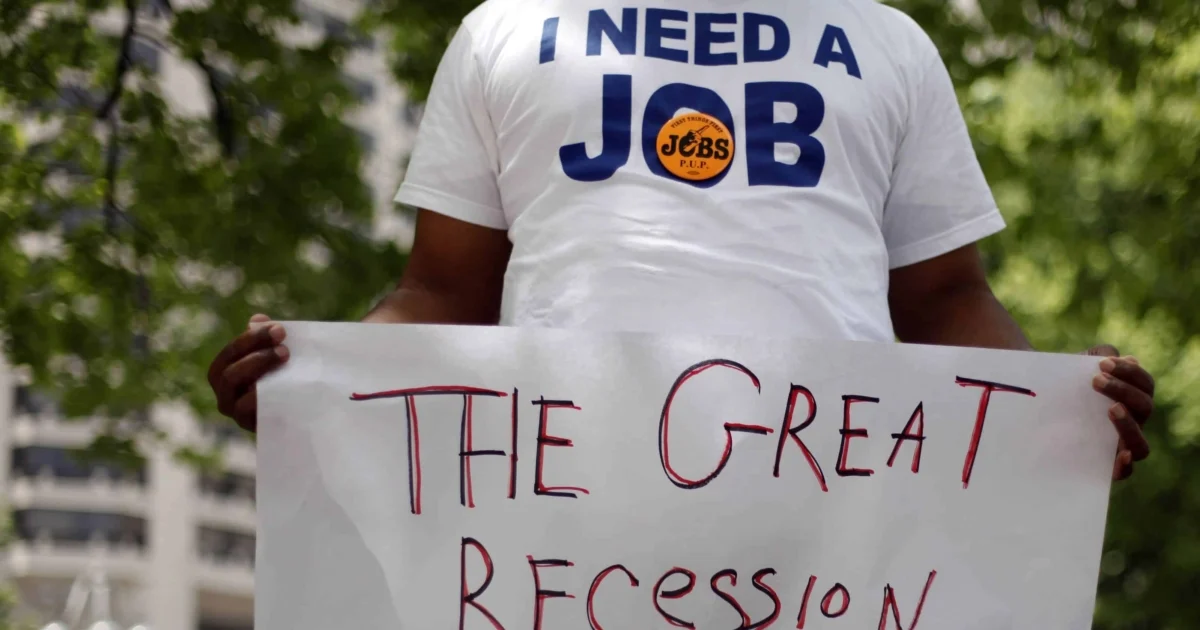
However, over the last several decades, the efficacy of this system has been systematically dismantled. Since the Great Recession, a concerning trend has emerged among individual states: a "race to the bottom." By tightening eligibility requirements, reducing the duration of benefits, and capping the replacement rate of lost wages, many states have effectively gutted the system’s ability to act as a meaningful safety net.
In many jurisdictions, the UI system no longer fulfills its primary mandate. Instead of providing a stable lifeline, the system has become a labyrinthine hurdle that often leaves workers struggling to access the support they are technically entitled to.
A Chronology of Neglect
To understand why the current system is so fragile, one must look at the history of underinvestment and the lessons we have repeatedly failed to learn.
- 1980–1996: During these two decades, bipartisan commissions were convened to assess the state of the American labor market. Both groups arrived at the same conclusion: the UI system required fundamental, modernization-focused improvements to handle future economic volatility. These recommendations were largely filed away and ignored.
- 2008–2010 (The Great Recession): This period marked the beginning of the "race to the bottom," as states slashed budgets and restricted access to benefits to mitigate fiscal pressures.
- 2020 (The COVID-19 Pandemic): The pandemic exposed the catastrophic failure of this neglect. With agencies operating at a 50-year low in funding, they were forced to manage an unprecedented surge in claims using antiquated, legacy technology.
- 2021–2022: As federal programs were hastily stood up to address the shortfall, the combination of skeleton staff and outdated infrastructure created a perfect storm for criminal exploitation. Organized crime syndicates successfully targeted these vulnerable systems, draining billions in benefits that were meant for desperate families.
- 2026 (The Present): We stand at the precipice of an AI-driven labor shift. Despite having decades of warnings, the legislative framework remains trapped in the administrative dysfunction of the past.
The Modern Job Market: A Landscape of Uncertainty
The difficulty of navigating the modern labor market cannot be overstated. Today’s jobseekers face a digital environment that is increasingly hostile and opaque.
The Rise of "Ghost Jobs"
One of the most alarming trends in the 2026 labor market is the prevalence of "fake" or "ghost" job postings. Estimates suggest that as many as one in three job listings currently found on popular aggregation sites are not legitimate opportunities. For a worker who has been laid off due to automation or restructuring, this creates a psychological and financial toll. Sending out hundreds of resumes into a void of non-existent roles leads to significant discouragement, fueling the rise in long-term unemployment.
Declining Labor Force Participation
The labor force participation rate is currently hovering at historic lows. This isn’t merely a reflection of a preference for leisure; it is a symptom of a discouraged workforce that has lost faith in the traditional pathways of employment. The Employment Service—the arm of the Department of Labor once tasked with actively matching talent to opportunity—has been steadily dismantled, leaving jobseekers without guidance or support.
Supporting Data: The Case for Reform
The economic argument for reforming UI is grounded in empirical data that transcends partisan lines.
- Fiscal Multipliers: As noted, the economic stimulus provided by UI is high. In periods of high unemployment, the infusion of cash into consumer pockets prevents local business closures, creating a stabilizing effect on the broader economy.
- Administrative Debt: Decades of under-investment in Department of Labor infrastructure mean that state agencies are running on "skeleton crews." The transition to work-from-home protocols during the pandemic further strained these fragile systems, revealing that even minor shifts in labor trends can cause total systemic failure.
- Fraud Vulnerability: Outdated systems are not just slow; they are insecure. The massive fraud losses of the early 2020s were a direct result of government failure to modernize its digital identity and verification protocols.
Official Responses and Legislative Solutions
The current legislative landscape suggests that some members of Congress recognize the urgency of the moment. Bipartisan efforts, most notably led by Senators Ron Wyden (D-OR) and Michael Bennet (D-CO), along with Congressman Don Beyer (D-VA), have resulted in bicameral legislation aimed at finally implementing the recommendations of the 1980 and 1996 commissions.
The proposed legislation focuses on:
- Federal Minimum Standards: Preventing states from participating in the "race to the bottom" by establishing baseline requirements for benefit duration and replacement rates.
- Modernization Grants: Providing the necessary funding to upgrade the "antiquated technology" currently used by state agencies, ensuring that systems can scale during times of crisis.
- Restoration of the Employment Service: Reinvigorating the U.S. Department of Labor’s Employment Service division, with a focus on local, in-person offices that can provide human-centric support to those navigating the transition to new industries.
Implications: Preparing for the AI Era
The implications of failing to act are severe. As AI accelerates, the nature of job displacement will shift from cyclical to structural. When machines displace human labor in sectors as diverse as manufacturing, customer service, and white-collar administration, the displaced workers will require more than just a temporary check—they will need robust re-training programs and a functional bridge to new roles.
If the U.S. continues to wait until a crisis forces its hand, the result will likely be a repeat of the 2020 failure, but on a much larger scale. The administrative collapse during the pandemic was a "stress test" that the system failed. We are now heading toward a much more permanent, tectonic shift in the labor market.
The Moral and Economic Imperative
We must move away from the habit of "crisis management." The infrastructure of our social safety net should be proactive, not reactive. By investing in the UI system today, we aren’t just spending money; we are purchasing economic stability and social cohesion.
As Evermore notes, the solutions were already identified 50 years ago. The tragedy is not a lack of ideas or a lack of understanding regarding the problem; it is a lack of political will to treat the labor safety net as the critical piece of national infrastructure that it is.
The time to rebuild is now, while the labor market still possesses enough resilience to withstand the necessary upgrades. To wait for the AI-induced wave of unemployment to hit is to accept that millions of Americans will be left to fend for themselves in an era of unprecedented transition. The choice is between a modernized, dignified support system or the continued erosion of the American worker’s lifeline.
