





By [Your Name/Journalistic Staff]
Date: August 31, 2026
As the rapid integration of artificial intelligence across industries accelerates, the specter of widespread displacement has moved from speculative fiction to a tangible policy challenge. While the anticipated "mass unemployment" event has not yet materialized in the catastrophic proportions some once feared, experts are warning that the current U.S. unemployment insurance (UI) system is structurally incapable of handling the shocks that a potential AI-driven labor market shift could trigger.
Michele Evermore, a Senior Policy Fellow for Economic Security at the National Employment Law Project (NELP), warns that the nation is currently repeating a cycle of negligence that could prove disastrous. "We have yet to see widespread job loss due to AI, but we should not wait until a crisis hits to act," Evermore states. Her call to action is echoed by a growing chorus of economists who argue that the U.S. social safety net has been systematically eroded, leaving millions of workers vulnerable to the next wave of technological disruption.
The State of the Safety Net: A History of Neglect
To understand the fragility of the current system, one must look at the historical trajectory of the U.S. unemployment insurance program. Conceived as a countercyclical stabilizer, UI was designed to do more than just provide a paycheck; it was meant to keep workers attached to the labor force, facilitate job matching, and pump liquidity into local economies during downturns. Research suggests that for every dollar spent on UI benefits, nearly two dollars of economic activity are generated in local communities.
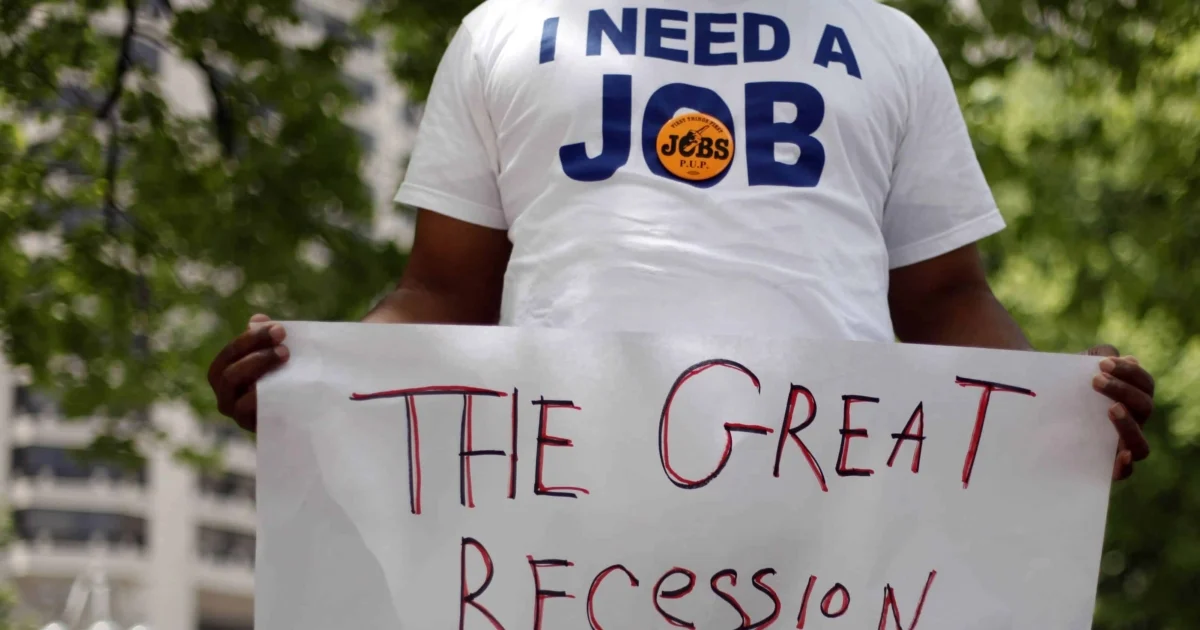
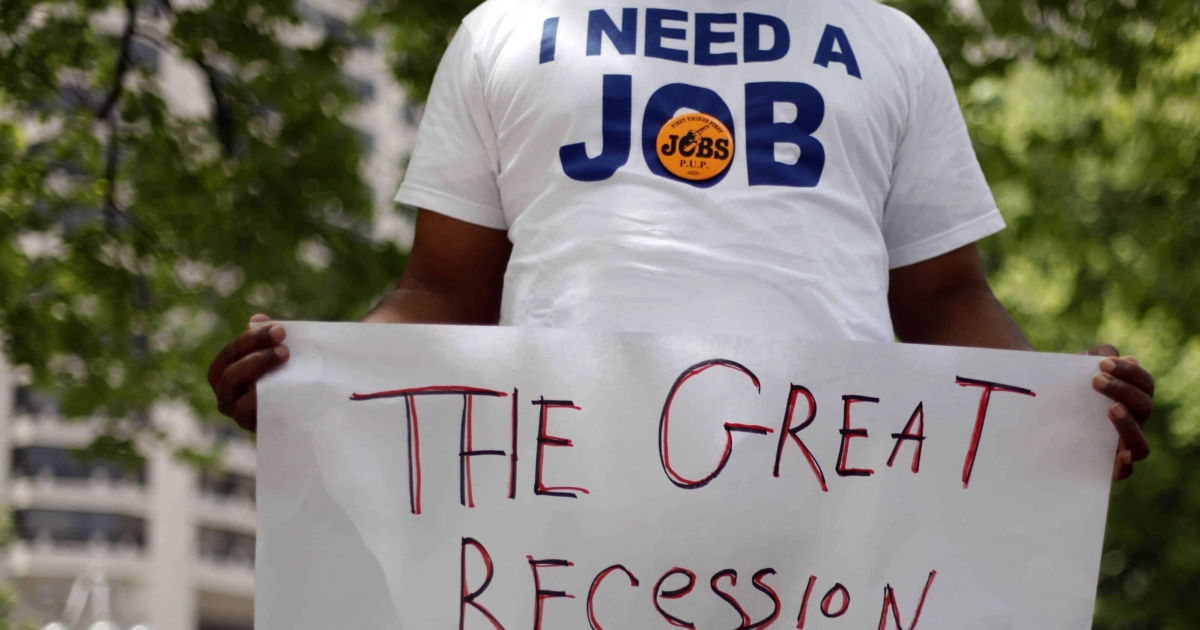
However, since the Great Recession of 2008, the system has undergone what analysts describe as a "race to the bottom." Across dozens of states, legislators have moved to reduce the generosity of benefits, tighten eligibility requirements, and shorten the duration of support. This has effectively stripped the program of its ability to act as an economic shock absorber.
Chronology of Erosion
- 1980–1996: Bipartisan commissions consistently recommend federal modernization of UI standards to handle shifting economic realities. These recommendations remain largely ignored by Congress.
- 2008–2010: The Great Recession highlights significant cracks in state-level UI funding and administrative capacity.
- 2020: The COVID-19 pandemic serves as a stress test that the system fails. With record claims, agencies operating on 50-year-low funding levels are forced to rely on "skeleton staffs" and antiquated technology.
- 2021–2024: Criminal syndicates exploit the technological vulnerabilities of the COVID-era UI programs, leading to massive fraud and a subsequent political backlash that further freezes reform efforts.
- 2025–2026: AI begins to permeate the service and white-collar sectors. The "long-term unemployment" rate begins to climb, while the labor force participation rate stagnates at historic lows.
The Modern Jobseeker’s Dilemma: A "Low-Hire" Economy
The challenges facing displaced workers today go beyond mere income loss; the very process of finding employment has become opaque and hostile. Data from 2026 suggests that as many as one in three job postings currently online are "ghost jobs"—fake or abandoned listings that lead nowhere.
"Jobseekers are sending out dozens, even hundreds of resumes and not hearing anything back," notes Evermore. "People who have been unemployed for months are becoming discouraged." This environment of "ghosting" and algorithmic rejection has created a profound psychological toll on the American worker, contributing to the record-low labor force participation rates seen throughout 2026.
The traditional Employment Service—the government-led system designed to help people bridge the gap between jobs—has been systematically dismantled through decades of underfunding. Without robust, human-led support systems to assist with retraining and job placement, the individual worker is left to navigate a hostile digital marketplace alone.
Supporting Data: Why the System is Failing
The failure of the current UI infrastructure is not just anecdotal; it is quantified by the system’s inability to adapt to the velocity of modern economic changes.
- Administrative Atrophy: During the pandemic, state agencies were forced to implement work-from-home protocols on technology systems that were in some cases decades old. This lack of investment meant that legitimate claims were delayed for months, while sophisticated fraud rings were able to exploit the system’s lack of modern verification tools.
- Diminishing Replacement Rates: In many states, the ratio of income replaced by UI has fallen below the thresholds necessary to maintain basic household stability, meaning that even when a worker is approved for benefits, they often fall into poverty while searching for their next role.
- The "Ghost Job" Phenomenon: The proliferation of fake job postings has increased the time-to-hire for genuine roles, lengthening the duration of unemployment for the average worker and increasing the total fiscal burden on state UI funds.
Official Responses and Legislative Impasse
The warnings issued by policy experts have not gone entirely unnoticed in the halls of Congress. There is a recognized legislative path forward, though its implementation remains subject to the volatility of partisan politics.
Senator Ron Wyden, Senator Michael Bennet, and Congressman Don Beyer have championed bicameral legislation that seeks to codify many of the recommendations made by the bipartisan commissions of 1980 and 1996. The proposed reforms aim to:
- Set federal standards for benefit adequacy and duration.
- Modernize administrative technology to prevent fraud while ensuring timely delivery of funds.
- Restore the federal Employment Service division at the U.S. Department of Labor to provide genuine job-seeking assistance to the unemployed.
Despite the bill’s existence, the political will to enact sweeping systemic change remains fractured. Supporters of the legislation argue that the costs of inaction—manifesting as increased social instability and deeper economic recessions—far outweigh the budgetary requirements of modernizing the system.
Implications for the AI Era
The implications of failing to act are significant. As AI continues to automate tasks previously performed by entry-level analysts, customer service representatives, and middle-management professionals, the velocity of labor market turnover will likely increase.
If the UI system remains in its current, weakened state, the next economic downturn will not be merely a period of transition; it could become a permanent displacement crisis for millions. The "race to the bottom" in UI benefits has left workers with no cushion to pivot, learn new skills, or wait out the temporary volatility that technological disruption inevitably brings.
The Way Forward
The lessons of the past 50 years are clear: reactive policymaking is a recipe for failure. By the time mass unemployment hits, administrative systems are too overwhelmed to implement anything but stopgap measures.
The path to a resilient labor market requires three specific actions:
- Federal Standardization: Moving away from the fragmented, state-by-state model to ensure a baseline of dignity and support for every American worker, regardless of where they live.
- Technological Investment: Upgrading the Department of Labor’s digital infrastructure to handle high-volume claims without sacrificing security or efficiency.
- Reinvigorating the Employment Service: Shifting the focus from "policing" the unemployed to actively supporting their transition into new, AI-augmented roles.
"We had solutions that would address AI and mass unemployment 50 years ago, but we ignored them," Evermore concludes. "It’s time to break the habit of waiting until we are deep in the throes of a crisis before we act."
As we look toward the remainder of the decade, the question is not whether AI will change the nature of work, but whether the social contract will adapt to protect those who are displaced by that change. The window for proactive reform is narrowing, and the cost of procrastination is rising with every passing quarter.
