





By Alejandra Carranza | Supply Chain Dive | Published August 5, 2026
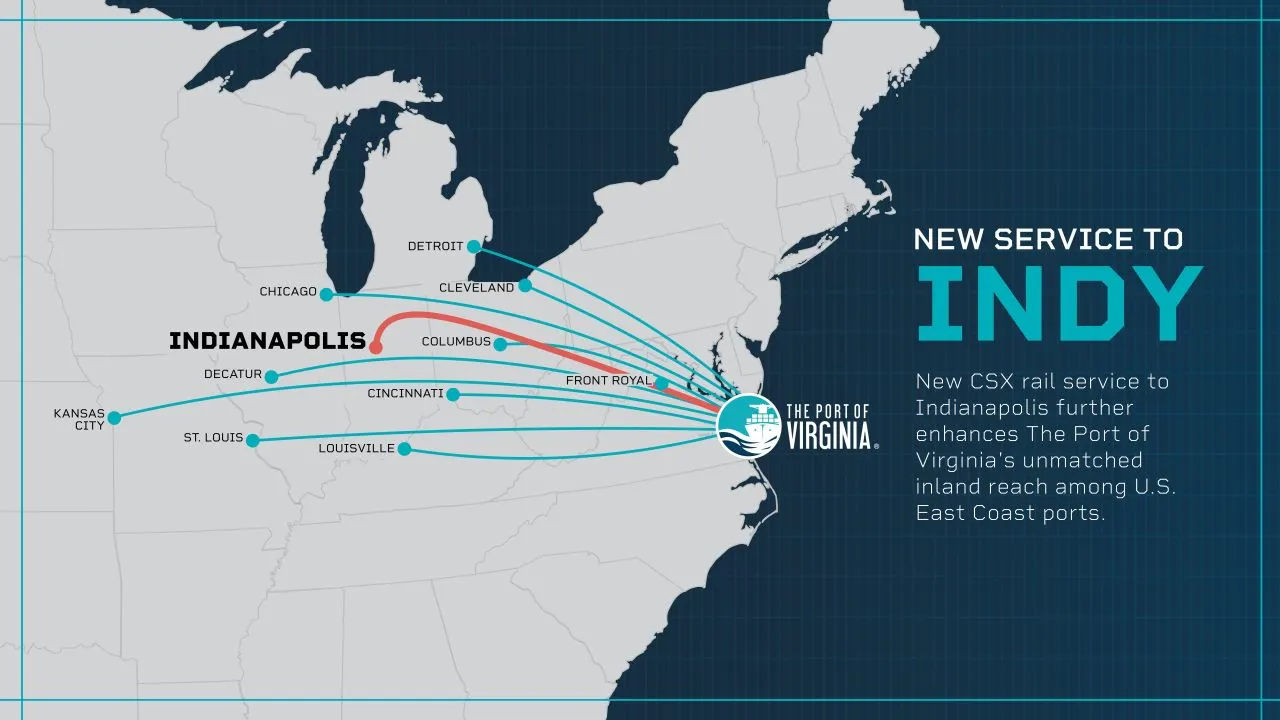
In a strategic move to capture a larger share of the Midwest’s lucrative import market, The Port of Virginia has officially inaugurated a new, direct rail service to Indianapolis in partnership with CSX. This development marks a significant shift in logistics patterns for the region, offering a more efficient alternative to the traditional, congestion-prone transit routes that have historically relied on Chicago as a primary gateway.
The Strategic Pivot: Bypassing the Chicago Bottleneck
For decades, the “Crossroads of America”—Indianapolis—has been a vital node for distribution centers and manufacturing hubs. However, moving containerized cargo from East Coast ports to central Indiana often required a circuitous journey through the rail hubs of Chicago, followed by a secondary drayage movement southward to reach the final destination.
This model, while functional, exposed shippers to the chronic volatility of the Chicago rail and drayage market. By establishing a direct link to Indianapolis via CSX, The Port of Virginia is effectively shortening the supply chain.
“The Midwest is a strong market for imports moving through East Coast ports, and Indianapolis sits in that sweet spot,” Austin Staton, director of media relations at CSX, told Supply Chain Dive. “CSX serves Indianapolis directly, which allows containers to move by rail into the market rather than routing through Chicago and trucking back south. This offers a more direct option for shippers with distribution operations in central Indiana.”
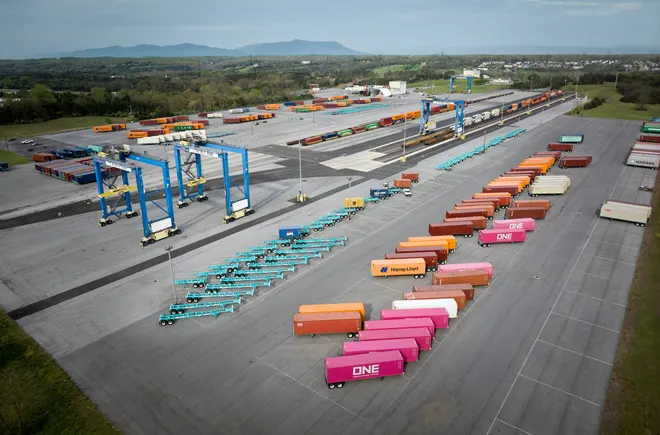
The service, which boasts a transit time of just five days, provides a predictable, streamlined corridor that mitigates the risk of delays often associated with transloading and trucking through one of the nation’s most congested logistics corridors.
Chronology of Infrastructure Investment
The launch of the Indianapolis rail service is not an isolated event but the culmination of a multi-year, multi-million dollar strategy to transform The Port of Virginia into the primary “Gateway to the Midwest.”
- 2023–2024: The port initiated an aggressive $83 million expansion of its central rail yard at the Norfolk International Terminals. This project was specifically designed to reduce rail dwell times—the period cargo spends sitting in the yard—and to expand total rail capacity.
- 2025: Throughout the year, the port focused on integrating its terminal operations with Class 1 carrier schedules to ensure seamless double-stack rail connectivity.
- Mid-2025: The Port of Virginia and Norfolk Southern collaborated to launch the “RailGreen” program, a sustainability-focused initiative allowing shippers to utilize low-carbon fuel locomotives, setting a precedent for environmental responsibility in regional freight.
- August 2026: The official announcement of the direct CSX service to Indianapolis solidifies the port’s position as a major contender in the race for Midwestern freight dominance.
Supporting Data: Capacity and Efficiency Metrics
The efficiency of this new route is underpinned by the port’s recent physical upgrades. The Port of Virginia now boasts the capacity to process 2 million rail lifts annually. These infrastructure investments have had a tangible impact on operational speed.
According to Joe Harris, senior director of media relations at The Port of Virginia, the port’s rail dwell averages currently range between 35 and 49 hours. This speed provides a competitive edge, as it translates into shorter transit windows for rail-bound cargo compared to the heavier traffic patterns seen in northern or southern gateway competitors.
The geography of Indianapolis also plays a critical role in the economic viability of this route. As Joe Harris noted, Indianapolis places shippers within a one-day drive of approximately 75% to 80% of the U.S. population. By utilizing the I-65, I-69, I-70, and I-74 interstate corridors, companies can distribute their goods from the heart of Indiana to the vast majority of the American consumer base with unprecedented speed.

Official Responses and Stakeholder Perspectives
The industry has responded favorably to the expansion, noting that the combination of CSX and Norfolk Southern rail services provides a robust, dual-provider network.
“We serve both NS and CSX with on-dock, double-stack rail service,” Harris stated. “Both of these Class-1 carriers help put The Port of Virginia closer to many of the traditional Midwest manufacturing and population centers like Indianapolis.”
By offering services to Cleveland, Columbus, Kansas City, and Chicago through both major railroads, the port has positioned itself as a comprehensive logistics partner rather than a single-commodity entry point. The collaboration with Norfolk Southern on the RailGreen program further distinguishes the port, offering corporate shippers a way to reduce their Scope 3 supply chain emissions—a growing priority for global retailers.
The Broader Implications for Logistics and Supply Chains
The implications of this direct rail link extend far beyond the state lines of Virginia and Indiana.
1. Decoupling from Chicago Congestion
Chicago remains a critical hub for North American freight, but its intermodal terminals are frequently plagued by congestion and drayage shortages. By bypassing this hub for Indianapolis-bound cargo, shippers effectively "de-risk" their supply chains. The move allows firms to avoid the unpredictability of the Chicago market, which, while high in volume, is also highly susceptible to weather-related and seasonal bottlenecks.

2. Sustainability as a Competitive Advantage
The integration of the RailGreen program with the broader rail network indicates that The Port of Virginia is leaning into the green logistics trend. By allowing shippers to purchase certificates to offset carbon emissions, the port is tapping into a market segment that values both cost-efficiency and environmental stewardship. This dual-pronged value proposition is increasingly essential for winning long-term contracts with major national retailers and manufacturers.
3. Economic Development in the Midwest
For Indianapolis, this represents a significant economic development win. By reducing the cost and time required to import goods from the East Coast, the city becomes an even more attractive location for distribution centers, third-party logistics (3PL) providers, and regional manufacturing. The “Crossroads of America” title is being reinforced not just by its highways, but by a more sophisticated, rail-centric logistics infrastructure.
4. A Shift in East Coast Market Dynamics
The Port of Virginia’s investment strategy highlights a shift in the competitive landscape of East Coast ports. As infrastructure projects conclude, ports like Virginia are no longer content to serve only the local coastal market; they are actively competing for the inland Midwest market that was historically dominated by West Coast ports or northern East Coast gateways. The ability to move goods directly from the ship to a double-stack rail car, bound for the Midwest, creates a "seamless" movement that is highly prized by modern just-in-time supply chains.
Looking Ahead
As the logistics industry continues to grapple with shifting global trade patterns and the need for greater supply chain resilience, the success of the Indianapolis corridor will serve as a bellwether for other East Coast ports.
For now, the partnership between The Port of Virginia and CSX stands as a case study in how targeted infrastructure investment—when combined with a clear understanding of regional market needs—can create tangible improvements in transit speed and supply chain reliability. Shippers looking to optimize their logistics spend in the coming years will likely find the Norfolk-to-Indianapolis route an essential component of their North American strategy.
Editor’s note: This story was first published in our Logistics Weekly newsletter. For more insights on the shifting landscape of global supply chains and regional infrastructure developments, subscribe to the Supply Chain Dive newsletter.
