




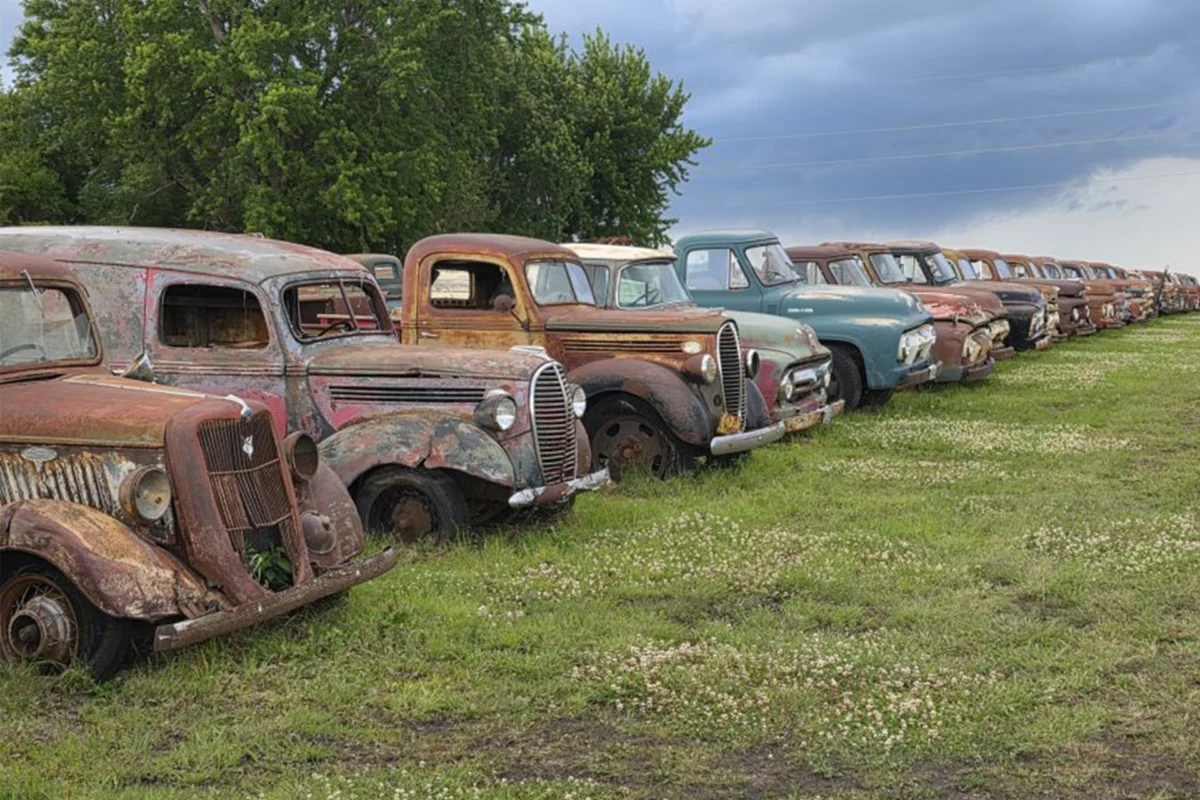
In the world of automotive collecting, there exists a profound disconnect between the ambition to acquire and the capacity to preserve. It is a common phenomenon: the "collector’s trap," where the thrill of the hunt leads to an accumulation of iron that eventually outpaces one’s time, budget, and physical space. While many such collections eventually succumb to the slow decay of the elements or are cannibalized for parts, a massive, singular hoard in Redwood Falls, Minnesota, is offering a different fate.
The Tim Wertish collection, a sprawling assembly of over 300 classic cars, trucks, and heavy-duty rigs, is set to go under the gavel. Managed by VanDerBrink Auctions, the sale—scheduled for September 25 and 26—represents one of the most significant liquidation events of the year for enthusiasts of patina-heavy, project-grade iron.
The Genesis of an Automotive Legacy
The story of this collection begins long before the rows of trucks were meticulously organized on the Redwood Falls plot. Tim Wertish, the son of a local car dealer, grew up with gasoline in his veins. By the time he reached high school, he had already cut his teeth in the volatile, fast-paced world of automotive buy-and-sell.
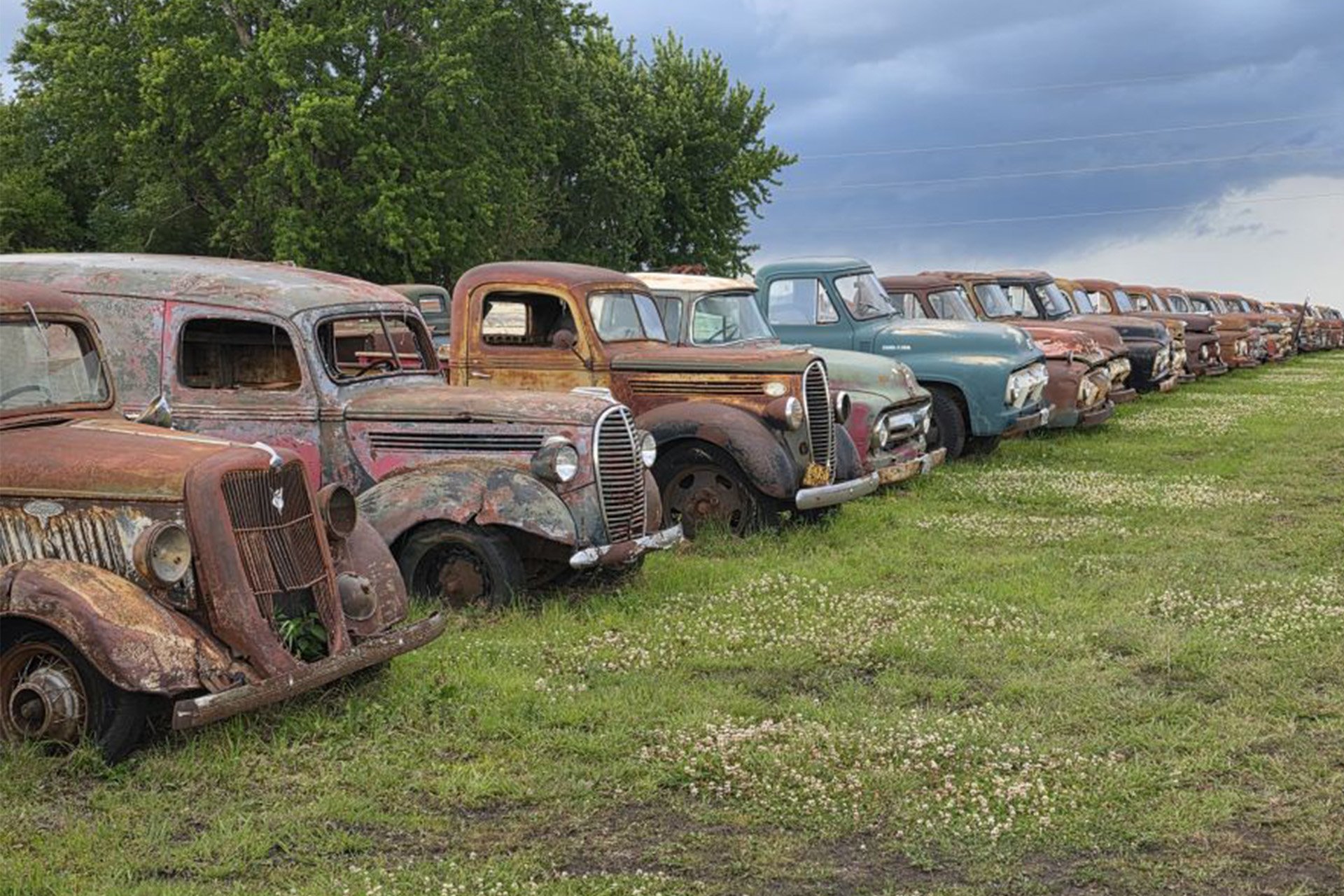
However, as he matured, Wertish’s focus shifted from the fleeting nature of dealership inventory to the long-term preservation of American history. Over the span of 25 years, he systematically scoured the Midwest, hunting for forgotten icons of the highway. He eventually secured a vast plot of land in Redwood Falls, transforming it into a personal repository for the vehicles he couldn’t bear to see scrapped.
For a quarter-century, this land served as a sanctuary for machines that had been retired from service. While some collectors curate vehicles for concours lawns, Wertish’s philosophy was far more pragmatic—and arguably more fun. According to auction organizers, his mantra was simple: "Keep the patina, drop in an LS, slam it, and bag it." It was an ethos built on the idea that these machines were meant to be driven and enjoyed in a modern context, rather than imprisoned behind glass.
A Massive Inventory: Breaking Down the Collection
The sheer volume of the Wertish collection is difficult to grasp until one sees the aerial photography of the site. The inventory is not merely a disorganized junkyard; it is a cataloged archive of American industrial capability.
The Heavy-Duty Heavyweights
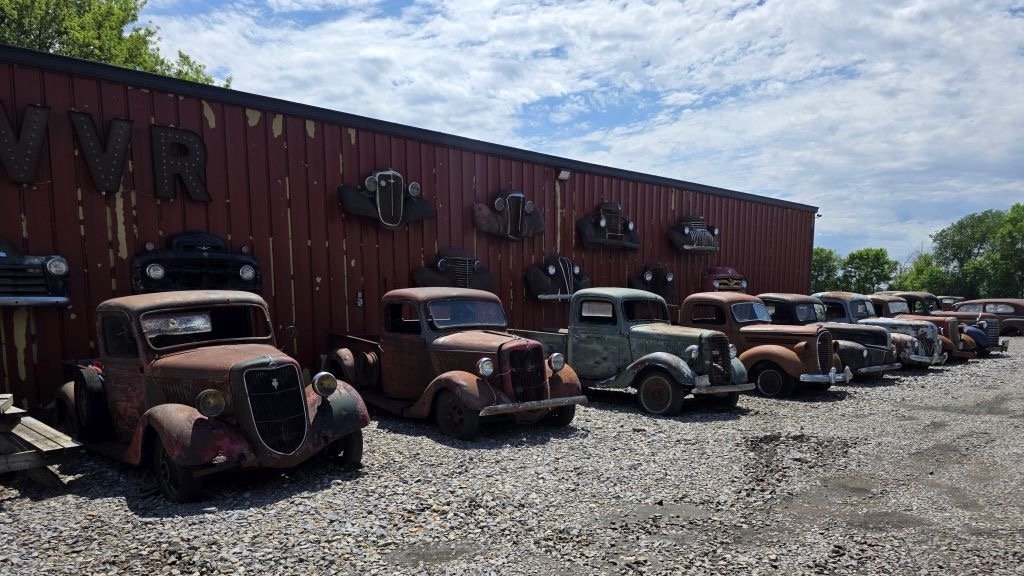
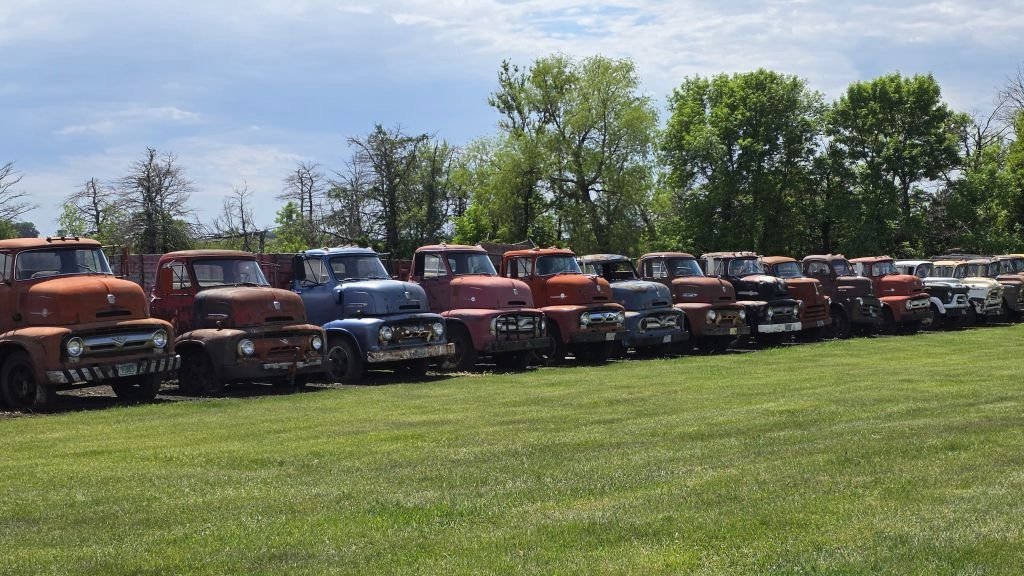
The collection is heavily weighted toward commercial and agricultural workhorses. There are approximately 100 Ford pickups and an equal number from General Motors, representing decades of American manufacturing evolution. Beyond the light-duty pickups, the collection features an impressive array of:
- Cab-Over-Engine (COE) Rigs: Highly sought after by custom builders for their unique aesthetic and proportions.
- Fire Apparatus: Vintage emergency vehicles that offer a unique blank canvas for conversion.
- Grain Trucks: Heavy-duty haulers from manufacturers like International and Diamond T, many of which retain the rugged character of mid-century agricultural life.
The Performance Icons
While the trucks form the backbone of the collection, the "car side" of the hoard is equally compelling for the performance enthusiast. Notable headliners include a Hemi-powered 1966 Dodge Charger, a 1967 Plymouth GTX, and a variety of Chevrolet Camaros and Impalas. These are not merely parts cars; they are storied foundations for high-end builds.
The Reality of Project-Grade Assets
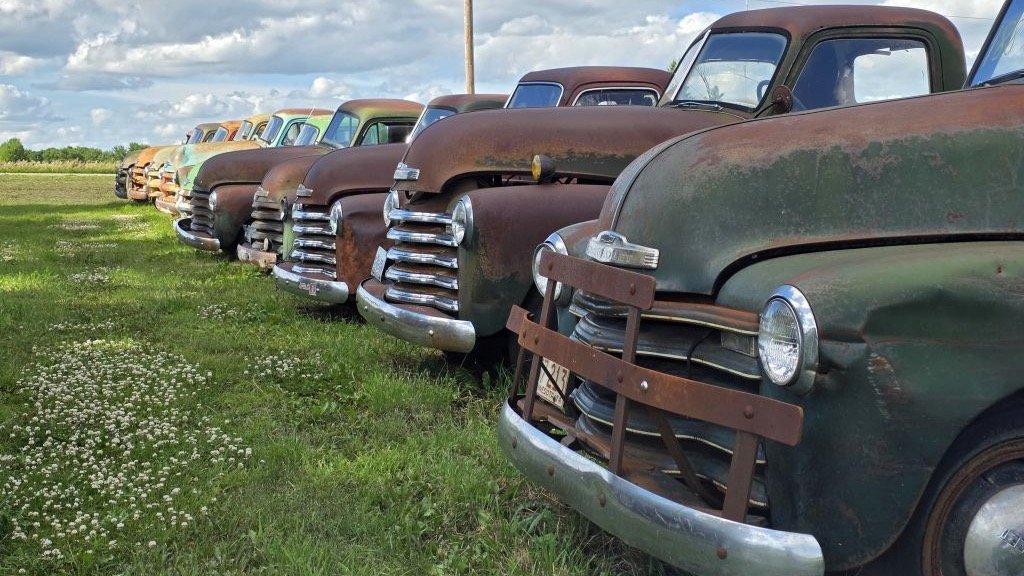
It is important for prospective bidders to temper their expectations with the reality of Minnesota’s climate. Stored outdoors for years, these vehicles have been subjected to the brutal freeze-thaw cycles of the Upper Midwest. This is not an auction for those looking for turnkey, investment-grade classics to display at an auto show.
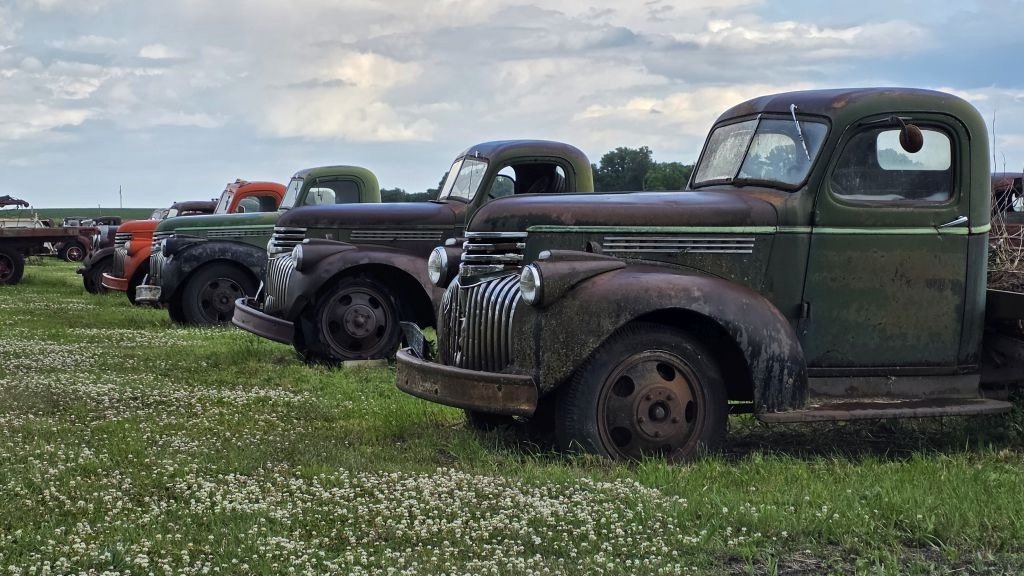
Instead, this is a "project-grade" sale. The vehicles are priced and presented as raw material. For the skilled fabricator or the dedicated hobbyist, this is an unparalleled opportunity. In many cases, buyers have the option to purchase only the cab of the COE trucks, leaving the frame behind. This flexibility is a boon for modern hot-rodders who intend to place a vintage shell onto a modern, high-performance chassis.
The ability to compare multiple examples of the same model year side-by-side allows a buyer to perform a "best-of" analysis—taking the cleanest door from one truck, the most solid hood from another, and the most desirable cab from a third. This level of granular selection is rarely found in the digital marketplace.
The Auction Process: Logistics and Strategy
VanDerBrink Auctions, an entity well-versed in the complexities of clearing out massive estates, has structured the two-day event to accommodate both in-person and remote bidding.
Chronology of the Sale
- Day 1: Typically reserved for the bulk of the light-duty trucks, parts, and smaller automotive projects.
- Day 2: Focuses on the more substantial machinery, including the heavy-duty rigs, fire trucks, and the high-value Mopar muscle cars.
The logistical challenge of moving 300+ vehicles is substantial. Prospective bidders are encouraged to visit the VanDerBrink website to review the full catalog. Because the collection is being sold in an "as-is" condition, the auction house has provided extensive photographic documentation, allowing buyers to assess rust levels and component completeness before the bidding commences.
Economic and Cultural Implications
The liquidation of the Wertish collection serves as a case study for the current state of the collector car market. There is a growing trend in the hobby toward "preservation-class" aesthetics. The "patina" look—where the vehicle displays the scars of its working life while hiding a high-performance engine beneath the hood—has become the gold standard for many younger enthusiasts.
By selling this collection now, Wertish is essentially "releasing" these machines back into the wild. In an era where new vehicles are increasingly digitized and complex, there is a renewed interest in the mechanical simplicity of mid-century iron. The fact that these vehicles are being sold in large lots suggests that they will likely be distributed among a new generation of mechanics and customizers, rather than disappearing into a single private museum.
Furthermore, this auction highlights the importance of land management in rural America. As property values fluctuate and the cost of maintaining large-scale storage increases, many collectors are forced to make the difficult decision to "thin the herd." The Redwood Falls sale acts as a transition point—a moment where a life’s work is redistributed to ensure that the hobby remains vibrant and accessible to those who are willing to put in the labor.
Final Thoughts: A Call to the Garage-Ready
If you possess the vision to see past the surface rust and the space to house a project that will inevitably consume your weekends for the next few years, the Redwood Falls auction is a must-attend event. It is a rare confluence of quantity and quality that provides the rare chance to build something entirely your own.
Whether you are looking for a singular COE cab to transform into a show-stopper or you are a parts-hunter looking to keep a fleet of vintage Fords on the road, the Wertish collection offers a final opportunity to secure a piece of American automotive history. As the sun sets on this particular collection in Minnesota, it will rise on hundreds of new projects across the country, ensuring that these machines—no matter how neglected—find a new life on the asphalt.
