





The automotive world was treated to a significant unveiling this week as Mitsubishi pulled the covers off its all-new Pajero—a nameplate that evokes deep nostalgia for off-road enthusiasts worldwide. Known to North American audiences as the Montero, the vehicle vanished from U.S. shores two decades ago, leaving a void for those who favored its utilitarian charm over more bloated SUV alternatives. While its absence in the West has been long, the Pajero has remained a cornerstone of Mitsubishi’s international lineup, serving as a reliable, cost-effective, and highly capable rival to the legendary Toyota Land Cruiser.
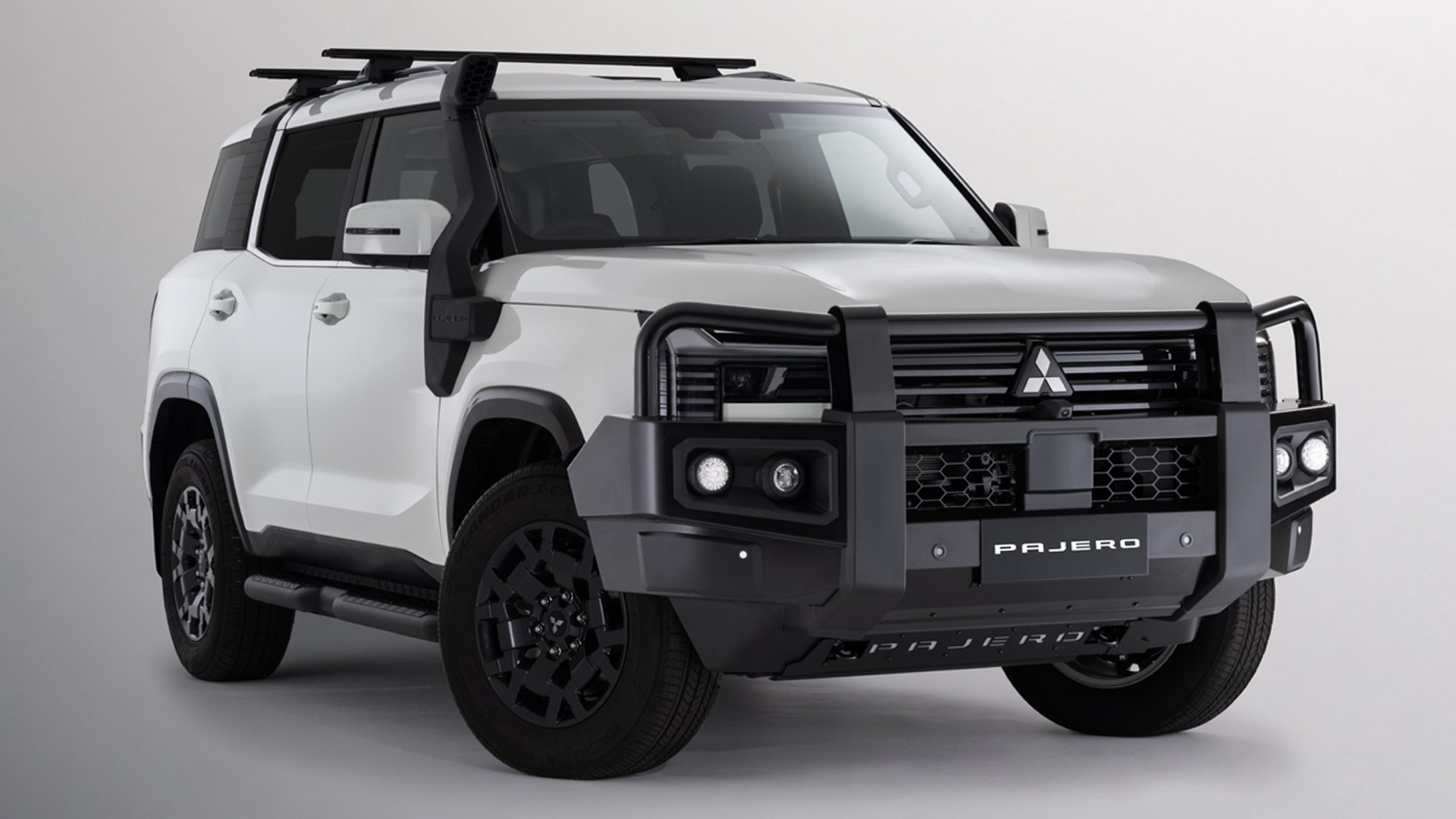
The new iteration marks a departure in design, blending modern aesthetics with the structural integrity required for grueling terrain. Most notably, Mitsubishi’s Australian division has signaled its intent to market the vehicle as a genuine "outback-slayer," showcasing a suite of factory-backed accessories that prioritize function over form—including a heavy-duty steel "bull bar" that looks as though it was pulled straight from the high-octane modification shops of a Grand Theft Auto title.
Chronology: From Dakar Dominance to Modern Utility
The history of the Mitsubishi Pajero is one of legendary status in the world of rallying. Throughout the 1980s, 90s, and 2000s, the Pajero dominated the grueling Dakar Rally, securing 12 total victories and earning the nickname "The King of the Desert."
- 1982: The first-generation Pajero enters production, signaling Mitsubishi’s entry into the serious off-road segment.
- 1990s: The Montero (Pajero) enjoys peak popularity in the United States, cementing its reputation as a rugged, three-row family hauler with legitimate off-road chops.
- 2006: Mitsubishi ceases sales of the Montero in the U.S. market, shifting focus toward crossovers and smaller SUVs.
- 2024-2025: Speculation mounts regarding a successor to the long-standing fourth-generation platform.
- September 2026: The global debut of the next-generation Pajero. The reveal is met with immediate praise for its return to a boxy, muscular aesthetic, signaling a pivot back to the nameplate’s off-roading roots.
Supporting Data: Engineering for the Outback
The focus on the Australian market is strategic. Australia represents one of the most punishing environments for automotive engineering, characterized by vast, unpopulated distances, extreme heat, and a high density of wildlife. The new factory accessory catalog, while not yet fully indexed, highlights the manufacturer’s commitment to these conditions.
The featured accessories include:
- The "Kangaroo-Killing" Steel Bumper: A high-tensile steel bull bar designed to protect the engine bay, cooling systems, and critical front-end sensors from high-speed wildlife impacts.
- Engine Snorkel: Engineered to allow the engine to breathe clean air while traversing deep water or heavy dust—a prerequisite for remote desert exploration.
- Reinforced Skid Plates: Heavy-gauge metal underbody protection designed to deflect rocks and debris that would otherwise compromise the oil pan or drivetrain.
These additions are not merely aesthetic add-ons; they are integrated components that work in tandem with the vehicle’s existing sensors. While modern global safety standards—particularly those regarding pedestrian impact—often force manufacturers to use softer, energy-absorbing plastic bumpers, Mitsubishi has navigated these regulations in Australia by ensuring these heavy-duty bars meet the necessary structural safety certifications for the local market.
Official Responses and Strategic Intent
Mitsubishi Australia’s official stance on the new Pajero’s accessory line is clear: "Make the All-New Pajero uniquely yours with a wide range of Mitsubishi Genuine Accessories. Designed for Australian conditions and developed specifically for Pajero, each accessory delivers seamless integration, exceptional quality, and confidence on every journey."
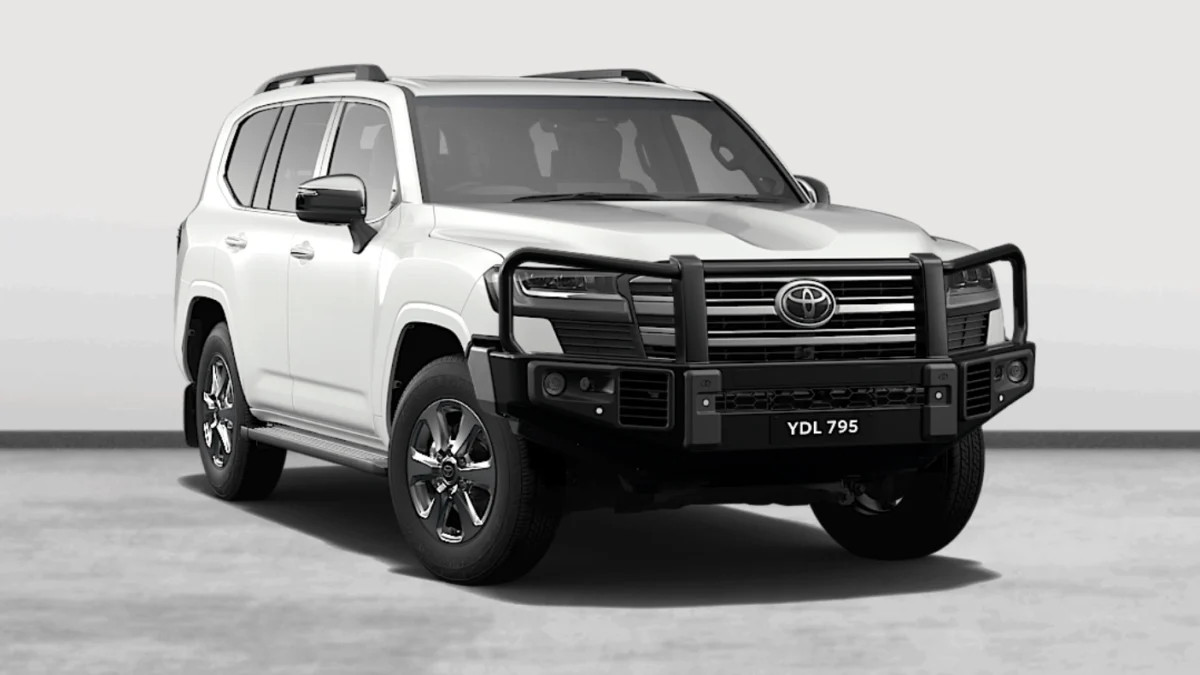
This messaging underscores a "factory-backed" advantage. By offering these parts through the dealer network, Mitsubishi provides customers with a warranty-protected path to off-road modification. This approach mimics the successful model employed by Toyota in Australia, where the 300 Series Land Cruiser and the stalwart 70 Series are frequently outfitted with dealer-installed ARB or genuine Toyota gear before they ever touch a dirt road.
The Reality of Outback Driving: Why Protection Matters
To understand the necessity of a steel bumper, one must understand the reality of the Australian interior. The country’s size is comparable to the contiguous United States, yet its human population density is approximately 10% of the U.S. total. Outside of the major coastal cities, the infrastructure is sparse.
For the long-haul driver, wildlife is not just a nuisance; it is a primary hazard. Kangaroos, ranging from the size of a medium dog to large, muscular males that stand over six feet tall, are nocturnal and highly unpredictable. A collision at highway speeds—often 100-110 km/h—can render a standard passenger vehicle immobile. In the middle of the Simpson Desert or on the Nullarbor Plain, an immobile vehicle is a life-threatening scenario.
The cultural acceptance of "bull bars" in Australia is deeply rooted in this survival necessity. While North American drivers often view these as aggressive stylistic choices, Australian drivers view them as essential life-saving equipment. The "battering ram" look is, in effect, a form of insurance against the wild.
Implications: The Cultural Divide in Automotive Design
The return of the Pajero, and specifically its rugged Australian configuration, highlights a growing divergence in the global automotive market. As North America moves toward increasingly sophisticated, software-defined, and pedestrian-safety-optimized vehicles, the rest of the world—particularly markets like Australia, the Middle East, and parts of Africa—continues to demand vehicles that prioritize mechanical resilience.

The modern Pajero represents a bridge between these worlds. It carries the refined interior and tech-forward dashboard required for modern luxury, but underneath, it maintains the heritage of a vehicle meant to traverse the globe.
For the American consumer, the absence of this vehicle is a persistent point of contention. The "Montero" remains a sought-after classic in the secondary market, and the new model’s arrival only highlights what U.S. enthusiasts have been missing: a true-blue, trail-ready SUV that doesn’t require an aftermarket overhaul to be useful.
Whether Mitsubishi will ever bring this "Outback Edition" philosophy back to the North American market remains to be seen. However, the success of the new Pajero in international markets could serve as a litmus test. If the demand for rugged, factory-modified vehicles continues to rise in the U.S.—as evidenced by the popularity of the Toyota Land Cruiser and the Lexus GX—Mitsubishi may eventually find the business case to bring the Pajero nameplate home.
Until then, the Pajero stands as a testament to the fact that, in some parts of the world, a car is still judged not by its infotainment screen, but by its ability to take a hit from the wild and keep on driving. As any veteran outback traveler will tell you, when you are 500 miles from the nearest service station, you don’t want a vehicle that is merely pretty—you want one that is built to survive.
