





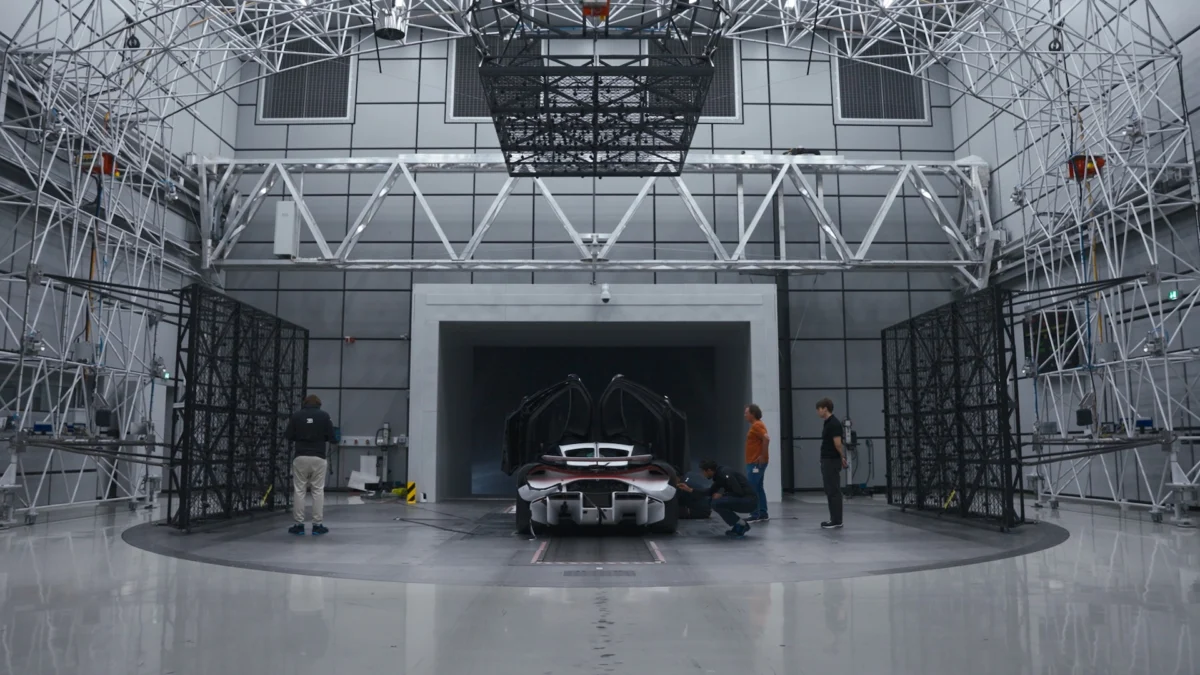
In the rarefied world of hypercars, where performance metrics are often measured in milliseconds and top speeds are pushed to the brink of what physics will allow, the sensory experience—specifically the auditory profile—is often relegated to the background. However, with the introduction of the Bugatti Tourbillon, the Molsheim-based marque has elevated the sound of combustion to an art form. Tasked with replacing the iconic, quad-turbocharged W16 that defined a generation, Bugatti’s engineers faced a monumental challenge: how to create a voice for a new era that is as powerful as it is emotive.
The Evolution of the Bugatti Engine
To understand the significance of the Tourbillon’s acoustic profile, one must look at the lineage of the Bugatti brand. For the better part of two decades, the W16 engine was the undisputed king of internal combustion. Its massive 8.0-liter displacement and four turbochargers produced a mechanical, turbine-like roar that became synonymous with the Veyron and the Chiron. It was a sound of absolute, overwhelming force.
However, the industry shift toward hybridization presented a departure from that formula. The Tourbillon utilizes a brand-new, naturally aspirated 8.3-liter V16 engine, meticulously crafted in collaboration with Cosworth. This power plant revs to a spine-tingling 9,000 rpm, a dramatic departure from the lower-revving, boost-heavy W16s of the past. By shedding the turbochargers, Bugatti hasn’t just changed the engine’s power delivery—they have fundamentally rewritten the car’s soul.
Chronology: From Concept to Sonic Perfection
The development of the Tourbillon’s exhaust note was not an afterthought; it was a multi-year project that began almost concurrently with the design of the chassis.
- Phase 1: Conceptualization (2021-2022): Engineers began by establishing a "sonic signature." The goal was to maintain the brand’s heritage of brute power while embracing the "dirty and raw" character that naturally aspirated engines provide.
- Phase 2: Prototype Testing (2023): Using early engine mules, the acoustics team, led by Romain Volatier, began experimenting with exhaust piping length, diameter, and material thickness. The aim was to ensure the car would retain its character even as it integrated three electric motors—a hybrid setup that typically threatens to "muffle" engine noise.
- Phase 3: The Regulatory Gauntlet (2024-2025): The team faced the harsh reality of global noise regulations. To be road-legal, the vehicle had to meet strict drive-by sound limits, which are capped at 72 decibels.
- Phase 4: Refinement and Calibration (2026): Final tuning focused on removing "unpleasant" frequencies, ensuring that the driver hears a pure, mechanical symphony rather than synthetic, artificial audio piped through cabin speakers.
Supporting Data: The Physics of the Sound
The engineering behind the Tourbillon’s sound is a masterclass in acoustic physics. The 72-decibel drive-by limit is not merely an exhaust measurement; it is an aggregate figure that accounts for tire noise, aerodynamic drag, and mechanical resonance. To maximize the perceived volume and character of the exhaust, engineers had to drastically reduce "noise pollution" from other sources.
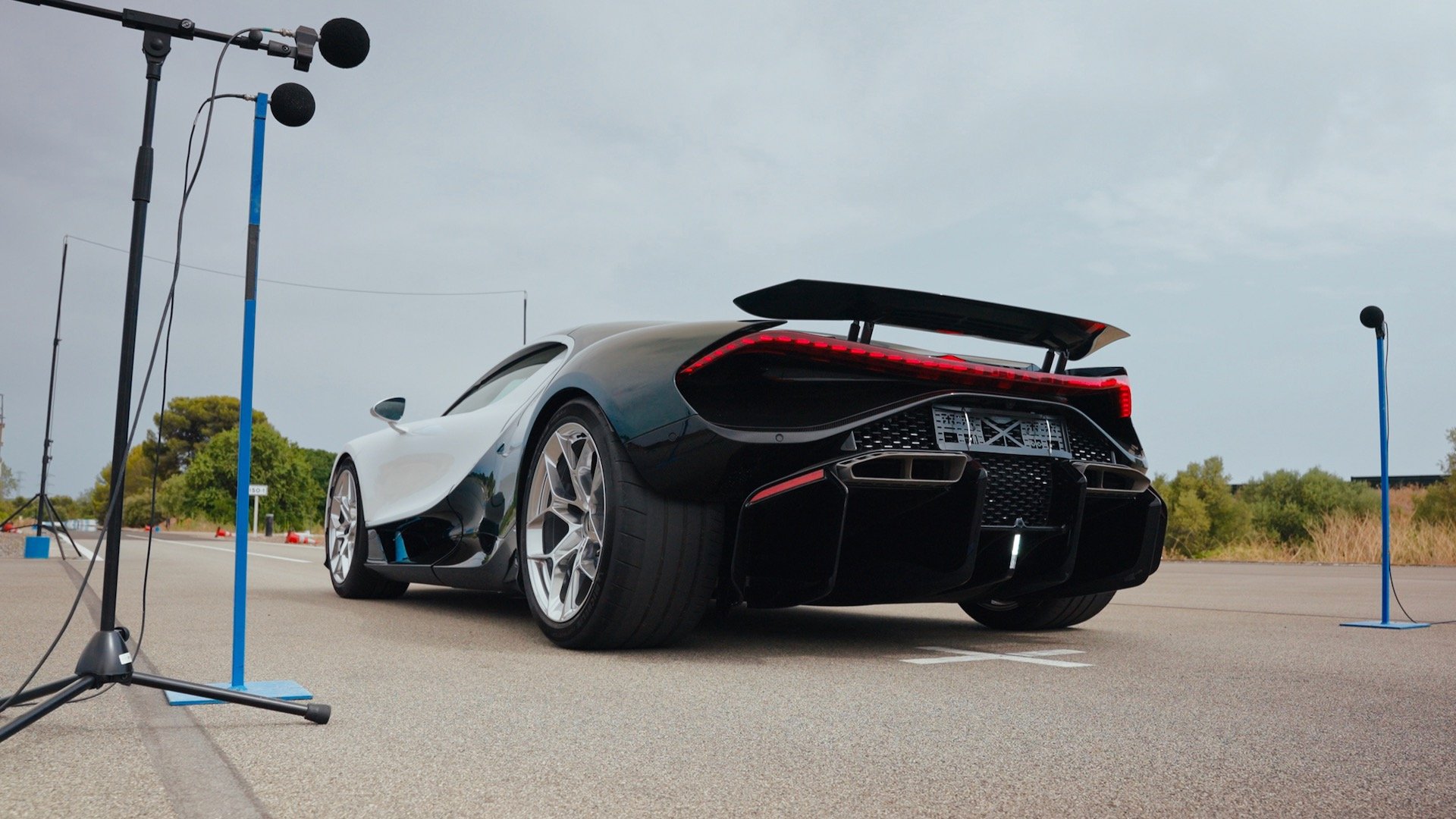
By optimizing the airflow around the body and selecting tire compounds that minimize road hum, the team effectively "freed up" decibel budget, allowing the V16 to sing at its natural, uninhibited volume.
- Engine Specs: 8.3-liter naturally aspirated V16.
- Total System Output: 1,800 horsepower (combining internal combustion and three electric motors).
- Acceleration: 0-62 mph in just 2.0 seconds.
- Top Speed: 276 mph (444 km/h).
- Acoustic Signature: A building, aggressive rumble that transitions into a high-frequency howl at the 9,000-rpm redline.
Official Perspectives: The Quest for Authenticity
Romain Volatier, Bugatti’s head of NVH (Noise, Vibration, and Harshness) and acoustics, has been vocal about the importance of authenticity. In recent behind-the-scenes content released by the manufacturer, Volatier emphasized that the Tourbillon’s sound is entirely mechanical.
"We wanted to avoid the ‘fake’ experience that has become prevalent in modern performance cars," Volatier noted. In an era where many manufacturers rely on digital sound enhancement to simulate engine noise inside the cabin, Bugatti took the harder road. The sound in the Tourbillon is the result of thousands of hours of physical testing and fluid dynamics, ensuring that the air moving through the exhaust manifold creates the specific, raw, and visceral tone the designers envisioned.
The team also prioritized the "windows-down" experience. Recognizing that the modern hypercar driver often feels disconnected from the engine due to heavy sound deadening and aerodynamic enclosures, the Tourbillon was designed to invite the outside world in. The exhaust routing is specifically tuned to resonate with the cabin, creating a tactile experience where the driver feels the vibrations of the V16 as much as they hear them.
Implications for the Hypercar Market
The Tourbillon represents a turning point for the ultra-luxury segment. As competitors move toward fully electric powertrains, which are inherently silent, Bugatti is doubling down on the visceral nature of the combustion engine. By marrying the latest in hybrid technology with a high-revving, naturally aspirated V16, Bugatti is making a statement: performance should be felt, heard, and experienced.
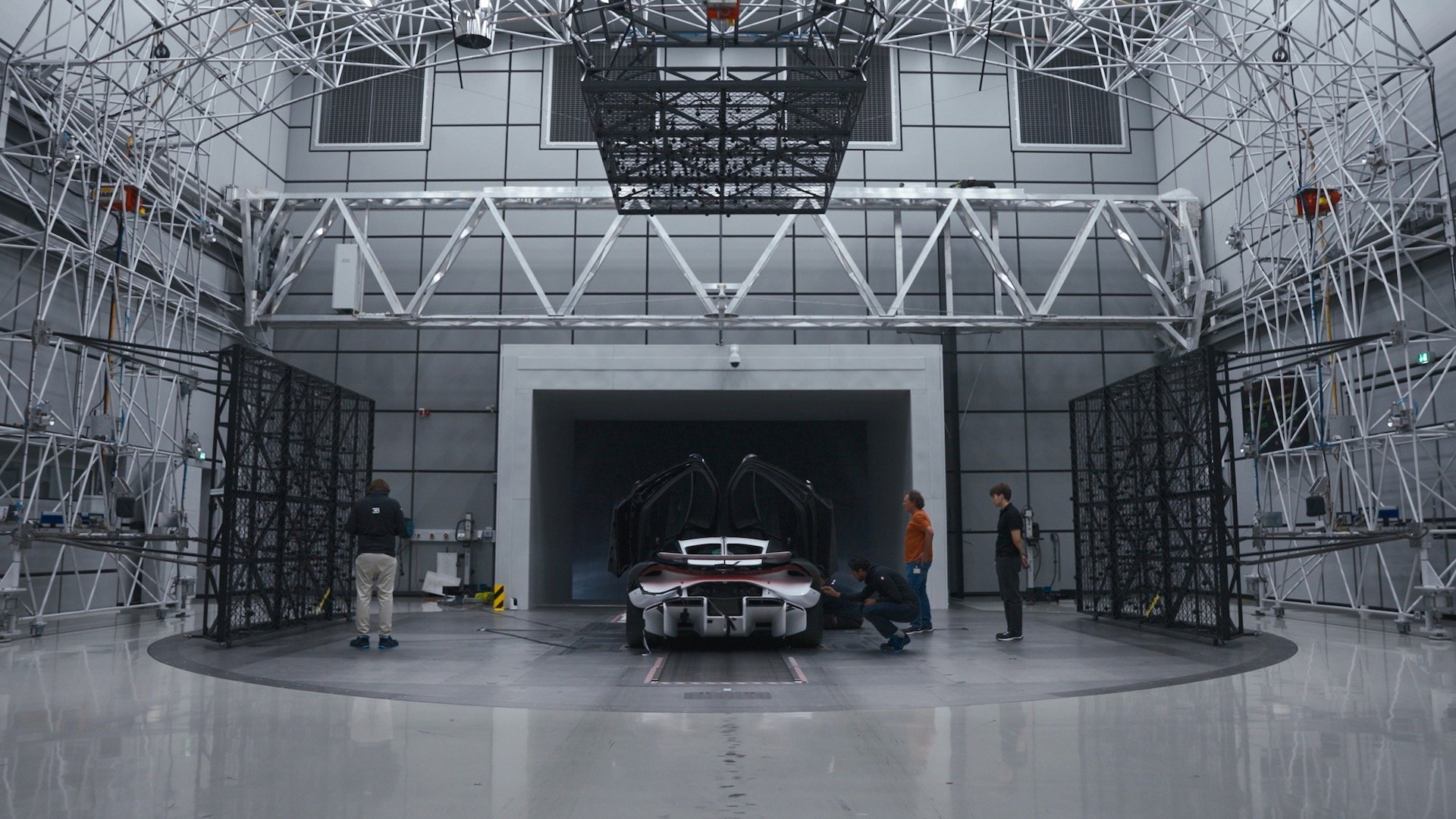
This decision carries significant weight. It positions the Tourbillon not just as a vehicle, but as a keeper of the flame for internal combustion. For the 250 prospective owners who will eventually take delivery of this machine, the car will serve as a sanctuary for the senses. It proves that even in the age of electrification, there is still a place for the raw, mechanical drama of a 9,000-rpm engine.
Conclusion: A Legacy Refined
As we look toward the future, the Bugatti Tourbillon stands as a testament to the fact that technical innovation and emotional resonance do not have to be mutually exclusive. Bugatti has successfully navigated the shift toward hybrid performance without sacrificing the "soul" of the machine.
Whether it is sitting at a standstill or pushing the limits on a high-speed circuit, the Tourbillon is designed to command attention. It is a car that refuses to be quiet, a car that demands to be heard, and, perhaps most importantly, a car that reminds us why we fell in love with the internal combustion engine in the first place. As production begins and these vehicles make their way to private collections worldwide, the roar of the V16 will undoubtedly become the benchmark against which all future hypercars are measured. The Tourbillon is not just a triumph of engineering; it is a triumph of sound, marking the beginning of a new, louder, and more exciting era for Bugatti.
