




Welcome to this comprehensive edition of The Downshift. As the automotive landscape pivots toward a future defined by electrification, shifting global trade strategies, and the re-evaluation of classic vehicle segments, the industry finds itself at a critical juncture. From the boardrooms of Seoul to the regulatory offices in Europe, here is an in-depth analysis of the automotive headlines for Thursday, August 27, 2026.
1. Hyundai’s Bold Pivot: The Rise of the Body-on-Frame Platform
The most significant strategic development this week comes from Hyundai Motor Group, which is doubling down on its commitment to the "ladder-frame" market. For years, the industry has watched Hyundai dominate with unibody crossovers and electric platforms. However, CEO Jose Muñoz has confirmed that the automaker is aggressively pursuing a new body-on-frame platform designed specifically for the North American market.
The Strategy Behind the Boulder
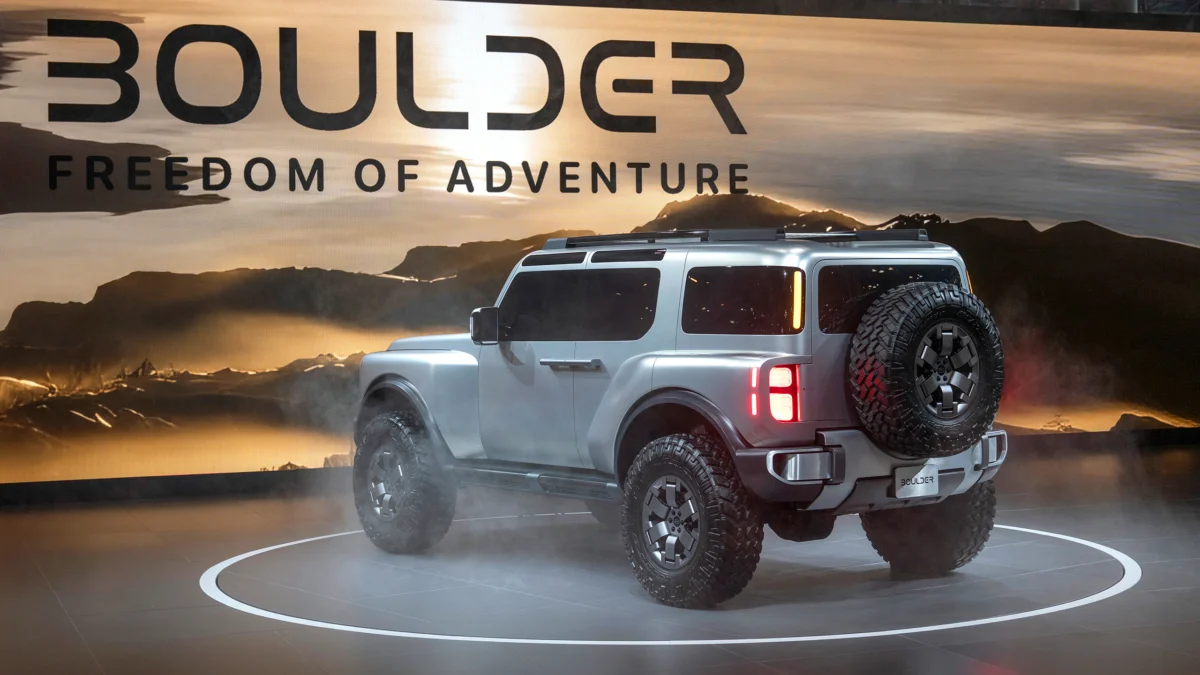
Hyundai is not merely looking to fill a gap; it is aiming for dominance in the high-margin truck and SUV sector. The "Boulder" concept, showcased at the 2026 New York Auto Show, serves as the visual and technological manifesto for this endeavor. By producing these vehicles in the United States, Hyundai intends to bypass potential import tariffs and leverage local supply chains, with an eye toward exporting these American-made beasts to other global markets.
The long-term viability of this project rests on "platform sharing." While Hyundai will lead the charge, the true economies of scale will be realized if Kia and Genesis integrate this ladder-frame architecture into their own product portfolios. If a luxury SUV from Genesis or a rugged adventure vehicle from Kia shares this foundation, the investment will pay dividends for decades. The first midsize pickup truck derived from this project is slated for a 2029 debut, marking a historic shift for a brand once known primarily for economy sedans.
2. The Honda Fit Conundrum: Why Small Cars Remain a Challenge
In the consumer market, few topics generate as much passion as the potential return of the Honda Fit. The subcompact hatchback was a darling of the American market for years, prized for its "Magic Seats" and unparalleled utility-to-footprint ratio.
Official Stance vs. Market Reality
Recent comments from American Honda sales boss Lance Woelfer have poured cold water on the rumors of an imminent return. "There are currently no plans," Woelfer noted, though he stopped short of issuing a hard "no."
The challenge for Honda—and indeed for the entire industry—is the economic math. With the rise of safety regulations and the increasing integration of sophisticated infotainment and driver-assistance systems, the cost of manufacturing a small, profitable car has skyrocketed. To bring the Fit back, Honda would have to justify the price point to a consumer base that has largely migrated toward entry-level crossovers like the HR-V. While the company is "looking at everything" regarding affordable mobility, the Fit’s return remains a hypothetical exercise rather than a concrete production goal.
3. Regulatory Turbulence: Recalls and Safety Probes
Safety remains the cornerstone of the automotive industry’s social contract. This week, we saw three distinct regulatory outcomes that highlight the complexities of modern vehicle reliability.
The Nissan Rogue Resolution
For many owners of the Nissan Rogue, the fear of a mechanical failure in the steering system has been a point of contention. The National Highway Traffic Safety Administration (NHTSA) had been investigating reports of tie-rod failures—a critical steering component. After an exhaustive review of data, the investigation has officially closed without a recall. This is a significant win for Nissan, though it serves as a reminder of how closely regulators monitor the structural integrity of high-volume SUVs.
The Kia EV9 Airbag Concern
In contrast, Kia has faced a more immediate hurdle. The automaker has initiated a recall of approximately 21,000 EV9 electric SUVs. The issue is technical but critical: a sensor malfunction may allow the front-passenger airbag to deploy even when the seat is occupied by a child or a sensitive car seat. This specific recall highlights the growing pains of integrating advanced sensor suites into family-oriented vehicles. Owners are urged to contact their local dealerships immediately to receive the necessary software or hardware updates.
The Tesla Door Handle Debate
Across the Pacific, Tesla is navigating a different kind of challenge. Following a massive recall in China involving 3 million vehicles—centered on the ease of locating and operating manual backup door handles in emergency situations—the Dutch RDW (the European automotive regulator) has opted not to follow suit. While the RDW is currently holding off on enforcement, the door is not closed. Regulators in Europe are known for their stringent safety standards, and Tesla will likely need to continue proving that its design philosophy does not impede passenger egress in high-stress scenarios.
4. Motorsport and Innovation: Pushing Limits
Beyond consumer vehicles, the high-stakes world of racing continues to drive engineering innovation.
- McLaren’s Hypercar Endurance Aspirations: McLaren is signaling a return to the pinnacle of endurance racing. Their upcoming LMDh (Le Mans Daytona h) challenger has completed over 30 hours of continuous testing at the Aragon circuit in Spain. By simulating the grueling demands of the 24 Hours of Le Mans, McLaren is proving that its hypercar platform is built for extreme durability.
- Mazda’s UK Strategy: In the United Kingdom, emissions regulations have forced a change for the iconic Mazda MX-5 Miata. The 2.0-liter engine, while beloved, has been discontinued in favor of a refined 1.5-liter unit. Mazda has managed to squeeze 134 horsepower out of this smaller engine, ensuring that the legendary handling characteristics of the roadster remain intact, even as it adapts to stricter environmental mandates.
- Mini’s Rally Ambitions: Mini is proving that its commitment to the American Rally Championship is more than just marketing. By embedding dealer technicians directly into the JCW Race Team, the brand is creating a feedback loop between the track and the dealership. This "boots-on-the-ground" approach ensures that the expertise gained in high-speed, off-road conditions directly informs the service standards for consumer vehicles.
5. Implications for the Future
As we look toward the remainder of 2026, several themes are clear. First, the re-emergence of the ladder-frame truck is a direct response to the American consumer’s appetite for utility and rugged aesthetics. Hyundai’s entry into this space could disrupt a segment long held by the "Big Three" domestic manufacturers.
Second, the affordability crisis in the auto industry is forcing manufacturers like Honda to reconsider their product mixes. We are moving away from the era of cheap, simple cars toward an era of complex, high-value vehicles that must justify their price tags through efficiency and technology.
Finally, the regulatory landscape is becoming increasingly fragmented. With different standards in China, the EU, and the U.S., global automakers face the daunting task of navigating disparate safety and operational requirements. The Tesla door-handle situation serves as a cautionary tale: design, no matter how sleek or modern, must always prioritize human-centric safety standards.
As these stories develop, The Downshift will continue to provide the analysis you need to understand how these shifts impact your driveway, your wallet, and the future of the open road.
Got a tip or feedback for our editorial team? Reach out to us at [email protected].
