



When severe weather strikes, the modern home becomes incredibly fragile. As utility grids struggle to cope with the increasing frequency of extreme meteorological events, the demand for backup power systems—ranging from portable lithium power stations to expensive whole-home natural gas generators—has skyrocketed. However, when supply chains fail and the local hardware stores are picked clean, necessity often becomes the mother of invention.
In mid-August, when catastrophic storms swept through Valparaiso, Indiana, leaving thousands of residents in the dark and prompting a disaster declaration, one local resident demonstrated that an unconventional solution was parked right in their driveway. Utilizing a 2012 Chevrolet Cruze, the resourceful homeowner successfully kept their household running for five full days, proving that with the right modifications, a standard commuter vehicle can double as a life-saving power utility.
The Core Concept: Automotive Power Generation
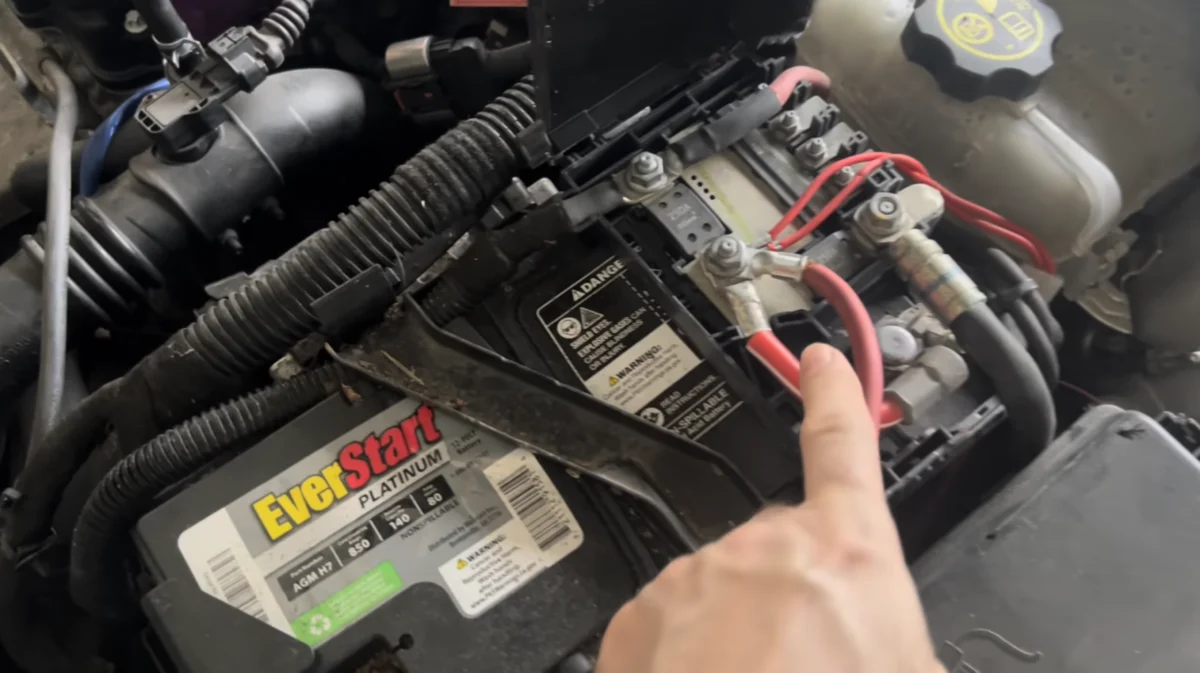
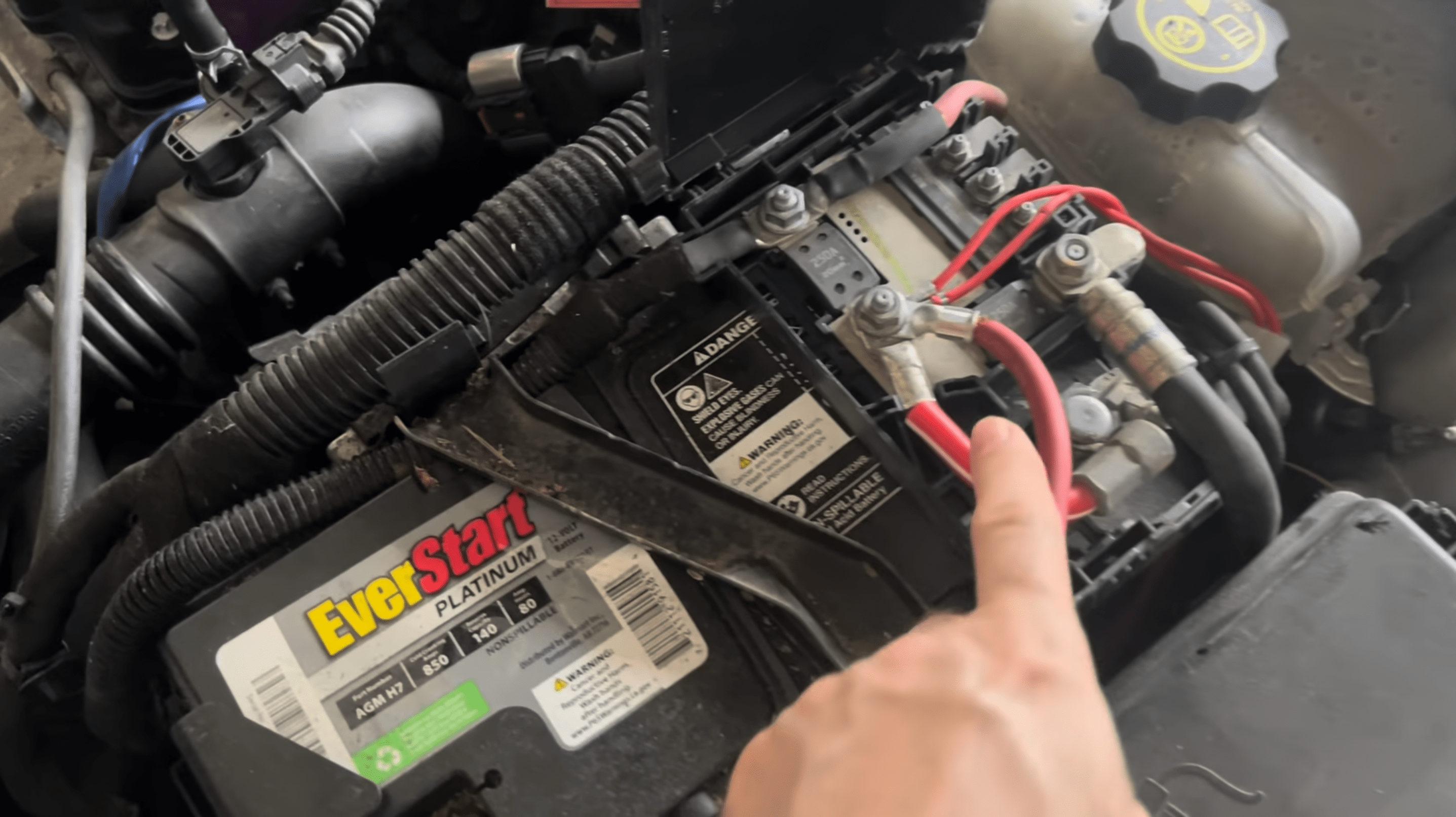
The DIY setup, documented extensively on the YouTube channel of Andrei Pop, relies on a straightforward but highly effective application of physics. At its heart, the system utilizes the car’s internal combustion engine to spin a 130-amp factory alternator, which charges an upgraded H7 AGM battery. This electrical potential is then converted into usable alternating current (AC) through a 2,000-watt pure sine wave inverter, capable of handling temporary surges up to 4,000 watts.
While many might assume a 1.4-liter turbocharged four-cylinder engine is insufficient for home utility, the reality is that home appliances consume far less power than an engine produces at idle. By maintaining a stable, low-RPM idle, the Cruze functioned as a stationary generator, effectively turning gasoline into reliable electricity for essential household infrastructure.
A Chronology of the 120-Hour Power Struggle
The emergency began in mid-August following the severe storms that decimated the power grid across Northern Indiana. With the local utility provider unable to provide an estimated time for restoration, the homeowner initiated their contingency plan.
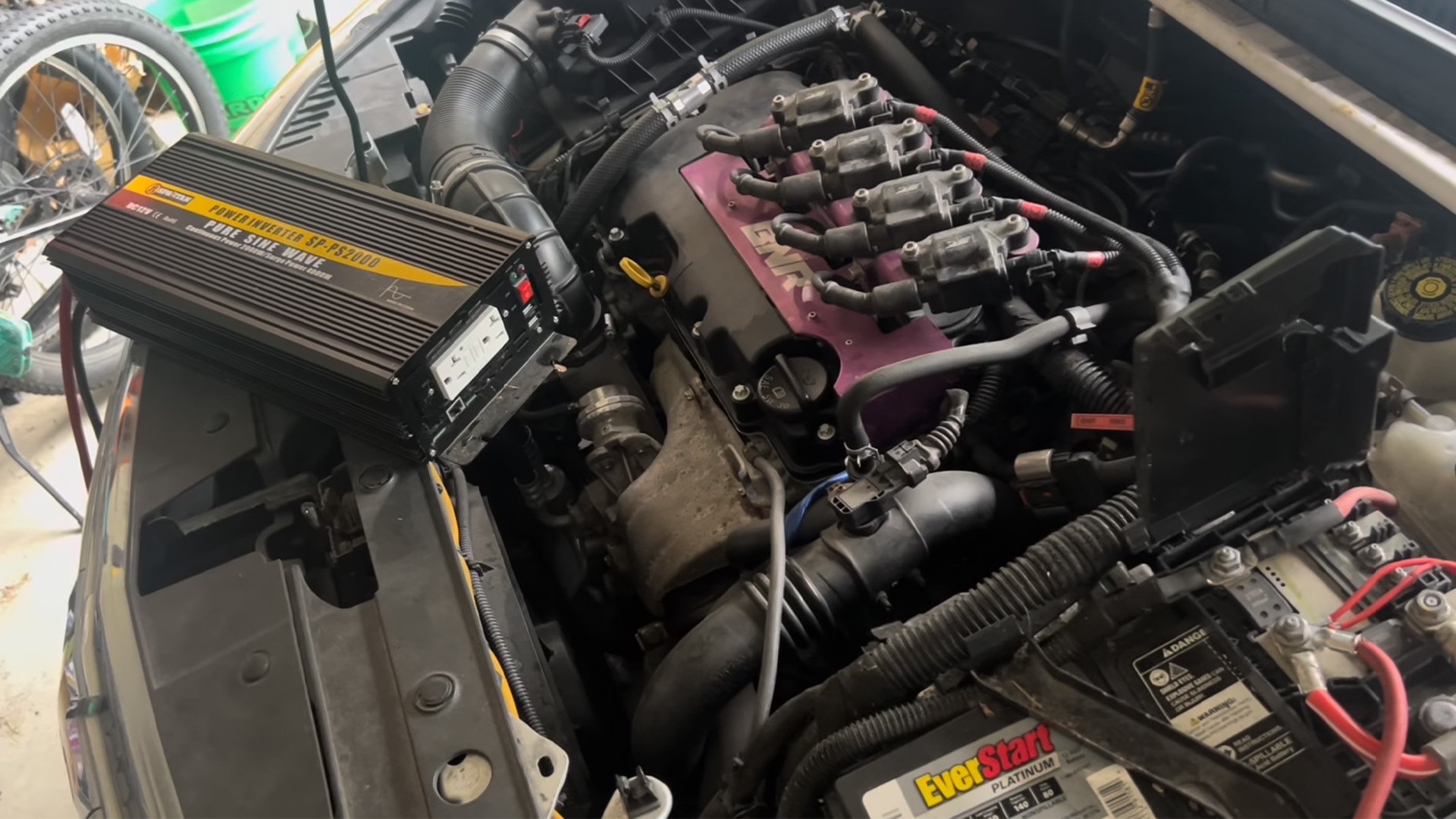
- Phase 1: Mobilization (Hours 0–2): The inverter was connected directly to the vehicle’s electrical system, specifically bypassing standard cabin outlets in favor of a direct connection to the battery to minimize resistance and heat buildup.
- Phase 2: The Load Test (Hours 2–12): The system was brought online to support two full-sized refrigerators, an upright freezer, a high-definition television, home lighting, and a suite of office equipment, including a laptop and printer.
- Phase 3: Stabilization (Days 2–4): The car was kept running in the driveway. The vehicle’s onboard computer, sensing the increased electrical demand, automatically adjusted the idle to between 1,000 and 1,200 rpm to ensure the alternator provided sufficient output.
- Phase 4: Monitoring and Maintenance (Day 5): The system ran for over 120 hours. Fuel levels were managed by periodically replenishing the tank using five-gallon gasoline canisters. Throughout the process, the homeowner conducted voltage checks, monitoring the health of the system as the car provided steady, albeit occasionally fluctuating, power.
Supporting Data: Efficiency and Performance Metrics
The technical success of this experiment is best illustrated by the data observed during the five-day outage.
Power Output and Voltage Stability
Under normal load conditions, the Cruze’s system maintained a steady voltage between 12.2 and 12.8 volts. While heavy startup loads from appliances—such as the compressors in the refrigerators—caused brief dips to 11.8 volts, the system remained stable. In the most extreme instances, voltage dropped to 10.9 volts; however, even at these levels, the inverter did not shut down, and no household equipment suffered performance degradation or electrical damage.
Fuel Consumption Efficiency
Perhaps the most surprising aspect of the setup was the efficiency. The 1.4-liter turbo engine proved to be a frugal generator, consuming an estimated 0.22 gallons of fuel per hour. Over the course of 120 hours, the total fuel cost was relatively minimal compared to the price of a dedicated high-end standby generator. This suggests that for short-term emergency scenarios, an idling vehicle is a surprisingly viable, if unconventional, power source.
Mechanical Longevity and Oil Analysis
The primary concern for any mechanic watching this setup would be the impact of prolonged idling on a passenger car engine. Idling can lead to "fuel dilution" and carbon buildup. To address this, the owner took the proactive step of sending oil samples to a laboratory for analysis after the five-day stint to check for metal shavings or viscosity changes. While the full report is pending, the engine showed no signs of overheating or mechanical failure during the duration of the event.
Implications for Emergency Preparedness
The success of the Chevy Cruze setup serves as a wake-up call for both automotive enthusiasts and emergency management officials. It highlights a shift in how we view our personal vehicles: no longer just as a means of transport, but as a mobile, high-capacity utility node.
The Rise of V2L (Vehicle-to-Load)
This DIY project mirrors the industry trend of "Vehicle-to-Load" (V2L) technology, now becoming standard on electric vehicles like the Hyundai Ioniq 5 and the Ford F-150 Lightning. While these modern EVs are designed for this purpose with integrated bidirectional chargers, the Cruze experiment proves that the internal combustion engine is not yet obsolete in the context of emergency power. It demonstrates that legacy vehicles—if equipped with the correct safety equipment and a properly rated inverter—can achieve similar results.
Safety Considerations
It is imperative to note that such a setup carries inherent risks. Improper wiring can lead to electrical fires, carbon monoxide poisoning (if the car is operated too close to the home or in an enclosed garage), and potential damage to the vehicle’s sensitive electronic control units (ECUs). The homeowner in Valparaiso took precautions, but those attempting to replicate this setup should prioritize:
- Proper Ventilation: The car must always be outdoors, away from windows and air intakes.
- Inverter Quality: Using a "pure sine wave" inverter is critical; cheaper "modified sine wave" inverters can damage sensitive electronics like modern refrigerator control boards.
- Fusing: Proper inline fusing between the battery and the inverter is the only way to prevent a catastrophic short circuit.
Looking Ahead: The Future of Home Resilience
The "Cruze Power Plant" story is a testament to human ingenuity in the face of infrastructure decay. While it is not recommended to purchase a vehicle solely as a backup generator, it does pose a significant question for vehicle owners: Are you prepared for the next grid failure?
As climate patterns continue to fluctuate, the intersection of automotive and residential power systems will likely become a primary focus of consumer electronics. Manufacturers are already moving toward vehicles that act as decentralized power plants for the grid. For now, however, a little bit of wire, a quality inverter, and an old sedan might be the difference between a dark, cold house and a comfortable, powered home when the next storm rolls through.
The lesson for the average driver is clear: your car is one of the most powerful tools you own. With just a small investment in peripheral hardware, it can serve as a lifeline when the rest of the world goes dark. Whether it’s a 2012 Chevy Cruze or a modern EV, the ability to generate your own power is quickly becoming a essential skill for the 21st-century homeowner.
