





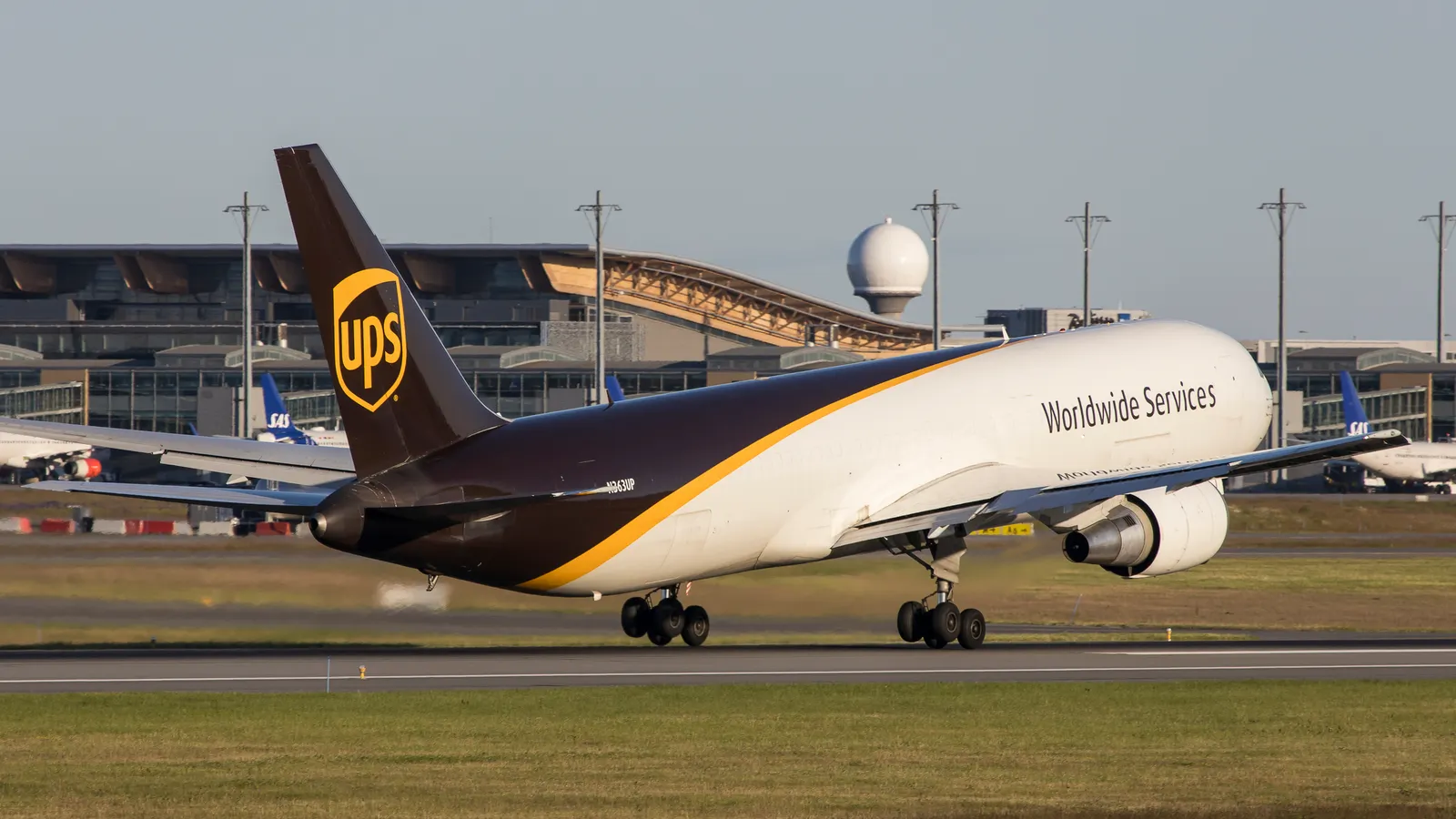
In a decisive move to redefine its identity within the global supply chain, United Parcel Service (UPS) has officially unveiled a new operating model designed to transition the company from a traditional small-package carrier into a holistic, integrated logistics solutions provider. This structural evolution, announced this week, marks a pivotal chapter in the carrier’s history as it seeks to harmonize its vast global network with localized market agility.
The reorganization is not merely a corporate reshuffling; it is a calculated effort to optimize efficiency, enhance the customer experience, and aggressively pursue high-margin sectors, most notably healthcare and international supply chain management. Under the leadership of CEO Carol Tomé, the organization is pivoting away from the high-volume, lower-margin e-commerce dependencies that defined the previous decade, signaling a maturation of the brand in an increasingly competitive global marketplace.
Main Facts: The Structural Transformation
The core of the new operating model rests on the concept of "global standardization with local market responsiveness." For decades, UPS functioned largely as a decentralized network of regional hubs. The new strategy seeks to unify these disparate elements into a single, cohesive engine. By integrating its international, healthcare, and supply chain divisions more tightly, UPS aims to eliminate operational redundancies and provide a seamless, end-to-end experience for global enterprises.
Central to this transition is the appointment of new leadership tasked with overseeing the integration of these business units. These changes, which took effect Tuesday, are intended to streamline decision-making processes and ensure that the company’s massive physical infrastructure—spanning hundreds of countries and territories—is utilized with maximum precision.
Chronology: The Road to the New Model
The shift announced this week did not occur in a vacuum; it is the culmination of a multi-year strategy aimed at de-risking the company’s portfolio.
- 2022–2023: The Strategic De-risking: UPS began a deliberate effort to pivot away from hyper-reliance on massive e-commerce retailers. This was highlighted by a phased reduction in Amazon-related volume, a move that initially raised concerns among investors but was ultimately viewed as a necessary step to stabilize profit margins.
- June 2024: Conclusion of Volume Cuts: By mid-2024, UPS officially wrapped up its Amazon volume reduction initiative. Having cleared the decks, the company shifted its focus toward more profitable, B2B-heavy segments, particularly in the life sciences and industrial sectors.
- Mid-2024 to Present: Infrastructure Investment: Parallel to its business strategy shift, UPS launched a $2 billion capital expenditure plan. This investment has been directed toward high-growth hubs, including significant expansions at Hong Kong International Airport and new facilities in the Philippines.
- The Present: The official launch of the new operating model serves as the connective tissue that links these capital investments to a unified operational philosophy.
Supporting Data: Infrastructure and Market Focus
UPS’s financial commitment to this pivot is reflected in its recent capital deployment. The company has moved beyond the "last-mile" delivery focus to prioritize specialized logistics infrastructure.
The Healthcare Push
Healthcare logistics represents the "crown jewel" of the company’s new strategy. Because life-saving pharmaceuticals and medical devices require strict temperature control and time-definite delivery, the margins are significantly higher than standard parcel shipping. To support this, UPS has invested $48 million in a new cross-dock facility, augmenting a network of temperature-controlled warehouses that allow for global "cold-chain" integrity.
International Capacity
The $2 billion investment plan is not limited to healthcare. Recognizing the resurgence of international trade, UPS has aggressively upgraded its heavy air freight capabilities. By launching time-definite services between North American manufacturing hubs and Mexico, the company is positioning itself to capture the "near-shoring" boom—a trend where companies move manufacturing closer to their primary consumer markets to avoid the disruptions seen during the pandemic.
Official Responses: Leadership’s Vision
The vision for this transformation is being steered by CEO Carol Tomé, who has consistently emphasized the necessity of a "Customer First" approach over sheer volume.
"At UPS, we intend to leverage the full power of our global network," Tomé said in the official announcement. "By combining global standardization with local market responsiveness, we will create greater efficiency, enhance customer experience, and strengthen our ability to grow around the world."
The sentiment from the C-suite is clear: UPS no longer wants to be judged by the number of boxes it moves, but by the complexity of the logistics challenges it solves for its clients. By moving toward a standardized operating model, the company aims to ensure that a customer in Singapore receives the same quality of service and visibility as a customer in Atlanta, a feat that requires the precise synchronization of thousands of assets.
Implications: A New Era for Logistics
The implications of this shift are profound for both the industry and the investors who monitor the company’s trajectory.
1. Competitive Advantage
By pivoting toward integrated logistics, UPS is positioning itself to compete directly with firms like DHL and FedEx’s specialized supply chain units. The goal is to provide a "one-stop-shop" for multinational corporations that need to move goods through complex customs, temperature-sensitive environments, and volatile regional markets.
2. Profitability vs. Volume
The "volume-to-value" trade-off is the defining narrative of the Tomé era. While moving away from e-commerce volume might lead to lower headline package counts, the company’s focus on high-margin sectors like healthcare is expected to improve the bottom line. Analysts will be watching the next few quarterly earnings reports closely to see if the reduction in low-margin volume is adequately offset by the growth in specialized logistics services.
3. Operational Resilience
The global economy remains fraught with geopolitical uncertainty. By creating a standardized, integrated network, UPS is building a degree of modularity into its operations. If one region faces a disruption, the integrated model theoretically allows the company to reroute assets and leverage its standardized processes to maintain supply chain continuity—a capability that is highly valued by global enterprise clients.
4. Labor and Management
With the new executive leadership structure taking effect, the company enters a phase of internal consolidation. The challenge will be ensuring that the "local responsiveness" promised by the CEO does not get lost in the "global standardization." Balancing these two competing forces is the primary task of the newly appointed leadership team.
Conclusion
The transformation of UPS is a clear signal that the era of "growth at all costs" in the logistics industry has been replaced by an era of "value-added logistics." By focusing on high-margin sectors, investing heavily in specialized infrastructure, and unifying its global operations, UPS is attempting to future-proof itself against the volatility of the retail landscape.
Whether this model will successfully transition the company into a comprehensive logistics provider remains to be seen. However, the roadmap is clear: UPS is betting its future on the idea that the modern economy requires a partner that can manage the entire supply chain, not just the delivery of a package. As the global economy continues to shift, UPS’s ability to execute this pivot will likely serve as a bellwether for the broader transportation and logistics sector.
